Lemon Cypress Tree Care: Growing, Maintenance, and Troubleshooting
Discover essential tips for growing healthy lemon cypress indoors and outdoors, from light and watering needs to pruning and common problems.
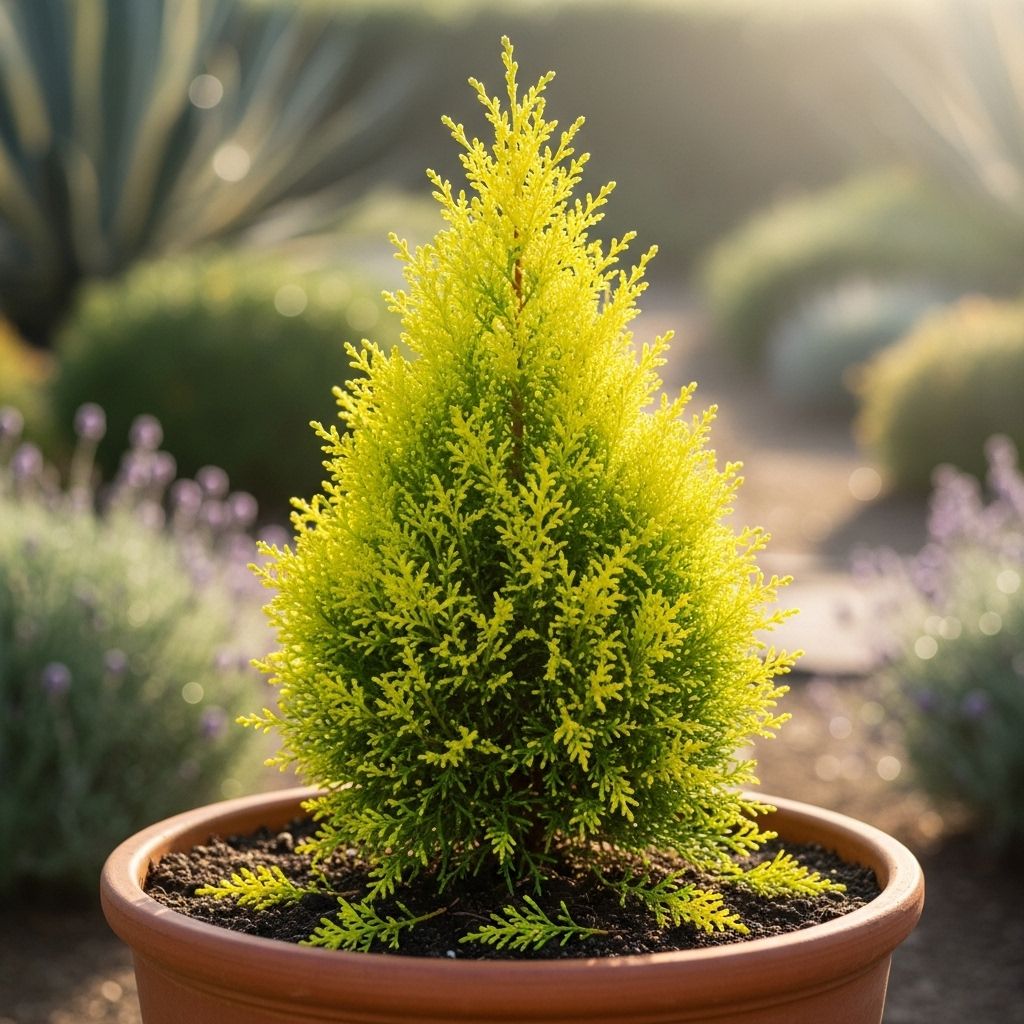
Lemon Cypress Tree Care Guide
The lemon cypress tree (Cupressus macrocarpa ‘Goldcrest’), admired for its vivid chartreuse foliage and pleasant lemon scent, is a popular choice for both indoor and outdoor ornamental gardening. Proper care ensures your lemon cypress remains vibrant, healthy, and eye-catching year-round.
About Lemon Cypress
- Appearance: Upright, columnar growth with soft, needle-like foliage in a bright yellow-green hue.
- Scent: Releases a fresh lemon fragrance when foliage is gently brushed or crushed.
- Uses: Suitable as a container plant, patio accent, or small landscape tree.
- Growth Habit: Slow-to-moderate; reaches up to 3 feet indoors, can become much taller outdoors under optimal conditions.
Lemon Cypress Tree Care Indoors
Light Requirements
Lemon cypress needs bright, direct sunlight for 6–8 hours daily when kept as a houseplant. Place in a sunny, south- or east-facing window for optimal growth. Rotate the container regularly so all sides receive light, promoting even growth and preventing thin or lopsided foliage.
Insufficient sunlight often leads to sparse, faded leaves or browning tips.
Watering Indoors
- Keep the soil evenly moist but never waterlogged. Let the top inch of soil dry out slightly before rewatering.
- Potted lemon cypress typically needs twice-a-week watering during warm growing periods, and less often during dormancy.
- Use a saucer or bowl under containers to prevent water damage to surfaces; allow water to drain for no more than 5 minutes to avoid root rot.
- Misting foliage weekly helps maintain humidity and deters pests.
Temperature and Humidity
- Ideal indoor temperatures are in the low 60°Fs (16–18°C) during winter.
Keep away from heating vents or radiators to prevent drying and browning. - Humidity: Spritz leaves regularly or place a humidity tray (a shallow dish of water topped with pebbles) nearby to avoid dryness.
Soil and Repotting
- Use a well-draining potting mix designed for container plants or outdoor evergreens.
- Repot every two years, but never immediately after purchase—wait 6–12 months for stabilization.
- Hydrate before repotting. Gently loosen roots, trim away any dead sections with sterile pruners, and position the plant so its soil is about 1 inch below the rim.
Fertilizing Indoors
- Feed monthly during active growth (spring and summer) using a balanced liquid fertilizer formulated for indoor foliage plants.
- Avoid over-fertilizing: Only fertilize when growth resumes in spring; withhold in winter.
Lemon Cypress Tree Care Outdoors
Location and Hardiness
- Plant outdoors in USDA Zones 7–10 where winters remain above 10°F (–12°C).
- Select a spot with full sun for 6–8 hours, though some morning shade is beneficial in very hot climates.
- Well-drained soil is essential; avoid low spots with poor drainage.
Watering Outdoors
- New transplants: Water deeply twice per week for the first growing season.
- Mature plants: Water anytime the soil feels dry, ensuring roots do not dry out but also avoiding waterlogged conditions.
- Reduce frequency in cool or rainy months.
Fertilizing Outdoors
- Apply a slow-release 20-20-20 granular fertilizer in early spring before new growth appears.
- Lightly work fertilizer into the soil’s surface and water well. Do not fertilize in late fall or winter.
Pruning and Shaping
- Trim with sharp, sterilized pruners during active growth to encourage branching and maintain shape.
- Browning of new cut tips is normal; this is quickly concealed by emerging growth.
- Remove dead, damaged, or excessively long branches as needed.
- Pruning is also used to maintain lemon cypress in a topiary or juvenile form.
Cleaning and Maintenance
- Remove fallen debris from the soil surface.
- Replenish topsoil if the plant settles after watering.
- Keep area well-ventilated to prevent fungal issues.
Common Problems and Troubleshooting
Browning Leaves or Tips
- Possible causes: Underwatering, excessive sunlight (especially afternoon exposure for indoor plants), dry air, or fertilizer burn.
- Brown edges after pruning are typical and hidden by new growth.
Disease and Pest Management
- Fungal issues: Overly wet conditions encourage root rot and fungal infections. Clip infected branches, increase ventilation, and treat with fungicide if needed.
- Pests: Spider mites or aphids might appear; maintain humidity and inspect regularly. Treat infestations with insecticidal soap.
Growth Problems
- Weak or sparse growth usually indicates insufficient light or nutrients.
- Regular pruning helps maintain a bushy, compact plant.
Frequently Asked Questions
How often should I water my lemon cypress?
Water whenever the soil feels dry to the touch—usually weekly indoors and twice a week immediately after outdoor planting. Never let roots become soggy or totally dry.
Can I put my lemon cypress in full sun?
Outdoors, lemon cypress thrives in full sun. Indoors, direct morning sun is beneficial, but harsh afternoon sun can cause browning, especially if transitioning from greenhouse conditions.
Why do pruned edges on my lemon cypress turn brown?
Browning is normal after trimming and is soon concealed by new growth.
How should I fertilize my lemon cypress?
Use a balanced fertilizer monthly if actively growing; avoid over-fertilizing, especially in winter when growth slows or ceases.
How do I manage humidity for indoor plants?
Mist the leaves regularly and set the pot on a tray filled with pebbles and water to maintain ambient moisture.
What temperature is best for lemon cypress indoors?
Maintain low 60°F during winter; higher temperatures may cause stress and brown foliage.
Quick Reference Table
| Care Aspect | Indoors | Outdoors |
|---|---|---|
| Light | Bright direct (6–8 hrs) | Full sun |
| Water | Weekly; evenly moist | Twice a week after planting, then as needed |
| Temperature | Low 60°F (winter) | Above 10°F (USDA 7–10) |
| Humidity | Mist weekly, pebble tray | Naturally humid |
| Soil | Well-drained potting mix | Well-drained, neutral pH |
| Fertilizer | Monthly, balanced liquid | Spring, slow-release granular |
| Pruning | Shape, remove dead tips | Shape, remove long branches |
Tips for Healthy Lemon Cypress Growth
- Always use clean, sharp pruners to minimize disease risk.
- Monitor light and rotate indoor plants weekly for even development.
- Never let the soil completely dry out; regular irrigation is key.
- Refresh topsoil annually and inspect roots during repotting.
- Dispose of cuttings and debris promptly to avoid pest issues.
Lemon Cypress Uses in Home and Garden
- Decorative: Popular in holiday displays and as living ‘mini Christmas trees.’
- Topiary: Adaptable to container topiary, bonsai, or shaped forms.
- Companion Planting: Attractive in mixed planters; complements flowering annuals and herbs.
- Scented Accent: The natural lemon aroma freshens indoor spaces.
Summary Checklist
- Light: 6–8 hours bright sunlight (indoors), full sun (outdoors)
- Water: Keep evenly moist, never soggy or dry
- Temperature: Cool indoor winters, frost-free outdoors
- Humidity: Mist foliage; use pebble tray
- Fertilizer: Monthly when growing (indoors); spring slow-release (outdoors)
- Pruning: Shape, remove browning, expect cut tip browning as normal
- Repotting: Every 2 years, hydrate before repot
- Problems: Browning tips (light/water), fungal issues (ventilation), pests (inspect regularly)
Similar Articles





Read full bio of Sneha Tete