Lemon Tree Not Fruiting? Causes, Solutions, and Expert Tips for a Bumper Crop
Discover why your lemon tree won't fruit and learn proven strategies to encourage healthy, productive citrus trees
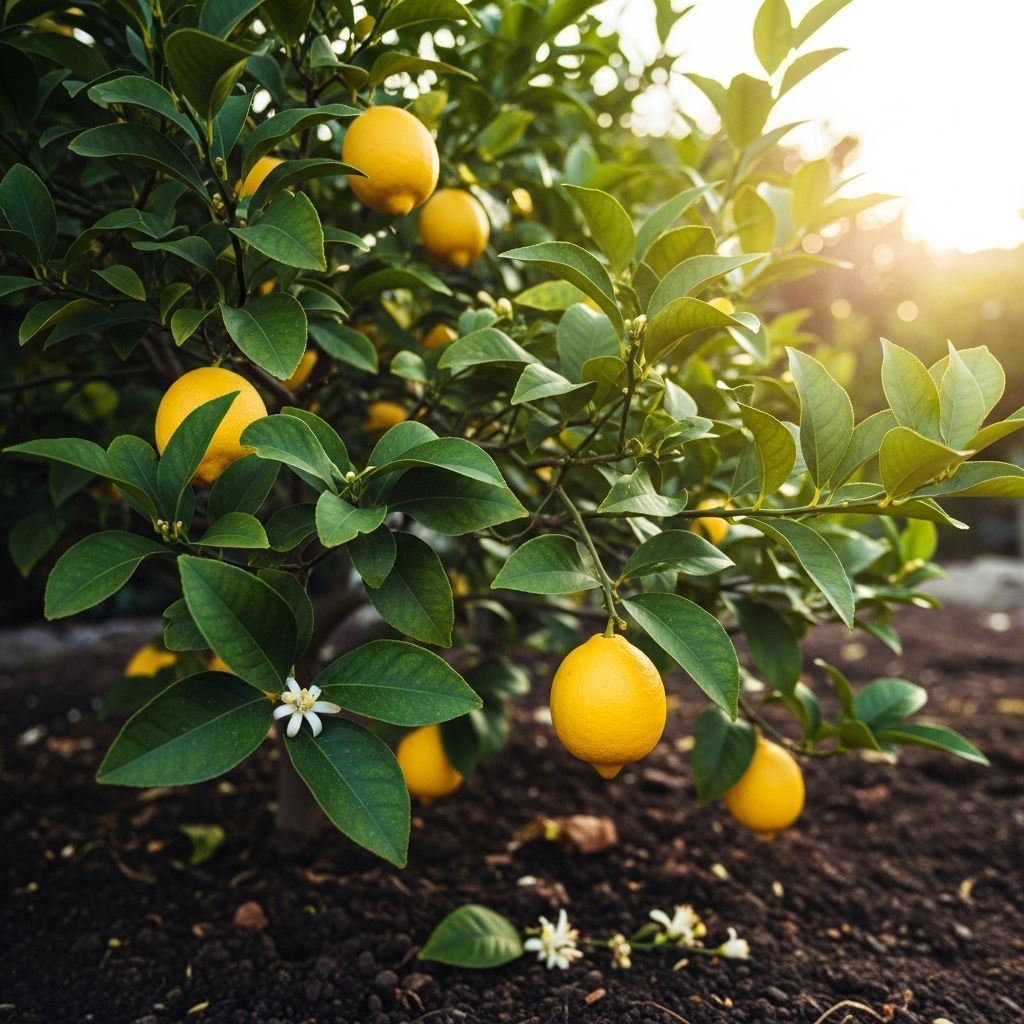
Why Is My Lemon Tree Not Fruiting?
Lemon trees are prized for their fragrant blooms and vibrant fruit, but sometimes even the most carefully tended trees fail to produce. If you’re eager for fresh lemons but facing disappointment, this guide explains the common reasons for a lemon tree not fruiting and offers actionable advice to turn things around.
Common Reasons for No Fruit on Lemon Trees
Lack of Flowers Means No Fruit
First, check if your tree is flowering. Lemon fruit only develops after successful pollination of flowers. If your tree isn’t blooming, it can’t produce lemons, regardless of other conditions.
Why a Lemon Tree Might Not Flower
- Growing Conditions: Poor soil, insufficient sunlight, or incorrect watering can prevent flowering.
- Nutrient Deficiencies: Lemon trees, like all citrus, need specific nutrients—especially potash for flower and fruit development. Excess nitrogen can promote leafy growth at the expense of blossoms.
- Watering Issues: Both over- and under-watering can stress the tree, reducing its ability to flower.
- Bad Rootstock: The use of unsuitable rootstocks can impact the tree’s overall health and its flowering potential.
Tree Age and Rootstock
Even if your tree flowers, it might be too young to bear fruit. Typically, lemon trees start fruiting at three to five years, depending on the rootstock used. Dwarf varieties often fruit sooner than standard trees.
Blossom Drop and No Fruit Set
If flowers appear but fall off without producing fruit, several factors could be at play:
- Overabundance of Fruit: Sometimes, too many fruits set at once, and the tree drops some to balance its resources.
- Excess Watering: Waterlogged roots can cause stress and blossom drop.
- Nutrient Imbalances: Insufficient nutrients, especially potash and phosphorus, can prevent fruit set.
- Cold Damage: A sudden frost or cold snap can damage buds and young fruit.
How to Encourage Fruit on Lemon Trees
Sunlight and Location
Plant your lemon tree where it receives maximum sunlight—ideally on the south or western side of your home. Trees in shade or exposed to cold, drying winds may struggle to fruit. Shelter from strong winds is also crucial.
Soil and Watering Practices
Lemon trees require well-drained soil; soggy conditions suffocate roots and promote disease. Water deeply and frequently during the growing seasons (spring and summer), then reduce watering in winter.
Signs of overwatering include yellowing leaves and possible black stems, while underwatered trees may have curled, dry leaves. Adjust watering based on these symptoms and your climate.
Watering Schedule Table
| Season | Watering Needs |
|---|---|
| Spring/Summer | Water deeply and frequently |
| Fall | Gradually reduce watering |
| Winter | Water sparingly—allow soil to dry out between waterings |
Nutrients and Fertilization
Early spring is the best time to fertilize with a citrus-specific formula high in potash. Avoid excessive nitrogen, as it can promote leaf growth over flower and fruit production. Adding phosphorus encourages blooming and fruiting.
Pruning Tips
Prune only dead or damaged branches, as lemon trees set fruit on the ends of branches. Over-pruning can remove potential fruit-bearing wood and delay production. If you must prune, do so lightly after harvest.
Temperature and Frost Protection
Lemon trees are sensitive to frost. Protect blossoms and young fruit with thermal covers or blankets during unexpected cold spells. In very cold climates, consider growing lemons in containers that can be moved indoors.
Pest and Disease Management
Healthy trees are more productive. Regularly inspect for pests like spider mites, aphids, and scale, and treat promptly. Avoid overwatering, which can lead to root rot and fungal diseases.
Advanced Troubleshooting: No Fruit Even After Good Care
Rootstock Issues
If your tree still doesn’t fruit after following best practices, consider the rootstock. Unscrupulous growers sometimes use vigorous, non-fruiting rootstocks. Look for multiple stems or large thorns at the base, which indicate rootstock growth rather than the desired citrus variety.
Patience and TLC
Sometimes, a tree just needs a year of attentive care and balanced nutrition to recover from neglect. Don’t give up—consistent, thoughtful cultivation often leads to a future bumper crop.
Lemon Tree Fruiting FAQs
Q: How long does it take for a lemon tree to bear fruit?
A: Most lemon trees begin bearing fruit three to five years after planting, depending on rootstock and growing conditions.
Q: Why does my lemon tree flower but not set fruit?
A: This could be due to stress from environmental factors, nutrient imbalances, over- or under-watering, or poor pollination. Review your care routine for possible issues.
Q: What’s the best fertilizer for lemon trees?
A: Use a citrus-specific fertilizer high in potash and phosphorus. Avoid high-nitrogen formulas during the flowering and fruiting season.
Q: Can I grow a lemon tree indoors?
A: Yes, lemon trees can thrive indoors with adequate light (at least 6–8 hours daily), proper watering, and occasional fertilization. Be mindful of temperature—lemon trees need a winter chill to set fruit, so avoid keeping them too warm year-round.
Q: Should I remove the fruit from my young tree?
A: It’s wise to remove fruit from very young trees (under three years old) so the plant can focus on growing strong roots and branches before bearing a full crop.
Conclusion
If your lemon tree isn’t fruiting, a systematic review of its environment, care, and history will usually reveal the cause. Most issues are correctable with adjustments to watering, fertilization, pruning, and protection. With patience and attention to detail, your tree can reward you with a healthy harvest in seasons to come.
Similar Articles





Read full bio of Sneha Tete