Lesser-Known Plants That Elevate Every Hanging Basket
Discover unique, showstopping plants and expert tips for cultivating dramatic, flourishing hanging baskets in any space.
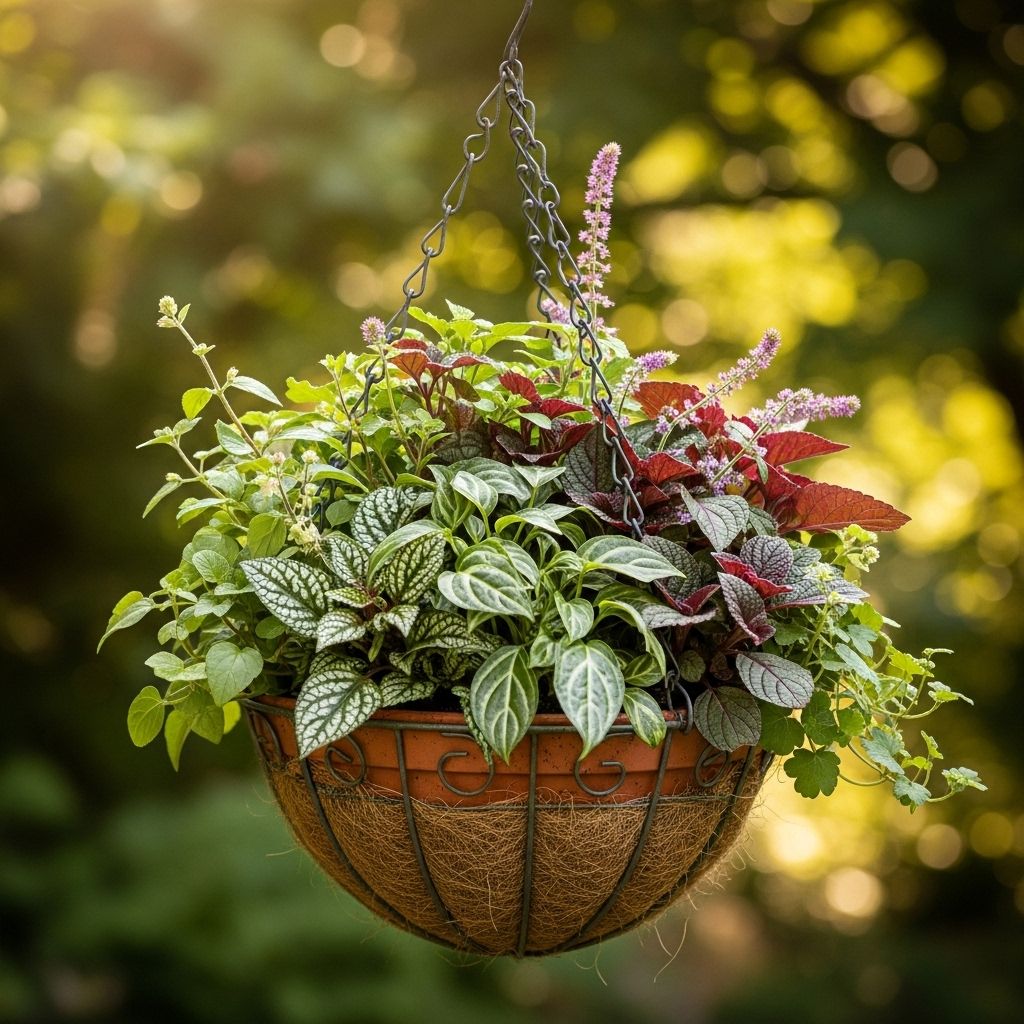
Hanging baskets offer a dynamic way to showcase botanical creativity, especially when filled with plants that break away from the ordinary. While classic favorites like petunias and geraniums get the spotlight, a world of lesser-known beauties awaits gardeners seeking fresh color, texture, and flair. This article delves into the art and science of building exceptional hanging baskets with underused plant varieties and shares expert tips on design, planting, and care for dazzling results.
Why Choose Lesser-Known Plants for Hanging Baskets?
Relying on unique plants does more than foster curiosity—it transforms outdoor and indoor spaces into living conversations. Less-common species can provide unexpected colors, leaf shapes, and growth habits that set your display apart from the standard garden palette. They also often extend seasonal interest, attract beneficial pollinators, and thrive with diverse care regimes.
- Distinctive aesthetics: Unusual plants often have striking foliage, unique trailing habits, or rare blooms.
- Broader seasonal appeal: Many lesser-known plants thrive in cooler months or offer year-round interest.
- Enhanced biodiversity: Introducing unique species draws in pollinators and beneficial insects.
Designing a Show-Stopping Basket: Core Principles
Successful hanging baskets balance three design elements: color, texture, and structure. Combining upright, trailing, and filler plants results in baskets that look lush and vibrant from every angle. Seasoned gardeners recommend not only planting on top, but also along the sides of the basket, multiplying opportunities for visual impact and fullness.
- Thrillers: Upright or dramatic plants that draw the eye.
- Fillers: Bushy species that provide body and cohesion.
- Spillers: Trailing varieties that cascade elegantly over the sides.
Basket Size and Material Considerations
Larger containers retain more moisture and offer space for a diverse plant mix. Wire baskets with open sides are ideal for tucking in extra plants, while solid-sided designs suit simpler, top-only planting. Liners can be natural (such as coconut fiber) or synthetic, with some gardeners adding landscape fabric or burlap in arid climates to reduce water loss.
| Basket Type | Advantages | Best for |
|---|---|---|
| Wire Frame | Allows side planting, creates fuller displays | Abundant, multi-species arrangements |
| Plastic or Solid-sided | Retains moisture longer, easier setup | Single-species or top-only plantings |
| Ceramic/Clay Pots | Classic look, good for drought-tolerant plants | Simple, Mediterranean displays |
Essential Materials for Building a Hanging Basket
- Basket container: At least 16 inches across, 9–11 inches deep
- Liner: Wood fiber, coir, burlap, or landscape fabric
- Soil mix: Peat-based with added loam, compost, and kelp meal for trace minerals
- Plastic saucer (8 inches) for reservoir in especially dry regions
- Clear vinyl tubing (½ inch) for padding basket rim to protect trailing stems
- Slow-release fertilizer (15-15-15 formula) and supplemental liquid feed (such as 20-20-20 with iron)
- Variety of small, healthy plants (2.5-inch pots or cell packs)
- Practical tools: Sharp scissors, utility blade, felt-tip marker, plastic bags, chain or bracket for hanging
Lesser-Known Plant Recommendations for Hanging Baskets
The true artistry of hanging baskets emerges through thoughtful plant selection. Below are some unique and underused species and cultivars ideal for creating an unforgettable display, grouped by their design role.
Thrillers (Upright or Statement Plants)
- ‘The Line’ Coleus (Solenostemon scutellarioides ‘The Line’): Vividly colored foliage, upright form. Grows well in shade or partial sun.
- Feather Grass (Stipa tenuissima): Wispy, elegant grass adds height and movement. Hardy in zones 7–11.
Fillers (Clumping or Spreading Plants)
- Flying Colors™ Red Diascia (Diascia ‘Flying Colors’): Abundant, coral-red blooms in spring and fall. Suitable for cooler climates.
- Superbells® Calibrachoa (Calibrachoa ‘Superbells’ Pink Kiss): Masses of small, petunia-like flowers in vivid hues. Great for season-long interest.
Spillers (Trailing or Cascading Plants)
- ‘Black Heart’ Sweet Potato Vine (Ipomoea batatas ‘Black Heart’): Deep purple foliage creates dramatic contrast. Vigorous trailing habit.
- Bacopa (Sutera cordata): Delicate white or lavender flowers, cascades beautifully and thrives in full sun to part shade.
- Brachycome (Brachyscome iberidifolia or ‘Swan River Daisy’): Blue or lavender daisy-like blooms, excellent for cool-season displays.
- Lantana (Lantana camara): Small clusters of multicolored flowers, aromatic foliage, attracts butterflies.
- Lobelia (Lobelia erinus): Electric blue or violet blooms, suspension basket staple for extended cool seasons.
- Fuchsia: Pendulous two-tone blossoms beloved by hummingbirds; best in shaded locations.
- Verbena (Verbena x hybrida): Trailing species with dense, colorful flower clusters.
Specialty and Unusual Picks
- Pilea glauca: Tiny, round, silvered evergreen leaves cascade down basket sides for lush, textural interest year-round.
- Streptocarpella: Delicate, violet-blue blooms over velvety foliage—a rare sight in most baskets.
- Nemesia: Fragrant flowers in a kaleidoscope of pastel colors. Enjoys cooler weather and partial shade.
- Dichondra ‘Silver Falls’: Metallic silver foliage, long trailing stems—outstanding for modern or monochrome plantings.
How to Build and Plant a Jaw-Dropping Hanging Basket
Step-By-Step Guide
- Prepare the Basket
- Fit liner inside basket snugly; for dry climates, add extra layer of landscape fabric.
- Insert clear vinyl tubing around rim to cushion trailing stems and prevent breakage.
- Place a shallow plastic saucer at the base to act as a reservoir if watering is a challenge.
- Mix Potting Soil
- Combine lightweight peat-based soil with compost or humus for nutrients and water retention.
- Add one tablespoon of kelp meal and a tablespoon of slow-release fertilizer beads per 16” basket.
- Side Planting
- For full baskets, cut small slits in the liner just below soil level using sharp scissors.
- Gently compress the roots of small trailing plants into a “torpedo” and slide through the slits from the outside.
- Plant in a checkerboard or zigzag pattern for even coverage and fullness.
- Layer and Finish
- Alternate layers of soil and side-planted specimens until nearly at the top.
- Finish with a crowning mix of upright (thriller), filler, and trailing plants on top.
- Trim the liner so it stands 1–3 inches above soil line to help retain moisture and soil during watering.
- Water Thoroughly and Hang
- Saturate the basket until water drains from the base.
- Secure basket with chain, S-hook, and sturdy bracket or suitable overhead support.
Expert Tips for Growing Success
- Use plug seedlings or small pots for side planting to minimize disturbance to roots and avoid soil spillage.
- Monitor moisture daily—especially in hot seasons. Baskets dry quickly because of airflow and evaporation.
- Feed regularly: Supplement initial slow-release feed with liquid fertilizer every third watering, using a blend with micronutrients such as iron.
- If the plants need a midseason boost, top-dress with additional fertilizer once beads are spent, generally by mid-summer.
- Watch for crowding and overgrowth—prune back as necessary to keep basket shape attractive and improve airflow.
Creative Plant Combinations
Combining species with different colors, textures, and bloom times leads to dynamic, ever-changing displays. A sample planting plan for a multi-layer, season-long basket:
- Main Thriller: ‘The Line’ coleus or feather grass in the center/sides for height and drama.
- Fillers: Diascia and Superbells calibrachoa for lush coverage and constant color.
- Spillers: ‘Black Heart’ sweet potato vine, bacopa, fuchsia, and dichondra for a soft, trailing cascade.
- Bonus: Nemesia and Streptocarpella nestled into side slits for added texture and fragrance.
Don’t hesitate to mix annuals and perennials, experiment with different sun/shade combinations, or develop a basket for each season using winter-blooming or autumn-colored species.
Maintenance and Troubleshooting
- Check baskets daily in warm weather. Water deeply, but let soil surface dry slightly between waterings to avoid root rot.
- Pinch back leggy growth and spent blooms (deadheading) to promote bushiness and new flowering.
- Rotate baskets regularly for even light exposure and symmetrical growth.
- Replace or supplement plants that decline, especially if an aggressive variety dominates.
- For persistent pests like aphids or spider mites, mist with water and apply gentle organic controls as needed.
Frequently Asked Questions (FAQs)
Q: What makes a plant “lesser-known” for hanging baskets?
A: Lesser-known plants are those less often used in traditional hanging baskets, either because they are new to the market, have previously been overlooked for their ornamental potential, or are only regionally popular. These might include certain annuals, tender perennials, or unusual trailing and foliage species that provide unique characteristics compared to common petunias or geraniums.
Q: How many plants should I use in a single basket?
A: For a 16-inch basket, use 12–15 small plants, or about half that number if using larger, vigorous growers like certain petunias or sweet potato vines. Side-planting allows three to four times as many plants as a top-only design, creating a much fuller appearance.
Q: How do I keep my basket from drying out?
A: Choose a suitably large basket (at least 16 inches in diameter), use a moisture-retentive soil mix with compost or coir, and add a water saucer or reservoir at the base. Daily watering is often essential in hot weather, and using mulch at the top can also reduce evaporation.
Q: Which fertilizer works best for lush baskets?
A: Start with a balanced slow-release fertilizer (such as 15-15-15) mixed into the potting soil. Supplement with a liquid fertilizer high in both macro- and micronutrients, especially iron, every third watering for heavy-flowering or fast-growing plants.
Q: Can hanging baskets thrive in shade?
A: Absolutely. Many lesser-known species—including fuchsias, coleus, certain lobelias, and some begonias—prefer part or full shade. Choose plants according to the sun exposure of your chosen site for best results.
Conclusion
Embracing lesser-known plants in your hanging baskets unlocks an extraordinary range of color, form, and interest seldom found in mainstream garden displays. With thoughtful design, proper care, and a spirit of experimentation, any gardener can create lush, conversation-starting baskets that thrive season after season. Reach beyond the expected, and let your next hanging garden be the highlight of your botanical repertoire.
Similar Articles


Read full bio of medha deb