Mandevilla Blooming Season: When and How These Vines Flower
Discover the blooming cycle, care, and optimal conditions for vibrant, long-lasting mandevilla flowers all season long.
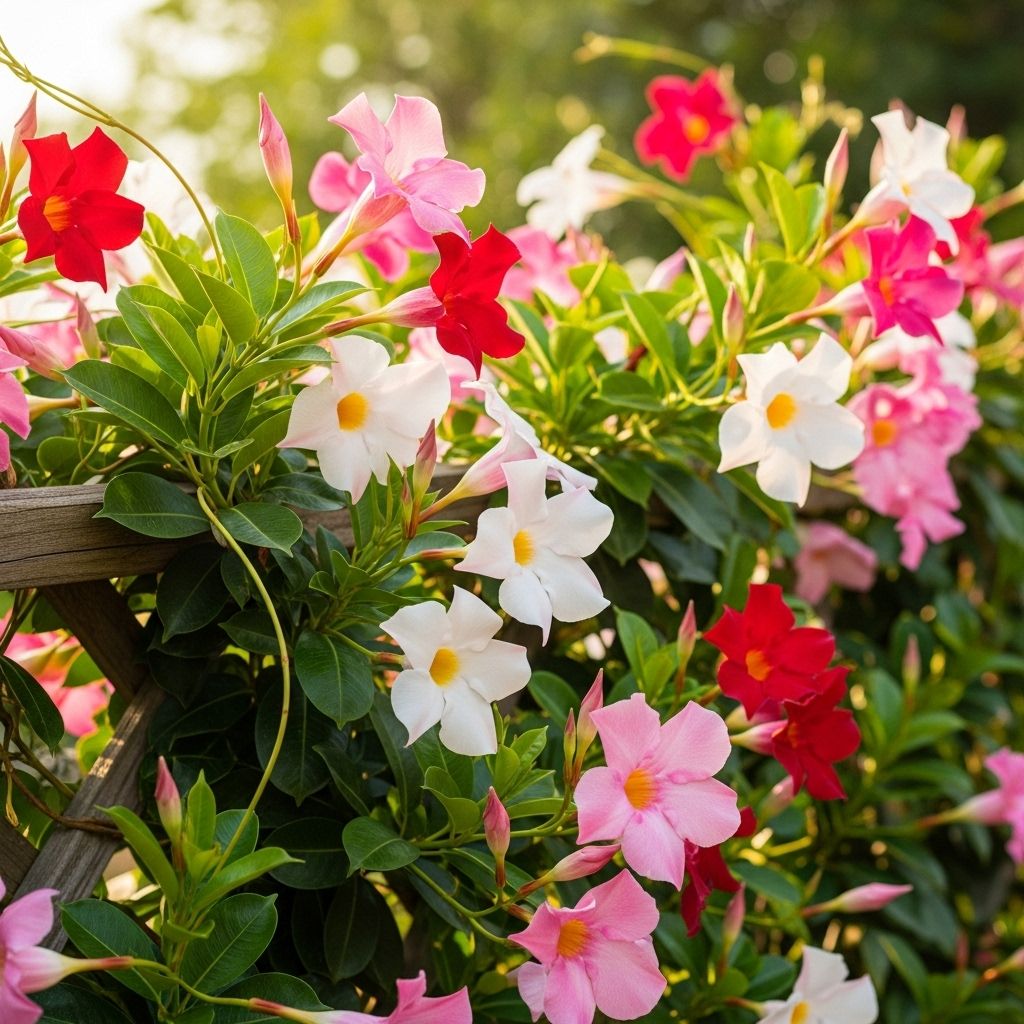
Mandevilla, renowned for its lavish trumpet-shaped flowers and vigorous vining habit, is a staple for gardeners eager to infuse tropical color and vertical interest to their outdoor spaces. Understanding the blooming season and learning how to cultivate optimal conditions ensures your mandevilla dazzles with blooms from early summer into the cool touch of autumn. This article explores the phases of the mandevilla flowering period, environmental requirements, and key maintenance practices for spectacular results.
Understanding Mandevilla’s Flowering Cycle
The blooming season for mandevilla typically begins in early summer and can stretch all the way until the first frost of autumn. In climates without frost, mandevilla may continue to flower nearly year-round, delighting with their vibrant hues during otherwise dormant periods for many plants.
In USDA hardiness zones 8–11, the vines flourish outdoors for much of the year. In colder zones, however, freezing temperatures will kill back the visible vine, though the roots may survive mild frost and regrow each spring if properly protected.
- First Blooms: Usually appear in early to late spring, intensify in summer.
- Prime Blooming Period: Summer through autumn, peaking during warm, sunny weather.
- Bloom Duration: Continual flowering until first frost or temperatures below 40°F (4°C).
- In Frost-Free Climates: Mandevilla may flower year-round with appropriate care.
Key insight: In consistently warm regions, the mandevilla bloom period far exceeds that of many other garden vines, offering extended beauty from late spring until winter arrives.
How Long Do Mandevillas Flower?
Mandevilla’s remarkable bloom period can extend for five to six months in ideal conditions. Gardeners in regions prone to frost can still extend the blooming season by growing mandevilla in portable containers, moving them indoors once temperatures dip below 50°F (10°C).
| USDA Zone | Outdoor Bloom Period | Overwintering Method |
|---|---|---|
| 8–9 | Late spring – Frost (re-sprouts in spring) | Mulch roots or bring indoors before frost |
| 10–11 | Late spring – Nearly year-round | Outdoor only, frost protection optional |
| Below 8 | Grows as container annual | Grow in pots, bring inside for winter |
Caring for Mandevilla Grown Outdoors
To sustain robust flowering, outdoor mandevilla require attention to light, soil, watering, and feeding. Although deceptively delicate in appearance, these vines are vigorous and resilient, especially when foundational care needs are met.
- Light: Plant in full to partial sun; at least 6 hours of sunlight ensures optimal bloom.
- Soil: Opt for well-drained, fertile soil. Amend heavy clay or sandy soils with compost to improve texture and nutrition.
- Water: Mandevilla appreciate regular watering, especially during hot, dry periods. Allow soil to dry slightly between waterings to prevent root rot.
- Fertilizer: Feed every 2–4 weeks during the growing season with a balanced liquid fertilizer or slow-release granules to encourage steady bloom production.
- Support: Provide a trellis, arbor, or other sturdy support structure for vining varieties to climb.
- Training & Pruning: Pinch back young vines to encourage bushiness. Prune spent blooms and stems as needed to maintain shape and control size.
The combination of sunlight, consistent moisture, and regular feeding creates an environment where mandevilla’s blooming potential is fully realized.
Container-Grown Mandevilla: Flexibility and Protection
Growing mandevilla in containers provides flexibility, especially in regions with pronounced seasonal changes. Potted mandevilla can be relocated to maximize sun exposure or sheltered indoors as temperatures drop, thereby extending the flowering season and conserving the plant for subsequent years.
- Pot Choice: Use large containers with drainage holes to accommodate vigorous root growth.
- Soil Mix: Select a high-quality potting mix with added compost or perlite for better drainage and aeration.
- Watering: Containers dry faster than ground soil, so monitor for dryness and water whenever the upper inch of soil is dry to the touch.
- Moving Indoors: Transfer potted mandevilla inside before nighttime temperatures drop below 50°F (10°C). Place near a bright window and reduce watering during winter dormancy.
- Pruning: Trim leggy vines or prune lightly after flowering to maintain a compact, attractive shape.
Encouraging Profuse Blooms: Tips for Maximizing Flowering
To enjoy a constant cascade of colorful blooms, your mandevilla will benefit from a few targeted strategies:
- Pinch Back Tips: Beginning in early spring, pinch or trim the growing tips of young plants. This encourages branching, resulting in a bushier plant and more flower sites.
- Consistent Feeding: Regular fertilization provides essential nutrients like phosphorus, crucial for flower production.
- Regular Deadheading: Removing faded blooms channels the plant’s energy into new growth and additional flowering rather than seed formation.
- Sunlight Exposure: Ensure the plant receives abundant, direct sunlight, as insufficient light leads to fewer blooms.
- Pest & Disease Control: Monitor for pests such as mealybugs or scale. Use insecticidal soap if necessary, since pests can reduce vigor and blooming.
Growing Conditions for Best Results
The following table summarizes ideal environmental and cultural conditions for a thriving mandevilla:
| Condition | Recommended Practice |
|---|---|
| Sunlight | Full sun to partial shade (6+ hours direct sun) |
| Soil | Rich, well-draining, high in organic matter |
| Watering | Evenly moist, allow surface to dry between waterings |
| Humidity | Prefers moderate to high humidity |
| Temperature | Daytime 60–90°F (15–32°C); not below 40°F (4°C) |
| Fertilizer | Balanced liquid or slow-release, every 2–4 weeks |
| Support/Training | Trellis, arbor, or tall stake for vining varieties |
Mandevilla Varieties and Flower Colors
There are several popular mandevilla varieties available, each showcasing distinct growth habits and bloom hues. Classic selections such as ‘Alice Dupont’ deliver large, showy pink blossoms, while others like Mandevilla boliviensis produce glistening white flowers. Newer cultivars offer red, yellow, peach, or bicolor petals, as well as compact forms suited to smaller spaces or containers.
- ‘Alice Dupont’: Vibrant pink, large-flowered variety
- ‘Red Velvet’: Intensely colored red blooms, vigorous stems reaching up to 20 feet
- ‘Sun Parasol’ series: Compact and abundant bloomers, available in white, red, pink, and deep burgundy
- ‘Giant Peach Sunrise’: Apricot-pink, large-flowered climbing vine
- ‘Sunbeam’: Bright yellow blooms (less common)
Many gardeners appreciate both the vining forms, perfect for vertical gardens and trellises, and the dwarf, bush-type selections better suited to patio pots and small spaces.
Bringing Mandevilla Indoors for Winter
If you live north of zone 8, your mandevilla will need protection from cold. Here’s how to overwinter your mandevilla for lush blooms next season:
- Before Frost: Move pots indoors to a well-lit, cool room as soon as nighttime temperatures threaten to drop below 50°F (10°C).
- Pruning: Cut back long vines by one-third to one-half before bringing inside to ease the transition and save space.
- Light: Place near a bright, south-facing window. If natural light is insufficient, supplement with grow lights.
- Watering: During winter dormancy, water sparingly, keeping soil just barely moist.
- Reintroduce Gradually: Acclimate your mandevilla to outdoor conditions the following spring after all danger of frost has passed.
This process lets you preserve mature mandevilla plants and achieve dense, early blooms year after year.
Common Problems and Solutions
- No Blooms: Possible causes include insufficient sunlight, lack of nutrients, or excessive watering. Adjust environmental factors as needed.
- Yellowing Leaves: This often signals overwatering or poor drainage. Repot if needed and reduce watering frequency.
- Pest Issues: Watch for mealybugs or scale. Treat with insecticidal soap promptly if infestations occur.
- Frost Damage: Mandevilla cannot withstand freezing. Always provide winter protection in non-tropical regions.
Frequently Asked Questions (FAQs)
When does mandevilla start blooming?
Mandevilla typically begins blooming in late spring or early summer, with the show intensifying as temperatures rise.
How long do mandevilla blooms last?
Individual blooms last several days, but the plant can produce continuous flowers for five or more months, from late spring until autumn frost.
Does mandevilla bloom all summer?
Yes. With regular care and the right conditions, mandevilla produces blooms throughout the entire summer and often into the fall.
What’s the best way to get more blooms?
Ensure your mandevilla receives plenty of sunlight, provide regular feedings with a balanced fertilizer, and practice deadheading and pinching for bushier, flower-rich vines.
Will mandevilla survive frost?
No. The vine dies back in frost but roots may survive mild freezes in zones 8–9. In colder climates, overwinter mandevilla indoors to keep plants alive for next season.
Is mandevilla safe around children and pets?
Mandevilla is mildly toxic if ingested and its milky sap can cause skin irritation. Keep the plant out of reach of pets and children, and wear gloves when pruning.
Can mandevilla be grown indoors year-round?
Mandevilla can be overwintered as a houseplant, but indoor conditions may not provide enough light for prolific blooming outside of its normal growing season.
Quick Mandevilla Care Tips
- Plant outdoors after frost danger, or start indoors for an early bloom start.
- Choose locations offering bright, filtered sunlight.
- Use supports for climbing types to prevent tangling and maximize vertical growth.
- Pinch back new shoots in spring for bushier shape and more flowers.
- Water deeply but infrequently, avoiding soggy soil.
- Feed with balanced fertilizer every 2–4 weeks in growing season.
- Monitor for pests and treat early to avoid stress-induced bloom failure.
Summary: The Beauty and Reliability of Mandevilla Blooms
For gardeners seeking reliable, extended color and lush tropical charm, mandevilla vines stand out as a premier choice. Their long blooming season, flexible growing requirements, and resilience make them practical and rewarding, whether anchoring a trellis in the ground or brightening patio containers. With a few key care steps—ample sunlight, proper watering, attentive feeding, and frost protection—you can look forward to months of vibrant, trumpet-shaped blooms and verdant foliage that transform any space into a garden paradise.
Similar Articles



Read full bio of medha deb