North Atlanta Vegetable and Flower Planting Calendar
Comprehensive schedule and tips for planting vegetables, flowers, and herbs in North Atlanta throughout the year.
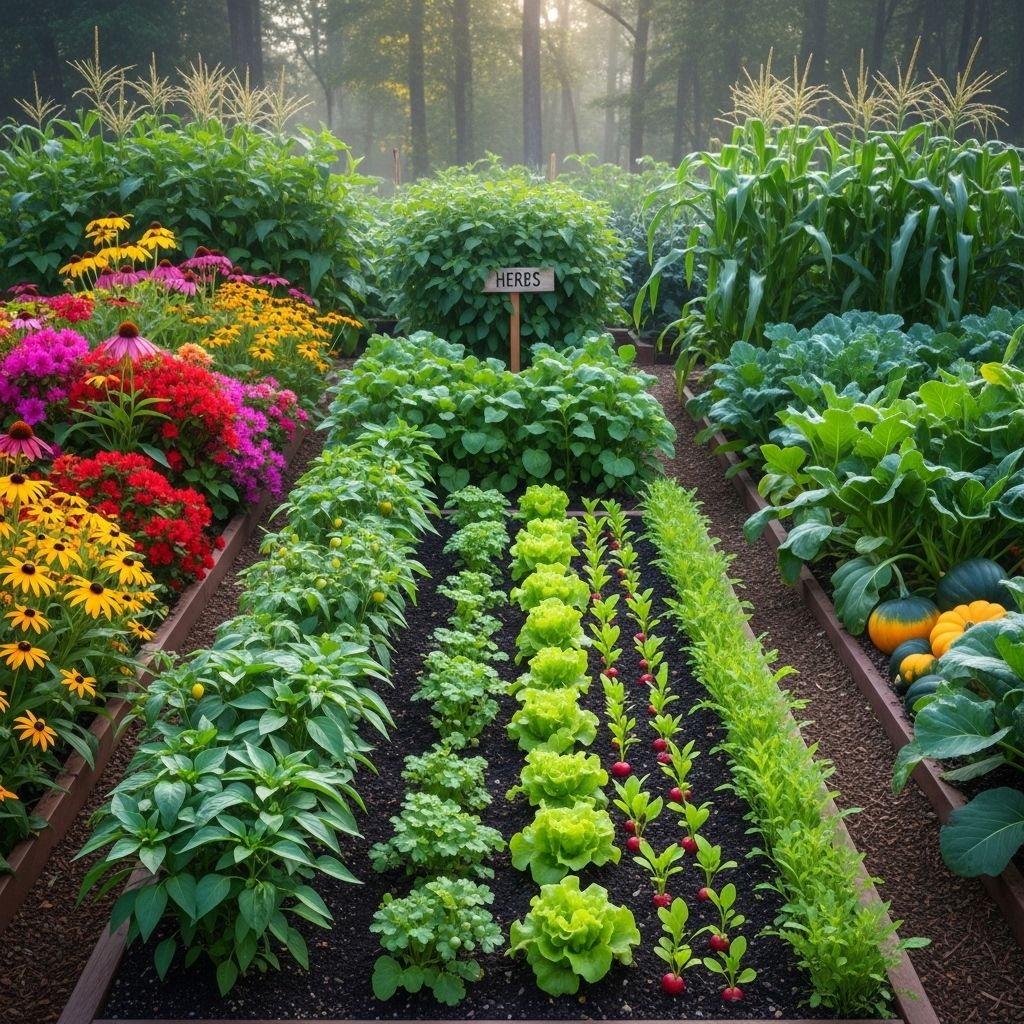
North Atlanta Planting Calendar: Month-by-Month Guide
North Atlanta, situated in USDA hardiness zones 7b/8a, enjoys a long growing season spanning roughly 205–231 frost-free days annually. Success in home gardening depends on timing—the right planting windows for seeds and transplants, as well as ongoing maintenance, harvesting, and preparation. This guide provides a detailed monthly breakdown for vegetable, flower, and herb planting in North Atlanta, including maintenance and tips to help your garden thrive year-round.
Key Frost Dates for Atlanta
| Last Spring Frost | First Autumn Frost | Growing Days |
|---|---|---|
| April 10 | October 25 | ~205 |
*Frost dates vary; monitor local forecasts for precise timing, especially during early spring and late fall.
Annual Planting Calendar for North Atlanta
January
- Perform garden maintenance and planning.
- Start seeds indoors for leafy greens, broccoli, cabbage, radishes, and turnips, if mild weather persists.
- Add winter color with flowers like pansies and English daisies.
February
- Plant sweet peas and winter daphne for spring blooms.
- Direct sow English peas, onions, and garlic.
- Continue garden bed preparation; amend soil and plan for spring planting.
March
- Sow beets, cauliflower, radishes, turnips outdoors.
- Prune, aerate, and fertilize lawns for a strong start to the growing season.
- Monitor soil conditions; ensure drainage and adequate nutrients.
April
- Plant tomatoes and peppers as soil warms.
- Direct sow spring flowers—zinnias, cosmos.
- Plant dahlias and gladiolus for summer blooms.
May
- Plant summer annuals: begonias, petunias for vibrant beds.
- Plant herbs: rosemary, basil, oregano, dill.
- Direct sow vegetables: beans, peas, squash.
- Monitor pest activity; begin mulch application for moisture control.
June
- Harvest early crops—enjoy fresh vegetables and flowers.
- Maintain mulching; water deeply (at least 1 inch weekly).
- Check for diseases (e.g., brown patch on lawns, fungal leaf spots).
July
- Continue harvesting summer crops.
- Prepare for fall gardening: start brassica seeds (collards, kale, broccoli, cauliflower, cabbage) indoors or in shaded outdoor beds.
- Consider planting Bermuda and Zoysia sod for bare lawn spots.
- Prune and weed regularly; monitor hydration during hot weather.
August
- Direct sow snap beans, Irish potatoes by August 15.
- Plant cucumbers, squash by August 31, choosing varieties resistant to downy mildew.
- Prepare soil for September–October cool season crops. Fertilize, level rows, and water soil prior to planting to aid germination.
- Start fall-flowering bulbs: sternbergia, autumn crocus.
September
- Transplant or direct sow beets, broccoli, cabbage, carrots, collards, lettuce, mustard, onions, radishes, spinach, turnips.
- Second sowing for collards, turnips, cabbage, mustard, kale.
- Install or refurbish mulch to control weeds; add leaves and other compostables.
- Plant shrubs and trees—autumn conditions aid root establishment.
October
- Continue planting/transplanting cool-weather crops.
- Prepare and plant spring flower bulbs—tulips, daffodils, hyacinths.
- Plant pansies; space eight inches apart for winter color.
- Aerate and overseed Fescue lawns.
- Water new transplants well during dry spells.
November
- Finish spring bulb planting—especially tulips and daffodils.
- Continue planting shrubs, trees, and perennials.
- Harvest herbs; dry in a cool, dry area for winter storage.
- Harvest any mature green peppers and tomatoes before first frost.
December
- Water any newly established shrubs and trees.
- Protect tender plants; bring indoors as needed.
- Plant woody vines such as Carolina jessamine, wisteria for winter interest.
Signature Crops and Seasonal Planting Table
| Crop | Spring Plant | Fall Plant | Notes |
|---|---|---|---|
| Tomatoes | Apr–May | Not advised | Start seeds indoors, plant after frost. |
| Peppers | Apr–May | Not advised | Transplant seedlings after last frost. |
| Beans | May–Jun | Aug (by 15th) | Direct sow in warm soil. |
| Potatoes | Feb–Mar | Aug (by 15th) | Use sprouted seed potatoes. |
| Broccoli | Mar–Apr | Sep–Oct | Transplant for fall; start seeds in July–Aug. |
| Cabbage | Mar–Apr | Sep–Oct | Needs cool weather for best yield. |
| Squash | May–Jun | Aug (by 31st) | Plant disease-resistant varieties. |
| Carrots | Mar–Apr | Sep–Oct | Direct sow; likes cool soil. |
General Tips for Success in North Atlanta Gardens
- Check frost dates and count back from the expected first frost to determine last possible planting dates for sensitive crops.
- Amend soil prior to planting; test for pH and nutrients to optimize conditions.
- Mulch year-round to conserve moisture, suppress weeds, and moderate soil temperature.
- Compost actively by adding leaves, grass clippings, kitchen scraps (avoid meats/fats).
- Water deeply during dry periods, especially for new transplants and seedlings.
- Rotate crops to minimize pest and disease buildup.
- Monitor for pests and diseases; use integrated pest management and select resistant varieties when possible.
- Harvest on time—this encourages continued production and avoids losses to frost or over-ripening.
Frequently Asked Questions (FAQs)
Q: When is the best time to start a vegetable garden in North Atlanta?
A: Start garden planning and maintenance in January and February. Sow seeds or transplants outdoors after the last frost (usually mid-April), and begin fall crops as summer wanes (August–September).
Q: How can I prevent frost damage to my crops?
A: Monitor local frost forecasts and be ready to harvest sensitive produce before the first frost. Use row covers or bring tender container plants inside as needed.
Q: What vegetables are easiest to grow for beginners?
A: Leafy greens, beans, squash, radishes, and herbs like basil and dill are easy to grow and yield well in North Atlanta.
Q: How often should I water my garden?
A: Water at least 1 inch per week, more during hot, dry periods or if soil is sandy. Water deeply rather than frequently for strong root development.
Q: Is composting essential for Atlanta gardens?
A: Yes, compost improves soil structure, fertility, and moisture retention, and is recommended throughout the year for all Atlanta garden types.
Seasonal Maintenance Checklist
- Prune shrubs and clean debris during winter.
- Aerate and fertilize lawns in spring and fall.
- Mulch beds during summer to retain moisture.
- Check for weeds and pests regularly year-round.
- Prepare compost heaps in fall for spring use.
- Bring in tropical and tender plants before frost.
Additional Resources
- Contact your local Cooperative Extension office for specific cultivar suggestions and soil testing.
- Consult regional planting charts for exact timing and crop selection suitable to Atlanta’s microclimates.
- Use online moon phase planting calendars for traditional gardening methods.
Similar Articles


Read full bio of Sneha Tete