November Birthstones: Topaz and Citrine – Color, History, and Symbolism
Discover the captivating colors, rich history, and deep meanings behind November's birthstones—topaz and citrine.
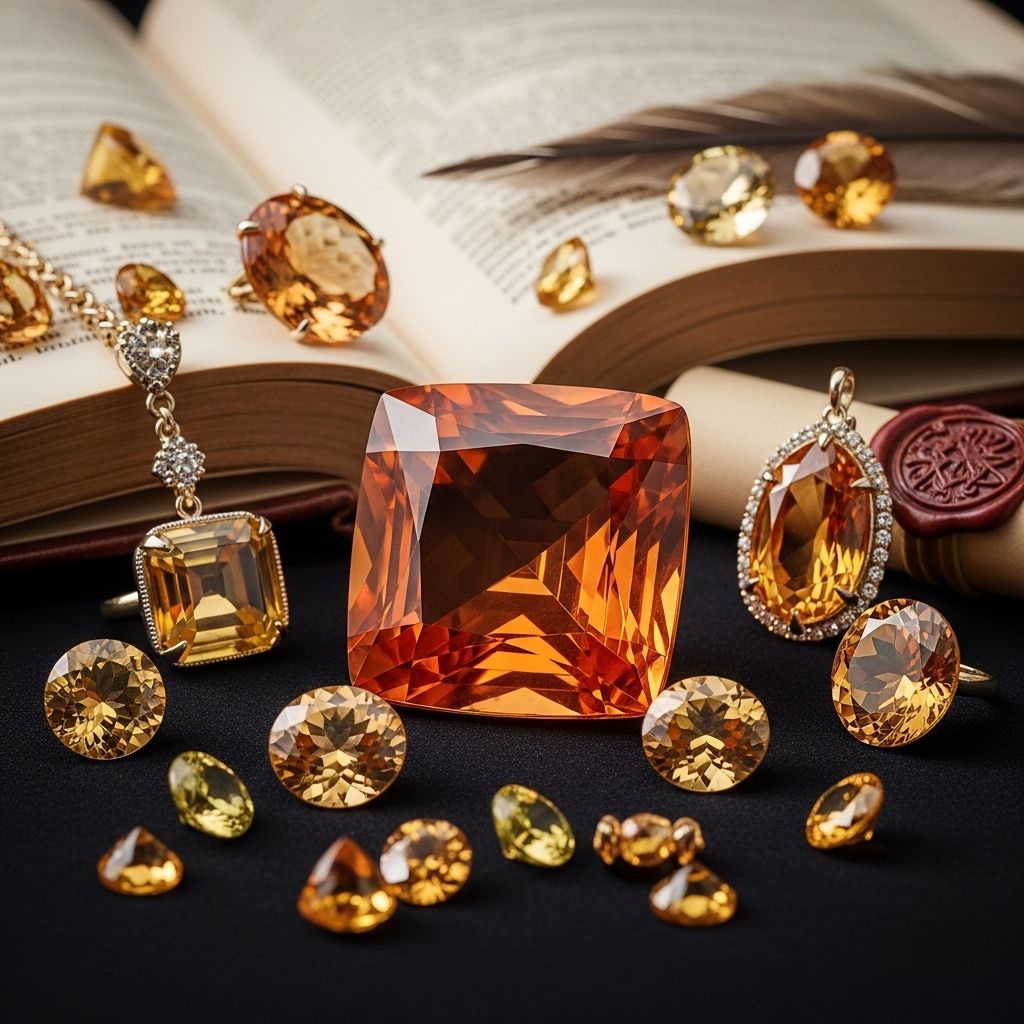
Each month carries a special gemstone, but few months offer as much golden radiance and rich heritage as November. Those born in November can lay claim to two dazzling birthstones: topaz and citrine. Both are renowned not just for their spectacular hues—from the glowing warmth of golden citrine to the kaleidoscopic brilliance of topaz—but also for their deep cultural symbolism, fascinating history, and enduring popularity. Whether you’re seeking to learn about the jewelry you wear, searching for the perfect birthday gift, or just intrigued by gemstone lore, this detailed guide explores the colors, origins, folklore, and care tips for November’s iconic stones.
Overview: November’s Twin Birthstones
Topaz and citrine share the spotlight as birthstones for November, with each gemstone valued for its beauty and its unique array of meanings and associations.
- Topaz: Renowned for its exceptional range of colors—including golden yellow, blue, pink, orange, and more—topaz has been prized since antiquity for its power and beauty.
- Citrine: Loved for its sunny, translucent hues of yellow and orange, citrine is often called the “Merchant’s Stone” and is linked with prosperity, positivity, and healing.
Topaz Birthstone: Meaning & History
The story of topaz extends back through millennia, with ancient civilizations, royal courts, and modern gem collectors each attributing their own symbolism and significance to this illustrious stone.
Etymology and Origins
The name “topaz” is believed to come either from the Sanskrit word tapas, meaning “fire,” or from the Greek island Topazios (now called Zabargad), known in antiquity for its gemstone riches.
- Ancient Greeks wore topaz as a charm for strength and to make the wearer invisible in times of danger.
- Egyptians prized topaz for its sunny brilliance, connecting it to Ra, the Sun God, as a symbol of his life-giving power.
- In Renaissance Europe, it was thought to dispel anger and break magic spells.
- In Indian culture, topaz worn above the heart is believed to guarantee long life, wisdom, and beauty.
Imperial Topaz
Particularly prized is the rare and aristocratic Imperial Topaz, a pinkish-orange variety once reserved for the Russian royal family. During the 19th century, Imperial Topaz mined in the Ural Mountains was so esteemed that only czars and royalty could own it. Today, Brazil produces most of the world’s Imperial Topaz, often celebrating the gem’s connections to both power and exclusivity.
Topaz in Love and Friendship
Across history, topaz has come to symbolize love, friendship, and emotional clarity. Some cultures believe it encourages honesty, generosity, and open communication—making it a cherished gift between partners or close friends.
Citrine Birthstone: Meaning & Folklore
Citrine, a variety of quartz, earned its place as November’s secondary birthstone in the modern era due to its similar looks to topaz, its accessibility, and its own unique set of myths and legends.
- Merchant’s Stone: Citrine’s reputation as the “Merchant’s Stone” stems from its association with attracting wealth and prosperity. Shopkeepers would keep citrine close to their registers for good fortune.
- Healing and Abundance: Across cultures, citrine has been thought to transform negative energy into positive, bring happiness and light, and promote clarity of mind and creativity.
- With its sun-like color, citrine is often linked to warmth, vitality, and new beginnings.
November Birthstone Colors: A Spectrum of Fire and Sunshine
The breathtaking colors of topaz and citrine make November’s birthstones some of the most visually captivating in the gemstone world.
Topaz: Rainbow Brilliance
- Most commonly associated with a rich golden-yellow (sometimes confused with citrine).
- Other natural shades include colorless, light blue, orange, pink, violet, brown, green, and rarely red.
- Imperial Topaz: Pinkish-orange or reddish gold, considered the most valuable and sought-after type.
- Mystic Topaz: Colorless topaz coated to create a rainbow effect, showcasing blues, greens, and purples.
- Blue topaz is especially popular today, though most blue topaz on the market is treated with heat and irradiation to enhance its color.
Citrine: Warmth and Glow
- Ranges from pale yellow to deep reddish-orange.
- Most common shades: lemony yellow, honey gold, and orange brown.
- Naturally occurring citrine is rare; most commercial citrine is created by heating amethyst or smoky quartz.
- The cheerful hue of citrine is reminiscent of autumn leaves and sun, adding to its appeal for November celebrations.
| Gemstone | Common Colors | Most Valuable |
|---|---|---|
| Topaz | Colorless, yellow, blue, orange, pink, red, brown, green, violet | Imperial Topaz (pinkish-orange) |
| Citrine | Pale yellow, honey yellow, orange, reddish-orange | Deep reddish-orange, vivid gold |
The Tradition of Birthstones: November’s Place
The idea of birthstones stretches back to ancient times, with each gem believed to offer unique protections and gifts to its wearer. The modern assignment of stones to months was solidified in 1912 by the American National Retail Jewelers Association. Topaz was chosen as the primary birthstone for November due to its popularity, dazzling appearance, and perceived healing powers. Citrine was later added as a more affordable and equally attractive alternative.
- Having two official birthstones means there is a wider range of choices to fit different tastes, colors, and budgets.
Meaning, Symbolism, and Healing Properties
Topaz Symbolism
- Love, affection, and friendship: Topaz is traditionally a stone of deep, enduring bonds.
- Strength and wisdom: Cultures from Greece to India attribute mental and physical fortitude to its wearer.
- Protection: Ancient civilizations wore topaz to shield against harm, envy, and sudden death.
- Joy and generosity: The gem is said to inspire good health, kindness, and joyful living.
Citrine Symbolism
- Success and abundance: Citrine is considered a magnet for prosperity, especially in commerce.
- Energy transformation: Believed to disperse negativity and prevent sadness, bringing optimism and creativity to mind and spirit.
- Healing and vitality: Linked to wellness, increased energy, and emotional well-being.
Mythology and Facts
- According to Greek legend, topaz could bestow invisibility in perilous times and fortify the wearer against harm, especially during emergencies.
- Citrine was valued in medieval times for combating evil thoughts and snake venom.
- Topaz is gifted as a gemstone for the 4th wedding anniversary (blue topaz) and the 23rd anniversary (imperial topaz).
Physical Properties and Care Guide
Understanding the characteristics of your birthstone ensures you can cherish its beauty for generations.
Topaz
- Mohs Hardness: 8 (durable enough for daily wear but can be brittle and chip on impact).
- Care Tips:
- Clean with mild soap and warm water using a soft brush.
- Avoid ultrasonic cleaners and steam cleaning, as topaz is sensitive to sudden temperature changes.
- Store separately from harder stones to prevent scratches.
- Remove jewelry before rigorous activity.
Citrine
- Mohs Hardness: 7 (fairly durable but softer than topaz).
- Care Tips:
- Clean with soap and warm water, avoiding harsh chemicals.
- Avoid prolonged exposure to sunlight, which may fade its color.
- Store in a pouch or jewelry box to minimize scratches.
Major Sources and Mining Locations
- Topaz is sourced from Brazil (the largest producer), Nigeria, Sri Lanka, Russia, Pakistan, and the United States.
- Citrine is primarily found in Brazil, with additional sources in Spain, Madagascar, and Russia.
Topaz and Citrine in Jewelry
The versatile color palette and durability of topaz and citrine have made them highly prized choices for both modern and classic jewelry designs. From engagement rings to earrings and pendants, these stones offer:
- Affordability: Especially true for citrine and common varieties of topaz.
- Elegant Statement: Their warm hues complement most metals including yellow gold, white gold, and sterling silver.
- Symbolic Gifts: Being associated with friendship, love, and prosperity, pieces featuring these stones make meaningful birthday, anniversary, and holiday gifts.
Quick Comparison: Topaz vs. Citrine
| Feature | Topaz | Citrine |
|---|---|---|
| Color Range | Colorless, yellow, blue, pink, orange, red, brown, green | Pale yellow to orange-red |
| Symbolism | Love, strength, wisdom, friendship | Success, energy, wealth, healing |
| Mohs Hardness | 8 | 7 |
| Major Sources | Brazil, Nigeria, Sri Lanka | Brazil, Spain, Madagascar |
| Traditional Uses | Anniversaries, amulets, royal insignia | Feng Shui, prosperity charms |
Frequently Asked Questions (FAQs)
What is the primary birthstone for November?
The primary birthstone for November is topaz, especially the golden or Imperial variety. Citrine is also officially recognized as a November gemstone.
How can I tell the difference between topaz and citrine?
Though both stones can appear similar in color, topaz tends to be denser, heavier, and comes in a far wider range of colors—including blue and pink. Citrine’s hues are limited mostly to yellow and orange tones, and it is a variety of quartz.
Are topaz and citrine suitable for everyday jewelry?
Yes, both stones are considered durable, but care should be taken to avoid hard impacts. Topaz is harder (Mohs hardness 8) but can be prone to chipping; citrine is slightly softer (Mohs 7) and should be protected from scratches and exposure to harsh chemicals.
Do topaz and citrine have healing properties?
Both stones have been attributed metaphysical characteristics for centuries. Topaz is believed to bring strength and clarity, while citrine is considered a stone of happiness, abundance, and mental clarity.
Can I use ultrasonic or steam cleaners on topaz or citrine jewelry?
It is safest to avoid ultrasonic and steam cleaning for both stones, as they can be sensitive to heat and internal fractures. Warm water, mild soap, and a soft brush are recommended.
Which jewelry metals go best with topaz and citrine?
Both stones pair beautifully with yellow gold, which enhances their warm tones, but also create striking contrasts in white gold or sterling silver settings.
Final Thoughts
November birthstones embody both the essence of autumn and centuries of human fascination. Whether chosen for their beauty, lore, or symbolic gifts, topaz and citrine continue to shine as meaningful gemstones for November’s celebrants and anyone drawn to their shimmering hues.
Similar Articles




Read full bio of Sneha Tete