Orchid Bud Blast: Why Buds Fall Off & How to Prevent It
Learn why your orchid buds are falling off and discover proven solutions to prevent bud blast and encourage healthy blooming.
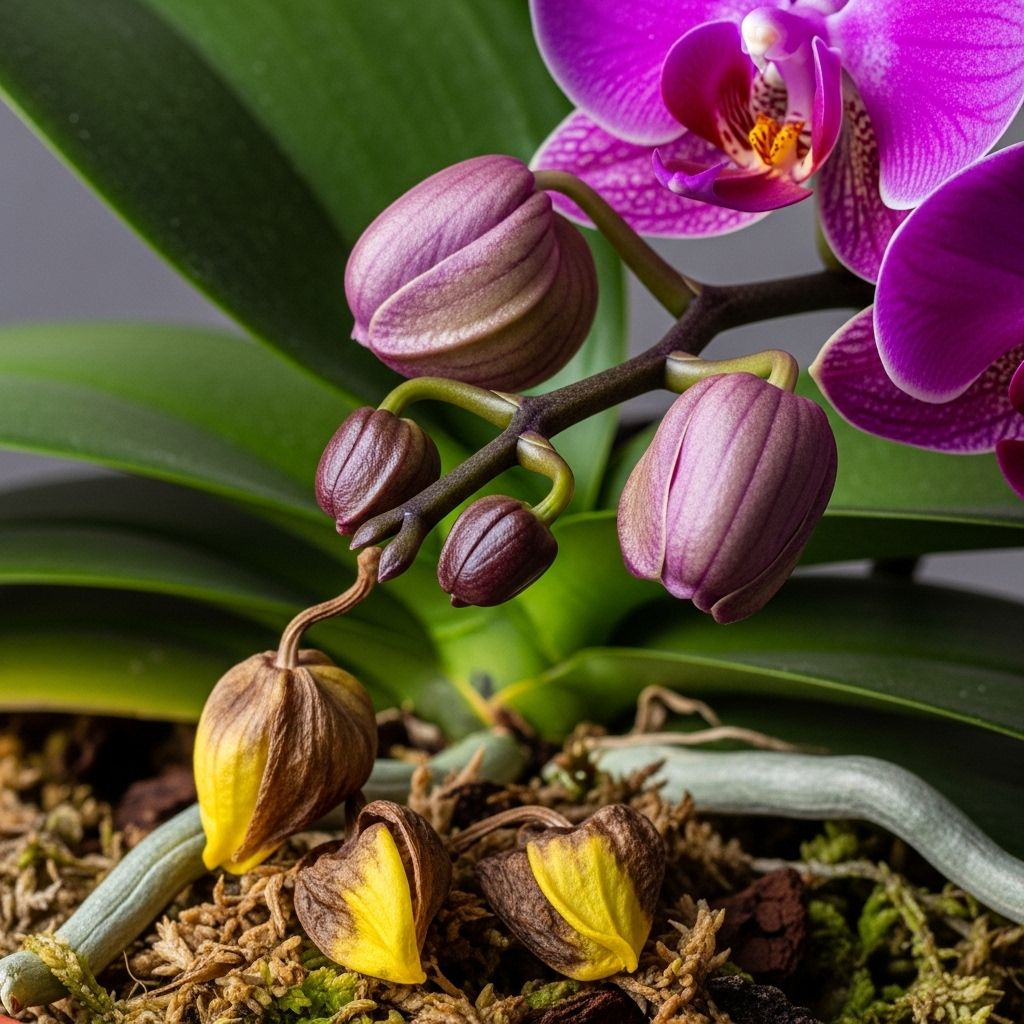
Orchids are among the most elegant and sought-after houseplants, prized for their stunning blooms and exotic appearance. However, many orchid enthusiasts encounter a frustrating phenomenon known as orchid bud blast, where buds fall off before they have a chance to open and display their magnificent flowers. This stress response can leave growers disappointed and wondering what went wrong in their care routine.
Understanding why orchid buds fall off is essential for anyone who wants to enjoy the full beauty of these remarkable plants. When orchids experience environmental stress or improper care conditions, they activate a defense mechanism that causes buds to drop, allowing the plant to redirect its energy toward survival rather than flowering. While this can be disheartening, the good news is that orchid bud blast is usually preventable once you identify and address the underlying causes.
Most orchids are native to warm, humid tropical environments where they grow as epiphytes on trees, absorbing moisture and nutrients from the air and rain. Replicating these conditions in your home is key to preventing bud blast and ensuring your orchids thrive. By understanding the specific needs of your orchid variety and making appropriate adjustments to your care routine, you can minimize stress and maximize blooming potential.
Understanding Orchid Bud Blast
Orchid bud blast refers to the premature dropping of flower buds before they have opened. This condition is different from natural flower drop, which occurs after blooms have fully matured and completed their lifecycle. When bud blast occurs, the buds may shrivel, turn yellow or brown, and fall off while still tightly closed, depriving you of the spectacular display you were anticipating.
This phenomenon represents the orchid’s survival instinct kicking in when it perceives unfavorable conditions. Rather than expending precious energy on reproduction and flowering, the plant chooses to preserve resources for maintaining its stems, foliage, and root system. While this mechanism helps the orchid survive challenging circumstances, it prevents you from enjoying the flowers that make these plants so desirable.
Bud blast can affect all types of orchids, though some varieties are more susceptible than others. Phalaenopsis orchids, commonly known as moth orchids, are particularly prone to this condition due to their sensitivity to environmental changes. Understanding the specific requirements of your orchid species is crucial for preventing bud blast and promoting healthy flowering cycles.
Temperature Fluctuations and Thermal Stress
Temperature-related issues rank among the most common causes of orchid bud blast. While orchids do require temperature variations to trigger reblooming, these changes must occur gradually and within acceptable ranges. A temperature difference of approximately 10 to 15 degrees Fahrenheit between day and night is ideal for encouraging flower spike development, but sudden dramatic shifts can shock the plant and cause buds to drop.
Drafts from air conditioning units, heating vents, or open windows can create localized cold or hot spots that stress orchids. Even something as innocuous as opening an oven door near your plant can release a blast of hot air sufficient to trigger bud blast. Similarly, placing orchids near exterior doors in climates with extreme temperatures exposes them to cold drafts every time the door opens, potentially causing buds to fall.
Different orchid varieties have distinct temperature preferences based on their natural habitats. Warm-growing orchids thrive in temperatures between 70 and 85 degrees Fahrenheit during the day, while cool-growing species prefer ranges of 60 to 70 degrees. Intermediate orchids fall somewhere in between. Researching your specific variety’s temperature requirements and maintaining consistent conditions within those ranges will significantly reduce the risk of bud blast.
When transitioning orchids from outdoor to indoor environments or vice versa, do so gradually to allow the plant time to acclimate. Bringing plants inside after a summer outdoors should be done slowly over several days, introducing them to indoor conditions for progressively longer periods. This gradual adjustment helps prevent the shock that can trigger bud drop. Ideally, move orchids to new locations only after they have finished blooming to minimize stress during the critical flowering period.
Watering Issues: Finding the Perfect Balance
Proper watering technique is absolutely critical for preventing orchid bud blast. Both overwatering and underwatering can cause buds to drop, making it essential to understand your orchid’s specific moisture needs. The challenge lies in finding the sweet spot between keeping the plant adequately hydrated and avoiding the waterlogged conditions that orchids despise.
Underwatering causes orchid buds to dry up before falling off, as the stressed plant draws moisture from developing buds to support more vital functions. When water is scarce, the orchid prioritizes survival over reproduction, sacrificing its flowers to maintain healthy roots and foliage. Signs of underwatering include shriveled pseudobulbs, wrinkled leaves, and dry, brittle roots that appear silvery-white rather than green.
Overwatering presents an even greater danger to orchids. These plants evolved to grow on trees where their roots are exposed to air and rain drains away quickly. When forced to sit in standing water, orchid roots suffocate and begin to rot, compromising the plant’s ability to absorb water and nutrients. This damage often manifests as yellowing buds that eventually drop, along with other symptoms like blackened roots and yellowing leaves. Crown rot, a serious condition that can kill the entire plant, may also develop from excessive moisture.
Most orchids require watering approximately once per week, though this frequency can vary based on factors like potting medium, pot size, humidity levels, and seasonal changes. The most reliable way to determine when your orchid needs water is to check the potting medium by inserting your finger about an inch deep. If the medium feels dry at this depth, it’s time to water. The medium should be allowed to dry out somewhat between waterings, but not to the point where it becomes bone dry.
Water temperature also matters. Using water that is too cold or too hot can shock the plant and trigger bud blast. Room-temperature water is ideal, as it won’t stress the orchid’s delicate root system. When watering, thoroughly drench the potting medium and allow excess water to drain completely. Never let your orchid sit in a saucer of standing water, as this creates the soggy conditions that lead to root rot and bud drop.
Humidity Requirements for Healthy Bud Development
Humidity plays a vital role in orchid health and bud development. In their native tropical environments, orchids absorb significant amounts of moisture from the humid air around them. Low humidity in typical home environments can cause dehydration stress that leads to bud blast, particularly during winter months when heating systems dry out indoor air.
Most orchids thrive with humidity levels between 40 and 70 percent, though specific requirements vary by species. When humidity drops below these levels, orchids may struggle to maintain adequate hydration even with proper watering, as they lose moisture through their leaves faster than their roots can absorb it. This chronic dehydration can cause buds to dry out and fall off before opening.
Several methods can increase humidity around your orchids. Using a humidifier near your plants provides consistent moisture in the air and works well for larger collections. Misting orchids daily with room-temperature water can temporarily boost humidity, though this method requires consistency and doesn’t provide long-lasting benefits. A more effective passive approach involves placing orchids on humidity trays filled with pebbles and water, ensuring the pot sits above the waterline rather than in it. As water evaporates from the tray, it creates a more humid microclimate around the plant.
Grouping orchids together also helps maintain higher humidity, as plants naturally release moisture through transpiration. This collective effect creates a more favorable environment for all the plants in the group. Regardless of which method you choose, monitoring humidity levels with a hygrometer ensures you’re providing optimal conditions for bud development and preventing dehydration-related bud blast.
Environmental Pollutants and Chemical Sensitivity
Orchids are remarkably sensitive to airborne pollutants and chemicals, which can trigger bud blast even when other care conditions are perfect. Many common household products and environmental factors release compounds that orchids find intolerable, causing their buds to drop as a protective response.
Ethylene gas represents one of the most significant threats to orchid buds. This naturally occurring plant hormone is released by ripening fruits, particularly apples, bananas, and tomatoes. Even small amounts of ethylene can cause orchid buds to yellow and fall prematurely. For this reason, never place your orchids near a fruit bowl or ripening produce. Interestingly, methane gas released by some flowering plants can have similar effects, so be cautious about placing orchids too close to other blooming specimens.
Artificial pollutants pose equally serious risks. Paint fumes, chemical cleaning products, air fresheners, perfumes, and cigarette smoke all contain compounds that can damage orchid buds. Gas leaks from stoves or heating systems release harmful fumes that trigger bud blast. Pesticides, fungicides, and herbicides used indoors or drifting in from nearby outdoor applications can devastate orchids, causing not only bud drop but potentially harming the entire plant.
When transporting orchids home from a nursery or store, protect them from vehicle exhaust fumes by placing them inside the passenger compartment rather than the trunk. Set your car’s ventilation system to recirculate rather than drawing in outside air, which may contain pollutants. At home, keep orchids away from kitchens where cooking releases various gases, and avoid using aerosol products or strong chemicals near your plants.
If you must use cleaning products or paint in areas where orchids are located, move the plants temporarily to a well-ventilated space away from the fumes. Allow the area to air out completely before returning your orchids. This extra precaution can prevent the disappointment of losing a spike full of developing buds to chemical exposure.
Lighting Requirements and Photosynthesis
Adequate light is essential for orchids to maintain healthy growth and support bud development. Insufficient lighting can cause buds to drop because the plant lacks the energy from photosynthesis needed to sustain flowering. However, too much direct sunlight can also stress orchids, particularly those varieties that evolved in shaded forest understories.
Most common orchid varieties, including Phalaenopsis, prefer bright indirect light. They need enough illumination to photosynthesize efficiently but not so much that their leaves burn or overheat. East-facing windows typically provide ideal conditions, offering gentle morning sun without the intensity of afternoon rays. South-facing windows can work if filtered by sheer curtains or located several feet back from the glass.
Signs of insufficient light include dark green leaves, weak growth, and the failure of buds to develop properly before dropping. Conversely, too much light causes leaves to turn yellowish or develop brown scorched patches. If you suspect lighting issues are causing bud blast, try relocating your orchid to a brighter or shadier spot as needed. Make this adjustment gradually, moving the plant a bit each day to prevent additional stress from sudden light changes.
Artificial lighting can supplement natural light, particularly during winter months when daylight hours are short. LED grow lights designed for orchids provide appropriate spectrums for photosynthesis without generating excessive heat that could damage buds. Position artificial lights according to manufacturer recommendations, typically 12 to 14 hours per day for most orchid species.
Stress from Relocation and Environmental Changes
Orchids are creatures of habit that prefer stable environments. Moving an orchid to a new location, even within the same home, can stress the plant enough to cause bud blast. This sensitivity to change explains why newly purchased orchids often drop their buds shortly after arriving home, despite receiving excellent care in their new environment.
When you bring a new orchid home from a nursery or store, it has just experienced significant changes in light levels, temperature, humidity, and air circulation. Even if your home provides ideal conditions, the transition itself represents a stressful event for the plant. Some bud drop in newly acquired orchids is nearly inevitable and shouldn’t be taken as a sign of poor care. The plant simply needs time to adjust to its new surroundings.
To minimize relocation stress, research the conditions your orchid experienced at the nursery and try to match them as closely as possible initially. Gradually acclimate the plant to its permanent location over several days or weeks. Avoid moving orchids during their blooming period whenever possible, as this is when they’re most sensitive to environmental changes. If you must relocate a blooming orchid, do so carefully and maintain as much consistency in conditions as you can.
Once your orchid has settled into a location where it’s thriving, resist the temptation to move it around. While it might be nice to display a blooming orchid in various rooms, frequent relocation can stress the plant and cause bud drop. Choose a spot that meets your orchid’s needs and let it stay there throughout its blooming cycle.
Root Health and Overall Plant Vigor
The health of an orchid’s root system directly impacts its ability to support developing buds. Orchids with compromised roots, whether from rot, dehydration, or physical damage, often drop their buds because they lack the resources to sustain flowering. A plant struggling to survive will always prioritize maintaining its basic structure over producing flowers.
Healthy orchid roots appear firm and plump, with growing tips that are bright green or reddish. Depending on moisture levels, roots may be green when wet or silvery-gray when dry. Unhealthy roots are mushy, blackened, or dry and shriveled. If you notice signs of root problems, addressing them takes priority over attempting to save buds, which will likely drop anyway while the plant recovers.
Root rot from overwatering is the most common root problem in orchids. If caught early, you can sometimes save the plant by removing it from its pot, cutting away all dead and rotting roots with sterilized scissors, and repotting in fresh orchid medium. However, recovery from root rot takes time, and the plant will likely shed its buds while redirecting energy to growing new roots.
Conversely, severe underwatering can cause roots to dry out and die, similarly compromising the plant’s ability to support buds. Rehydrating a severely dehydrated orchid requires patience and gradual watering increases to avoid shocking the plant further. Again, bud loss during recovery is normal and expected.
Pest Infestations Affecting Bud Development
While less common than environmental causes, pest infestations can definitely contribute to orchid bud blast. Sap-sucking insects like aphids, mealybugs, and scale insects feed on the nutrients meant for developing buds, weakening them and potentially causing them to drop. These pests often target tender new growth, including flower spikes and buds, because the tissue is soft and easy to penetrate.
Regular inspection of your orchids helps catch pest problems early before they cause significant damage. Check the undersides of leaves, along stems, and particularly around buds and new growth for signs of insects. Mealybugs appear as white cottony masses, while aphids are small soft-bodied insects that cluster on new growth. Scale insects look like small brown or tan bumps on stems and leaves.
If you discover pests on your orchid, isolate the affected plant immediately to prevent the infestation from spreading to other specimens. For light infestations, you can remove pests manually with a cotton swab dipped in rubbing alcohol. For more severe problems, insecticidal soap or horticultural oil sprays formulated for orchids can effectively control pests without harming the plant. Avoid using harsh chemical pesticides, as these can damage orchids and potentially cause bud blast themselves.
Genetic Factors and Natural Bud Loss
Not all bud drop represents a care problem. Some orchid hybrids, particularly complex crosses involving multiple species, produce more buds than they can realistically support to maturity. In these cases, the plant may naturally shed some buds to concentrate resources on the remaining flowers. This selective bud drop is a normal phenomenon and doesn’t indicate any issue with your care routine.
Certain orchid varieties are genetically predisposed to producing abundant buds along their flower spikes, knowing that not all will open. The plant essentially hedges its bets, creating more potential flowers than it needs with the expectation that some will be lost to various stresses. If your orchid drops a few buds but opens many others successfully, this is likely just natural selection at work rather than a care problem.
Additionally, orchids sometimes produce buds at the very end of a spike that simply aren’t viable. These terminal buds may be smaller or weaker than others on the spike and drop before opening. As long as the majority of buds on the spike develop normally, losing a few terminal buds is nothing to worry about.
Preventing Orchid Bud Blast: Best Practices
Preventing orchid bud blast requires consistent care that addresses all the potential causes discussed above. Start by researching the specific requirements of your orchid variety, as different types have varying needs for temperature, light, humidity, and watering. Understanding what your particular orchid requires is the foundation of successful care.
Maintain environmental consistency as much as possible. Keep your orchid in a location with stable temperatures appropriate for its type, protect it from drafts and sudden temperature changes, and ensure it receives adequate but not excessive light. Monitor humidity levels and take steps to increase moisture in the air if necessary, particularly during dry winter months.
Develop a consistent watering routine based on checking the moisture level of the potting medium rather than following a rigid calendar schedule. Environmental factors like temperature and humidity affect how quickly orchids dry out, so flexibility based on actual conditions works better than arbitrary timing. Always use room-temperature water and ensure excellent drainage to prevent water from accumulating around roots.
Keep your orchids away from sources of ethylene gas and chemical pollutants. Position them away from fruit bowls, kitchens, and areas where cleaning products or aerosols are used regularly. When bringing new orchids home, protect them from vehicle exhaust and allow them time to acclimate to their new environment before expecting perfect performance.
Inspect your orchids regularly for signs of pests or disease, addressing problems promptly before they can cause bud blast. Maintain good root health by using appropriate potting medium and repotting when necessary, typically every one to two years for most orchids. With attentive care and environmental awareness, you can minimize bud blast and enjoy abundant, long-lasting orchid blooms.
Frequently Asked Questions
Q: Why are my orchid buds turning yellow before falling off?
A: Yellow buds typically indicate overwatering or ethylene gas exposure. Check that your orchid isn’t sitting in water and move it away from ripening fruit, which releases ethylene that causes buds to yellow and drop prematurely.
Q: Can I save an orchid bud that is starting to shrivel?
A: Once a bud begins shriveling, it will almost certainly fall off and cannot be saved. Focus instead on correcting the underlying problem to protect remaining buds and prevent future bud blast episodes.
Q: How long does it take for an orchid to recover from bud blast?
A: After bud blast, it typically takes 6 to 12 months for an orchid to produce new flower spikes, depending on the variety and growing conditions. During this recovery period, focus on providing optimal care to encourage healthy reblooming.
Q: Is it normal for new orchids to drop buds after bringing them home?
A: Yes, some bud drop is common when orchids are moved to new environments. The plant needs time to adjust to changes in light, temperature, and humidity. Minimize stress by maintaining stable conditions and avoiding further relocation during the blooming period.
Q: Should I cut off the flower spike after all the buds have dropped?
A: For Phalaenopsis orchids, you can cut the spike just above a node to potentially encourage a secondary bloom. For other orchid types, it’s generally best to allow the spike to die back naturally, then remove it once completely brown. Research your specific variety’s needs for best results.
Similar Articles





Read full bio of medha deb