Orchid Care After Blooms Drop: Complete Revival Guide
Master post-bloom orchid care for healthier plants and repeated flowering success
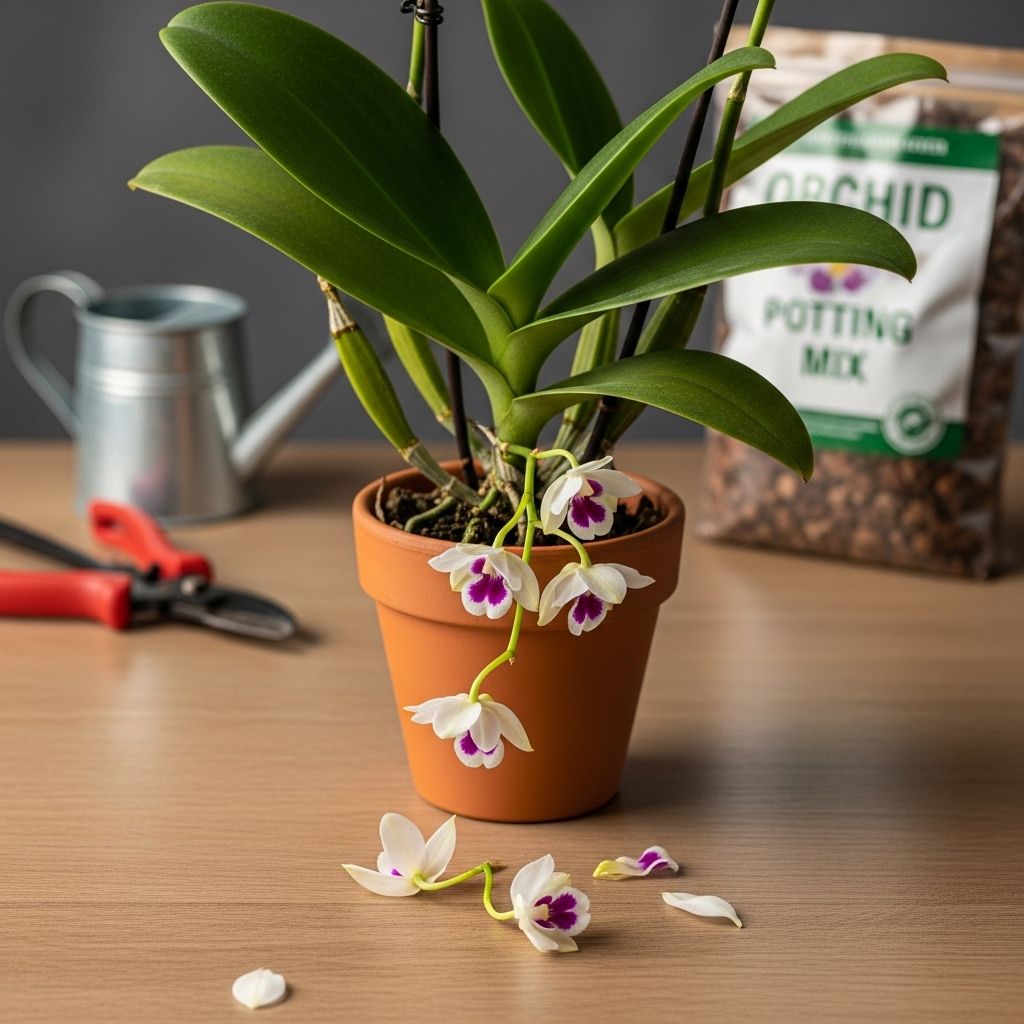
Orchids captivate us with their elegant blooms and exotic appearance, yet many gardeners find themselves uncertain about proper care once those beautiful flowers begin to fade. The period following bloom is crucial for maintaining plant health and encouraging future flowering cycles. While orchids have gained a reputation as challenging houseplants, understanding their post-bloom needs can transform your experience from frustrating to rewarding. With appropriate attention to watering, temperature, humidity, and other environmental factors, your orchid can thrive year after year, producing spectacular displays repeatedly.
The key to successful orchid cultivation lies not in the blooming period itself, but in the careful maintenance provided afterward. This recovery phase allows the plant to restore energy reserves, develop stronger root systems, and prepare for its next flowering cycle. Many growers make the mistake of neglecting their orchids once flowers fade, assuming the plant requires less attention. However, this misconception often leads to weakened plants that struggle to rebloom or may decline entirely over time.
Essential Post-Bloom Orchid Care Practices
Once your orchid’s flowers have wilted and dropped, establishing a consistent care routine becomes paramount. The plant enters a vegetative growth phase where it focuses energy on developing leaves, roots, and overall vigor rather than producing blooms. This transition period demands specific attention to several environmental and cultural factors that directly influence the plant’s ability to flower again.
Watering and Nutritional Requirements: Maintaining proper moisture levels after flowering represents one of the most critical aspects of orchid care. Consistent watering throughout active growth periods ensures the plant receives adequate hydration without becoming waterlogged. The growing medium should never completely dry out, yet it must provide sufficient drainage to prevent root rot. Bottom watering using shallow trays or saucers offers an effective method for delivering moisture while avoiding water accumulation in leaf axils where fungal problems often develop.
The frequency of watering depends on multiple factors including temperature, humidity, potting medium composition, and container type. Generally, watering once or twice weekly proves sufficient for most orchids, though individual circumstances may require adjustments. Before watering, check the medium by inserting a finger about an inch deep or lifting the pot to assess weight. Light pots indicate dry conditions requiring water, while heavy pots suggest adequate moisture remains.
Fertilization plays an equally important role in post-bloom recovery and preparation for future flowering. Orchids benefit tremendously from regular feeding with specially formulated orchid fertilizers that provide balanced nutrition. During active growth phases, applying diluted fertilizer every two to four weeks supports vigorous development. Many experienced growers follow the “weakly, weekly” approach, providing quarter-strength fertilizer with each watering to ensure consistent nutrient availability without risk of salt buildup that can damage sensitive roots.
Container and Growing Medium Maintenance: Established orchids eventually outgrow their containers or experience breakdown of potting media, necessitating repotting. This maintenance task ideally occurs after blooming concludes, during the plant’s active growth period when it can quickly establish in fresh medium. Signs indicating repotting needs include roots growing extensively outside the pot, decomposed bark or moss that remains soggy, or plants that have become unstable in their containers.
Surface roots protruding from pots are normal for many orchid species and don’t automatically signal repotting requirements. These aerial roots naturally develop as the plant grows and actually contribute to moisture and nutrient absorption. However, when roots become severely crowded or the medium has deteriorated, moving the plant to a slightly larger container with fresh mix promotes renewed vigor.
Quality orchid potting mix typically contains bark chips, coconut fiber, sphagnum moss, and perlite in various proportions. These components provide the excellent drainage and aeration that orchid roots require while retaining sufficient moisture. When repotting, handle roots gently as damage can prove fatal. Any injured roots should be trimmed with sterilized tools, and the plant should be positioned at the same depth as previously, avoiding burial of the crown where new growth emerges.
Environmental Factors Influencing Rebloom Success
Temperature Management for Flower Initiation: Temperature plays a fundamental role in triggering flower spike development in orchids. Many species require distinct temperature fluctuations between day and night to initiate blooming, mimicking seasonal changes they experience in native habitats. Understanding and replicating these conditions indoors significantly increases the likelihood of repeat flowering.
For Phalaenopsis and many other popular orchid types, exposing plants to cooler nighttime temperatures for several consecutive weeks stimulates bud formation. Ideal temperatures for triggering flower production typically range between 55 and 65 degrees Fahrenheit during this induction period. Placing orchids in locations where natural temperature drops occur, such as near windows with good air circulation or in cooler rooms, can provide this necessary stimulus without artificial intervention.
Maintaining appropriate temperature ranges throughout the year also supports overall plant health. Most orchids prefer daytime temperatures between 65 and 80 degrees Fahrenheit with nighttime drops of 10 to 15 degrees. Excessive heat can stress plants and inhibit flowering, while temperatures consistently below 50 degrees may cause cold damage to sensitive tropical species.
Humidity and Air Circulation Requirements: Proper humidity levels contribute significantly to orchid health and vitality. These plants evolved in environments with naturally high atmospheric moisture, and recreating similar conditions indoors helps them thrive. Maintaining humidity between 40 and 70 percent provides an ideal range for most orchid species, though specific requirements vary.
Several methods effectively increase humidity around orchids without creating problematic dampness. Placing pots on trays filled with pebbles and water allows evaporation to raise local humidity while keeping roots above water level. Grouping multiple plants together creates a microclimate with elevated moisture through their collective transpiration. Some growers use small humidifiers near their orchid collections, particularly in dry winter months when indoor heating reduces atmospheric moisture.
While frequent misting seems like a logical humidity solution, this practice offers only temporary moisture increases and can promote fungal diseases if water remains on leaves overnight. If misting, do so early in the day allowing foliage to dry completely before evening. Good air circulation proves essential for preventing stagnant conditions that encourage disease development while also strengthening stems and leaves through gentle movement.
Encouraging Second and Subsequent Flowering Cycles
The ultimate goal of post-bloom orchid care focuses on coaxing plants to flower repeatedly, rewarding your efforts with ongoing displays of beauty. Achieving consistent rebloom requires meeting each species’ specific cultural needs including appropriate light levels, temperature variations, and even dormancy periods for certain types. Some orchid varieties prove more amenable to repeat flowering than others, with continuous or sequential bloomers being particularly impressive.
Light exposure significantly influences flowering potential. Insufficient light represents one of the most common reasons orchids fail to rebloom despite otherwise good care. Most orchids require bright, indirect light for optimal growth and flower production. East or west-facing windows typically provide suitable conditions, while southern exposures may need sheer curtains to filter intense rays. Foliage color offers clues about light levels—dark green leaves suggest insufficient light, while yellowish or reddish tones indicate excessive exposure. Ideal foliage displays medium to light green coloration.
Monitoring new growth provides insight into your orchid’s health and readiness to bloom again. Healthy plants produce leaves equal to or larger than previous growth, indicating vigorous development. Smaller successive leaves signal declining conditions requiring attention to cultural practices. Root development also indicates plant vigor, with actively growing roots showing bright green or white tips.
Determining When to Cut Flower Stems: Deciding whether to remove spent flower spikes depends on the orchid species and spike condition. Some types produce new flowering stems from scratch, while others can rebloom from existing spikes. Phalaenopsis orchids often fall into the latter category, capable of branching from nodes on green spikes to produce secondary blooms.
If the flower spike remains green and healthy after blooms fade, it can be cut back to just above a node approximately one inch from the spike base. This trimming encourages the development of a secondary branch that may flower within weeks or months. However, forcing reblooming from old spikes can stress plants, and many growers prefer removing spikes entirely to allow full recovery before the next major flowering cycle.
When spikes turn brown or yellow, they should be removed completely by cutting near the base with sterilized tools. Dead spikes will not produce additional flowers and removing them allows the plant to redirect energy toward root and leaf development. Always use sharp, clean cutting implements to prevent tissue damage and disease transmission.
Repotting Considerations and Techniques
Orchids generally prefer somewhat crowded conditions and don’t require frequent repotting like many houseplants. Most orchids benefit from repotting every one to two years, primarily to refresh deteriorating growing medium rather than to provide more space. The post-bloom period presents an ideal time for this maintenance task as plants can quickly establish in fresh medium during active growth phases.
Signs indicating repotting needs include potting mix that has broken down into fine particles, medium that stays wet for extended periods, roots severely overflowing the container, or noticeable salt buildup on pot surfaces. When these conditions develop, carefully remove the plant from its pot, shake off old medium, and trim any damaged or rotted roots with sterilized scissors.
Select a container only slightly larger than the previous pot, as orchids grow better when somewhat pot-bound. Ensure the new container has adequate drainage holes and choose an appropriate orchid mix for your species. Position the plant so the base sits at the same level as before, gently working fresh medium around roots without packing too tightly. Water thoroughly after repotting and then reduce watering frequency slightly for several weeks while new roots establish.
Understanding Orchid Dormancy and Rest Periods
While many orchids grow and bloom continuously under ideal conditions, some species require distinct dormancy or rest periods to thrive. Understanding your specific orchid’s natural growth cycle helps provide appropriate care throughout the year. Deciduous orchids like Dendrobiums lose their leaves annually and need a dry rest period with reduced watering and no fertilization until new growth emerges.
Even evergreen orchids benefit from slight reductions in water and fertilizer after blooming, allowing them to recover from the energy expenditure of flowering. This doesn’t mean completely withholding care, but rather moderating intensity to match the plant’s reduced metabolic activity. As new growth appears, gradually increase water and fertilizer to support active development.
Observing your orchid’s growth patterns helps you provide precisely what it needs at each stage. New leaf or root growth indicates active development requiring consistent care. When growth slows or stops temporarily, reduce inputs accordingly. This attentiveness to the plant’s signals rather than rigid adherence to schedules produces the best results over time.
Common Challenges in Post-Bloom Orchid Care
Even with diligent attention, orchid growers sometimes encounter challenges during the post-bloom period. Recognizing and addressing these issues promptly prevents serious problems and keeps plants healthy. Root rot from overwatering represents one of the most common problems, identifiable by black, mushy roots and often accompanied by yellowing leaves. If detected early, affected plants can sometimes be saved by removing damaged roots, allowing the plant to dry thoroughly, and repotting in fresh, well-draining medium.
Pest infestations including scale insects, mealybugs, and spider mites occasionally affect orchids, particularly when plants are stressed or environmental conditions favor pest development. Regular inspection of leaves, particularly undersides and new growth, helps catch problems early when treatment is most effective. Insecticidal soap, neem oil, or rubbing alcohol applied with cotton swabs can eliminate most pest problems without harsh chemicals.
Failure to rebloom frustrates many orchid owners despite apparently good care. This usually results from insufficient light, lack of temperature fluctuation, or inadequate recovery time between flowering cycles. Systematically evaluating and adjusting these factors often resolves blooming problems. Some orchids naturally require longer intervals between flowering cycles, and patience proves essential when working with these species.
Species-Specific Considerations for Popular Orchids
Different orchid species have evolved in diverse habitats, resulting in varying cultural requirements for optimal growth and flowering. Phalaenopsis, the most popular beginner orchid, tolerates lower light levels than many species and doesn’t require a distinct dormancy period. These qualities make them excellent houseplants, though they still benefit from slight temperature drops at night to initiate flowering.
Cattleyas prefer brighter light conditions and may need several months between flowering cycles to build sufficient energy reserves. These plants often have distinct growing and resting seasons, with cultural adjustments needed as the plant transitions between phases. Oncidiums and Dendrobiums each have unique requirements, with some Dendrobium types needing pronounced dry rest periods while Oncidiums generally prefer consistent moisture year-round.
Researching your specific orchid’s native habitat and growth patterns provides valuable insights into its cultural needs. Mimicking natural conditions as closely as possible within your home environment maximizes the likelihood of vigorous growth and reliable flowering. Joining orchid societies or online communities connects you with experienced growers who can offer species-specific advice and troubleshooting help.
Frequently Asked Questions
Q: Can orchids bloom continuously throughout the year?
A: With proper care and ideal conditions, orchids with especially long bloom cycles can flower for extended periods. However, most orchids require rest periods either through partial or full dormancy to maintain long-term health and vigor. Even orchids that can bloom repeatedly benefit from recovery time between flowering cycles to replenish energy reserves and develop strong root systems.
Q: Should I cut the stem completely after my orchid finishes blooming?
A: The decision to cut orchid stems depends on the species and spike condition. If the stem remains green and healthy, some orchids like Phalaenopsis can produce secondary blooms from nodes on the existing spike when cut back partially. However, if the spike turns brown or yellow, it should be removed completely near the base. Allowing the plant to focus energy on root and leaf development rather than forcing reblooming from old spikes often produces stronger plants and better subsequent flowering.
Q: How long does it take for an orchid to bloom again after flowers drop?
A: The time between flowering cycles varies significantly depending on orchid species, growing conditions, and plant health. Phalaenopsis orchids may rebloom within two to three months under ideal conditions, particularly if producing secondary spikes from existing stems. Other species may require six months to a year between major flowering cycles. Proper post-bloom care including appropriate light, temperature fluctuations, and consistent watering and fertilization significantly influences reblooming timing.
Q: Do I need to fertilize my orchid after blooming ends?
A: Yes, continued fertilization after blooming remains important for orchid health and future flowering. While you may slightly reduce fertilizer frequency during rest periods, providing balanced nutrition supports root development, leaf growth, and energy storage necessary for subsequent bloom cycles. Use orchid-specific fertilizers at appropriate dilutions, typically applying every two to four weeks during active growth or using the “weakly, weekly” approach with quarter-strength solution at each watering.
Q: Why are my orchid’s leaves turning yellow after blooming?
A: Yellowing leaves after blooming can indicate several issues. A single older leaf turning yellow and dropping is normal as orchids periodically shed older foliage. However, multiple yellowing leaves suggest problems such as overwatering causing root rot, inadequate light, temperature stress, or nutrient deficiencies. Examine the roots for black, mushy areas indicating rot, assess light levels and watering frequency, and ensure the plant receives appropriate fertilization. Adjusting these factors usually resolves yellowing problems if addressed promptly.
Similar Articles





Read full bio of medha deb