Why Are My Orchid Leaves Turning Yellow? Causes and Cures
Discover the key reasons your orchid leaves turn yellow and learn how to restore vibrant, healthy foliage.
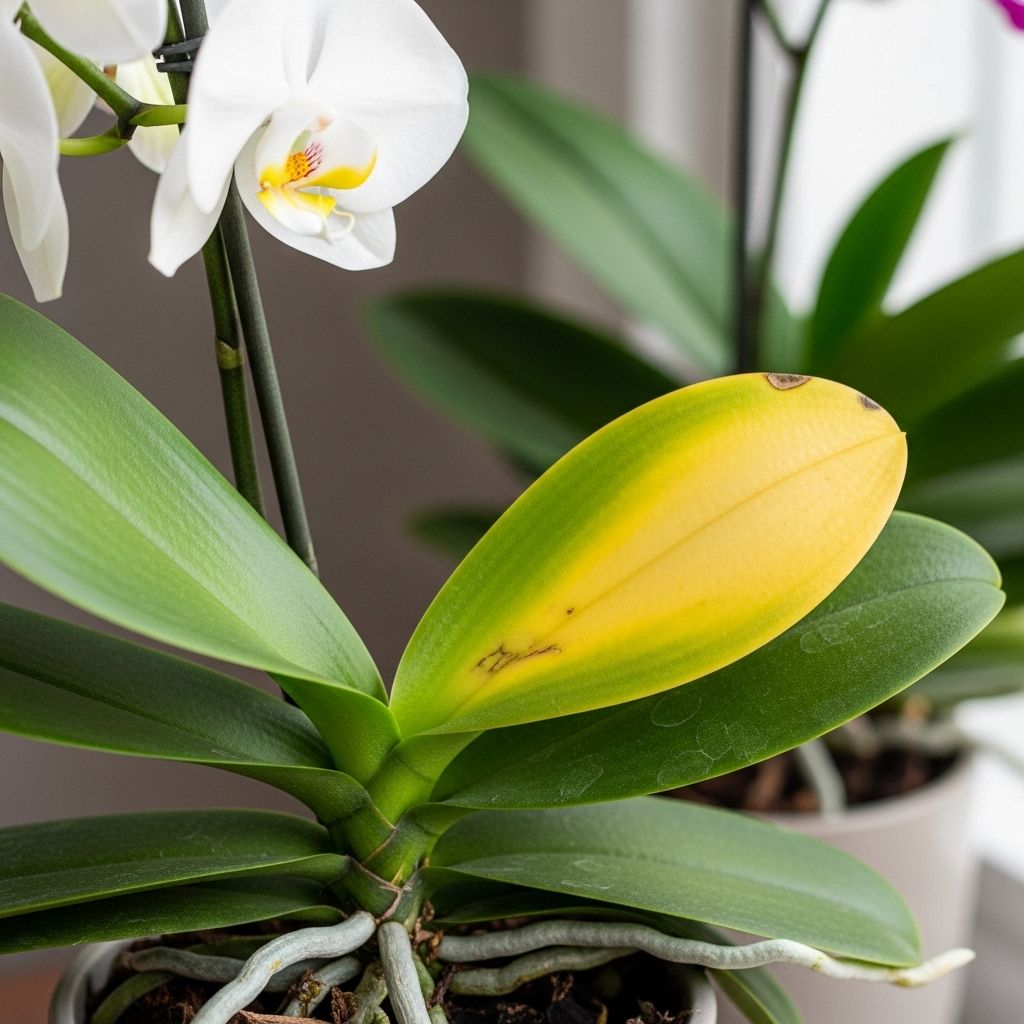
Does Your Orchid Have Yellow Leaves? Here’s What To Do
Seeing your orchid leaves turning yellow can quickly dampen the joy of keeping these elegant houseplants. Yellowing leaves may indicate problems ranging from overwatering and sunlight imbalances to pests and diseases. Understanding the most common causes and timely solutions will help you restore your orchid’s health and beauty.
Read on for a comprehensive guide to diagnosing, treating, and preventing yellowing in your orchids, based on expert advice and real-world plant care experience.
The Short Answer: Why Orchid Leaves Turn Yellow
The leading cause of yellowing leaves in orchids is overwatering. Orchid roots require excellent air circulation and dislike damp, soggy conditions. When the roots stay too wet for too long, they quickly begin to rot, leading to yellow leaves and further plant stress. However, other potential culprits include both insufficient and excessive sunlight, pest infestations, nutritional issues, or fungal and bacterial diseases.
- Overwatering: The most frequent culprit, leading to root rot
- Too much or too little sunlight: Can disrupt the plant’s metabolism
- Pests or diseases: Fungal, bacterial, or insect-related stress
- Aging: Natural shedding of the oldest leaves
- Nutritional imbalances or salt buildup
The Long Answer: 7 Main Causes of Yellow Leaves in Orchids
While overwatering tops the list, several other factors can lead to yellowing orchid leaves. Diagnosing the exact cause often requires looking at the full range of care conditions. Below are the most common sources of yellow leaves in orchids and how you can address each one.
1. Too Much Water
Overwatering is the primary reason orchids develop yellow leaves in home environments. Orchids are epiphytes—they naturally absorb most moisture and nutrients from the air around their roots, not from consistently wet soil. When potted, restricted airflow and excessive watering can quickly suffocate the roots, fostering rot and making it difficult for the plant to take up water and nutrients.
- Frequent watering keeps the medium too wet, suffocating roots.
- Pots lacking adequate drainage worsen the problem.
- Wet, mushy roots are prone to rot, spreading the problem to leaves and stems.
The Fix
- Repot the orchid promptly into a container with plenty of drainage holes and openings for airflow.
- Use an orchid-specific potting mix (usually bark-based) for maximum drainage.
- With sterilized, sharp tools, remove any mushy or blackened roots and yellow, decaying leaves.
- Apply a fungicide (like powdered sulfur) to cuts to prevent infection.
- After repotting, reduce watering frequency. Most indoor orchids should only be watered about once per week, letting the potting mix dry out completely between waterings.
2. Too Little Water
Although less frequent than overwatering, underwatering can also cause leaves to yellow and shrivel—especially the lower leaves. Orchids can tolerate drying out better than consistent wetness but extreme drought can still stress the plant.
- Leaves appear thin, wrinkled, and yellowed.
- The potting medium may pull away from the sides of the container.
- Roots look dry, gray, or brittle.
The Fix
- Rehydrate gradually: Soak the pot in tepid water for about 30 minutes, allowing roots to absorb moisture.
- Resume a consistent but modest watering routine, ensuring the potting media dries out between waterings.
- Avoid flooding the orchid after a period of drought, as this can shock stressed roots.
3. Sunlight Imbalance
Orchids need bright, filtered light, similar to what they’d receive in the canopies of tropical forests. Too much direct sunlight can burn leaves, causing yellow patches or bleaching. Conversely, insufficient light leads to pale, limp leaves that may also yellow over time.
| Light Condition | Symptoms | Remedy |
|---|---|---|
| Too much sun | Yellow, white, or brown patches (sunburn) | Move plant to a spot with filtered light or use sheer curtains |
| Too little sun | Pale, drooping, yellowish leaves; poor flowering | Increase light by moving closer to a window or using grow lights |
The Fix
- Place orchids near east- or west-facing windows with dappled light.
- Avoid harsh midday sun, which can burn leaves.
- If using grow lights, aim for 12–14 hours of light per day, but not more.
4. Natural Leaf Aging
Occasionally, yellowing leaves are just part of your orchid’s natural cycle. As orchids grow new foliage, the oldest (usually lower) leaves will yellow, shrivel, and drop off. This is normal and not a cause for concern as long as the yellowing is limited to the oldest leaves.
- Only one or two bottom leaves are affected per year.
- Newer leaves remain healthy and green.
The Fix
- No intervention is needed for natural leaf sloughing.
- Allow old yellow leaves to naturally dry and fall off; do not force removal.
5. Pest Infestations
Insect pests—such as scale, mealybugs, and aphids—can stress orchids and contribute to yellow, wilted, or spotted leaves. Pests feed on plant sap, leaving the plant too weak to sustain healthy growth.
- Look for sticky residue (honeydew), cottony clusters, or visible insects under leaves or around growing tips.
- Pest damage is often accompanied by yellow spots, curling, or general decline.
The Fix
- Isolate the affected plant from others to prevent spread.
- Physically remove insects with a cotton swab dipped in alcohol.
- Use insecticidal soap, neem oil, or horticultural oil spray as needed, following label directions.
- Repeat treatments weekly until pests are eliminated.
6. Fungal or Bacterial Diseases
Root rot and leaf spot diseases can turn orchid leaves yellow, especially when humidity is high and air movement is poor. Bacteria or fungi enter through wounds or stressed tissue, causing mushy, foul-smelling patches or streaks.
- Yellowing often begins near the base of the leaf or at wounds.
- Affected tissue may soften, then turn brown or black.
- Foul odors indicate bacterial infection.
The Fix
- Remove infected leaves and tissue with sterilized pruning shears.
- Apply a fungicidal or bactericidal product to cuts and affected areas.
- Improve airflow and keep the foliage dry, especially after watering.
- Never let water sit in the leaf axils; water only in the morning so leaves dry by nightfall.
7. Nutritional Imbalance and Salt Buildup
Orchids need balanced fertilization to thrive, but excess fertilizer or poor water quality can cause salts to accumulate in the potting medium. Salt buildup disrupts root function, leading to leaf yellowing.
- Symptoms include pale or yellow new growth and leaf tip burn or crisping.
- Sometimes a white, crusty residue is visible on growing media or pots.
The Fix
- Flush the potting medium thoroughly with distilled or rainwater every few months to rinse out excess salts.
- Reduce fertilizer frequency, following the mantra: “Feed weakly, weekly.”
- Use a complete orchid fertilizer at half or quarter strength unless otherwise specified.
- Avoid tap water if it is known to have high mineral content.
Tips for Preventing Yellow Leaves in Orchids
- Always use pots with ample drainage and a bark-based orchid mix.
- Allow growing medium to dry out between waterings.
- Water in the morning and avoid letting water sit on leaves or in crown.
- Provide bright, indirect light but shield from intense midday sun.
- Maintain humidity around 40–60% and provide gentle air movement.
- Fertilize sparingly using a balanced, dilute orchid fertilizer.
- Regularly inspect plants for pests and disease.
- Repot every 1–2 years to replace decomposed, compacted medium.
When to Worry: Assessing Your Orchid’s Health
Natural aging is normal, but if multiple leaves suddenly turn yellow, or if yellowing is accompanied by spots, wilting, mushy texture, or foul odor, act promptly. Healthy orchids can often be saved when issues are identified early.
Frequently Asked Questions (FAQs)
Q: My orchid’s bottom leaves are turning yellow. Should I cut them off?
A: If the yellowing is limited to the lowest leaves and new leaves are healthy, this usually indicates normal leaf aging. Allow them to drop naturally; only remove them if they become mushy or develop spots.
Q: How often should I water my indoor orchid?
A: Most indoor orchids only require watering once per week. Ensure the potting mix dries out fully before the next watering. Check the weight of the pot, or use a wooden stake—if it comes out dry, it’s time to water.
Q: Can I save an orchid with root rot?
A: Yes—if caught early. Remove all soft, mushy, or blackened roots with sterile scissors, treat the wounds, and repot in fresh orchid mix. Adjust your watering habits to prevent recurrence.
Q: Why do my orchid’s new leaves look pale yellow?
A: Pale new leaves may signal insufficient light, nutrient deficiency, or salt buildup. Evaluate care routines—adjust lighting and fertilization, and flush the potting mix if salts are present.
Q: How do I know if the problem is overwatering or underwatering?
A: Overwatering typically results in soft, limp leaves and mushy, brown roots. Underwatering causes wrinkled, firm leaves and dry, brittle roots. Inspect roots when in doubt.
Q: Should I fertilize my orchid if the leaves are yellow?
A: Only if all other issues are ruled out, and the yellowing is due to nutrient deficiency. Too much fertilizer can do more harm—always use diluted, specialized orchid food and flush salts regularly.
Best Practices for Orchid Health
- Always sterilize tools before pruning or repotting orchids to prevent disease spread.
- Monitor plants weekly for early warning signs of pests or disease.
- Avoid letting plants sit in water—empty saucers and cachepots after watering.
- Repot every 1–2 years, or if the potting mix appears compacted or mossy.
Further Resources
- Consult your local extension office for advice tailored to your growing region.
- Refer to detailed orchid care guides and videos for species-specific tips.
Similar Articles





Read full bio of medha deb