Oriental vs. Asiatic Lilies: Differences, Growing Tips, and Care
Explore the beauty, diversity, and cultivation secrets of Asiatic and Oriental lilies for stunning garden displays.
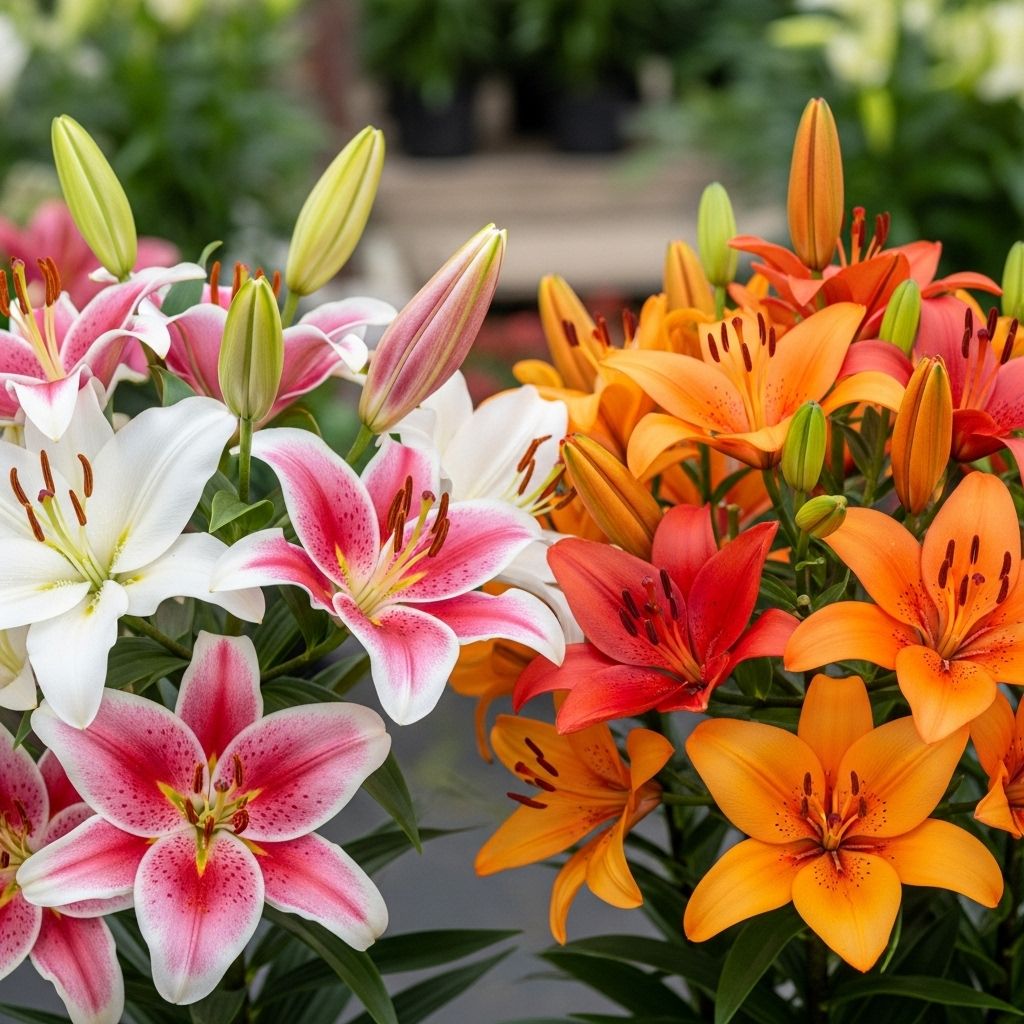
Oriental vs. Asiatic Lilies: Understanding the Differences and Cultivation
Lilies are among the most cherished flowering bulbs for gardeners and florists, revered for their vivid blossoms and captivating aromas. Two of the most popular types—Asiatic lilies and Oriental lilies—are frequently confused due to their similar star-shaped blooms, yet each offers a unique blend of characteristics. This comprehensive guide explains their differences, cultivation requirements, uses, and answers to common questions.
Overview: Asiatic and Oriental Lilies
Lilies, botanically classified in the Lilium genus, have numerous hybrids cultivated worldwide. The most prevalent in home gardens are the Asiatic lilies (Lilium Asiatic) and Oriental lilies (Lilium Oriental), each with distinct origins, flower features, and gardening needs.
- Asiatic Lilies: Native to various regions of Asia. Best known for their early booming, diverse colors, and easy care.
- Oriental Lilies: Originated from a few species native to Japan, generally blooming later, noted for their fragrance and large flowers.
Key Differences Between Asiatic and Oriental Lilies
While both lily types add beauty to gardens and bouquets, understanding their unique traits helps gardeners select the best fit for their preferences and local conditions.
| Characteristic | Asiatic Lilies | Oriental Lilies |
|---|---|---|
| Origin | Various regions of Asia | Japan (specific species) |
| Height | 2 to 4 feet (rarely more) | 2 to 8 feet (can grow tall over time) |
| Blooming Season | Early summer (May–June) | Mid to late summer (July–August) |
| Flower Fragrance | Little or none | Heavy, distinct fragrance |
| Flower Size | Smaller (4-6 inches across) | Larger (up to 9 inches across) |
| Color Range | Wide range: white, yellow, orange, pink, red, etc. (except blue) | Mostly white, pink, red, and sometimes yellow, often with colored edges or speckles |
| Growth Habit | Fast-multiplying, often numerous blooms per stem | Slower to multiply, typically fewer but larger flowers per stem |
| Foliage | Narrow, lance-shaped, lighter green | Broader, glossier, deep green |
| Resilience | Hardy, tolerant to various soils and climates | Requires more specific conditions, slightly less cold-hardy |
Detailed Description of Asiatic Lilies
Origin and Growth Habit
Asiatic lilies are among the first lilies to bloom in the garden, signaling the start of the summer season. Native to several regions across Asia, their background comprises multiple Lilium species, making them genetically diverse. They tend to be compact, with most varieties reaching 2 to 4 feet in height, making them ideal for smaller gardens and borders.
Flower Traits
- Bloom Orientation: Flowers usually face upwards or slightly outward.
- Colors: One of their big attractions—vivid hues ranging from orange, yellow, white, pink, and red, even two-tone types (excluding blue).
- Shape: Petals are often smooth-edged, occasionally speckled. Star-shaped, but with lots of color variance and form diversity.
- Fragrance: Minimal to no scent; ideal for those sensitive to strong floral aromas.
- Flowering: Early bloomers—typically late spring to early summer, enabling sequential blooming with Orientals.
Garden Uses and Benefits
- Suitable for mixed borders, containers, and as early-flowering highlights in the landscape.
- Excellent cut flowers, long-lasting and vibrant in floral arrangements.
- Hardy and adaptable, making them a favorite for new gardeners.
- Rapid multiplication allows for quick coverage and division to expand plantings year-to-year.
Special Growing Notes
- Plant bulbs in autumn for best results.
- Prefers well-draining soil with ample sunlight.
- Water consistently but avoid waterlogged soils.
- Low maintenance—once established, they thrive with basic care.
Detailed Description of Oriental Lilies
Origin and Growth Habit
Oriental lilies were hybridized from a select group of Japanese species. These lilies are famed for their impressive size, with mature plants reaching heights up to 8 feet over time. Stems become more robust as the bulbs naturally divide and mature, supporting ever more dramatic blooms.
Flower Traits
- Bloom Orientation: Blooms typically face outward or slightly downward, creating a fountain-like effect.
- Colors: Primary shades are white, pink, and red; blooms may feature contrasting colored edges, ruffled petals, or speckles. Yellow varieties exist but are less common.
- Shape: Blooms are significantly larger (can be up to 9 inches across), with recurved, sometimes ruffled petals.
- Fragrance: Famed for their sweet, heady scent—often considered the most fragrant of all lilies. Their perfumes intensify in the evening hours.
- Flowering: Bloom later in the season (mid-to-late summer to early fall), extending the lily season after Asiatic lilies have faded.
Garden Uses and Benefits
- Outstanding for perennial borders and mixed beds where height and fragrance are desired.
- Popular for moon gardens and near patios or open windows, ideal for enjoying their scent.
- Excellent in large bouquets and event arrangements—bring elegance and longevity.
Special Growing Notes
- Benefit from mulching in cold climates for winter protection, as their cold tolerance is less robust than Asiatic types.
- Require full to partial sun and rich, well-drained soil.
- Due to their height and heavy flower heads, taller Orientals may need staking for wind or heavy rain protection.
- Divide mature clumps every 3–5 years to maintain vigor and prevent overcrowding.
Leaf and Foliage Comparison
- Asiatic lilies: Feature narrow, lance-shaped leaves in lighter green tones. The arrangement is whorled and provides a soft background to brightly colored blooms.
- Oriental lilies: Boast broader, glossier, darker green leaves. Foliage is lush and decorative even when plants are not in flower.
Flowering Period and Sequential Planting
To maximize color and interest, smart gardeners use both lily types. Because Asiatic lilies flower in early summer and Oriental lilies peak later, sequential planting ensures continuous blooms from late spring through early autumn.
- Asiatic Lilies: Bud and bloom from late May through June.
- Oriental Lilies: Come into flower from mid-July through August, sometimes later depending on the climate.
Resilience, Care, and Maintenance Tips
Planting and Soil
- Both types prefer well-draining soil. Avoid heavy clay or standing water conditions.
- Incorporate organic matter or compost at planting time for best results.
- Bulbs should be planted at a depth about three times their height.
Light and Location
- Asiatic lilies: Tolerate full sun to partial shade. Adaptable and forgiving.
- Oriental lilies: Prefer full sun but benefit from some afternoon shade, especially in very hot regions.
Watering and Feeding
- Provide consistent moisture during the growing season, but let the soil dry out between watering.
- Apply balanced fertilizer in early spring and again as the plants set buds.
- Avoid overhead watering to reduce the risk of fungal diseases.
Winter and Dormancy
- Asiatic lilies: Generally hardy to cold zones; mulch in harsh winters is still beneficial.
- Oriental lilies: Mulch liberally in late autumn for winter protection; may require extra care in very cold climates.
Division and Propagation
- Asiatic lilies: Multiply rapidly and can be divided every 2–3 years to reinvigorate plantings and prevent overcrowding.
- Oriental lilies: Multiply more slowly; divide clumps every 3–5 years or when flowering declines.
Design Uses: Highlighting Lilies in Garden and Decor
- Asiatic lilies suit borders, beds, mixed groupings, and containers. Their upward-facing flowers make vibrant color masses visible from afar.
- Oriental lilies shine as accent plants in large beds, at the back of borders, or in containers for dramatic height and alluring scent.
- Both types are outstanding in cut flower arrangements, though Orientals offer stronger fragrance while Asiatics provide color diversity.
Lily Trivia and Safety Notes
- Ease of Cultivation: Asiatic lilies are among the easiest lilies to grow; Oriental lilies require slightly more attention but reward with spectacular blooms and scent.
- Historical Note: The Madonna Lily (Lilium candidum) is one of the oldest cultivated lilies, symbolizing purity and renewal.
- Pet Safety: All true lilies (Lilium species) are highly toxic to cats. Even small ingestions can be fatal—plant with caution if you share your garden with feline friends.
- Fragrance Uses: Oriental lilies are often prized in the perfume industry for their enchanting scents, unlike their virtually scentless Asiatic cousins.
Frequently Asked Questions (FAQs)
Q: Can Asiatic and Oriental lilies be planted together?
A: Yes. Planting both types allows for a long display of blooms throughout the summer. Just be sure to consider their different heights and blooming periods for the best effect.
Q: Are lilies deer resistant?
A: Unfortunately, no. Both Asiatic and Oriental lilies are attractive to deer. In areas with heavy deer pressure, gardening protection such as fencing or deer repellents is recommended.
Q: When and how should lilies be divided?
A: Divide Asiatic lilies every 2–3 years and Oriental lilies every 3–5 years, ideally in early fall after flowering. Dig up the clump, separate healthy bulbs, and replant at proper spacing.
Q: Are there any specific pests or diseases lilies are prone to?
A: Common issues include botrytis blight (fungal leaf spotting), aphids, lily beetles, and bulb rot. Good garden hygiene, proper spacing, and mindful watering can reduce most problems.
Q: Why didn’t my lilies bloom?
A: Several factors can hinder blooming: insufficient sunlight, overcrowding, poor soil drainage, or damage from pests. Lift and divide older clumps, improve soil, and relocate to sunnier spots if needed.
Summary: Harnessing the Beauty of Lilies
Asiatic and Oriental lilies, though often confused, are distinct in both bloom time and beauty. By understanding their differences, gardeners can enjoy months of spectacular color, form, and in the case of Orientals, intoxicating fragrance. With a little care and strategic planting, these lilies become the crown jewels of any garden or bouquet.
Similar Articles





Read full bio of medha deb