How to Overwinter Boston Ferns: Complete Indoor Care Guide
Protect your Boston ferns from winter stress—discover proven methods for dormancy or indoor growth, pest prevention, and troubleshooting.
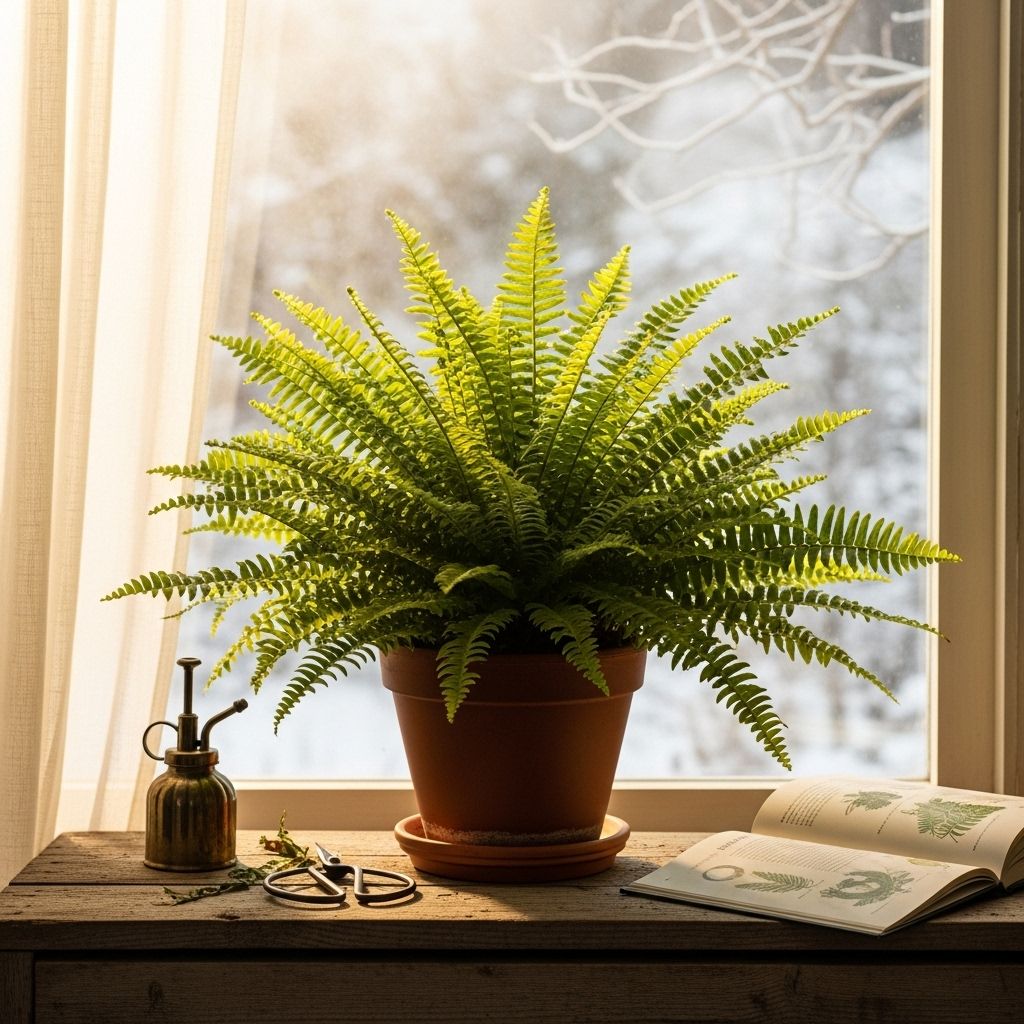
Boston ferns (Nephrolepis exaltata), known for their elegant, arching fronds and lush texture, are a popular choice for patios, porches, and indoor spaces. However, as temperatures drop in autumn and winter, outdoor Boston ferns require special attention to survive until the next growing season. This comprehensive guide outlines proven strategies for successfully overwintering Boston ferns, whether you wish to maintain active growth indoors or induce a dormant state for minimal maintenance.
Contents
- Can You Overwinter Boston Ferns?
- Methods for Overwintering Boston Ferns
- Step-by-Step: Bringing Boston Ferns Indoors
- Step-by-Step: Letting Boston Ferns Go Dormant
- Common Problems and Troubleshooting
- Frequently Asked Questions
Can You Overwinter Boston Ferns?
Yes, you can overwinter Boston ferns by replicating the humidity, light, and temperature conditions they enjoy during the growing season. While Boston ferns thrive outdoors in USDA zones 8–11 due to their preference for warmth and humidity, they are not cold-hardy in most regions and must be brought indoors or stored in dormancy before the first frost. Neglecting to do so can result in frost or freeze damage, leading to dieback or total loss of the plant.
Methods for Overwintering Boston Ferns
There are two primary strategies for protecting Boston ferns during winter:
- Active Indoor Growth: Moving the fern inside to a bright location to keep it semi-active over winter.
- Dormancy: Allowing the plant to go dormant in a cool, minimally lit space for the winter months.
Your preferred method depends on the available space, indoor conditions, and your willingness to continue caring for the fern through the off-season.
| Overwintering Method | Conditions Needed | Maintenance Required | Results |
|---|---|---|---|
| Indoor Growth | Bright, indirect light; warm temps (75°F/24°C daytime, 55°F/13°C min. at night); high humidity | Regular watering to keep soil moist (not soggy), minimal fertilizer | Ferns remain green, grow slowly, some shedding possible |
| Dormancy | Cool (55°F/13°C, never below), low light, humid environment (basement, garage, etc.) | Minimal watering, no fertilizing | Plant growth pauses, may lose fronds but resumes in spring |
Step-by-Step: Bringing Boston Ferns Indoors
If you prefer your Boston fern to remain leafy indoors, follow these steps to transition it from outdoors to a comfortable indoor environment:
1. Timing: Move Before First Frost
Monitor nighttime temperatures in fall. Bring ferns indoors well before the first frost; ferns are sensitive to cold and will suffer from even a brief dip below 40°F (4°C). If unsure, err on the early side, as a late move risks cold or frost damage that can kill the plant.
2. Prepare the Fern: Clean, Prune, and Inspect
- Hose down the fern outdoors on a mild day (above 60°F/16°C). Spray the top and bottom of fronds and the soil surface thoroughly to remove insects, spider mites, or lingering leaves.
- Trim the fern to remove all brown, yellow, or dying fronds. Lightly prune any long, straggly stems for a tidier shape and to reduce mess indoors. Pruning also makes a large fern fit more easily into indoor spaces.
- Inspect for pests closely, including the base and under the leaves. Remove any visible insects or eggs.
- Let the fern dry fully before bringing it inside to avoid fungal issues.
3. Acclimate the Plant Gradually
Sudden environmental changes can stress ferns. For best results, gradually increase the time the fern spends indoors over a week, especially if temperature or light differences are significant. However, if frost is imminent, move it promptly.
4. Select the Ideal Indoor Location
- Light: Place the fern by a south- or east-facing window that receives bright, indirect light. Avoid harsh direct sunlight, which can scorch fronds, and keep it away from cold, drafty spots, such as by exterior doors or windows that leak cold air.
- Temperature: Maintain daytime temperatures around 75°F (24°C) and no lower than 55°F (13°C) at night. Stable temperatures are ideal; avoid frequent drafts or heat blasts from radiators or vents.
- Humidity: Boston ferns require high humidity to prevent frond drop and browning.
To boost humidity, use one or more of these methods:
- Set the fern on a pebble tray partially filled with water (ensure the pot base doesn’t touch the water).
- Group houseplants together to create a microclimate of higher humidity.
- Use a humidifier near the fern during dry winter months.
- Mist the plant daily (optional, for temporary humidity boost).
5. Ongoing Care: Watering and Feeding
- Water when the soil surface feels barely dry, but never let the root ball dry out completely. Do not allow roots to sit in water. In low light/indoors, water less frequently—usually once a week is sufficient, but check regularly.
- Fertilizer: You may withhold fertilizing during the winter, as the plant’s growth slows. If you choose to fertilize, apply a diluted liquid fertilizer every 4–6 weeks at half strength, but only if the fern remains growing and healthy.
6. Housekeeping: Managing Mess and Leaf Drop
Some leaf drop and yellowing is common due to lower indoor light and drier air. Regularly remove dropped fronds and debris to prevent pests and mold. Don’t be alarmed by a temporary thinning—vigor returns in spring with outdoor exposure and increased light.
Step-by-Step: Letting Boston Ferns Go Dormant
If you lack ideal indoor conditions or prefer less maintenance, you can overwinter Boston ferns in dormant storage. Here’s how:
1. Trim and Inspect
- As with indoor overwintering, thoroughly clean, prune, and inspect the fern before storing it to prevent harboring pests.
2. Choose the Right Dormant Location
- Find a cool, humid area (such as a basement, unheated garage, or outbuilding) where temperatures remain stable but never dip below 55°F (13°C). Complete darkness is not harmful during true dormancy.
3. Set Up for Dormancy
- Water the fern lightly so the root ball is slightly moist but not wet. Excess moisture in dormancy can lead to root rot.
- Do not fertilize during dormancy.
- If the air is dry, consider adding a tray of water or shallow pan near the plant to modestly increase humidity. Ferns tolerate lower humidity when dormant, but extremely dry conditions may cause excessive leaf loss.
4. Minimal Maintenance During Dormancy
- Check the fern monthly. Only water if the soil becomes completely dry. The foliage may turn brown or drop off; this is expected. The key is to prevent the root ball from drying out completely or becoming waterlogged.
5. Reviving in Spring
- As the risk of frost passes and outdoor temperatures climb above 55–60°F (13–16°C), bring your fern back into a gradually brighter setting.
- Trim away any fully brown fronds and begin watering more frequently. Monitor for fresh green shoots and consider repotting or dividing at this time if the plant has outgrown its container.
Common Problems and Troubleshooting
| Issue | Possible Cause | Solution |
|---|---|---|
| Leaf Drop Indoors | Dry air/lack of humidity; underwatering |
|
| Brown or Crispy Fronds | Too much sun, cold drafts, or low humidity |
|
| Limp/Rotting Fronds (in dormancy) | Overwatering; root rot |
|
| Pest Infestation (spider mites/scale) | Brought in from outdoors |
|
| Little or No Growth Resume in Spring | Severe winter damage; dead roots |
|
Frequently Asked Questions (FAQs)
Q: When is the best time to bring my Boston fern indoors?
A: Move Boston ferns indoors well before the first frost date in your region, typically when nights drop consistently below 50°F (10°C).
Q: My fern dropped leaves soon after coming inside—why?
A: Boston ferns drop some leaves in response to lower light, dryer air, and the move indoors. Regular humidity boosts and avoiding direct heat will reduce leaf drop.
Q: Can I leave my Boston fern dormant in a completely dark area all winter?
A: Yes. During dormancy, the plant does not require light. A cool, dark, and humid location is suitable, provided temperatures remain above 55°F (13°C).
Q: Should I fertilize my fern during winter?
A: No. Withhold fertilizing when overwintering. Resume feeding when the plant returns to active growth in spring.
Q: My fern suffered frost. Will it recover?
A: If the root system wasn’t severely frozen, trim back all damaged foliage, keep soil slightly moist, and give it time. New growth may resume in the coming weeks if the damage wasn’t extensive.
Q: Can I keep my Boston fern outside under cover during winter?
A: Even with covering, a hard frost can still damage the roots. Overwintering indoors or in a controlled dormant space is safer for the plant’s survival.
Key Takeaways for Overwintering Boston Ferns
- Bring indoors well before frost.
- Inspect, clean, and trim thoroughly.
- Choose between active indoor growth or cool dormancy based on your home’s conditions and preferences.
- Humidity is critical for success indoors—use trays or humidifiers when needed.
- Withhold fertilizer in winter.
- Expect some frond loss, but most ferns rebound with proper care come spring.
References & Further Reading
- Amy Draiss & Becca Badgett, Gardening Know How
- N.C. Cooperative Extension
- Plant Addicts
- Dodo Son Designs
Similar Articles






Read full bio of medha deb