Why Your Peace Lily Has Brown Tips and How to Fix It
Master the care of peace lilies and learn exactly how to prevent brown tips, treat leaf problems, and restore your plant to vibrant health.
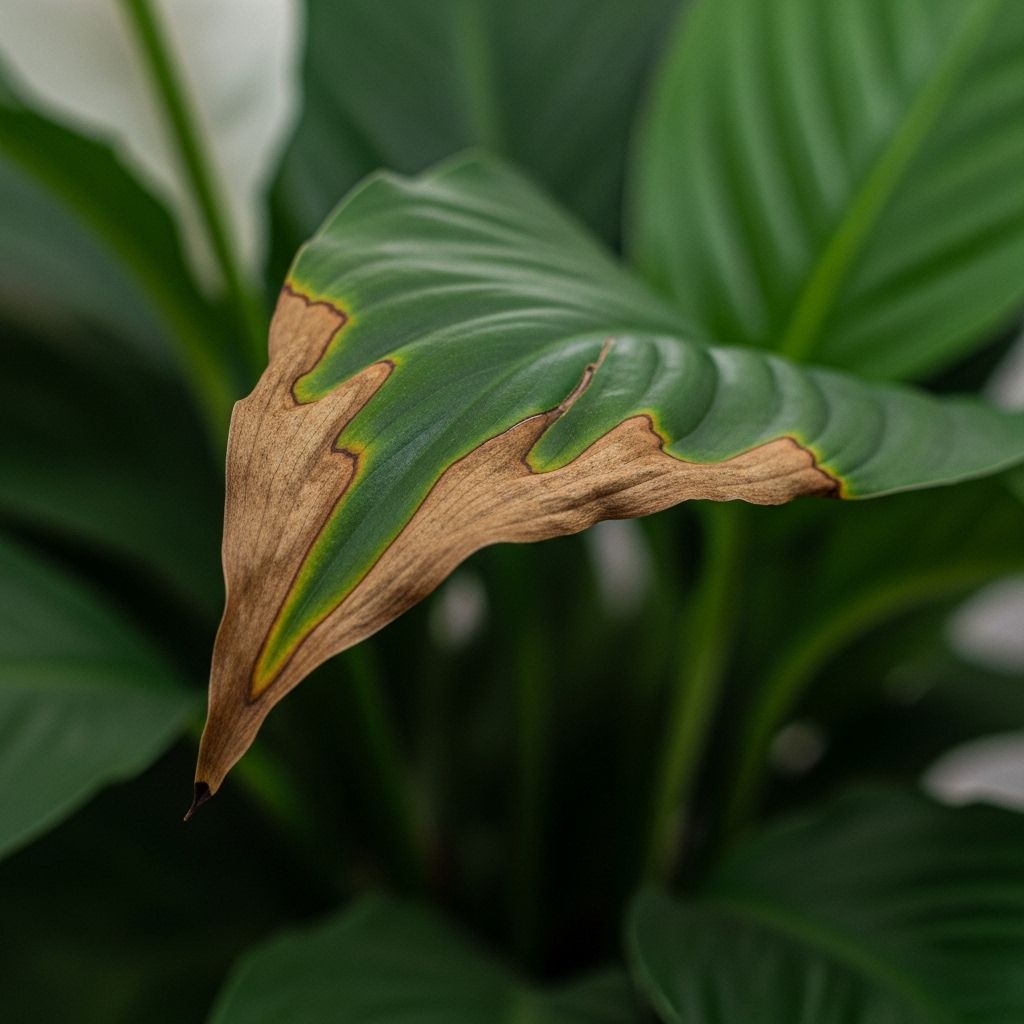
Why Do Peace Lily Leaves Get Brown Tips?
Peace lilies (Spathiphyllum) are beloved for their glossy, deep green leaves and elegant white blooms, making them a top choice for indoor gardeners. However, even experienced plant lovers can find themselves dismayed when confronted by brown tips or edges on those luscious leaves. Understanding why peace lily leaves turn brown is the first step to restoring your plant’s beauty and vitality.
Abiotic vs. Biotic Causes
Leaf problems in peace lilies are typically divided into two categories:
- Abiotic Factors (Cultural Care): Most often seen indoors, these stem from issues with watering, light, humidity, or fertilization.
- Biotic Factors (Diseases): Far less common indoors, fungal diseases can cause leaf spots or necrosis, typically due to spore transfer in highly humid or outdoor conditions.
For most indoor peace lilies with brown tips, the culprit lies within how they’re cared for rather than disease.
Most Common Reasons for Brown Tips on Peace Lilies
Let’s explore the major causes of brown-tipped leaves—in order of prevalence and likelihood—and how to address each one.
1. Watering Problems
- Overwatering: Saturated soil starves roots of oxygen, causing root rot and resulting in brown, limp leaf tips. Symptoms include soggy, wilting foliage and a musty smell from the soil.
- Underwatering: Dry, parched soil leads to crisp, brown leaf tips and drooping or wilting leaves.
- Solution: Check soil moisture with your finger or a moisture meter. Water your plant only when the top 1 to 2 inches of soil feel dry. Ensure your pot has unobstructed drainage holes and empty excess water from saucers after each watering.
2. Poor Water Quality
- Hard or Fluoridated Tap Water: Chemicals like chlorine, fluoride, or excess mineral salts can accumulate in both soil and leaves, leading to tip browning.
- Solution: Water peace lilies with rainwater, distilled water, or filtered water. If only tap water is available, let it sit out overnight to allow chlorine to dissipate.
3. Humidity Issues
- Low Humidity: These tropical plants need higher moisture levels. Dry indoor air, especially near heaters or air conditioning, results in dry, brown tips.
- Solution: Raise humidity by grouping plants, setting the pot on a tray of wet pebbles (ensuring roots aren’t submerged), or using a humidifier. Mist leaves occasionally, but avoid overdoing it to prevent fungal issues.
4. Overfertilization and Salt Buildup
- Excess Fertilizer: Too much fertilizer causes a toxic buildup of mineral salts in the soil, burning roots and leaf tips.
- Solution: Fertilize no more than once every six weeks during the growing season, using half the recommended dose. If overfertilized, flush the soil with filtered or distilled water: water generously multiple times, allowing water to drain fully each time, to leach out accumulated salts. Consider repotting if buildup persists.
5. Sun Scorch and Light Exposure
- Too Much Sun: Direct sunlight can scorch peace lily leaves, causing bleached and brown-tipped foliage.
- Solution: Place your plant in bright, indirect light—north or east-facing windows are ideal. Use sheer curtains to filter sunlight if necessary.
6. Temperature Fluctuations
- Cold Drafts or Heat Stress: Temperatures far outside the preferred 65–85°F (18–29°C) range can stress your plant. Sudden drafts, heating vents, or air conditioners can all dry the foliage or cause scorch-like browning.
- Solution: Keep the plant in a stable, protected environment away from hot or cold drafts.
How to Treat a Peace Lily with Brown Tips
Noticing brown tips doesn’t mean your plant is doomed. With quick action and a methodical approach, you can usually restore its health. Here’s a step-by-step troubleshooting guide:
- Check Your Watering Habits: Review the frequency and amount of water you provide. Only water when the soil feels dry an inch or two below the surface, and thoroughly soak each time—then let the pot drain completely.
- Evaluate Water Quality: Switch to filtered, distilled, or rainwater if you suspect mineral buildup or chemical toxicity.
- Leach Fertilizer Salts: If you have been using fertilizer, flush the potting mix by watering generously with pure water several times, letting it drain each time. Alternatively, repot in fresh soil.
- Increase Humidity: Place the pot on a pebble tray, mist the leaves lightly, group with other houseplants, or use a room humidifier to raise ambient humidity.
- Assess Lighting: Move the plant if it receives direct sunlight; bright but filtered light is ideal.
- Stabilize Temperature: Ensure the plant is away from sources of cold drafts or intense heat.
Should You Cut Off the Brown Tips?
Trimming away brown leaf tips or whole damaged leaves improves the plant’s appearance and allows you to better assess whether the problem continues. Use clean, sharp scissors and cut just beyond the brown edge, following the natural line of the leaf. Do not remove more than one-third of the foliage at once.
Prevention: Long-Term Peace Lily Health
Preventing brown tips is always easier than repeatedly treating symptoms. Follow these ongoing care tips to keep your peace lily thriving:
- Water Smartly: Avoid keeping soil too wet or too dry. Use the finger test instead of a set watering schedule.
- Favor Good Water: Rain, distilled, or filtered water minimizes chemical and mineral stress.
- Control Humidity: Target indoor humidity of at least 40-60%. Use humidifiers, pebble trays, or group plants together.
- Limit Fertilizer: Less is more—use half-strength and only during active growth.
- Ideal Lighting: Bright, indirect sunlight keeps plants happy without causing burn.
- Temperature Consistency: Keep away from heating vents, AC, and drafty windows.
Comparing Common Peace Lily Leaf Problems
| Symptom | Likely Cause | Solution |
|---|---|---|
| Brown leaf tips | Over/underwatering, low humidity, fertilizer, poor water | Review care routine; improve water and humidity |
| Brown spots/blotches | Sun scorch or fungal disease (rare indoors) | Move to indirect light; sterilize tools; prune affected leaves |
| Entire leaf turning yellow then brown | Root rot, overwatering, old leaf | Let soil dry; prune old leaves; repot if root bound |
| Drooping/wilting | Severe dry soil or waterlogged soil | Check drainage; moderate watering |
Expert Tips for Robust Peace Lilies
- Choose the right pot: Always use containers with sufficient drainage. Ceramic or plastic is fine, as long as water flows freely through the bottom.
- Refresh soil annually: Either refresh the top few inches or repot altogether to prevent fertilizer and mineral buildup.
- Monitor for pests: Peace lilies rarely suffer pest infestations indoors, but watch for spider mites or scale, especially if brought outdoors in summer.
- Don’t over-prune: Remove brown tips and damaged leaves, but don’t be alarmed by occasional old leaves yellowing and dying—it’s natural.
- Acclimate gradually: If moving your plant between indoor and outdoor environments, introduce it to new conditions gradually to prevent shock.
Frequently Asked Questions (FAQs)
Q: Why do the tips of my peace lily leaves keep turning brown even though I use filtered water?
A: If switching to filtered water hasn’t solved the problem, double-check your fertilization practices and room humidity. Salt build-up from excess fertilizer and dry air are both common culprits. Flushing the soil and increasing ambient humidity may help.
Q: Can I use tap water for my peace lily?
A: Tap water is safe in some areas but can cause problems if it’s high in fluoride, chlorine, or mineral salts. Rainwater or distilled water is a gentler option for sensitive houseplants like peace lilies.
Q: Should I mist peace lily leaves every day?
A: Daily misting is generally not necessary and could invite fungal issues if done too frequently. Instead, rely on pebble trays or a humidifier for consistent humidity improvement.
Q: How much sunlight does my peace lily need?
A: Peace lilies thrive in bright, indirect light. Avoid direct sunlight, which can scorch leaves and cause browning.
Q: Can brown tips recover, or should I always prune them off?
A: Brown damage on leaves is permanent. Trim affected areas to maintain appearance, but focus on adjusting care so new leaves grow in strong and healthy.
Summary Table: Keys to Preventing Brown Tips on Peace Lilies
| Do’s | Don’ts |
|---|---|
| Water thoroughly when the top soil is dry | Overwater or let plants sit in soggy soil |
| Use filtered, rain, or distilled water | Consistently use tap if you have hard/fluoridated water |
| Maintain humidity above 40% | Let air become too dry, especially in winter |
| Limit fertilizer to half-strength, only in spring/summer | Overfeed or fertilize in winter |
| Place near indirect sunlight | Expose to direct sun or temperature extremes |
Conclusion
Brown tips on peace lily leaves are a common issue that can nearly always be traced back to care-related factors such as watering practices, environmental humidity, water quality, fertilizer, or lighting. By diagnosing the source and making patient, thoughtful adjustments to how you care for your peace lily, you can restore it to full vibrancy. Happy growing!
Similar Articles






Read full bio of medha deb