15 Most Common Peace Lily Problems and Expert Solutions
Struggling with your peace lily? Discover 15 of the most common issues—plus their causes and solutions, for lush, healthy growth.
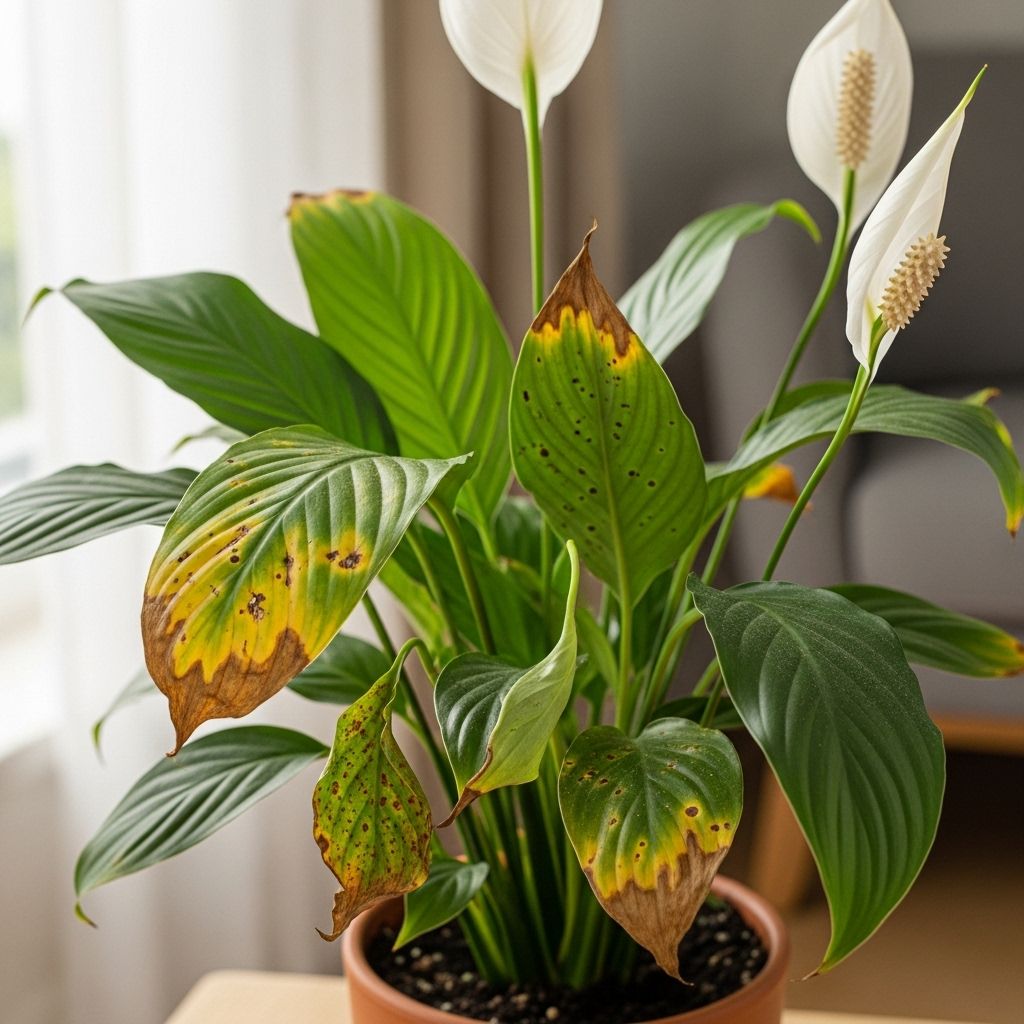
Peace lilies (Spathiphyllum) are among the most popular indoor plants thanks to their elegant foliage, long-lasting white blooms, and reputation for being beginner-friendly. However, even these resilient houseplants can run into trouble, especially if their fundamental requirements aren’t met. Below, explore 15 of the most common peace lily problems, discover what causes them, and follow proven solutions to restore your plant to vibrant health.
Why Peace Lilies Experience Problems
Peace lilies are often considered low maintenance, but a hands-off approach can lead to a host of pains—most commonly linked to watering errors, lighting issues, and environmental stress. Recognizing these problems early and taking quick action will help your peace lily bounce back.
- Improper watering—over or under
- Poor light—too much or too little
- Low humidity
- Nutrient deficiencies or root-bound conditions
- Pest and disease outbreaks
- Environmental shock—repotting or temperature swings
1. Drooping or Wilting Leaves
Dramatic leaf droop is the classic peace lily cry for help. Most drooping is due to thirst. However, persistent wilting could signal more severe issues like overwatering leading to root rot.
- Cause: Underwatering, sometimes overwatering or root problems.
- Solution: Feel the soil. Water thoroughly if dry. If saturated, let it dry out and inspect roots for rot. Cut away mushy roots before repotting in fresh soil.
2. Brown Leaf Tips
Sharp brown tips are a sign your peace lily is under stress or exposed to something harsh.
- Cause: Dry air (low humidity), fluoride or chlorine in tap water, cold drafts, or excessive fertilizer.
- Solution: Increase humidity with a tray of water, use distilled or filtered water, and fertilize sparingly—ideally with a gentle, balanced fertilizer every 6-8 weeks during growing season.
3. Yellow Leaves
Yellowing is one of the earliest warning signs in peace lilies. Old leaves naturally yellow as they age, but when it spreads to newer growth, it usually indicates a deeper issue.
- Causes: Overwatering (most common), underwatering, poor drainage, mineral buildup, nutrient deficiency, or root problems such as compaction or root rot.
- Solution: Check watering habits and drainage. Let the soil dry slightly between waterings. If you suspect root issues, gently remove the plant from its container and inspect the root ball. Repot if needed.
4. No Flowers or Lack of Blooms
Peace lilies flower best under bright, indirect light. If your plant fails to produce flowers for months:
- Causes: Not enough sunlight, excessive fertilizer, or immaturity.
- Solution: Place the plant in a spot with plenty of filtered sunlight. Avoid direct sun, which burns leaves. Reduce feeding frequency, and be patient if the plant is newly acquired as young lilies need time to mature.
5. Leaf Curling
Leaves curl inwards or sideways when environmental stress becomes too much.
- Causes: Underwatering, strong sun exposure, excessive fertilizer, or cold air.
- Solution: Adjust your watering routine, relocate the plant away from direct sun or cold drafts, and flush the soil to remove excess fertilizer salts.
6. Black or Brown Leaf Spots
Dark splotches can point to fungal or bacterial infection or environmental damage such as burns from strong sunlight or fertilizer.
- Causes: Hot spots of sun, over-fertilization, fungal leaf spot, or bacteria.
- Solution: Remove and discard infected leaves. Ensure good air circulation. If infection persists, treat with a houseplant-appropriate fungicide.
7. White Powdery Growth (Powdery Mildew)
Powdery mildew appears as a white or gray fuzz on leaves, thriving in humid, stagnant environments.
- Causes: Poor airflow and excess moisture.
- Solution: Wipe off mildew with a damp cloth. Increase airflow and avoid misting leaves. Use a gentle fungicide if needed.
8. Mealybug or Scale Infestations
If your peace lily has sticky residue, white cottony clusters, or brown bumps, it may be infested by mealybugs or scale. These pests sap plant juices and weaken growth.
- Solution: Remove pests with a cotton swab dipped in rubbing alcohol. For large infestations, treat with neem oil or insecticidal soap, repeating weekly until they’re gone. Isolate the plant to prevent spread.
9. Mushy, Slimy Roots (Root Rot)
Overwatering or constantly soggy soil encourages rot-causing pathogens. Root rot is fatal if ignored.
- Signs: Foul odor, black or brown mushy roots, and severe wilting.
- Solution: Remove from pot, cut away affected roots, and repot in fresh, loose, well-draining soil. Avoid watering until the soil surface dries out.
10. Mold on Soil Surface
White, fuzzy mold may grow atop the soil, especially in humid or poorly ventilated conditions.
- Causes: Overwatering, high humidity, organic-rich soil, poor airflow.
- Solution: Scrape off mold and discard. Allow soil to dry slightly between waterings. Improve air circulation and consider switching to a lighter soil mix.
11. Yellow Splotches or Patchy Foliage
Nutrient deficiency or compacted roots can lead to uneven yellowing or loss of vibrant green color.
- Causes: Exhausted potting mix, root-bound conditions, or poor feeding.
- Solution: Repot every 1–2 years into fresh potting soil. Fertilize with a balanced houseplant fertilizer. Gently loosen roots before repotting if densely packed.
12. Bleached or Scorched Leaves
White or pale patches, often with crispy edges, point to sunburn.
- Causes: Too much direct sunlight.
- Solution: Move your plant to a spot with bright, indirect light. Trim off damaged leaves.
13. Fungus Gnats
Tiny black flies buzzing above the soil may indicate excessively damp soil, which attracts fungus gnat larvae.
- Solution: Let the soil dry more between waterings. If gnats persist, apply a layer of sand atop the soil, and use sticky traps to reduce adult populations.
14. Leaf Edges Turning Black
Edge blackening is typically a sign of fertilizer burn or severe dehydration.
- Solution: Leach the soil by flushing with water, and avoid overfertilizing. Adjust watering so soil stays lightly moist, never soggy.
15. Pest-Spread Fungal Problems
Insects such as aphids, mealybugs, and thrips can introduce fungal diseases or exacerbate leaf decline.
- Solution: Regularly inspect foliage (especially the undersides). Isolate new or affected plants. Wipe leaves clean, prune heavily infested parts, and use safe insecticides where necessary.
General Peace Lily Care Tips
- Keep in bright, indirect light away from direct sun.
- Water when the top inch of soil feels dry—but avoid letting roots sit in water.
- Ensure containers have adequate drainage and empty saucers after watering.
- Mist regularly or boost humidity with a tray of pebbles & water.
- Feed with a balanced, gentle houseplant fertilizer every 6–8 weeks.
- Repot every 1–2 years, especially if roots circle or poke from the drainage holes.
Peace Lily Toxicity
Peace lilies contain calcium oxalate crystals, which are toxic to cats, dogs, and humans if ingested. Keep them out of the reach of children and pets and watch for any signs of chewing or nibbling.
Table: Peace Lily Problems at a Glance
| Problem | Likely Causes | Solution |
|---|---|---|
| Drooping Leaves | Underwatering, root rot | Check soil, water or treat rot |
| Brown Tips | Low humidity, minerals in water | Increase humidity, use filtered water |
| Yellow Leaves | Overwatering, nutrient deficiency | Adjust watering, fertilize, repot |
| No Flowers | Low light, overfeeding | Move to brighter spot, reduce fertilizer |
| Spots/Scorching | Direct sun, fungal disease | Prune damage, improve location, treat |
| Pests | Mealybugs, scale | Treat with neem oil, cleanse leaves |
| Root Rot | Poor drainage, overwatering | Repot, trim bad roots |
Frequently Asked Questions (FAQs)
Q: Why is my peace lily drooping even after watering?
A: If leaves remain limp after a thorough watering, roots may have rotted from overwatering. Remove the plant from its pot, inspect, and prune off mushy, dark roots before repotting in fresh, aerated soil.
Q: Are brown leaf tips dangerous to my plant?
A: Brown tips are usually cosmetic and not harmful overall. However, they point to issues like low humidity or water quality. Address the cause for improved appearance and vigor.
Q: Can peace lilies recover from root rot?
A: With prompt intervention—removing damaged roots and improving drainage—peace lilies can often bounce back. Ongoing root issues may be fatal if ignored.
Q: My peace lily won’t flower. What should I do?
A: Move your plant to a spot with brighter, indirect light, reduce feedings, and be patient—mature plants naturally flower more consistently.
Q: Is it safe to keep peace lilies around pets?
A: Peace lilies are mildly to moderately toxic if nibbled due to calcium oxalate. Always keep them away from curious cats, dogs, and young children.
Peace Lily Benefits
- Improves indoor air quality by filtering toxins such as benzene and formaldehyde
- Visually enhances interior spaces with lush, tropical foliage and blooms
- Helps raise ambient humidity, benefiting both plants and people
Summary Care Checklist
- Light: Filtered, indirect sunlight
- Watering: When top inch of soil is dry; drainage is key
- Humidity: 50–60% for best foliage health
- Temperature: 65–85°F (18–29°C)
- Feeding: Every 6–8 weeks with a balanced, non-burning fertilizer
- Repotting: Every couple of years, or if root-bound
With consistent care and a watchful eye for the above problems, you’ll enjoy years of thriving peace lilies that grace your home with their beauty and natural purification power.
Similar Articles






Read full bio of medha deb