How to Grow Japanese Maples from Seed: Step-by-Step Guide
A comprehensive guide to successfully propagating stunning Japanese maple trees from seeds in your home garden.
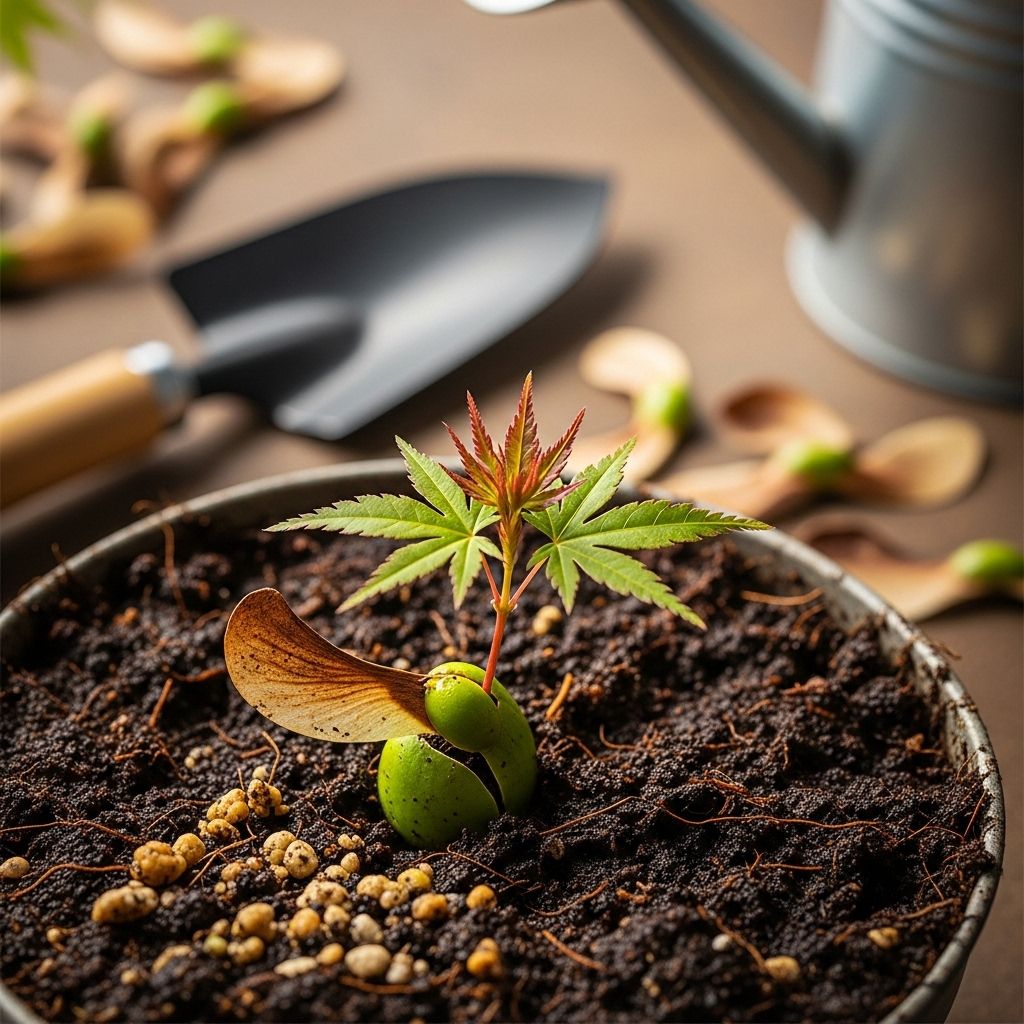
Growing Japanese Maples from Seed
Japanese maples (Acer palmatum) have a well-deserved reputation among gardeners for their elegance and striking foliage. While these trees are often purchased as young saplings from nurseries, it is also entirely possible—and rewarding—to grow Japanese maples from seed. Seed propagation enables you to cultivate unique specimens and experience every stage of their development. This guide provides a detailed overview of every step required, from seed selection to outdoor planting and seedling care.
Table of Contents
- Why Grow Japanese Maples from Seed?
- Collecting and Selecting Japanese Maple Seeds
- Seed Stratification: Breaking Dormancy
- Planting and Germinating Japanese Maple Seed
- Transplanting Seedlings Outdoors
- Caring for Young Japanese Maple Trees
- Troubleshooting: Common Problems and Solutions
- Frequently Asked Questions
Why Grow Japanese Maples from Seed?
Japanese maples are prized for:
- Vibrant foliage in shades of red, orange, yellow, and green.
- Elegant branching structure that suits a range of garden designs.
- Hardiness and adaptability to climates from temperate to cool.
- The opportunity to cultivate unique, genetically distinct plants when grown from seed.
Growing from seed enables patient gardeners to witness the tree’s lifecycle from its earliest stage and potentially select for interesting traits. However, be aware that seedlings may differ from their parent plant in leaf shape, color, or size due to genetic variation.
Collecting and Selecting Japanese Maple Seeds
Successful propagation begins with choosing and preparing the right seeds:
- Seed Collection Time: Collect mature Japanese maple seeds in late autumn, typically from September to October, once the tree’s samaras (winged seeds) have fully developed and begun to turn brown.
- Selection: Choose fresh, undamaged seeds; healthy seeds are firm and plump. Avoid those with signs of mold, rot, or pest damage.
- Gently remove the wing to streamline handling, but this is not strictly necessary.
Store collected seeds in a cool, dry place or proceed immediately to the next step: stratification.
Seed Stratification: Breaking Dormancy
Japanese maple seeds have dormancy mechanisms that require cold treatment (known as stratification) to trigger germination.
- Why Stratify? In nature, seeds fall to the ground in autumn and undergo winter chilling before sprouting in spring. Stratification mimics this process.
How to Stratify Japanese Maple Seeds:
- Soak Seeds: Place seeds in a bowl of room-temperature water for 24 hours. This softens the seed coat and improves moisture absorption.
- Moisten Medium: Prepare damp sand, peat moss, or paper towels—the medium should be moist, not soggy.
- Enclose Seeds: Mix seeds into the chosen medium and seal them in a plastic bag or container.
- Cold Treatment: Refrigerate seeds for 30–90 days, maintaining temperatures between 33°F and 41°F (0.5°C to 5°C). Check occasionally for mold; remove any affected seeds or replace the medium as needed.
After stratification, allow seeds to gradually reach room temperature before planting.
Planting and Germinating Japanese Maple Seed
Once the stratification period is complete, begin the germination process indoors:
Preparing the Soil and Containers
- Choose Containers: Seed trays or small pots with good drainage are ideal.
- Soil Mix: Use a lightweight, well-draining potting mix with slightly acidic pH (ideally 5.5–6.5). Consider blending horticultural sand, perlite, or compost to improve structure.
- Fill the pots: Fill containers to within half an inch of the top.
Planting the Seeds
- Surface Planting: Scatter seeds evenly over the surface. Gently press them into the soil, no deeper than 1/4 inch (6mm)—shallow planting exposes them to light, which aids germination.
- Watering: Mist the surface or gently water to keep the medium moist (not waterlogged).
- Light: Place containers in a location with indirect sunlight or use grow lights. Too much direct sun can overheat or dehydrate young seeds.
Germination Timeline: Seeds may begin sprouting in as little as two weeks, but some may take up to several months depending on temperature, moisture, and seed viability.
| Step | Details |
|---|---|
| Stratification | 30–90 days in moist medium in fridge, 34–41°F |
| Sowing Depth | 1/4 inch deep; press lightly, do not bury |
| Germination | 2–12 weeks; keep soil moist, indirect light |
Caring for Seedlings Indoors
- Humidity: Cover pots with plastic wrap or a humidity dome if possible, venting periodically to prevent mold.
- Watering: Maintain consistent moisture but avoid soggy soil; root rot and damping-off are common issues if soil is wet.
- Fertilizing: Avoid fertilizing until seedlings develop at least two sets of leaves. Use a half-strength balanced fertilizer thereafter if desired.
- Thinning: If multiple seedlings emerge in a pot, thin them so each has space to grow without competing for light or nutrients.
Transplanting Seedlings Outdoors
Once seedlings are established and outside temperatures consistently remain above freezing, you can transplant them to their permanent outdoor location.
- Timing: Transplant in early spring after the danger of frost has passed.
- Hardening Off: Gradually acclimate seedlings to outdoor conditions by placing pots outside for a few hours each day over a week, shielding them from direct midday sun and wind.
Choosing the Right Location
- Sun Exposure: Japanese maples thrive in filtered sunlight; too much direct sun may scorch leaves, while too little causes leggy growth. Opt for dappled shade or morning sun with afternoon shade.
- Soil: Well-draining, rich in organic matter, with slightly acidic to neutral pH. Amending clay soil with compost or perlite improves drainage and root health.
- Spacing: Allow enough room for roots to expand; avoid crowding.
Transplanting Steps
- Dig a hole twice as wide as the root ball, but no deeper. The top of the root ball should be level with soil surface.
- Gently remove seedlings from pots, preserving as much of the root system as possible.
- Set each seedling in the hole; backfill halfway with soil and press gently to eliminate air pockets.
- Water the hole thoroughly to settle the roots.
- Finish backfilling and firm the soil gently around the base.
Consider forming a small soil dam to retain water and encourage root establishment.
Caring for Young Japanese Maple Trees
Healthy trees require ongoing maintenance—here are key care considerations:
Watering
- Water deeply after planting, then maintain moderate moisture during their first growing season.
- Avoid overwatering; Japanese maples dislike soggy roots but are sensitive to drought.
- Mulch with 2–3 inches of organic material (bark, compost) to retain moisture and suppress weeds—keep mulch several inches away from the trunk.
Fertilizing
- Wait until trees are established (at least one year) before applying fertilizer.
- Use a balanced, slow-release formulation in spring; avoid high-nitrogen products, which can lead to weak growth and disease susceptibility.
Staking
- Staking is generally unnecessary unless trees show a cascading habit that needs correction for upright growth.
- If staking, use soft material (tree strapping, canvas) and avoid wire or rope, which can damage bark. Tie with a figure-eight pattern for flexibility.
Protection
- Shield young seedlings from strong winds, heavy rain, and late frosts.
- Monitor regularly for pests (aphids, scale insects) and diseases (powdery mildew, root rot).
Troubleshooting: Common Problems and Solutions
- Failure to Germinate: Often due to insufficient stratification, old seeds, or overly dry conditions.
- Damping-Off: A fungal disease causing seedling collapse; reduce humidity and improve air circulation.
- Leaf Scorch: Caused by excess sun or drought—move to shadier location or water more regularly.
- Root Rot: From overly wet conditions—ensure soil drains freely and avoid waterlogging.
- Pest Infestation: Handpick pests or use insecticidal soap if needed; encourage beneficial insects.
Frequently Asked Questions (FAQs)
Q: Will my Japanese maple seedlings look like their parent tree?
A: Not always. Japanese maples grown from seed can exhibit a wide range of leaf shapes and colors due to genetic diversity. For exact clones, propagation by cuttings or grafting is required.
Q: Do all Japanese maple seeds need stratification to germinate?
A: Yes, cold stratification mimics winter dormancy and is essential for breaking seed dormancy and enabling germination.
Q: How long does it take to grow a Japanese maple from seed to mature tree?
A: It may take 5–7 years or longer for a seeded Japanese maple to reach substantial size, though noticeable growth occurs during the first few years if conditions are optimal.
Q: Can I plant Japanese maple seeds directly outdoors?
A: Yes, you can sow seeds in autumn and allow nature to stratify them; however, germination rates may be variable and seedlings are vulnerable to predation and climate stress.
Q: What is the best time to transplant seedlings outside?
A: Transplant in early spring after the risk of frost has passed. Young maples are more likely to establish healthy roots before summer heat sets in.
Summary Table: Japanese Maple Seed Propagation Steps
| Stage | Key Actions |
|---|---|
| Collection | Gather seeds in late fall; select fresh, mature seeds. |
| Stratification | Moisten and refrigerate for 1–3 months. |
| Germination | Plant in pots; shallow sow; keep moist and warm. |
| Transplanting | Wait until after frost; harden off; plant in well-prepared soil. |
| Care | Provide filtered sun, moisture, maintain pH, mulch, and monitor for pests. |
Conclusion
Growing Japanese maples from seed is an accessible, enjoyable project for both novice and experienced gardeners. Understanding the needs of these remarkable trees from seed selection through to garden establishment will help you cultivate healthy, vigorous specimens that add timeless beauty to your landscape. With patience and attention to detail, your Japanese maples will provide years of seasonal interest and garden enjoyment.
Similar Articles


Read full bio of Sneha Tete