Effective Strategies for Treating Powdery Mildew on Houseplants
Learn how to identify, prevent, and treat powdery mildew on indoor plants using proven techniques for a healthy home garden.
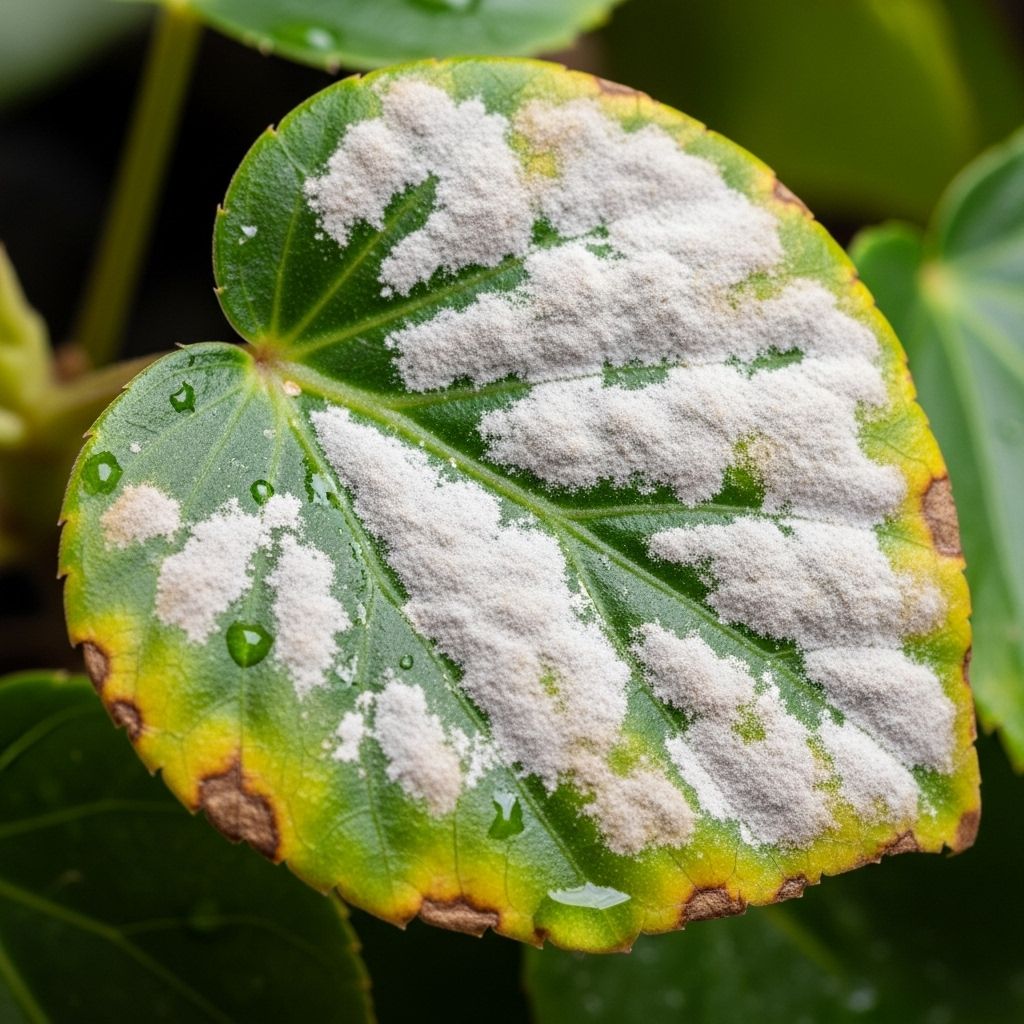
How to Get Rid of Powdery Mildew on Houseplants
Powdery mildew is a persistent and common problem affecting many houseplants. Characterized by a fine, white or gray powdery coating on leaves, stems, and even flowers, this fungal disease can weaken plants and stunt their growth if left unchecked. This comprehensive guide will help you identify, prevent, and eradicate powdery mildew using a mix of cultural practices, organic options, and chemical treatments, ensuring your indoor garden stays healthy and vibrant.
What Is Powdery Mildew?
Powdery mildew refers to a group of related fungal diseases that attack a wide variety of plants, both indoors and outdoors. The disease manifests as white, powdery spots that may look like talcum powder or flour, easily rubbing off the leaves or stems. While it often looks unsightly, powdery mildew can also significantly reduce the vigor of your plants, making early detection and consistent management crucial.
- Appearance: White or gray powdery blotches on leaves and stems
- Spread: Spores are scattered by wind and water, rapidly moving between plants
- Damage: Weakens plants, reduces blooming, and can stunt or deform growth
Common Houseplants Affected by Powdery Mildew
While powdery mildew can affect nearly any houseplant, some species are particularly susceptible. Early action can prevent the disease from spreading throughout your indoor collection.
- Begonias
- African violets
- Rubber plants
- Jade plants
- Fuchsias
- Many succulents
Other popular ornamentals, as well as many fruiting plants grown indoors, may show symptoms if exposed to favorable conditions for the fungus.
Why Does Powdery Mildew Occur Indoors?
Powdery mildew thrives in warm, humid environments with poor air circulation. Houseplants, especially when clustered together or overwatered, often provide ideal conditions for this fungus to persist and spread.
- Poor ventilation: Crowded plants allow spores to move easily from one leaf to another.
- Excess moisture: While powdery mildew does not require water to germinate, high humidity accelerates spore production and infection rates.
- Cool nights, warm days: Temperatures between 68°F and 86°F create prime conditions for the fungus.
- Water on foliage: Misting or watering leaves increases risk by enabling fungal attachment.
- Susceptible varieties: Some houseplants lack resistance and are easily infected.
Early Signs of Powdery Mildew
Recognizing powdery mildew in its early stages can make treatment straightforward. Look out for these telltale symptoms:
- Small circular white spots on upper or lower leaf surfaces
- Powdery or cottony film, which may feel dusty or granular to the touch
- Leaves that yellow, curl, or become distorted over time
- Premature leaf drop in severe infections
The white residue easily rubs off with your fingers or a cloth. Rapid response is crucial to avoid the disease spreading through your indoor garden.
Prevention: Cultural and Environmental Controls
Preventing powdery mildew is typically easier and more effective than treating an active infection. Several proactive cultural practices can help minimize fungal risks indoors:
- Choose Resistant Varieties: Opt for houseplant cultivars that advertise powdery mildew resistance, especially if you’ve had problems in the past.
- Proper Spacing: Keep sufficient distance between plants to allow for optimal airflow. Use a small fan if needed to circulate air around densely spaced specimens.
- Watering Practices: Water at the base of plants, avoiding wetting the foliage. Bottom watering is preferred whenever possible.
- Humidity Control: Reduce excessive humidity, particularly at night. Dehumidifiers or increased ventilation can help lower indoor moisture levels.
- Pruning and Sanitation: Routinely remove dead or infected plant parts. Always disinfect pruning tools between cuts with a bleach solution to prevent fungal spread.
- Avoid Over-Fertilizing: High-nitrogen fertilizers encourage new, soft growth that is most susceptible to infection. Apply fertilizers in recommended doses and avoid frequent applications.
- Monitor Closely: Inspect plants weekly, especially during periods of warm days and cool, humid nights.
Isolating and Managing Infected Plants
Despite best practices, infections can occur. The first step in managing powdery mildew is containment:
- Isolate infected plants immediately to prevent spores from spreading to healthy specimens.
- Pinch off or prune affected leaves, stems, or flowers. Discard all debris in closed garbage—not your compost pile, as this may spread the fungus further.
- Clean the area where the infected plant was placed, wiping down nearby surfaces and pots with a mild bleach solution.
Organic and Home Remedies for Powdery Mildew
Several organic solutions can be both effective and gentle on indoor plants. These should always be tested on a small section of the plant first to check for adverse reactions.
Baking Soda Spray
- Mix 1 tablespoon baking soda with 1/2 teaspoon liquid soap in 1 gallon of water.
- Optionally, add 1 tablespoon horticultural oil to help the spray stick to leaves and improve coverage.
- Spray generously on all affected and surrounding foliage, including the undersides of leaves.
- Repeat weekly, or after rainfall, to maintain control.
This spray is safe and non-toxic for most houseplants. However, some sensitive varieties may experience leaf burn or cosmetic damage, so always test before broad application.
Milk Spray
- Mix one part organic milk (avoid additives and preservatives) with nine parts water.
- Spray directly on all plant surfaces, thoroughly coating the leaves.
- Apply once a week and ensure good air circulation while the leaves dry to prevent secondary mold formation.
Milk’s effectiveness is attributed to natural enzymes and proteins, which appear to inhibit fungal growth. However, the smell of dried milk on foliage can be off-putting to some gardeners.
Neem Oil
- Neem oil, derived from the neem tree, can disrupt fungal reproduction by preventing spore germination.
- Make sure to follow the specific instructions on your neem oil product, as concentration and application rates vary between brands.
- Apply to both upper and lower leaf surfaces for best results.
Neem oil is widely used among organic gardeners as it offers a non-toxic option for powdery mildew control. Be mindful, however, of possible phytotoxicity on certain plants and test on a small leaf area first.
Potassium Bicarbonate Spray
- Mix 1 tablespoon potassium bicarbonate with 1 gallon of water and add 1 teaspoon mild soap (like Castile soap) to help with leaf adherence.
- Spray thoroughly on all affected foliage, ensuring coverage of both sides of the leaves.
- Reapply every 1–2 weeks as needed.
Potassium bicarbonate acts as a contact fungicide, killing spores quickly and raising the leaf surface pH, making conditions unfavorable for fungal persistence.
Chemical Controls: When to Use Fungicides
If powdery mildew persists or covers several of your indoor plants, chemical fungicides may be necessary. Always use products labeled safe for indoor use and follow manufacturer directions precisely.
- Systemic fungicides: Offer longer-lasting protection and may be essential for valuable or highly susceptible plants.
- Copper and sulfur-based fungicides: Broadly effective but can be corrosive if misapplied, and are best as a last resort for severe infections.
- Avoid spraying when beneficial insects (such as pollinators) are present in the vicinity.
- Multiple applications may be required to fully eradicate the infestation.
Integrated Management: Combining Tactics for Success
Relying on a single treatment is often less effective than a combined approach. An integrated management plan may include:
- Choosing resistant houseplant varieties
- Maintaining spacing and sanitation
- Routine monitoring and prompt removal of infected plant materials
- Alternating organic sprays with chemical controls for persistent cases
This layered method reduces the chance of powdery mildew taking hold in your collection and allows you to use chemicals sparingly and effectively.
Best Practices for Powdery Mildew Prevention
- Always buy healthy plants from reputable sources and inspect them thoroughly before bringing them into your home.
- Quarantine new arrivals for a week or more to detect possible diseases before they spread.
- Clean and disinfect pots, trays, and other tools between uses.
- Use disease-free soil and avoid reusing potting mixes from infected plants.
- Check for hidden sources of infection, such as stored plant debris or compost piles indoors.
- Use fans or open windows regularly to encourage airflow in growing areas.
Frequently Asked Questions (FAQs) About Powdery Mildew on Houseplants
Q: Is powdery mildew harmful to humans or pets?
A: Powdery mildew poses little direct risk to humans or animals, but it can seriously impact plant health and household aesthetics. It is not considered toxic, but always wash your hands after handling infected plants and avoid inhaling any spores or dust.
Q: Can I compost plants that had powdery mildew?
A: It is best not to compost plant material contaminated by powdery mildew, especially in small, cool, or slow compost piles. The spores may persist and infect future plantings.
Q: What is the fastest way to get rid of powdery mildew on houseplants?
A: Immediate isolation of affected plants and pruning off all infected areas is essential. Spraying with baking soda, neem oil, or potassium bicarbonate as described above can help stop disease spread quickly. For extreme cases, consider systemic fungicides labeled for indoor plants.
Q: Why does powdery mildew keep coming back on my plants?
A: Powdery mildew spores survive in plant debris, soil, and even air currents. If sanitation is incomplete or environmental conditions remain favorable, the disease can return. Consistency in prevention strategies is key.
Q: How do I use milk spray without creating other mold problems?
A: Always use diluted milk (1:9 with water), apply on a dry day, and provide abundant air circulation as the spray dries to avoid the formation of any secondary mold on plant surfaces.
Powdery Mildew Treatment Comparison Table
| Treatment | Pros | Cons | Best Practice |
|---|---|---|---|
| Baking Soda Spray | Cheap, safe, widely available, easy to mix | May cause leaf damage in sensitive species, unsightly residue | Spot-test first, reapply weekly |
| Milk Spray | Natural, inhibits some fungi, non-toxic | Leaves a smell, can promote mold if dry conditions are not present | Dilute well, use only on dry days |
| Neem Oil | Organic, disrupts fungus lifecycle | Some plants are sensitive, strong odor | Follow product labeling, test on few leaves first |
| Potassium Bicarbonate | Very effective, acts quickly, safe on most plants | May require multiple applications | Spray tops/undersides; repeat as needed |
| Chemical Fungicide | Strong, fast results, long-lasting | More toxic, environmental considerations, residue risks | Use as a last resort, wear gloves, follow all safety instructions |
Conclusion: Keeping Your Houseplants Powdery Mildew-Free
Powdery mildew is troublesome but manageable when you combine consistent cultural practices, organic remedies, and—only when necessary—chemical solutions. By keeping plants healthy, dry, and well-spaced, and responding quickly to early signs of infection, you can enjoy lush, mildew-free houseplants year-round. As always, prevention is much easier than cure, so make regular monitoring and good hygiene part of your gardening routine.
Similar Articles






Read full bio of Sneha Tete