Propagating Lemon Trees from Seeds: A Complete Guide
Learn the step-by-step process to grow healthy lemon trees from seeds, from germination to transplanting for rewarding results.
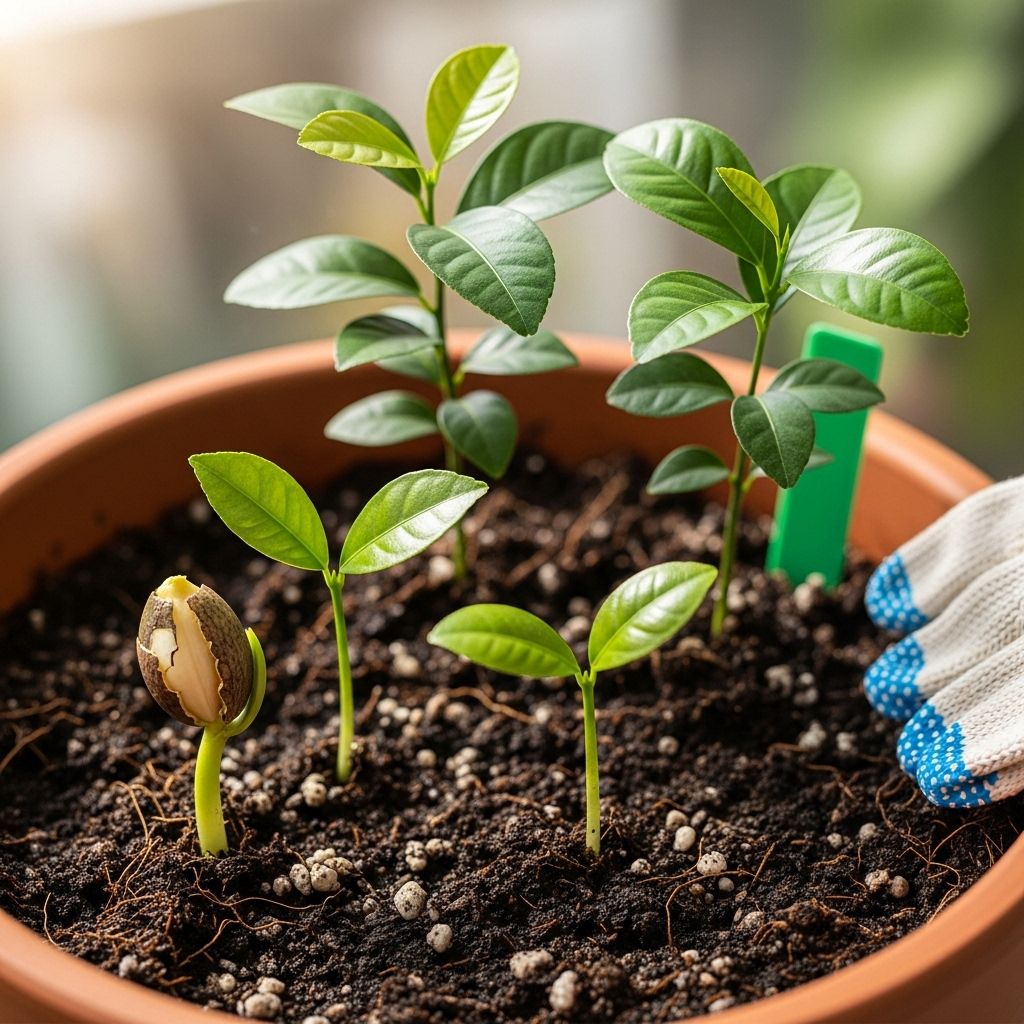
Growing a lemon tree from seed can be a highly rewarding and educational gardening project. Whether you aspire to cultivate homegrown citrus for ornamental purposes, or to experiment with starting new plants, the process offers joy, insight, and delicious results. This guide will walk you through each step: selecting seeds, preparing them, germinating, planting seedlings, and caring for young lemon trees as they mature.
Understanding Lemon Seed Propagation
Lemon trees (Citrus limon) may be propagated in several ways, including grafting, cuttings, and from seed. While most commercial growers prefer grafting for producing uniform fruit, propagating lemon trees from seeds is ideal for home gardeners who enjoy experimenting and learning.
Important Note: Trees grown from seed may not produce fruit identical to the parent due to genetic variation. Some may not bear fruit at all, and if they do, fruiting can take several years. Despite this, lemon seedlings make attractive indoor or outdoor specimens and are a joy to nurture.
Preparing Lemon Seeds for Planting
Proper seed preparation is key to success in germination and healthy seedling development. Follow these steps to begin your propagation journey.
- Select ripe, healthy lemons: Choose an organic lemon, avoiding fruit treated with chemicals that could inhibit germination.
- Extract seeds carefully: Slice the lemon crosswise and remove the seeds using clean hands or a utensil.
- Discard any shriveled, small, or damaged seeds.
- Larger, plump seeds tend to yield better germination rates.
- Clean the seeds: Rinse thoroughly under lukewarm water to remove the pulp and sticky coating. This helps prevent mold growth and disease during germination.
- Optional: Remove seed coat: Some gardeners accelerate germination by gently removing the hard seed coat using fingernails, nail clippers, or a small knife. Take care not to harm the soft seed inside.
Tip: If a gel-like layer surrounds the seed, remove this as well for faster sprouting. - Keep seeds moist: Do not let seeds dry out before planting. Keep them slightly wet during handling and preparation.
Germinating Lemon Seeds: Methods and Steps
Several approaches can be used to germinate lemon seeds. The following methods yield reliable results and are recommended for home growers:
Direct Soil Planting
- Choose containers: Use small pots or seed trays with drainage holes.
- Prepare soil: Select a pasteurized, high-quality potting mix. Cactus mixes or organic potting mediums work well, particularly in plastic pots that retain moisture. Pasteurization minimizes risk from soil-borne diseases.
Tip: DIY mixes are suitable if properly sterilized. - Plant seeds: Sow seeds immediately after preparation about 1 to 2 centimeters (½ inch) deep. Plant wet seeds and gently firm the soil around them.
- Moisten soil: Water the soil until evenly moist but not soggy.
- Mimic humidity: Cover containers with plastic wrap or a clear dome to maintain humidity. Ventilation holes are useful to avoid excess moisture.
- Maintain warmth: Keep pots in a warm environment, ideally around 70°F (21°C). Top of a refrigerator or a sunny windowsill are suitable spots.
- Monitor: Expect germination in 2–4 weeks if the seed coat was removed; otherwise, it may take up to 30 days or more. Check for mold or drying, and water if needed.
Paper Towel Germination (Baggy Method)
- Moisten paper towel: Prepare a few sheets of paper towel lightly dampened.
- Place seeds: Lay seeds at least 2–3 cm apart to allow root growth.
- Enclose: Fold seeds in towels, then seal within a food-grade plastic bag or tub.
- Store: Keep in a warm, dark place—such as a kitchen cupboard.
- Check regularly: Inspect every 2–3 days, ensuring moist but not waterlogged conditions. Light spritzing can maintain ideal humidity.
- Ready to plant: Transplant when each seed shows strong, off-white roots at least an inch long and, optionally, tiny stems.
Transplanting Lemon Seedlings
Once germination occurs and seedlings emerge, careful transplanting is vital for vigorous growth. Here’s how:
- Timing: Wait until seedlings have at least several leaves or roots at least 1 inch long.
- Choose pots: Use containers 4–6 inches (10–15 cm) wide, with drainage holes.
- Soil: Use the same pasteurized potting mix; cactus mixes can be preferred for moisture control in plastic pots.
- Transplant technique:
- Pry seedlings gently from their cell tray or starter medium with minimal root disturbance.
- Make a hole slightly larger than the seedling’s root mass.
- Place each seedling in the hole, matching soil level to original growth. Do not bury higher than seedling’s previous level.
- Firm soil gently around base to secure.
- Water thoroughly: Soak soil after transplanting to ensure ample moisture.
- Sunlight: Place pots where seedlings can receive bright, indirect sunlight until established. Direct harsh sun can scorch tender leaves.
- Spacing: If planting several seedlings in one pot for space reasons, make sure roots have room to spread for the first few months.
Care for Young Lemon Trees
Healthy lemon tree growth depends upon vigilant care during seedling and sapling stages.
- Water: Keep soil moist but not soggy. Check soil regularly and avoid allowing it to dry out completely.
- Light: Gradually acclimate seedlings to brighter light. After initial establishment, place in a spot with plenty of sun.
- Temperature: Maintain warmth, ideally above 65°F (18°C). Avoid cold drafts.
- Feeding: Begin fertilizing with a balanced liquid fertilizer once seedlings are established (typically after several sets of true leaves). Feed about once a month during active growth.
- Potting up: Re-pot seedlings into larger containers as they outgrow their pots. Lemon trees prefer room for their roots; a rootbound tree will stagnate.
- Pruning: Prune young trees lightly in early spring to encourage branching and bushier growth. Remove damaged or crowded shoots.
- Outdoors: Lemon seedlings can transition outside in late spring or summer when temperatures stay above 50°F (10°C). Acclimate slowly to avoid shock. Protect from wind and excessive sun while young.
Common Problems and Solutions for Lemon Seedlings
| Problem | Symptoms | Solution |
|---|---|---|
| Damping-off | Seedlings collapse or rot at soil line | Use sterilized soil; do not overwater; provide good airflow |
| Slow Germination | Seeds do not sprout after several weeks | Remove hard seed coat before sowing; maintain warmth (70°F) |
| Yellowing Leaves | Leaves turn pale; may drop | Increase sunlight; ensure adequate nutrients and avoid waterlogging |
| Wilting | Leaves and stem droop | Water consistently; avoid dry spells and rapid environment changes |
Tips for Success in Lemon Seed Propagation
- Use fresh seeds: Seeds from a just-picked lemon have the highest viability.
- Don’t skip cleaning: Remove all pulp and membrane to prevent rot.
- Humidity matters: A covered germination environment speeds up sprouting.
- Warmth is key: Maintain consistent temperatures for rapid germination.
- Label pots: Track varieties and germination dates for reference.
Frequently Asked Questions (FAQs)
Q: Can store-bought lemons be used for seed propagation?
A: Absolutely. Seeds from store-bought, preferably organic, lemons can be viable. Non-organic lemons may be treated with chemicals, so choose organic if possible.
Q: How long does it take for a lemon seed to sprout?
A: Germination typically occurs within 2–4 weeks if the hard seed coat is removed. If left intact, it can take up to 30 days or longer depending on conditions.
Q: Will a lemon tree grown from seed produce fruit?
A: Most lemon trees started from seed eventually flower and set fruit after a few years. However, fruit quality may differ from the parent due to seedling variation.
Q: When should I transplant my lemon seedlings into bigger pots?
A: Transplant when seedlings have several true leaves, or when roots are visible at the bottom of their starter container. As a general rule, move to larger pots every year as the tree grows.
Q: Can lemon trees grown from seed be planted outdoors?
A: Yes, in mild climates. Wait until plants are strong enough and risk of frost has passed. Gradually acclimate seedlings to outside conditions over a week.
Q: How often should I water young lemon trees?
A: Keep soil consistently moist, but not soggy. Allow the top of the soil to dry slightly between waterings for best growth.
Q: Is removing the hard seed coat necessary?
A: Not strictly required, but removing it speeds up germination and improves success rates.
Summary Table: Lemon Seed Propagation Steps
| Step | Key Actions |
|---|---|
| 1. Select Seeds | Choose healthy, fresh seeds from ripe lemons |
| 2. Prepare Seeds | Clean, optionally remove seed coat |
| 3. Germination | Sow in moist soil or paper towel, maintain warmth & humidity |
| 4. Transplant | Move seedlings to pots when roots/leaves emerge |
| 5. Seedling Care | Water, provide light, feed, and re-pot as needed |
| 6. Maturation | Prune and acclimate outdoors if desired |
Conclusion: Enjoy Growing Your Own Lemon Tree
Growing lemon trees from seed is an engaging and fruitful journey. By following the proper steps for seed preparation, germination, careful transplanting, and attentive care, you can cultivate strong, healthy plants with the potential for beautiful fruit years down the line. Even with genetic variation, your seed-grown lemons will offer vibrant foliage, fragrant flowers, and an enduring sense of accomplishment in your garden or home.
Similar Articles






Read full bio of Sneha Tete