Propagating Wisteria from Cuttings: Step-by-Step Guide
A complete guide to successfully propagating wisteria vines from softwood and hardwood cuttings for your garden.
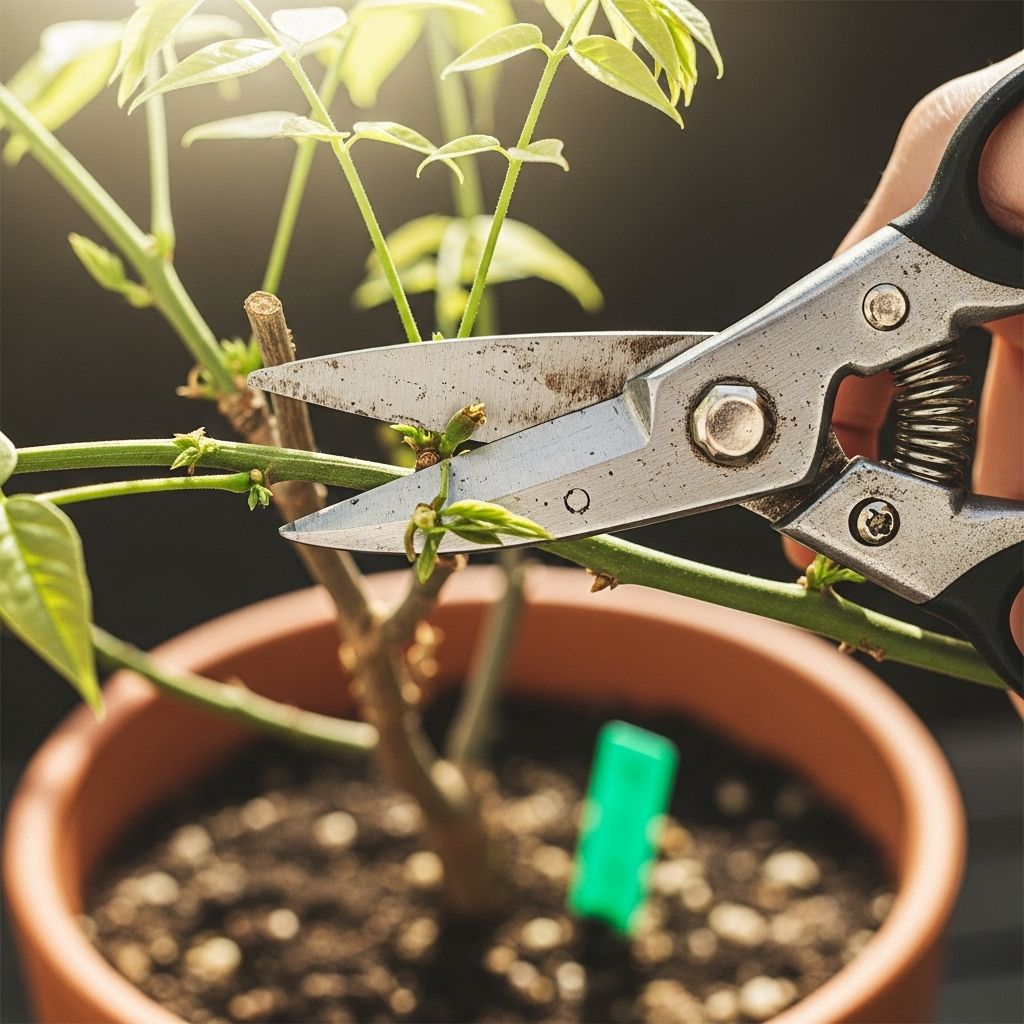
Propagating Wisteria from Cuttings: A Complete Guide
Wisteria is a classic ornamental vine valued for its lush foliage and cascading, fragrant flower clusters in shades of purple, pink, and white. Many gardeners hope to add wisteria’s beauty to their landscapes or to share this thriving plant with friends and family. While wisteria can be grown from seed, this method often requires years before the first bloom and doesn’t guarantee true-to-type flowers. By contrast, propagating wisteria from cuttings ensures vigorous growth and earlier flowering, making it the preferred method among gardeners.
In this article, you’ll find a complete, step-by-step walkthrough on how to propagate wisteria from cuttings, including vital preparation, post-rooting care, troubleshooting, and frequently asked questions.
Why Propagate Wisteria from Cuttings?
Wisteria can be propagated by several methods, including seed, layering, and cuttings. Cuttings, however, offer the best chance of producing healthy plants true to the parent vine. The process is straightforward and can even utilize pruned material, giving otherwise discarded growth a new life. Some key benefits:
- Faster maturation and flowering compared to seed-grown plants
- Plants inherit parent characteristics such as flower color and shape
- Economical: Propagating from cuttings is free and highly rewarding
- Ideal for personal and gift gardening
- Multiple propagations can be done from one healthy, established vine
Methods of Propagation: Softwood vs Hardwood Cuttings
Wisteria can be readily propagated by two primary types of cuttings:
| Type of Cutting | Best Timing | Characteristics |
|---|---|---|
| Softwood Cuttings | Late spring to early summer | Young, green, and flexible; root quickly |
| Hardwood Cuttings | Late winter to early spring (dormant season) | Mature, woody stems; slower to root, more resilient |
Which Should You Choose?
- Softwood cuttings are generally preferred for their faster success and stronger root production
- Hardwood cuttings are useful if you missed the softwood window or have winter prunings available
Step-by-Step: How to Propagate Wisteria Cuttings
The most popular and effective approach is growing softwood cuttings in late spring or early summer. Here’s how:
Step 1: Collecting the Cuttings
- Time it right: Take cuttings early in the morning when stems are well hydrated.
- Choose healthy stems: Look for soft, flexible, and green stems free from disease or pests. Avoid shoots with flower buds as they root less reliably.
- Length and leaves: Cut 3–6 inch (7.5-15 cm) sections, ensuring each cutting has at least two sets of leaves.
- Use clean, sharp tools (pruning shears or a sharp knife) to prevent damage.
Step 2: Preparing the Cuttings
- Remove lower leaves from the bottom half of the cutting; these are key points where roots will form.
- Trim just below a node (where leaves were attached), ¼–½ inch (1–6 mm) from the base.
- Trim off any flower buds, as they divert energy from root formation.
- Keep upper leaves, but cut large leaves in half to minimize moisture loss.
Step 3: Rooting Hormone Application
- Dip the base of each cutting into rooting hormone powder or gel to boost root development. Although optional, this step improves success rates.
- Shake off any excess powder.
Step 4: Planting the Cuttings
- Prepare a pot with a well-draining, moisture-retentive mix—use cutting compost or mix perlite/grit with regular compost.
- Make holes with a pencil or stick for your cuttings to prevent rubbing off the rooting hormone.
- Insert cuttings so at least one node is under the soil surface, firm in place.
- Space them apart to allow airflow.
Step 5: Humidity and Placement
- Water thoroughly so the medium is damp but not soggy.
- Create a humid environment: Cover the pot with a clear plastic bag, plastic dome, or propagator to retain humidity. Propping up the cover with sticks prevents leaf contact and rot.
- Place in bright, indirect light; avoid full sun, which can scorch tender stems.
- Maintain a temperature of around 18°C (65°F).
Step 6: Daily Care and Monitoring
- Open the cover briefly every few days to let in fresh air and prevent fungal buildup.
- Check moisture often: Keep the soil moist but never saturated.
- Watch for mold, wilt, or rot and remove any unhealthy cuttings promptly.
Step 7: Rooting and Potting On
- Rooting time varies from 4 to 8 weeks. Gently tug a cutting after a month; if you feel resistance, roots have started.
- Remove cover once new growth appears or roots are detected.
- Transplant each rooted cutting into its own pot of standard potting mix and continue to grow on in a sheltered, semi-shaded location until hearty enough to plant out.
- Gradually acclimatize rooted plants to outdoor conditions before final planting.
Alternative Method: Hardwood Cuttings
If you wish to propagate wisteria in winter using pruned, leafless shoots, the hardwood cutting technique is effective:
- Take dormant wood, 8–10 inches (20–25 cm) long, from healthy, one-year-old stems.
- Trim just below a node and remove any remaining leaf material.
- Dip the cut end in rooting hormone (optional), insert into well-draining soil outdoors or in pots, and keep moist.
- Spring rooting is slower but yields sturdy young plants.
Pro Tips for Successful Wisteria Propagation
- Always use clean tools to prevent transmitting diseases.
- Take multiple cuttings to increase your odds—some will root better than others.
- Label your pots with variety name, date, and cut type (soft/hardwood).
- Keep propagations away from direct wind and temperature extremes.
Care After Rooting: Transitioning Young Plants
Once roots are established, aftercare is essential for producing strong, garden-worthy vines:
- Pot individually in nutrient-rich potting soil.
- Water regularly, allowing topsoil to partially dry between waterings.
- Gradually acclimate to outdoor conditions over 1–2 weeks to avoid shock.
- Choose a permanent site with full sun and strong support—wisteria is a vigorous climber.
- Protect from late frost during transition if needed.
Frequently Asked Questions (FAQs)
Q: When is the best time of year to take wisteria cuttings?
A: Softwood cuttings root best in late spring to early summer. Hardwood cuttings are generally taken during the plant’s winter dormancy, in late winter or early spring.
Q: Do I need to use rooting hormone?
A: Rooting hormone is optional but recommended, as it significantly improves the success rate and speeds up root formation, especially for more challenging species.
Q: How long does it take for wisteria cuttings to grow roots?
A: Softwood cuttings may root in as little as four weeks, but some can take up to two months. Hardwood cuttings typically require a longer period to form roots.
Q: Can I propagate a mature wisteria vine?
A: Absolutely. Many gardeners successfully propagate beloved mature vines from softwood or hardwood material, preserving genetic lineage or sentimental value.
Q: Why do my cuttings wilt or rot instead of rooting?
A: Common reasons include excessive dryness, poor humidity control, fungal infection, using weak or diseased parent material, or planting too deeply. Maintain high humidity, avoid overwatering, use healthy material, and sterilize tools.
Common Issues & Troubleshooting Propagation
- Wilting or drooping: Usually from dehydration; cover promptly and ensure proper misting.
- Black or mushy stems: Indicates overwatering or fungal/bacterial infection—remove affected cuttings and use sterilized tools and containers.
- No rooting after 8 weeks: Try a fresh batch with rooting hormone; also, ensure proper ambient temperature and avoid direct sunlight.
- Roots appearing above soil: This indicates shallow planting; gently replant deeper while avoiding damage.
Key Takeaways for Propagating Wisteria Cuttings
- Softwood cuttings are the easiest and most reliable method for new gardeners.
- Timing is critical—collect cuttings in the optimal window and plant immediately.
- Humidity, cleanliness, and patience are your greatest assets in wisteria propagation.
- Grown from cuttings, wisteria will reward you years sooner than seed-grown vines, and with reliable blooms echoing the parent plant’s beauty.
Safety Note
Wisteria seeds and pods are toxic if ingested. Handle all plant parts with care, especially around children and pets. Wear gardening gloves to avoid skin irritation and always wash your hands after handling wisteria.
References & Resources
- Gardening Know How: Propagating Wisteria Cuttings
- Toronto Master Gardeners Q&A on Wisteria Cuttings
- Plantura Garden: Wisteria Overview
- Pumpkins & Petals: Rooting Wisteria from Cuttings
Similar Articles





Read full bio of Sneha Tete