A Complete Guide to Pruning Rhododendrons for Health, Shape, and Blooms
Learn effective pruning techniques for rhododendrons to encourage healthier growth, better blooms, and natural beauty.
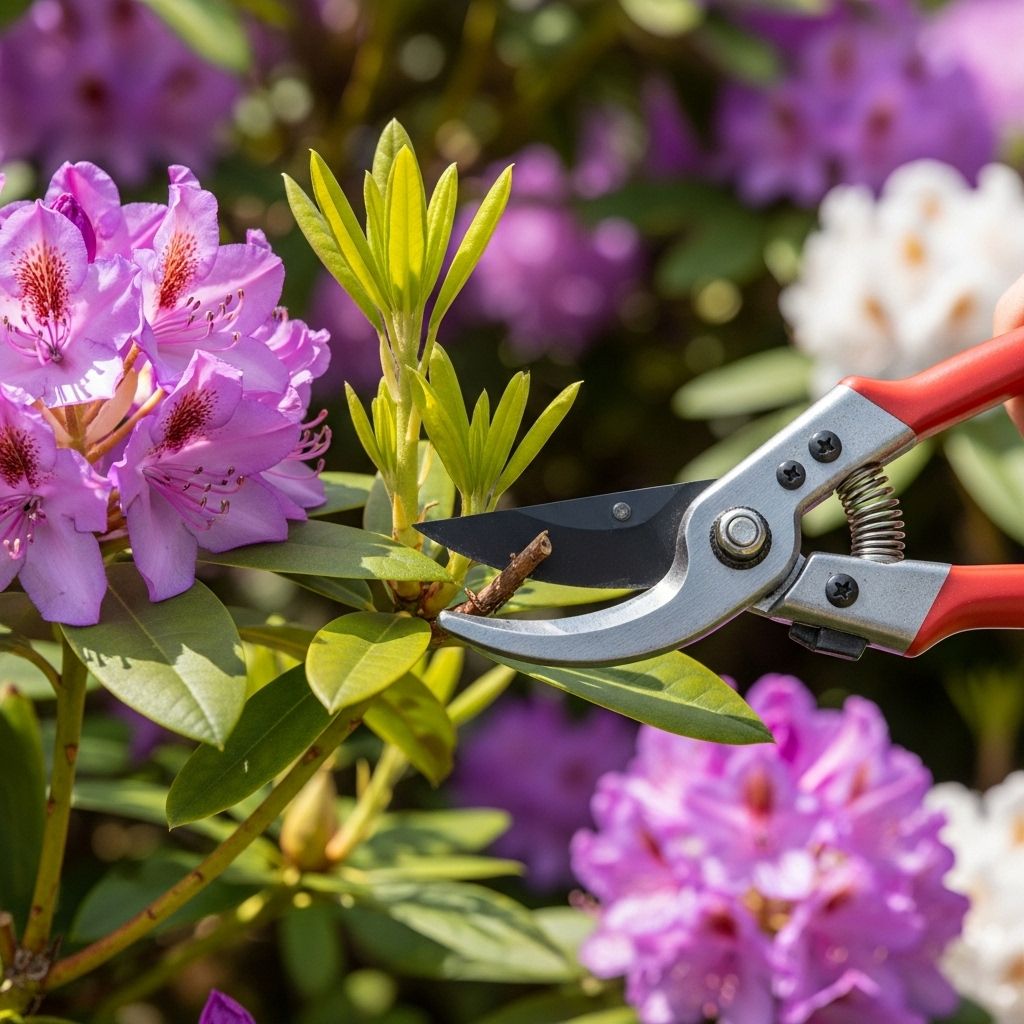
Pruning Rhododendrons: Methods, Timing, and Expert Tips
Rhododendrons are prized for their lush foliage and spectacular blooms, making them a staple in gardens worldwide. However, without regular pruning, these shrubs can become sparse, leggy, or overgrown, diminishing their natural beauty and vigor. Effective pruning not only maintains their shape but also promotes healthier growth and abundant flowering for years to come. This comprehensive guide covers everything you need to know about pruning rhododendrons, from basic techniques and practical tips to advanced rejuvenation methods.
Why Prune Rhododendrons?
- Encourage new growth: Pruning stimulates the development of fresh shoots and leaves.
- Increase flowering: Proper trimming promotes more blooms in the next flowering cycle.
- Improve air circulation: Thinning dense branches helps reduce disease risk.
- Restore an attractive shape: Pruning keeps the shrub well-formed and prevents it from becoming straggly or overgrown.
Understanding Pruning Techniques
Pruning rhododendrons can be categorized into three major methods, each serving a unique purpose. Knowing when and how to apply each technique will ensure your shrubs remain vigorous and beautiful.
1. Maintenance Pruning
Maintenance pruning is a gentle method focused on routine care. It primarily involves removing spent flower trusses, dead wood, and any diseased or damaged branches. This keeps plants healthy and diverts energy toward vegetative growth rather than seed formation.
- Snip off old flower clusters (trusses) directly at their base, about 1/2 inch above emerging new growth.
- Remove dead, diseased, or storm-damaged branches by cutting back to healthy wood.
- Use pruning shears instead of snapping trusses with your hand to avoid damaging new growth.
Tip: Disinfect pruners with rubbing alcohol between cuts to prevent spreading disease.
2. Thinning for Density and Form
Thinning aims to reduce the density of the shrub, reveal its natural form, and allow more light and air into the interior. This technique is especially important for rhododendrons, which tend to develop tangled, interwoven growth over time.
- Start by cleaning out dead, broken, or crossing branches from the inside of the plant.
- Work from the inside-out, bottom-to-top, and small-to-large, selectively removing branches at their base where they sprout from a larger branch.
- Remove redundant interior branches but avoid over-thinning; the goal is transparency, not a skeleton.
- After thinning inside, assess the outer shell of crowded shoots and thin those as needed for balance.
Best Practice: Never remove more than 25% of the living tissue in a single year to avoid stressing the plant.
3. Heading and Shaping Cuts
Heading cuts are used to stimulate new growth and increase shrub density. This involves trimming branches back by a certain length to shape the plant or encourage bushier growth.
- Cut branches just above a healthy whorl of leaves, about 1/4 inch above the topmost leaf cluster.
- Prune above a cluster of 2 or 3 buds for even better results.
- Leave a minimal stub where you cut to prevent die-back or pest problems, but avoid damaging the collar tissue on the mother branch.
4. Rejuvenation Pruning (Restoring Overgrown Shrubs)
Rejuvenation pruning is a drastic technique for restoring leggy, overgrown, or unattractive rhododendrons to a healthy condition. It is best performed in late winter or early spring while the plant is dormant.
- Each primary branch is cut at a different height to create a staggered, natural look.
- Cut some main branches back to 12–15 inches from the ground, others at 6 inches if needed.
- Leave some primary branches taller to support initial regrowth and avoid uniform stumping.
- New shoots will emerge from latent buds at the base, but flowering may be delayed for 2–3 years.
- For shrubs that require a deep cut, try pruning one branch severely the first year and assessing regrowth before proceeding with the rest.
Note: Not all rhododendrons survive harsh rejuvenation, especially those weakened by disease or poor nutrition. Observe recovery before continuing with further cuts.
When Is the Best Time to Prune Rhododendrons?
Timing is crucial when pruning rhododendrons to avoid interfering with their flowering cycle or causing stress.
- Maintenance Pruning: Usually done immediately after blooming, when flower buds for the next season are still forming.
- Thinning and Shaping: Can be performed any time the plant is actively growing, but avoid periods of freezing weather. Early spring is generally considered ideal.
- Rejuvenation Pruning: Best performed in late winter, before new growth appears.
Fertilize your shrub in late fall the year before major pruning. Fertilization afterward may result in leggy, less attractive growth as the plant recovers.
Tools Required for Pruning
- Hand pruners: For small branches and trusses.
- Loppers: Needed for thicker branches on mature shrubs.
- Pruning saws: For very old or large branches that hand pruners can’t handle.
- Alcohol or disinfectant: To sterilize tools between cuts and prevent disease spread.
How to Identify Healthy vs. Dead Wood
- Scratch the bark gently to reveal the cambium layer beneath. If it’s bright green, the branch is alive; if it’s brown or dry, it’s dead and should be removed.
Step-by-Step Pruning Instructions
- Begin with maintenance cuts: remove all spent flowers, dead wood, and obviously diseased branches.
- Move on to thinning: clean out crowded interior branches, working from the inside and bottom up.
- Shape the shrub using heading cuts where required to stimulate bushier growth and balanced form.
- If the bush is severely overgrown, plan rejuvenation pruning by cutting primary branches at staggered heights; do not remove all major stems at once.
Pruning Overgrown Rhododendrons
Large, neglected rhododendrons may require more drastic measures:
- Cut primary branches to varying heights (12–15 inches for most, 6 inches for a selected few if necessary).
- Expect a delay in flowering for up to 2–3 years as the plant rebuilds its framework and regrows new shoots.
- Always assess plant health before hard pruning; weak plants may not recover.
Aftercare and Recovery
- Water newly pruned shrubs consistently as they form new shoots and leaves.
- Apply mulch to moderate soil temperature and retain moisture.
- Monitor for signs of regrowth from latent or adventitious buds at the base of the plant.
- Do not fertilize immediately after pruning; instead, fertilize in late fall before pruning.
Common Pruning Mistakes to Avoid
- Over-pruning: Removing more than 25% of live tissue can severely stress the plant and may hinder recovery.
- Cutting too close to the branch collar: Damages the healing tissue and may invite disease.
- Leaving long stubs: Dead ends attract pests and rot; always trim just above a bud or leaf whorl.
- Pruning at the wrong time: Prune just after flowering to avoid removing next season’s buds.
Table: Pruning Methods Compared
| Method | Main Purpose | Ideal Timing | Impact on Blooms |
|---|---|---|---|
| Maintenance Pruning | Remove old flowers, dead/diseased wood | After blooming | Promotes healthy future blooms |
| Thinning | Reduce density, improve air circulation | Spring or as needed | Preserves flower display, improves health |
| Heading/Shaping | Shape, stimulate bushier growth | After blooming | Encourages compact foliage and new flowers |
| Rejuvenation | Restore overgrown/neglected shrub | Late winter to early spring | Delayed flowering for up to 2–3 years |
Frequently Asked Questions (FAQs)
Q: How often should rhododendrons be pruned?
A: Annual maintenance pruning is recommended after flowering, while thinning and shaping can be done every few years as needed. Rejuvenation pruning should only be performed on heavily overgrown or leggy shrubs.
Q: Can I rejuvenate any rhododendron by cutting it back severely?
A: Most species and hybrids tolerate drastic rejuvenation if healthy, but stressed or diseased plants may fail to recover. Always test one main branch before cutting back the entire shrub.
Q: Will heavily pruned rhododendrons bloom the following year?
A: After severe rejuvenation pruning, flowering may be delayed for up to 2–3 years as new shoots establish and mature.
Q: What should I do with the cuttings from pruning?
A: Healthy cuttings can be composted. Diseased or infested branches should be disposed of in green waste bins to prevent contaminating other plants.
Q: Is it necessary to prune rhododendrons every year?
A: While annual maintenance pruning is beneficial to remove dead flowers and wood, major shaping or thinning can be performed less frequently depending on the plant’s growth and health.
Final Tips for Pruning Success
- Plan your pruning ahead of time, observing the natural structure of your shrub before making cuts.
- Approach pruning in small steps rather than drastic changes. It is often better to prune lightly and repeat annually than to cut heavily in one session.
- Observe regrowth patterns after pruning and adjust your techniques for future years.
- Reward vigorous new growth with appropriate care, including water, mulch, and fall fertilization.
- Enjoy your rhododendron’s renewed vigor and beauty, made possible with care and thoughtful pruning.
Summary
Pruning rhododendrons is a rewarding practice that supports long-term health, structural integrity, and spectacular flower displays. By following proven techniques for maintenance, thinning, shaping, and rejuvenation pruning, gardeners can rejuvenate old shrubs, maintain compact forms, and prevent common diseases. Remember, timing and moderation are key to a healthy, blooming rhododendron year after year.
Similar Articles





Read full bio of medha deb