Raising Chickens 101: How to Build a Chicken Coop
Everything you need to know about building a safe, functional chicken coop for happy, healthy hens.
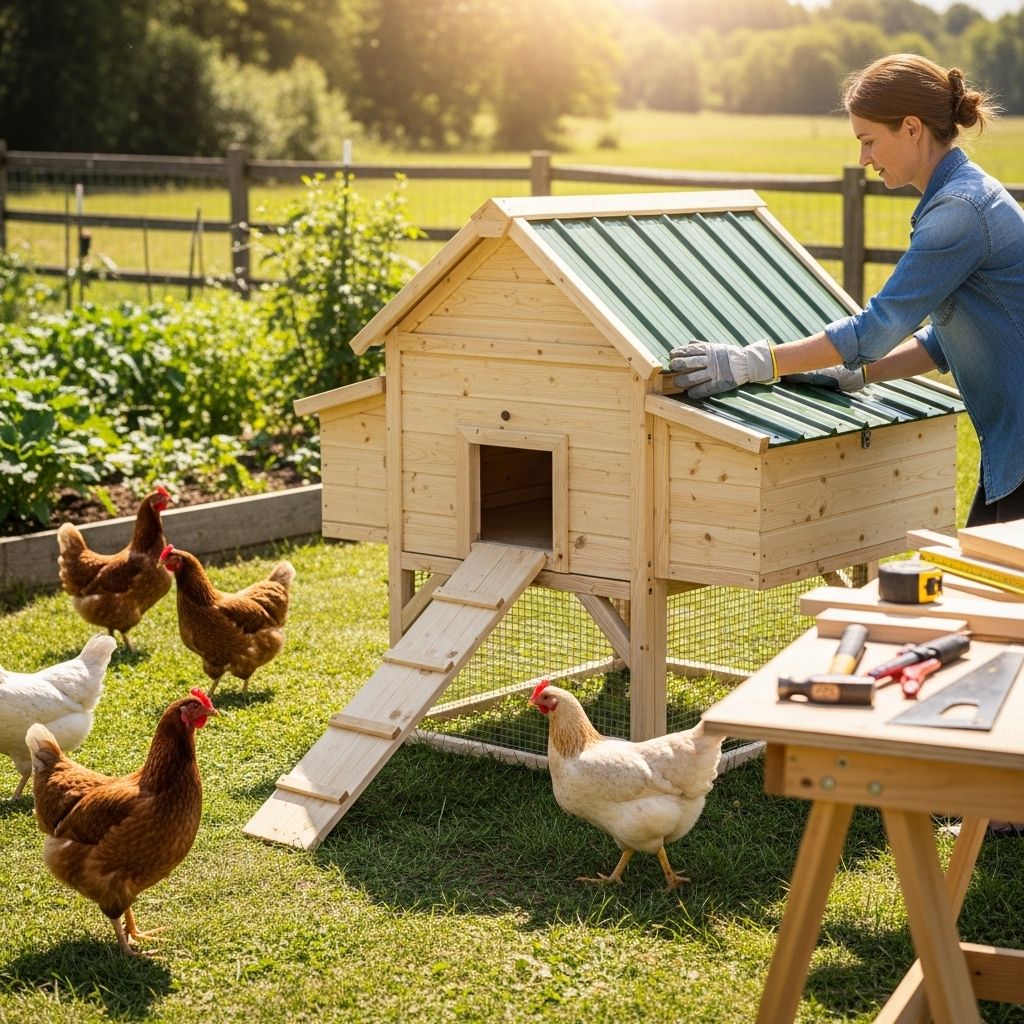
Backyard chickens are increasingly popular for those seeking fresh eggs, organic pest control, and a closer connection to sustainable living. At the heart of successful chicken-keeping lies the chicken coop—your birds’ home base, protection from predators, and source of comfort and productivity. Building the right chicken coop is essential for ensuring healthy, happy hens. This guide provides step-by-step advice for constructing and maintaining an ideal coop, suitable for beginners and seasoned keepers alike.
Why Build a Chicken Coop?
Raising chickens in your backyard offers numerous advantages, but chickens need shelter to keep them safe, healthy, and productive. A well-designed coop provides the following:
- Protection from predators: Raccoons, foxes, hawks, and neighborhood dogs all pose threats to chickens.
- Weatherproof housing: Shade in summer, warmth in winter, and dry shelter during rain.
- Nighttime safety: Chickens instinctively return to the coop each evening, where they can be locked in for protection.
- Egg production: Hens need secure, clean nesting boxes for laying eggs.
Choosing the Location for Your Coop
The coop’s location influences the health of your flock and the ease of daily chores. Consider the following tips:
- Good drainage: Avoid low-lying or flood-prone spots.
- Sunlight: Morning sun helps dry dew and keep the coop dry.
- Shade: A tree or tall shrub nearby offers cooling shade in summer.
- Wind protection: Position the door away from prevailing winds; windbreaks like fences, bushes, or buildings can help.
- Accessibility: Make sure you can reach the coop comfortably in all weather for feeding, watering, and egg collection.
How Big Should a Chicken Coop Be?
The size of the coop depends on your flock. Crowded hens can become stressed, noisy, and unproductive. Follow these guidelines:
- Inside the Coop: At least 2 to 3 square feet per chicken.
- Outside Run: At least 8 to 10 square feet per chicken.
- Nesting Boxes: One box for every 3–4 hens, each about 12″ x 12″ x 12″.
- Roosting Bars: Allow for 8–10 inches of perch space per chicken.
If you plan to keep your flock inside the coop for long periods (such as in winter), provide additional space to reduce boredom and aggression.
Essential Features of a Chicken Coop
A successful chicken coop must include several key features for both function and chicken well-being. These include:
- Solid floors and walls: Made from wood, hardware cloth (not chicken wire, which is easily breached by predators), or other sturdy materials.
- Ventilation: Proper vents near the roof or windows—covered with wire mesh—to ensure good airflow and reduce moisture, but avoid drafts at roosting level.
- Nesting boxes: Lined with straw or wood shavings, placed off the ground and away from food or water.
- Roosts/perches: Rounded or slightly squared bars, 2-4 inches wide, 2–4 feet above floor level.
- Predator-proof doors/latches: Use sturdy locks or carabiners to keep out raccoons and other clever animals.
- Easy cleaning access: Large doors and removable trays or floors simplify cleaning and egg collection.
Checklist: Chicken Coop Must-Haves
- Weatherproof roof
- Sturdy, rodent- and predator-proof construction
- A minimum of 2–3 square feet per hen inside
- Ventilation windows shielded with mesh
- Accessible nesting boxes (about 1 box per 3–4 hens)
- Roosting bars or perches
- Secure, easy-to-use latch on all doors
- Space for feeders and waterers
- Good drainage or slightly raised floor
Designing the Chicken Run
Outdoor runs provide vital space for exercise, sunlight, dust bathing, and natural pecking. When building your run:
- Enclose with heavy-duty galvanized hardware cloth (not chicken wire) at least 3 to 4 feet high.
- Bury mesh 12 inches into the ground to deter digging predators.
- Cover the top or install netting to block hawks and climbing raccoons.
- Provide partial shade—used fencing or lightweight fabric works in summer.
- Allow 8–10 square feet per hen in the run; more is better for foraging and pecking.
Sample Chicken Coop and Run Dimensions Table
| Number of Chickens | Min. Coop Size (indoors) | Min. Run Size (outdoors) | Nesting Boxes |
|---|---|---|---|
| 4 | 8–12 sq ft | 32–40 sq ft | 1–2 |
| 8 | 16–24 sq ft | 64–80 sq ft | 2–3 |
| 12 | 24–36 sq ft | 96–120 sq ft | 3–4 |
Predator-Proofing Your Coop
Predators are the number one threat to backyard chickens. To secure your flock:
- Use hardware cloth instead of standard chicken wire to secure all windows, vents, and exposed gaps.
- Cover or bury wire mesh 12–18 inches beneath the run to stop digging animals.
- Finish all doors and windows with sturdy latches and locks, not simple hooks.
- Inspect for holes or weak spots regularly; many predators are highly persistent.
Nesting Boxes: Comfort for Laying Hens
Nesting boxes are key for egg-laying. Each box should be around 12″ square, lined with clean straw or wood shavings. Key guidelines:
- One box for every 3–4 hens.
- Boxes should be lower than the roosts to discourage nighttime use.
- Check and gather eggs daily to keep boxes clean and discourage brooding or egg eating.
Roosts and Perches
Chickens need roosting bars (perches) to sleep off the ground safely. Install perches at least 2 feet above the floor, using wood that is 2–3 inches wide with rounded edges for comfort. Leave 8–10 inches of perch space per bird to prevent crowding.
Cleaning and Maintenance
Keeping your coop clean is vital to flock health. Good cleaning practices include:
- Remove soiled litter and droppings regularly—at least once a week in most climates.
- Use absorbent bedding—such as straw, pine shavings, or sand—to keep floors dry.
- Disinfect feeders, waterers, and nesting boxes periodically with a mild, non-toxic solution.
- Air out the coop often to reduce ammonia buildup and respiratory problems.
- Replace bedding every month or as needed to minimize mites and flies.
Ventilation: The Importance of Fresh Air
Adequate ventilation in the coop is essential for the health of your flock, preventing moisture buildup and reducing the risk of respiratory illnesses. Install vents near the roof and cover with mesh to keep out pests. Avoid positioning vents at chicken-level where drafts could directly hit roosting birds, especially in cold weather.
Winterizing Your Coop
Chickens are hardy, but proper preparations help them thrive during the colder months. Consider these winter tips:
- Block direct drafts but keep ventilation openings at the top of the coop.
- Use extra bedding, such as straw or shavings, for insulation.
- Monitor for frostbite, especially in combs and wattles—apply petroleum jelly as needed.
- Check waterers daily to prevent freezing—heated water bowls can be helpful.
- Let sunlight in during the day for warmth and to help dry the coop.
Feeding and Watering Setup
Chickens need constant access to fresh, clean water and well-balanced feed. Place feeders and waterers off the ground to keep them clean and reduce spillage. Keep them inside the coop in winter to prevent freezing, but in well-sheltered areas of the run in summer to encourage foraging. Avoid placing them directly under roosts to prevent droppings from contaminating the food and water.
Frequently Asked Questions (FAQs)
How many chickens should I start with?
Start with at least three hens—they are social animals and do best in groups. Consider your space and egg needs; a small flock of 4–6 hens is popular for families.
Can I use chicken wire to build my coop?
Chicken wire is designed to keep chickens in, not predators out. Use hardware cloth, which is much stronger, especially around all openings and the run.
How often should I clean my chicken coop?
Remove droppings and wet bedding weekly; do a full clean and bedding change monthly or as needed depending on flock size and climate.
Do chickens need heat in winter?
Chickens are naturally equipped to handle the cold. With proper shelter, ventilation, and dry bedding, they rarely need additional heat. Too much heat can be dangerous.
Can I let my hens free-range?
Yes, but consider the risks from predators and neighborhood hazards. Supervised free-range time, a secure run, and vigilance offer the best balance between safety and opportunity for natural behaviors.
Conclusion: Start Building Your Chicken Coop
Building a chicken coop is a rewarding project that pays off with healthier, happier birds and a steady supply of fresh eggs. Plan carefully, use sturdy materials, and focus on predator-proofing and ventilation. With attention to these basics, you’ll create a comfortable and productive home for your backyard flock, ensuring your chickens thrive in every season.
Similar Articles








Read full bio of Sneha Tete