How to Care for Raspberries in Winter: Complete Guide
Prepare, protect, and enjoy your raspberries by mastering winter care for strong spring growth and bountiful harvests.
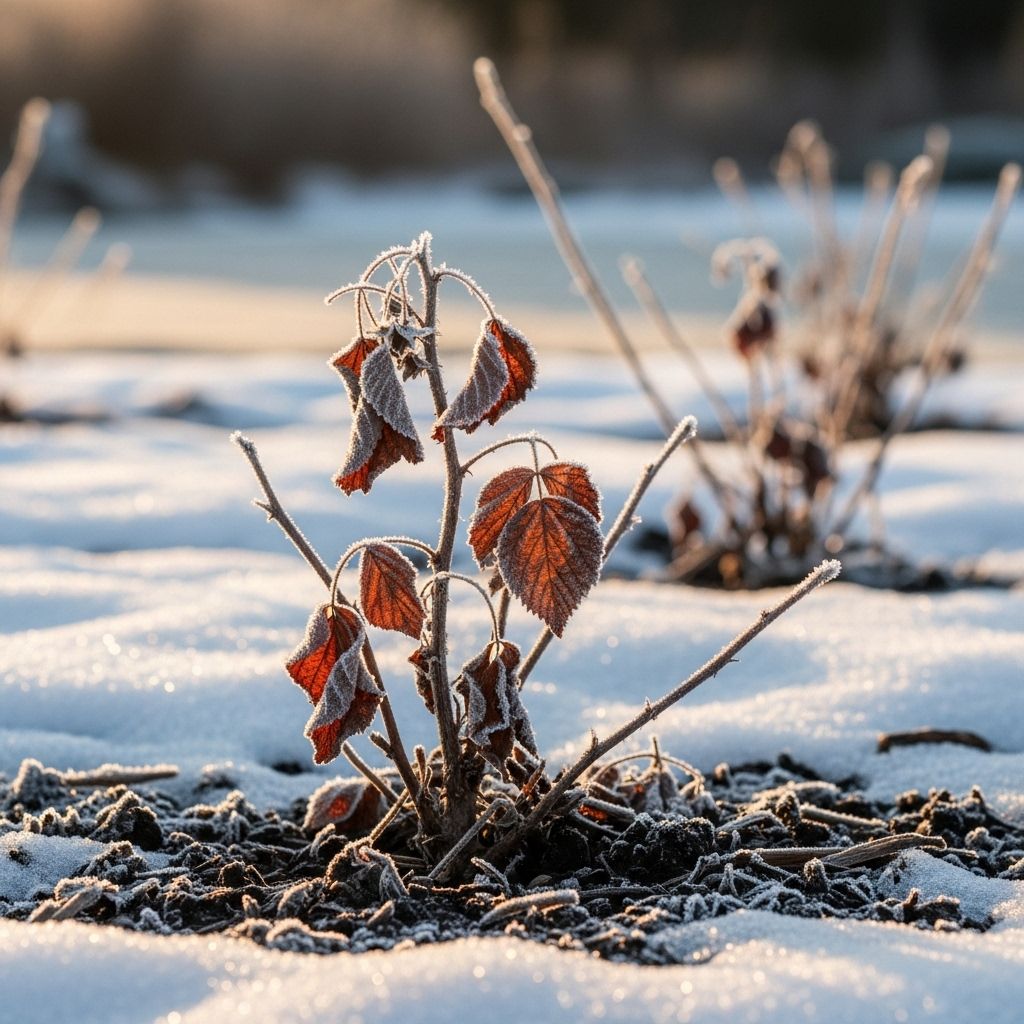
If you want your raspberry plants to thrive and provide you with sweet, juicy berries year after year, giving them the right winter care is essential. Winter brings challenges for these fruitful canes, but with simple measures like pruning, mulching, and protection, your raspberry patch can bounce back stronger each spring. This guide covers all you need to know about winter raspberry care, whether you grow them in the ground or containers.
Essential Winter Care for Raspberries
Cold weather can stress raspberry plants and potentially damage the canes that bear fruit the following season. With strategic preparation, you can protect your raspberry canes from harsh conditions and help set the stage for vigorous spring growth.
Why Winter Care Matters
- Raspberries are perennial plants: The roots and base of stems survive winter, sprouting new canes that later flower and fruit.
- Cold and frost can harm canes: Unprotected stems may suffer dieback, reducing the next year’s yield.
- Proper care preserves the plant’s energy: Removing dead or diseased wood allows the plant to focus on producing new, healthy shoots in spring.
Types of Raspberries and Their Winter Hardiness
Not all raspberries are equally cold-hardy. Understanding your variety helps determine the level of winter care required.
| Type | Description | Winter Hardiness |
|---|---|---|
| Summer-bearing | Produce fruit on second-year (floricane) canes, usually June–July | Often hardy to USDA zone 4, some to zone 3 |
| Everbearing (Fall-bearing) | Produce fruit on first-year (primocane) canes in late summer/fall | Somewhat less hardy, reliably in zones 4–8 |
| Red Raspberries | Most common for home gardens, sweet-tart flavor | Most varieties hardy to zone 3 |
| Yellow & Black Raspberries | Specialty varieties, often less cold-hardy | Usually hardy to zone 5 or warmer |
Pruning Raspberries for Winter
Pruning is a cornerstone of winter raspberry care because it prevents disease, encourages new growth, and ensures better fruit set next season. The correct timing and technique depend on whether you have summer-bearing or everbearing (fall-bearing) raspberries.
Pruning Summer-Bearing Raspberries
- Prune right after harvest (late summer into fall), not in winter.
- Remove all canes that bore fruit during the past season (they won’t fruit again).
- Thin out crowded canes, leaving the strongest, healthy first-year canes for next year’s fruiting.
- If canes were not pruned after harvest, prune any remaining dead or weak canes in late fall or very early spring before buds break.
Pruning Everbearing (Fall-Bearing) Raspberries
- After the first hard frost, cut all canes to the ground if you want a single late-summer to fall crop the next year.
- For a split crop (summer and fall), only prune back the top fruited portion; leave the lower half of canes to fruit again in early summer.
- Remove any diseased or obviously weakened canes entirely.
Mulching Methods for Raspberry Beds
Mulching is vital for protecting raspberry roots from freezing, conserving soil moisture, and improving soil structure. The right mulch also discourages weed growth and provides nutrients as it breaks down.
- Apply 2–4 inches of organic mulch (straw, shredded leaves, pine needles, or wood chips) around the base of your raspberry canes after the ground has frozen.
- Keep mulch a couple of inches away from the canes to prevent rot.
- Remove or thin mulch in spring to allow the soil to warm up quickly.
- In cold regions (zones 3–5), mulch provides valuable insulation for winter survival.
Covering and Protecting Raspberries from Extreme Cold
For regions with harsh winters, additional steps may be required to shield raspberries from cold injury:
- Bend and tie canes down to the ground so they can be covered for insulation.
- Cover canes loosely with evergreen boughs, straw, or frost blankets to buffer against heavy snow or wind.
- Remove any covers gradually in early spring, as days warm but before new growth resumes.
- Monitor for signs of mold or rodent activity under coverings and adjust as necessary.
Winterizing Raspberry Plants in Containers
Container-grown raspberries require extra caution, as their roots are more exposed to freezing temperatures than those planted in the ground.
- Move pots to a sheltered area, such as an unheated garage, shed, or close to the house to reduce wind and temperature swings.
- Insulate containers by wrapping with burlap, bubble wrap, or layers of mulch.
- Water deeply before the first freeze, but do not keep the soil soggy throughout winter.
- Reduce watering significantly during dormancy; only provide occasional moisture to prevent complete drying out.
- If possible in especially cold zones, plunge pots into the ground or a pile of mulch for added insulation.
Troubleshooting Common Winter Raspberry Problems
Even with careful preparation, raspberries may face some typical winter challenges. Here’s what to watch for and how to prevent them.
- Winter dieback: Canes turn brown or black and may crack. This results from severe cold or wind. Solution: Prune out dead portions in early spring and increase winter covering next year.
- Rodent damage: Voles and mice may gnaw at raspberry canes under mulch or snow. Solution: Use rodent guards and avoid overly thick mulch against stems.
- Fungal diseases: Persistent snow cover and poor air circulation may favor disease. Avoid excessive mulch and dispose of all pruned and fallen material away from the bed.
- Poor drainage: Winter wet feet can cause root rot. Ensure your raspberry patch is well-drained and consider raising beds in heavy soil.
Spring Recovery: What to Do When Winter Ends
Proper spring actions ensure any winter-damaged plants recover quickly and prepare them for a successful harvest.
- As snow melts, gradually remove winter coverings and excess mulch to allow for warming and drying of the soil.
- Inspect canes for winter damage—prune any leftover dead or diseased wood immediately.
- Apply a balanced fertilizer or well-rotted compost in early spring to encourage strong new growth.
- Re-tie canes to supports and set up any necessary trellising before new shoots grow too tall.
Companion Practices: General Raspberry Maintenance
Winter is also a good time to review and enhance your raspberry patch layout and long-term health.
- Plan to rotate or thin dense plantings every 5–7 years to prevent disease buildup.
- Consider ordering and planting new canes in early spring if any plants were lost over winter.
- Practice good sanitation: remove pruned material, dead leaves, and weeds to reduce pest and disease pressure.
FAQ: Winter Raspberry Care
Q: Do all raspberry varieties need winter protection?
A: Most red raspberry varieties are hardy down to -20°F or even lower. Black and yellow raspberries, and some fall-bearing varieties, may need more extensive mulching or shelter in areas colder than USDA zone 5.
Q: Can I use plastic as mulch over raspberries?
A: Avoid using plastic sheets directly on beds in winter, as they block airflow and can trap excessive moisture, increasing fungal risks. Natural mulches like straw or shredded bark are better for insulation and soil health.
Q: When should I remove winter coverings from my raspberry plants?
A: Gradually remove coverings as soon as the risk of severe frost has passed, but before buds swell—typically in early to mid-spring depending on your zone.
Q: Can I keep container raspberries outside during winter?
A: Only if you live in mild climates (USDA zones 7–9). In colder zones, move pots to a sheltered area and wrap or mulch for protection. Prolonged freezing can kill roots in containers.
Q: How do I know if my raspberry canes survived winter?
A: In spring, scrape the bark with your fingernail. If the tissue underneath is green, the cane is alive. Brown or brittle canes should be pruned away.
Summary Table: Winter Raspberry Care Checklist
| Task | Timing | Notes |
|---|---|---|
| Prune dead canes | Post harvest, late fall or early spring | Encourages healthy regrowth; timing varies by variety |
| Apply mulch | After ground freezes | 2–4 inch layer, organic materials preferred |
| Cover/support canes | Before major snowfall | Bend/tie as needed, use boughs or frost cloth |
| Water containers | Before freeze, sparingly over winter | Prevent complete drying out, avoid soggy soil |
| Inspect/remove covers | Early spring | Check for mold, disease, and rodent damage |
Conclusion: Set Up for a Bumper Crop
With a few critical steps before and during winter, you can ensure your raspberry plants not only survive the colder months but return stronger for the next growing season. Pruning, mulching, and timely covering are simple yet effective ways to extend the life and productivity of your raspberries. Whether you’re growing classic red cultivars in the ground or treasured varieties in containers, good winter care lays the foundation for a beautiful and bountiful summer harvest.
Similar Articles




Read full bio of medha deb