How to Grow and Care for Red Star Dracaena Plants Indoors and Out
Discover expert tips for nurturing Red Star Dracaena, from watering routines to lighting, propagation, and seasonal care for vibrant, healthy plants.
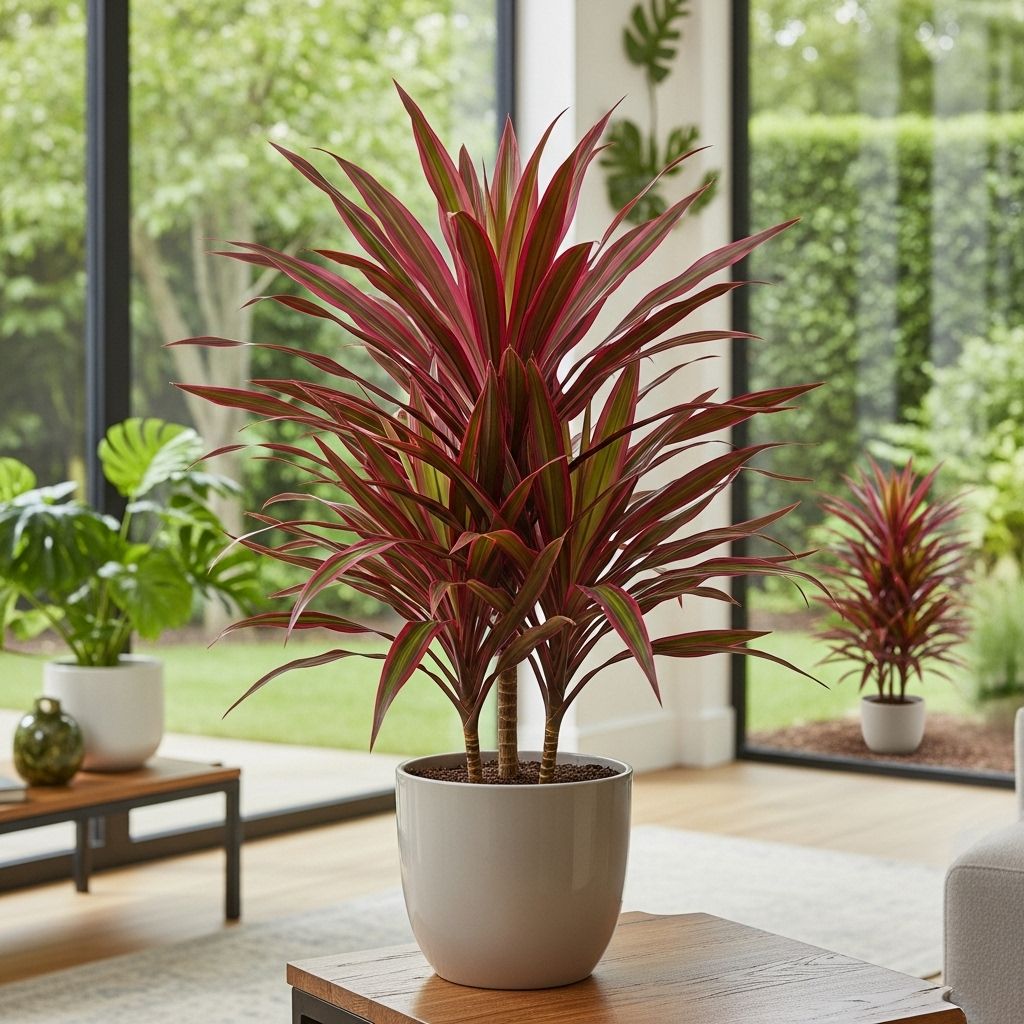
How to Grow and Care for Red Star Dracaena Plants
The Red Star Dracaena (Cordyline australis ‘Red Star’) is prized for its striking burgundy foliage and structural form, making it a favorite for both garden beds and as a houseplant. Easy to maintain and highly adaptable, this plant is a resilient choice for gardeners seeking dramatic color and shape indoors or out. This comprehensive guide will help you understand how to cultivate, maintain, and enjoy flourishing Red Star Dracaena plants year-round.
Red Star Dracaena Care Essentials
The key to success with Red Star Dracaena is balancing its basic needs: water, light, humidity, and soil quality. Adapting your routine to the season and its environment ensures a robust, vibrant plant.
Watering
- Growing season: Water regularly when the soil feels dry to the touch, but avoid waterlogged conditions. The amount of water required depends on the plant’s exposure; sunnier spots and container-grown plants often need more frequent watering than those in shade or planted in the ground.
- Winter months: Red Star Dracaena generally enters dormancy and needs very little water. Only water when the soil is completely dry; overwatering increases the risk of root rot during this time.
- Humidity: During winter, indoor heating can dry the air. Increase humidity using a pebble tray or humidifier, but avoid allowing the pot to sit directly in water, which can cause rot.
Light Requirements
- Outdoors: Tolerates full sun to partial shade, but brighter light enhances its foliage color. Some protection from the harshest midday sun is helpful in very hot climates.
- Indoors: Place near a bright, indirectly lit window. Avoid direct afternoon sun to prevent leaf scorch.
Soil and Fertilizer
- Best grown in well-draining, moderately fertile soil. Amend heavy or compacted soils with compost to improve drainage.
- For container plants, use a quality all-purpose potting mix with added perlite or sand for drainage.
- Fertilize monthly during the growing season (spring through early autumn) with a balanced 10-10-10 fertilizer diluted to half-strength. Cease fertilizing in winter when growth slows.
Temperature and Hardiness
- Thrives in daytime temperatures between 65–80 °F (18–27 °C). Protect from temperatures below 50 °F (10 °C).
- Red Star Dracaena is perennial in USDA hardiness zones 9–11. In cooler regions, grow in containers to easily move plants indoors before the first frost.
Seasonal and Indoor Care
For those living in colder climates, Red Star Dracaena can transition smoothly into a houseplant.
- Before frost: Bring the plant indoors to prevent cold injury.
- Indoors: Place near a bright window. Reduce watering and increase humidity. Avoid drafts from windows or heating vents.
- Winter resting: Accept that the plant will grow slowly or stop growing in winter. Water sparingly and withhold fertilizer until spring resumes active growth.
Pruning and Maintenance
Minimal pruning is needed, but regular grooming and occasional cutting back can promote a bushier, fuller appearance.
- Trimming: Remove brown leaf tips and dead foliage with sterilized scissors for a tidy appearance and improved photosynthesis.
- Shaping: To encourage a fuller look, cut back the tallest shoots or heads. New growth will often emerge from the sides, creating a more compact, bushier habit.
- Propagation: Healthy stem cuttings can be rooted in water or moist potting mix to propagate new plants, making great gifts or backups for your garden.
Repotting
- Repot every 2–3 years or when the plant becomes root-bound. Use a pot just slightly larger than the previous one.
- Refresh the top few inches of soil annually to provide nutrients and promote drainage without disturbing the root system.
Common Problems and Pest Management
Red Star Dracaena is generally pest-resistant but can be susceptible to issues if stressed or weakened. Traditional problems include:
- Overwatering: Can cause root rot and yellowing leaves. Always ensure pots have drainage holes and let soil dry between waterings.
- Underwatering: Brown tips or crispy leaf edges are signs of drought stress.
- Fluoride toxicity: Dracaenas are sensitive to fluoride often present in tap water, which may cause brown leaf edges or yellowing. Use purified, distilled, or rainwater whenever possible.
- Pests: Occasionally, spider mites, scale, and mealybugs may appear. These can be removed by wiping with 70% rubbing alcohol or using an insecticidal soap as needed. Boost plant resilience by maintaining proper care and avoiding over-fertilization.
- Leaf loss: Normal for lower, older leaves to yellow and fall off as the plant grows; extensive drop may signal watering issues or poor drainage.
- Dust: Clean leaves gently with a soft, damp cloth to maximize photosynthesis and plant health.
Red Star Dracaena in Garden Design
The bold color and architectural shape of Red Star Dracaena make it a natural centerpiece in container gardens or as an accent in mixed beds and borders.
- Companion planting: Pair with soft-leaved perennials or trailing annuals for striking contrast of color and form.
- Containers: Ideal for patios and entryways—group with other tropical foliage for maximum drama.
- Drought tolerance: Well-established plants can tolerate periods of dryness, making them suitable for low-water garden beds.
Seasonal Care Guide
| Season | Care Instructions |
|---|---|
| Spring | Resume regular watering and feeding as growth begins. Prune as desired to shape plants. Repot if root-bound or revitalizing soil. |
| Summer | Maintain consistent watering, fertilize monthly, and check for pests. Move outdoor containers to partial shade if heat is extreme. |
| Autumn | Reduce fertilizing as growth slows. Gradually decrease watering. Prepare to bring pots indoors before frost if grown in cool climates. |
| Winter | Keep in bright indoor light, water sparingly. Increase humidity indoors if possible. Do not fertilize. |
Propagation and Repotting
Expanding your collection or rejuvenating leggy plants is straightforward with Red Star Dracaena. Follow these guidelines for the healthiest starts.
- Propagation via cuttings: During the active growing season, cut a healthy stem section just below a node (leaf joint). Remove lower leaves and place the cutting in moist potting mix or water until roots form. Transplant to a permanent pot when roots are well developed.
- Repotting: Best done in spring. Select a pot just 1–2 inches wider. Gently tease roots, remove old soil, and replace with fresh, well-draining mix. Water thoroughly after repotting and resume regular care.
Pet and Child Safety
- Dracaena leaves are toxic if ingested by pets (especially cats and dogs) and humans. Keep plants out of reach to prevent accidental ingestion. Symptoms of ingestion include vomiting, drooling, and stomach upset.
Troubleshooting Guide
| Issue | Possible Cause | Solution |
|---|---|---|
| Brown leaf tips | Underwatering or low humidity | Increase humidity and water consistently, avoiding drought stress |
| Yellowing leaves | Overwatering, poor drainage, or fluoride toxicity | Check soil moisture, improve drainage, use distilled water |
| Leaf drop | Normal aging, drastic temperature changes, or underwatering | Remove old leaves, stabilize environment, water properly |
| Stunted growth | Low light, nutrient deficiency | Move to brighter spot, fertilize during growing season |
| Spotted leaves or sticky residue | Pests (mealybugs, spider mites, scale) | Wipe with alcohol, treat with insecticidal soap |
Frequently Asked Questions (FAQs)
Q: How often should I water my Red Star Dracaena?
A: Water when the soil feels dry to the touch during active growth. In winter, reduce watering, letting the soil almost completely dry between waterings.
Q: Why are the tips or edges of my Dracaena leaves turning brown?
A: This is commonly due to underwatering, low humidity, or fluoride in tap water. Increase humidity, water consistently, and use distilled or rainwater.
Q: How do I make my Dracaena bushier?
A: Prune the tallest shoots or cut the main stem back to encourage new lateral growth, resulting in a fuller plant.
Q: Is Red Star Dracaena safe for pets?
A: No, all Dracaenas are toxic to cats, dogs, and humans if ingested. Keep plants out of reach.
Q: Can Red Star Dracaena survive outdoors year-round?
A: Only in USDA zones 9–11 where winter temperatures remain above freezing. Elsewhere, grow in containers and bring inside before frost.
Additional Tips for Thriving Red Star Dracaena
- Regularly dust leaves to promote efficient photosynthesis.
- Rotate potted plants occasionally for even growth.
- Feed only during the growing season to avoid salt buildup in the soil.
- Check root health when repotting; healthy roots are white and firm.
- Always use clean tools when pruning or propagating to minimize infection risks.
With proper care and attention to their unique needs, Red Star Dracaena will reward you with stunning, long-lasting color and striking form in any indoor or outdoor space.
Similar Articles


Read full bio of medha deb