Seattle Long Range Weather Forecast: A Detailed Look Ahead
Comprehensive month-by-month long range weather overview for Seattle, including temperature, precipitation patterns, and seasonal highlights.
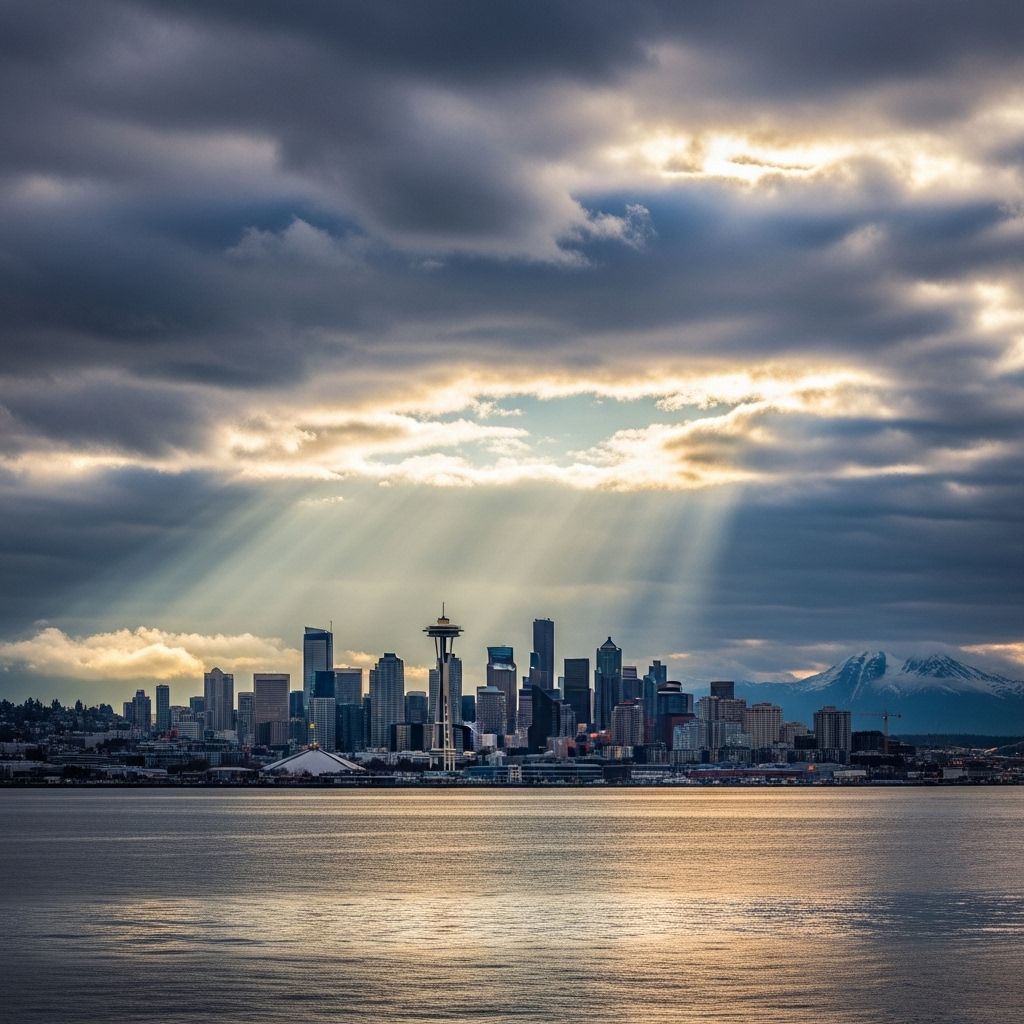
Seattle Long Range Weather Forecast: An In-depth Overview
Seattle, Washington is renowned for its lush landscapes, iconic skyline, and, of course, its unique weather. Understanding Seattle’s long range weather patterns is essential for everyone from residents planning daily commutes to travelers scheduling their next adventure. This article provides a comprehensive monthly preview of Seattle’s upcoming weather, breaking down projected temperatures, precipitation trends, climate influences, and answers to frequently asked questions about Seattle’s climate for 2025 and beyond.
Table of Contents
- Seasonal Weather Trends in Seattle
- Monthly Weather Breakdown for Seattle
- Climate Influences: La Niña, ENSO and More
- Weather Preparation Tips
- Frequently Asked Questions
Seasonal Weather Trends in Seattle
Seattle’s climate is shaped by its coastal location, proximity to the Pacific Ocean, and prevailing wind patterns. The city is famous for its mild temperatures and notable rainfall, particularly during autumn and winter. Here is an overview of major seasonal expectations in Seattle:
- Winter – Cool temperatures, frequent rainfall, mostly overcast.
- Spring – Warming temperatures, rainfall persists, daylight increases, occasional sun breaks.
- Summer – Warm and relatively dry, with many clear, sunny days.
- Autumn – Temperatures gradually cool, a steady increase in rainfall, and variable cloud cover.
Monthly Weather Breakdown for Seattle
This section provides a detailed forecast and historical averages for each upcoming month, along with expectations for temperature, precipitation, and sunlight.
October
- Temperatures: Highs: 59°F – 49°F; Lows: 49°F – 42°F
- Precipitation: Rain is dominant, with several days of heavy rain and overcast conditions.
- General Expectation: Cloud cover is frequent, and the chance of thunderstorms or sprinkles increases late in the month. Daylight hours decrease, and humidity remains high.
- Notable Dates: October often brings the first consistent wave of autumn storms, marking the shift to the wetter half of the year.
November
- Temperatures: Highs: 60°F – 51°F; Lows: 51°F – 43°F
- Precipitation: Rain remains prevalent, with intermittent heavy downpours especially around the start of the month. Humidity hovers at higher percentages, leading to a damp feel.
- General Expectation: Cloudy and overcast skies predominate. Wind speeds are usually moderate, further accentuating the chill of autumn.
- Sunrise/Sunset: Sunrise occurs later and sunset earlier daily, moving into the winter phase where sunlight is at its minimum.
December
- Temperatures: Highs: ~49°F (subject to fluctuation); Lows: ~38°F
- Precipitation: Historically, December is Seattle’s wettest month, with frequent, persistent rainfall and occasional periods of heavier storms.
- General Expectation: With sun at its shortest, December days are brief and often cloud-filled. Snow is rare but possible, mainly on higher terrain outside the city center.
January
- Temperatures: Highs: around 48°F; Lows: around 37°F
- Precipitation: January continues the wet trend, with overcast skies the norm. Rainfall is frequent, but snow accumulation is uncommon within Seattle proper.
- Winds: Light to moderate, sometimes intensifying during passing cold fronts.
February
- Temperatures: Highs: ~46°F; Lows: ~35°F
- Precipitation: Rain still dominates, though the total number of rainy days can decline. Some clear days offer glimpses of the region’s coming spring.
March
- Temperatures: Highs: ~52°F; Lows: ~42°F
- Precipitation: Rainfall tapers off slightly but remains an ever-present feature. Some years feature more sunbreaks, especially as the month progresses.
- Notable Change: Daylight begins to noticeably increase, marking the start of longer evenings and the first post-7 p.m. sunsets (after daylight saving time begins).
April
- Temperatures: Highs: ~57°F; Lows: ~45°F
- Precipitation: Showers are less frequent, with more mild and partly cloudy days. Some heat waves may prompt warmer afternoons.
- General Expectation: Many locals begin to swap heavy coats for lighter jackets.
May
- Temperatures: Highs: ~63°F; Lows: ~50°F
- Precipitation: Rain continues to become less common. Warming temperatures, increased daylight, and blooming vegetation signal the true start of spring.
- Sunset: Evenings lengthen, with sunset often past 8 p.m.
June
- Temperatures: Highs: ~67°F – 72°F; Lows: ~54°F
- Precipitation: Showers occur, but most days are dry or see brief, light rainfall.
- General Expectation: Early summer brings Seattle’s longest days, often with pleasant, mild weather ideal for outdoor activities.
July
- Temperatures: Highs: ~75°F – 79°F; Lows: ~58°F
- Precipitation: July is typically the driest month. Stretches of rain-free, sunny weather prevail, with humidity at comfortable lows.
- General Expectation: This is peak summer: warm, with little rain and long, golden evenings.
August
- Temperatures: Highs: ~78°F; Lows: ~59°F
- Precipitation: Dry and warm. Any rainfall is usually light and sporadic.
- Climate Pattern: Persistent warm, dry periods may coincide with enhanced wildfire risk outside the city.
September
- Temperatures: Highs: ~72°F; Lows: ~54°F
- Precipitation: Rainfall starts to return at the month’s end. Early September remains generally pleasant; the pace of autumn’s arrival picks up after midmonth.
Climate Influences: La Niña, ENSO, and Weather Prediction
Seattle’s long-range forecast can be significantly shaped by larger global climate cycles, impacting temperature and precipitation:
- La Niña: When present, brings cooler, wetter winters and springs. For 2025, La Niña conditions were forecast to potentially persist through spring, raising expectations of above-normal rainfall and lower temperatures in early year months.
- ENSO-Neutral: With no strong El Niño or La Niña, weather tends to be more variable and harder to predict over long time frames. Neutral phases tend to bring Seattle’s typical mild, wet winter but lead to uncertainty for autumn and early winter.
- Other Factors: Variability in the jet stream, occasional high-pressure ridges, and Pacific moisture flow can all influence day-to-day trends.
How Reliable Are Long Range Forecasts?
It’s important to remember that long-range forecasts, especially beyond a month, rely on climate models that predict broad trends rather than daily specifics. Forecast accuracy can be impacted by sudden weather events or shifts in global patterns. While forecasts provide valuable guidance for planning, day-by-day weather remains subject to change.
Tips for Preparing for Seattle’s Weather
- Carry an umbrella or waterproof jacket during fall, winter, and spring months.
- Layer clothing for comfort, as temperatures can shift between chilly mornings and milder afternoons.
- Monitor local forecasts, especially when planning outdoor activities or travel in transitional seasons.
- Take advantage of dry, sunny periods from mid-June through early September for outdoor adventures.
- Always check daylight changes—Seattle’s sunrise and sunset times vary significantly across the year.
Frequently Asked Questions (FAQs)
Q: Does it really rain all the time in Seattle?
A: While Seattle is known for frequent rain, most days feature light rain or drizzle rather than heavy downpours. There are often stretches of dry weather during summer months.
Q: When is Seattle’s driest month?
A: July is usually the driest month, with the least rainfall and the most consecutive sunny days.
Q: Will snow disrupt travel in Seattle?
A: Snow is infrequent and usually short-lived in the city. However, when it does occur, even light snow can cause significant disruptions due to the city’s hilly terrain and infrequent snowfall management needs.
Q: What months are best for outdoor activities?
A: June through September offer the most consistent dry, warm weather, making them ideal for outdoor events, hiking, and waterfront activities.
Q: How does La Niña affect Seattle’s weather?
A: La Niña generally brings cooler, wetter patterns to the city, with the effect most pronounced in winter and early spring. This results in greater overall precipitation and occasionally lower-than-average temperatures.
Summary Table: Monthly Highs, Lows, and Precipitation
| Month | Average High (°F) | Average Low (°F) | Precipitation Trend |
|---|---|---|---|
| January | 48 | 37 | Wet |
| February | 46 | 35 | Wet |
| March | 52 | 42 | Decreasing |
| April | 57 | 45 | Showers |
| May | 63 | 50 | Mild |
| June | 67-72 | 54 | Showers |
| July | 75-79 | 58 | Dry |
| August | 78 | 59 | Dry |
| September | 72 | 54 | Increasing |
| October | 59-49 | 49-42 | Wet |
| November | 60-51 | 51-43 | Very Wet |
| December | 49 | 38 | Very Wet |
Staying Updated on Seattle Weather
Because Pacific Northwest weather can shift rapidly, always check updated forecasts for your specific day or week in Seattle. Use trusted sources like the National Weather Service, major weather websites, or local apps offering push notifications for severe weather alerts or changing patterns.
From balmy summer strolls along Puget Sound to the cozy, rain-soaked evenings of winter, Seattle’s climate shapes the pace of life in this vibrant city. Armed with a sense of the long-range trends, you can plan better and make the most of everything the Emerald City has to offer—rain or shine.
Similar Articles






Read full bio of medha deb