How to Store Elephant Ear Bulbs for Winter and Regrow Them Next Year
Discover step-by-step instructions and expert tips for safely storing elephant ear bulbs through winter for healthy, vibrant regrowth next season.
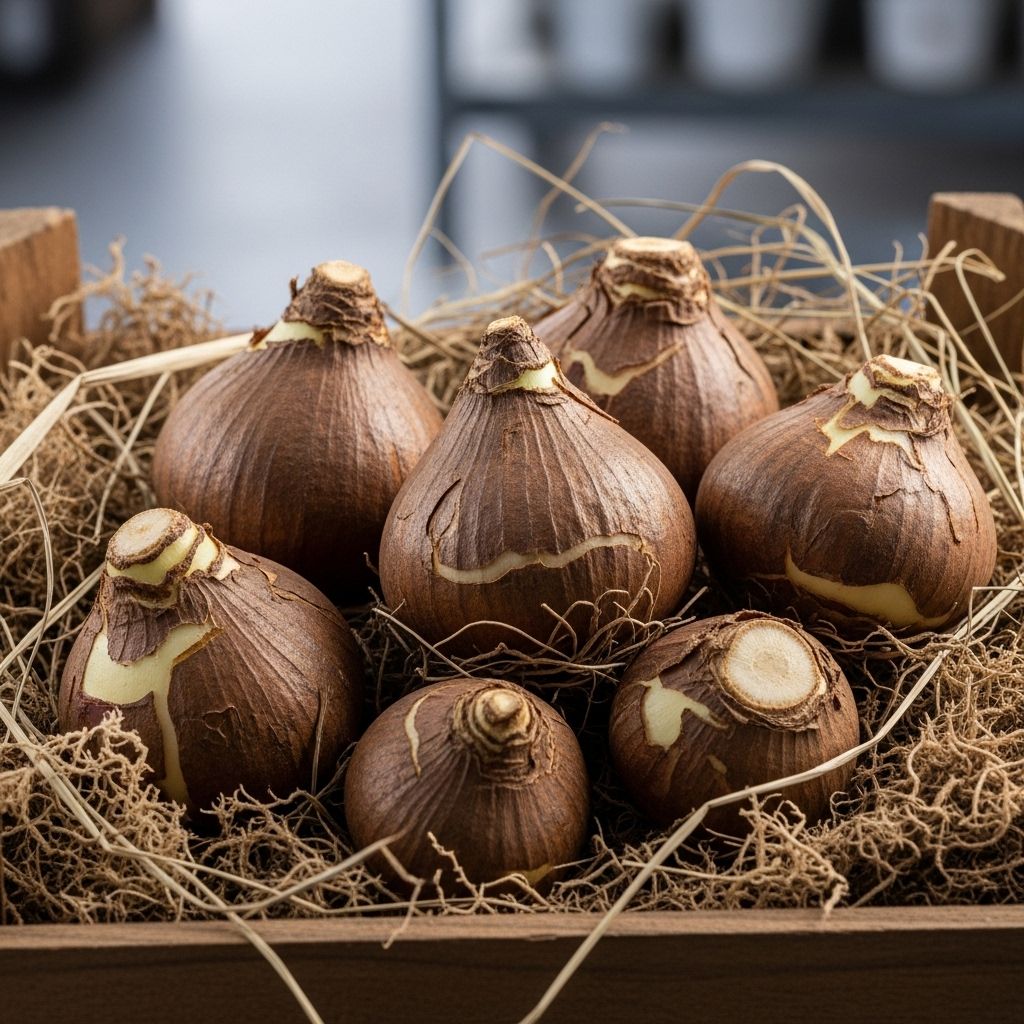
Elephant ear plants, including species such as Colocasia and Alocasia, are celebrated for their bold, tropical foliage, transforming gardens and patios throughout the growing season. However, as temperatures begin to drop in regions outside USDA zones 8–11, special steps are required to preserve these beauty’s underground tubers through the winter. Preserving and storing elephant ear bulbs not only saves money but also ensures you can enjoy bigger, healthier plants next season.
This comprehensive guide walks you through the entire process, from recognizing when to dig up your bulbs to selecting the best container and materials, and critical winter maintenance tips for elephant ear bulbs.
Understanding Elephant Ear Bulbs and Tubers
Elephant ears grow from underground storage organs commonly called bulbs, though they are technically tubers. Both structures store nutrients and water, supporting rapid growth once the next season arrives. These botanically efficient systems make it possible for gardeners to harvest, store, and replant elephant ear bulbs year after year, provided that winter storage is handled with care.
Why Store Elephant Ear Bulbs?
- Cost Savings: Overwintering bulbs means you can regrow large, healthy elephant ears without needing to purchase new plants each spring.
- Plant Multiplication: Tubers often multiply underground, allowing division and expansion of your garden or sharing with others.
- Protection from Cold: Outside of tropical climates, elephant ear tubers will die if left in frozen ground.
- Control Over Quality: Storing bulbs yourself gives you more control over fungus, pests, and bulb health than store-bought bulbs.
When to Dig Up Elephant Ear Bulbs
The ideal time to dig up elephant ear bulbs is just before or immediately after the first frost in your region. Waiting until the first frost will help the plant enter dormancy naturally, while digging before frost allows you to work with healthier foliage and reduces the risk of tuber rot.
Key Timing Tips:
- Monitor your area’s average first frost date and plan accordingly.
- Do not let the bulbs sit in wet, cold ground, as this increases the risk of rot.
- Cut back foliage before frost damages it, leaving about 2–4 inches above the tuber.
Step-By-Step Guide: Digging and Preparing Elephant Ear Bulbs
- Tools Needed: Gardening gloves, shovel or digging fork, pruning shears, cardboard boxes or paper bags, and insulating material such as peat moss, vermiculite, sawdust, or shredded newspaper.
Step 1: Cut Back Foliage
Before digging, trim back the leaves to 2–4 inches above the ground to prevent moisture loss during storage and simplify handling.
Step 2: Carefully Lift Bulbs
- Use a shovel or digging fork to gently loosen the soil several inches away from the base of the plant.
- Lift the bulb (tuber) out without damaging it. Try to keep as much of the tuber and attached roots intact as possible to maximize regrowth potential.
Step 3: Clean and Inspect Bulbs
- Brush or gently knock off excess soil. You may rinse with water, but always allow bulbs to dry thoroughly afterward to prevent rot.
- Inspect for any signs of rot, soft spots, or pest invasion. Discard any tubers that are soft or diseased to protect healthy ones.
- Trim back excess roots using clean, sharp scissors or shears.
Step 4: Cure (Air Dry) the Bulbs
Air drying, often called curing, prepares tubers for dormancy and prevents fungal issues during storage.
- Allow cleaned bulbs to air dry in a warm (65–70°F/18–21°C), well-ventilated, shady area for about a week.
- A curing period helps harden the outer layer and minimizes post-harvest rot.
Proper Storage Methods for Elephant Ear Bulbs
Storage conditions make the difference between healthy, regrowable bulbs and a disappointing outcome. The following methods offer best practices for storing elephant ear bulbs during winter.
Choosing the Right Container
- Best options: Cardboard boxes, sturdy paper bags, or wooden crates. These allow for airflow and help wick away excess moisture.
- Avoid plastic containers or bags: These trap moisture, greatly increasing the risk of bulb rot during storage.
- Always label your containers, especially if storing multiple bulb types, to prevent confusion when planting in spring.
Packing Material Options
To cushion tubers, regulate humidity, and prevent bulbs from touching (which could allow disease to spread), surround them with a dry, sterile material such as:
- Sphagnum peat moss: Acidic and decay-resistant, but consider environmental impact and use alternatives when possible.
- Vermiculite: Lightweight, moisture-regulating, and an eco-friendly alternative to peat.
- Sawdust, shredded newspaper, coco coir, or wood shavings are all suitable options.
Arrange tubers in a single layer, making sure bulbs do not touch each other. Fill spaces between and above tubers with your chosen packing material.
Optimal Storage Location and Temperature
Elephant ear bulbs need to be stored in a cool, dry, and dark place over winter.
- Ideal temperature: 45–60°F (7–16°C).
- Relative humidity: Low to moderate; avoid high humidity that can cause rot.
- Common places: Basement, unheated garage, or interior closet that remains consistently cool and dry.
- Do not allow bulbs to freeze.
Seal your container loosely so moisture can escape, but pests can’t get in. If wrapping bulbs, use newspaper—avoid airtight wrapping.
Winter Maintenance & Monitoring
Simply storing elephant ear bulbs is not the end of your responsibility. Regular maintenance allows you to catch and correct potential problems before they ruin your stored bulbs.
- Check bulbs every 3–4 weeks over winter.
- If any bulbs show signs of rot (soft, smelly, shriveled), remove and discard them immediately.
- If bulbs look desiccated (dry and shriveled), lightly mist the packing material—not the bulbs directly—with water. Avoid excess moisture, which can trigger rot.
- Pest prevention: If pests appear, treat bulbs with an insecticide before returning to storage.
Preparing Bulbs for Planting Next Season
- As frost risk passes in spring and daytime soil temperatures warm, bring your bulbs out of storage.
- Check each bulb, discard any with mold or rot, and gently brush off any remaining packing material.
- If desired, divide larger tubers to spread your collection—each piece should have at least one healthy growing site or eye.
- Pre-soak dried bulbs in lukewarm water for a few hours to help rehydrate and stimulate growth.
- Plant at a depth of 2–4 inches, water well, and watch for new shoots.
Frequently Asked Questions (FAQs) About Storing Elephant Ear Bulbs
Q: Do I have to dig up elephant ear bulbs every year?
A: Only if you live in USDA zones below 8—where soil freezes. In warmer areas, bulbs can overwinter in the ground. In colder climates, unlifted bulbs will rot and die.
Q: Can I store bulbs in plastic bags?
A: No. Plastic bags trap moisture, which leads to rot. Use cardboard boxes, paper bags, or similar breathable containers with insulating packing material.
Q: Why did some bulbs rot in storage?
A: Causes include excessive moisture (either from inadequate curing or over-watering during storage), using non-breathable containers, or storing bulbs that were already damaged or diseased when lifted.
Q: What if my bulbs shrivel or dry out?
A: Lightly mist the packing material—not the bulbs themselves—with water to restore minor moisture loss. Do not over-wet, as this promotes fungal growth and rot.
Q: Are elephant ear bulbs toxic?
A: Yes. Wear gloves when handling; the sap can cause skin irritation. Keep bulbs away from pets and children.
Extra Tips for Success
- Label every container with bulb type and date of storage. This prevents confusion at planting time, especially if you store different tropical bulbs together.
- Use gloves when handling bulbs, as the sap from elephant ear plants can be irritating to skin.
- Store only healthy bulbs: Even a small amount of rot can quickly infect neighboring bulbs in storage. If in doubt, throw it out!
- Try different materials: If peat moss isn’t available or you prefer a sustainable option, vermiculite, sawdust, or shredded newspaper work well.
- Check the temperature: Use a thermometer in your storage location. Consistently cold—or freezing—temperatures can kill bulbs.
Common Problems and Solutions
| Problem | Possible Cause | Solution |
|---|---|---|
| Bulbs rot during storage | Too much moisture, poor air flow, stored in plastic, not cured long enough | Ensure thorough drying, use breathable containers, check periodically, and remove affected bulbs promptly |
| Bulbs shrivel or dry out | Storage location too dry, low humidity, bulbs not packed well | Lightly mist packing material, check environment and adjust as needed, use denser packing |
| Mold or fungus forms | Poor ventilation, excessive moisture, high humidity in storage | Improve air flow, reduce moisture, ensure bulbs are fully cured before storing |
| Pests discovered in storage | Infested bulbs, inadequate cleaning before storage | Inspect all bulbs before storage, treat with insecticide if necessary |
Summary Checklist: Storing Elephant Ear Bulbs
- Dig up bulbs just before or after first frost.
- Trim foliage to 2–4 inches, clean off soil, remove roots.
- Air dry (cure) bulbs for 5–7 days in a warm, shaded, well-ventilated spot.
- Inspect for rot or pests; discard unhealthy bulbs.
- Store in labeled cardboard boxes or paper bags filled with dry, insulating material (peat, vermiculite, etc.).
- Keep in a cool (45–60°F/7–16°C), dry, dark place—never freeze.
- Check every few weeks and remove any problematic bulbs immediately.
- Replant when all danger of frost passes in spring.
Conclusion
Successfully overwintering elephant ear bulbs is a straightforward yet rewarding gardening skill. By following these best practices—timely digging, careful curing, appropriate storage, and vigilant winter maintenance—you can ensure stunning tropical beauty returns to your garden each summer, bigger and better than before.
Similar Articles






Read full bio of Sneha Tete