Why Are the Leaves on My Tomato Plant Turning Yellow?
Diagnose, treat, and prevent yellow leaves on tomato plants with expert guidance and practical solutions.
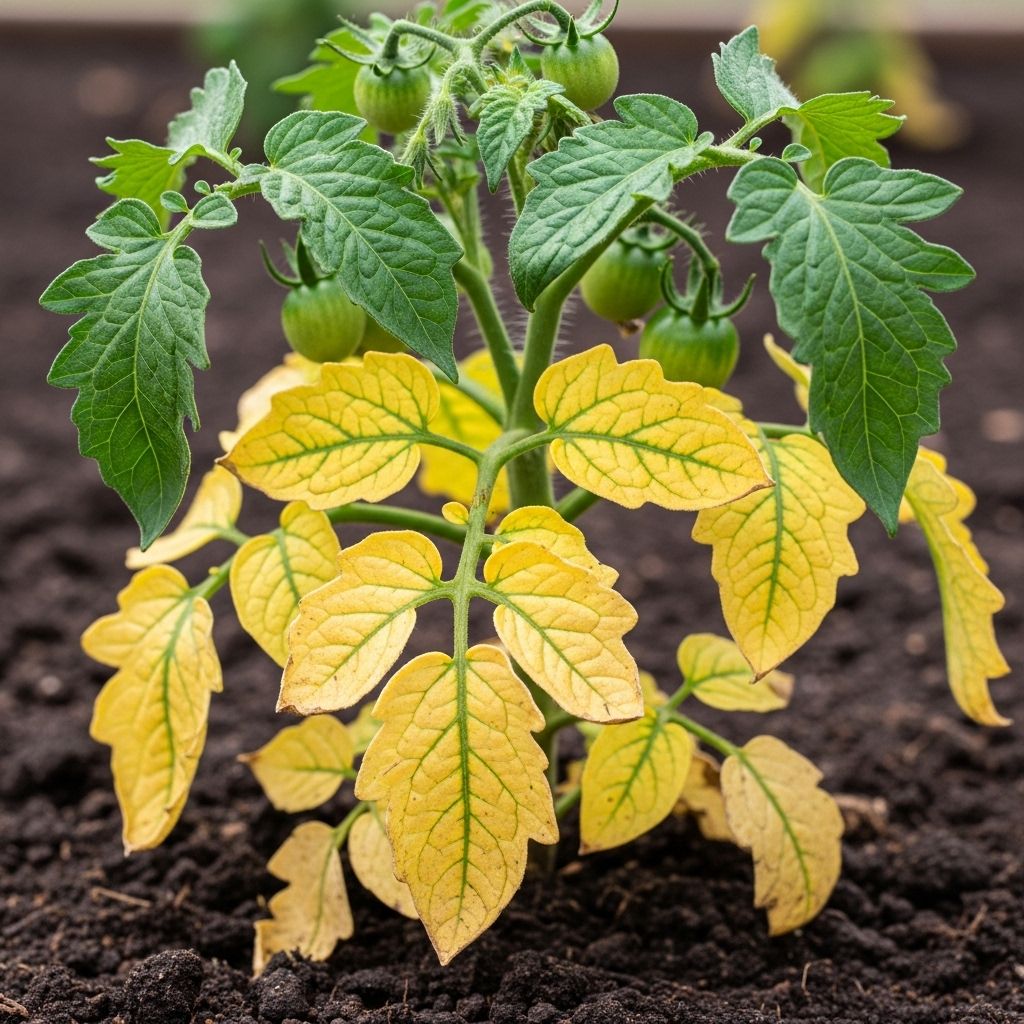
Understanding Yellow Leaves on Tomato Plants
If you’re noticing yellowing leaves on your tomato plants, you’re not alone. While tomato plants are hardy and productive when healthy, yellow leaves are a common sign that something’s amiss. From minor nutrient issues to serious diseases, there are several potential culprits. This comprehensive guide walks through possible causes, diagnostic tips, treatments, and prevention strategies to keep your tomato plants green and thriving.
What Healthy Tomato Plants Need
Before diagnosing problems, it’s essential to understand the baseline requirements for vigorous tomato growth:
- Well-drained, fertile soil: Rich in organic matter, slightly acidic, and not waterlogged.
- Full sunlight: Minimum of 6–8 hours of direct sunlight per day.
- Consistent moisture: Deep, regular watering without waterlogging; the root zone should remain moist but not soggy.
- Adequate spacing: Sufficient air circulation to reduce disease pressure.
- Warm temperatures: Prefer temperatures between 70–85°F (21–29°C).
- Balanced fertilization: Regular feeding with balanced or tomato-specific fertilizer.
Common Causes of Yellowing Tomato Leaves
Yellow leaves, known as chlorosis, usually indicate underlying stress. Here are the most frequent reasons:
1. Watering Problems
- Overwatering: Roots become saturated, leading to root rot and poor oxygen uptake. This stunts growth and causes leaves to turn yellow, often starting at the bottom.
- Underwatering: Drought stress means less nutrient uptake; leaves wilt and yellow, usually from the bottom upward.
Tip: Water deeply and infrequently, ensuring the soil dries slightly between sessions. Insert your finger 2–3 inches into the soil; if dry, water thoroughly.
2. Nutrient Deficiencies
Tomatoes are “heavy feeders” and quickly show signs of lacking nutrients, especially nitrogen, magnesium, and iron.
| Deficiency | Symptoms | Solution |
|---|---|---|
| Nitrogen | Older (lower) leaves yellow first; may drop off | Apply a balanced or high-nitrogen fertilizer |
| Magnesium | Yellowing between veins (interveinal chlorosis) on older leaves; leaves may appear speckled | Apply Epsom salts (magnesium sulfate) as a foliar spray or soil amendment |
| Iron | Younger (top) leaves turn yellow but veins remain green | Apply iron chelate; ensure soil pH is not too high |
| Potassium, Phosphorus, Calcium | Less common; can cause leaf edge browning, purpling, or blossom end rot | Use a complete tomato fertilizer as needed |
Note: Over-fertilization can also cause symptoms, so follow package instructions.
3. Environmental Stresses
- Cold or heat stress: Sudden drops below 50°F (10°C) or spikes above 90°F (32°C) disrupt nutrient and water uptake.
- Poor soil drainage: Clayey or compacted soils trap water, suffocating roots.
- Transplant shock: Newly-planted tomatoes may drop lower leaves or turn yellow as roots adjust.
4. Pests
- Aphids, whiteflies, spider mites: All suck sap, draining nutrients. Look for clusters under leaves, sticky residue, or webbing.
- Root-knot nematodes: Cause stunted, weak plants with yellow leaves and galled roots.
Tip: Inspect leaves (especially undersides) and stems. Use insecticidal soap for minor infestations or organic controls like introducing ladybugs.
5. Diseases
- Fungal infections: Early blight and Septoria leaf spot begin as dark spots surrounded by yellow halos. Leaves eventually shrivel and drop.
- Wilts: Fusarium and Verticillium wilt cause large areas of yellowing, often one-sided on the plant. Incurable, but pull infected plants and rotate crops.
- Viral diseases: Tomato mosaic virus and Tomato yellow leaf curl virus cause patterns of yellowing and stunting; transmitted by insects or gardening tools.
6. Normal Aging and Pruning
- Older lower leaves: As the plant matures, lower leaves may naturally yellow and shed. If the plant is otherwise vigorous and producing, minor basal yellowing can be normal.
- After heavy fruit set: Plants may divert energy from older foliage to fruit and new growth.
Diagnosing Yellow Tomato Leaves: A Step-by-Step Guide
Follow these steps to pinpoint the cause and take action:
- Examine leaf location and pattern: Are older or younger leaves affected? Are there spots or just yellowing?
- Check watering habits: Feel the soil; assess for both dryness and sogginess.
- Look for pests: Search leaves for aphids, mites, and whiteflies.
- Inspect for disease symptoms: Look for spots, rings, or wilting. Remove and destroy affected foliage if diseases are present.
- Review fertilization history: Ensure regular feeding tailored to tomatoes, especially if using containers.
- Consider environmental factors: Recall any unusual weather, recent transplants, or soil issues.
- Test your soil: Especially if problems persist, check nutrient levels and pH for long-term solutions.
Remedies and Solutions for Yellow Tomato Leaves
Adjusting Watering Practices
- Deep, infrequent watering: Water at the base rather than overhead to avoid leaf diseases and fungal growth.
- Mulching: Organic mulch like straw retains moisture and moderates soil temperature.
- Drip irrigation or soaker hoses: Provide even moisture without wetting leaves.
Correcting Nutrient Imbalances
- For nitrogen deficiency, use a tomato-specific fertilizer or composted manure.
- For magnesium deficiency, dissolve 1–2 tablespoons of Epsom salts in a gallon of water; apply around plant base or as a foliar spray every 2–4 weeks.
- For iron deficiency, apply iron chelate as per package directions.
- Soil testing: A professional soil test helps determine exact requirements for amendments.
Disease and Pest Management
- Remove affected leaves: Prune and dispose of diseased foliage—never compost infected material.
- Fungicide application: If early blight or Septoria leaf spot is confirmed, use organic fungicides like copper or neem oil as a preventive.
- Practice crop rotation: Avoid planting tomatoes in the same place year after year to reduce disease risk.
- Encourage beneficial insects: Ladybugs, lacewings, and predatory mites help control pests naturally.
Improving Growing Conditions
- Adequate spacing: Space tomato plants 18–36 inches apart for good airflow.
- Staking or caging: Keeps foliage off the ground and reduces fungal infections.
- Shade cloth: During extreme heat, use 30–40% shade cloth to prevent leaf scorch.
Preventing Yellow Leaves on Tomato Plants
Proactive care is the best way to ensure your tomato plants stay green, lush, and productive.
- Consistent watering routine—adjust for rainfall and temperature changes.
- Regular fertilization: Start with a balanced fertilizer and switch to one with lower nitrogen and higher potassium/phosphorus when fruit sets.
- Mulch deeply: Maintain even soil moisture and suppress weeds.
- Monitor plants weekly: Early detection of pests or disease leads to better outcomes.
- Rotate crops: Wait 2–3 years before replanting tomatoes in the same soil to prevent soil-borne diseases.
- Prune lower leaves: Remove leaves touching the soil or those that yellow with age to improve circulation.
Frequently Asked Questions About Yellow Tomato Leaves
Why are just the bottom leaves of my tomato plant turning yellow?
Lower leaf yellowing is often normal aging as the plant matures and diverts resources to the upper foliage and fruit. However, it can also be an early sign of nutrient deficiency (especially nitrogen) or overwatering. If only the lowest leaves are affected and the rest of the plant is thriving, it’s usually not serious.
How often should I fertilize tomato plants to prevent yellow leaves?
Fertilize young tomatoes every 2–3 weeks during early growth with a balanced fertilizer, then switch to feeding every 3–4 weeks with a product higher in potassium and phosphorus once flowering and fruiting begin. Container plants usually require more frequent feeding than those grown in the ground.
How do I tell if yellow leaves are due to a disease?
Disease-related yellowing is often accompanied by spots, rings, or streaks (often brown or black) and sometimes wilting. If the yellowing spreads rapidly and involves browning or shriveling, remove and destroy affected foliage to prevent further spread.
Can I save a tomato plant with lots of yellow leaves?
If the cause is diagnosed early (such as a nutrient or water issue), many plants can recover once the problem is corrected. Remove the most affected leaves, adjust care, and provide a boost with appropriate fertilizer or pest control. If a disease is advanced, you may need to remove the entire plant to protect others in the garden.
Are yellow leaves safe to compost?
Only compost yellow leaves if they are free from disease and pests. Infected foliage can harbor spores and pests that survive the composting process, risking future plantings.
Recognizing and Treating Tomato Diseases That Cause Yellow Leaves
| Disease | Symptoms | Remedy |
|---|---|---|
| Early Blight | Dark brown spots with yellow halos, typically on lower leaves | Remove affected leaves, apply fungicide, avoid overhead watering |
| Septoria Leaf Spot | Small, round, dark spots with yellowing around edges | Remove infected leaves, use crop rotation and fungicides |
| Fusarium & Verticillium Wilt | Yellowing of one side, wilting, plant decline | Remove entire plant, solarize or rotate soil, plant resistant varieties |
| Tomato Mosaic Virus | Yellow mottling, leaf distortion, stunted growth | Destroy affected plants, sanitize tools, control insect vectors |
Quick Reference: Diagnosing Yellow Tomato Leaves
- Lower older leaves yellow → Nitrogen deficiency or natural aging
- Yellowing between veins (older leaves) → Magnesium deficiency
- Yellowing of young leaves, green veins → Iron deficiency
- Yellow leaves with dark spots → Fungal disease (Blight or Septoria)
- Stunted, wilting plants with widespread yellowing → Root rot or wilt diseases
- Yellow and curling leaves, sticky residue → Pests like aphids or whiteflies
FAQs: More on Tomato Plant Leaf Yellowing
Do yellow leaves mean I should prune them?
Yes, yellow leaves below the fruit trusses should be pruned to direct energy into fruit production and improve airflow. Remove only a few leaves at a time.
Can fertilizer burn cause leaves to turn yellow?
Over-fertilization, especially with high-nitrogen sources, can cause leaf tip burn and overall yellowing. Always follow recommended rates and water thoroughly both before and after applying fertilizers.
Is mulching helpful to prevent yellow leaves?
Yes, mulch helps regulate soil moisture and temperature, both of which play a key role in healthy leaf color and overall tomato plant health.
How can I protect my tomatoes from recurring diseases?
Use disease-resistant varieties, rotate crops every 2–3 years, prune lower leaves to prevent soil splash, and avoid overhead watering to minimize humidity on the leaves.
Final Thoughts
Yellow leaves on tomato plants most often signal a correctable issue with watering, nutrients, pests, or disease. By carefully diagnosing the underlying cause and implementing the targeted solutions above, you can restore plant vigor and maximize your tomato harvest.
Similar Articles


Read full bio of Sneha Tete