Transplanting Bleeding Heart Plants: A Complete Grower’s Guide
Learn when, why, and how to relocate or divide bleeding heart plants for a healthy, thriving shade garden.
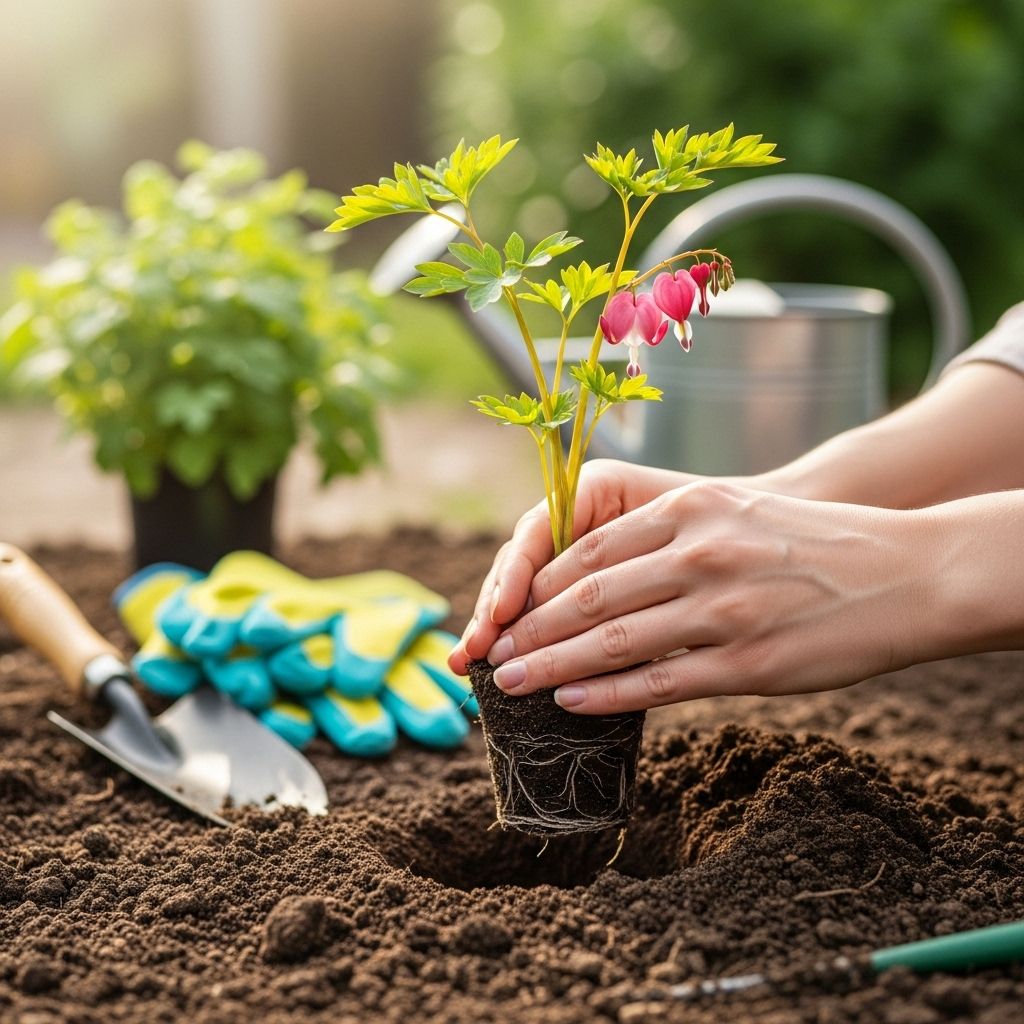
The bleeding heart (Dicentra spectabilis), renowned for its elegant heart-shaped flowers, is a classic perennial ideal for shaded garden spaces. Whether you need to relocate an established plant, rejuvenate your flowerbeds, or propagate new specimens, transplanting bleeding hearts requires careful attention to timing, soil, and aftercare. This comprehensive guide covers everything you need to know for successful bleeding heart transplantation and ongoing care.
Why Transplant Bleeding Heart Plants?
Gardeners transplant bleeding hearts for several key reasons:
- Site Improvement: Moving plants suffering from inadequate light, poor soil, or overcrowding can enhance health and bloom production.
- Plant Division: Division maintains plant vigor and offers an opportunity for propagation, especially as mature clumps grow larger over time.
- Landscape Design: Rearranging garden spaces or combining different bleeding heart varieties for aesthetic appeal may necessitate moving plants.
Best Time to Transplant Bleeding Hearts
Timing is crucial for minimizing stress and optimizing plant survival:
- Early Spring: As new shoots begin to emerge but before heavy foliage develops is ideal for most transplants. Soil is workable, and root growth can resume quickly.
- Fall: After blooming has finished and foliage has begun to die back, roots can establish before winter dormancy.
- Summer: Transplanting is possible if absolutely necessary, but keep plants shaded and well-watered to reduce stress.
Dividing or moving established plants every three to five years helps maintain vigor and prevent overcrowding.
How to Prepare for Transplanting
Successful transplantation starts with thorough preparation:
- Choose the right site: Bleeding hearts thrive in partial to full shade, ideally morning sun with afternoon shade in warmer climates.
- Test and amend soil: Soil should be rich, moist, and well-draining, with a slightly acidic to neutral pH. Incorporate organic material such as compost or well-rotted manure to boost fertility and moisture retention.
- Space requirements: Allow 18–24 inches between plants to enable air circulation and reduce competition for nutrients.
- Digging the hole: Make a planting hole twice as wide as the anticipated root ball to facilitate easy placement and new root growth.
Recommended Soil Mix:
- Native garden soil
- Compost or organic matter
- Optional: A handful of slow-release balanced fertilizer
Step-by-Step Guide: Transplanting Bleeding Heart Plants
Follow these detailed steps for successful transplantation:
- Prepare the new site: Loosen the soil, mix in organic material, and dig a hole twice the size of the root ball.
- Water the plant: Moisten the plant a day before transplanting for easier removal and less root disturbance.
- Dig around the bleeding heart: Use a shovel to gently dig at least six inches from the base, taking care to keep most of the root system intact. Target a depth sufficient to capture the roots and some surrounding soil.
- Lift and divide (if necessary): Large, mature clumps can be divided into smaller sections. Each section should retain healthy roots and at least one or two eyes (growth points).
- Replant immediately: Set the root mass into the prepared hole, ensuring eyes or crowns are about 1 inch below soil level. Spread roots in a natural, downward direction to promote growth.
- Backfill soil: Replace soil around the roots, gently firming it to eliminate air pockets. Incorporate compost into the upper layers for added nutrients.
- Water thoroughly: Immediately soak the transplant to help settle the soil.
Post-Transplant Watering Schedule:
- First week: Water daily
- Second week: Every other day
- Remainder of first growing season: 1-3 times weekly, depending on rainfall and soil moisture
Aftercare: Ensuring Healthy Recovery
Transplanted bleeding hearts need attentive care for robust, stress-free establishment:
- Mulching: Apply organic mulch around the base (not touching stems) to retain moisture, regulate temperature, and control weeds.
- Support: Tall varieties may require staking, especially after division or moving.
- Fertilizing: Use a balanced, slow-release fertilizer early in the spring; avoid excessive feeding.
- Monitor pests: Watch for slugs and snails, which may attack tender foliage after transplanting.
- Watch for disease: Ensure well-draining soil to prevent fungal problems, and remove any dead foliage to maintain airflow.
Summer and Dormancy Notes
Bleeding hearts often go dormant in late summer, especially if conditions are dry. This is a natural process; foliage may yellow and die back. Keep the root zone moist and avoid disturbing the crown until new growth emerges the following spring.
Division: Propagating Bleeding Heart
Large, older clumps can be divided for rejuvenation and propagation:
- When to divide: Ideal in early spring just before new shoots emerge, or in fall after leaf dieback.
- How to divide: Lift the entire plant, shake off soil, and gently split the crown into sections using a sharp knife or spade. Each section should contain roots and growth points.
- Replant immediately: Follow standard transplanting procedure for each new division.
Quick Reference: Planting Bleeding Heart Roots
| Planting Position | Soil Depth | Spacing | Watering |
|---|---|---|---|
| Partial/Full Shade | 1 inch below crown or eyes | 18–24 inches | Keep consistently moist, not waterlogged |
Troubleshooting Common Issues
- Wilting after transplant: May be a sign of root disturbance, insufficient watering, or heat stress. Provide additional shade and maintain even moisture.
- Poor growth: Check soil fertility, drainage, and ensure plants are not too deeply planted.
- Yellowing foliage: Often natural summer dormancy; ensure soil hasn’t dried out completely.
- No blooms after transplanting: Stress can delay flowering; most plants recover and bloom the following season if cared for properly.
Tips for Container Planting
Bleeding hearts grow well in containers if given proper care:
- Use large, well-draining pots
- Humus-rich potting soil with compost
- Plant roots atop a soil mound, eyes one inch below the surface
- Space multiple roots 18 inches apart
- Monitor water needs more frequently than garden-planted specimens
Seasonal Care for Bleeding Hearts
- Spring: Fertilize lightly; begin regular watering
- Summer: Watch for dormancy, reduce feeding
- Fall: Cut back dying foliage; apply mulch for winter protection
- Winter: Mulch lightly, especially in colder regions
Frequently Asked Questions (FAQs)
Q: Can I move bleeding heart plants in mid-summer?
A: Yes, but summer transplanting is less ideal. Shade and extra water help reduce transplant shock but the plant may struggle until cooler weather returns.
Q: How often should bleeding hearts be divided?
A: Every three to five years is recommended; this maintains healthy growth and maximizes blooming potential.
Q: Can I transplant near trees or deep shade?
A: Bleeding hearts tolerate partial shade, but deep shade under dense trees can stunt growth. Ensure some filtered light and avoid root competition for best results.
Q: What if my bleeding heart doesn’t bloom after transplanting?
A: Plants often take a year to recover and rebloom. Ensure proper soil, shade, and moisture for best results; stress and root disturbance can temporarily reduce flowering.
Q: Do bleeding hearts attract pests or diseases?
A: Slugs and snails are the main pests. Well-draining soil helps prevent most fungal problems. Remove wet, decaying foliage regularly.
Q: Can I combine different colored bleeding heart varieties?
A: Yes, and this can create beautiful garden displays. Ensure adequate space for each plant and similar soil/shade requirements.
Q: What type of mulch is best for bleeding hearts?
A: Organic mulch such as shredded bark, compost, or leaf mold keeps soil cool and consistently moist. Avoid piling mulch directly against stems.
Q: Is it normal for bleeding heart foliage to turn yellow and die back?
A: Yes, especially in midsummer. This is a natural dormancy period; plants will regrow from the roots the following spring.
Quick Bleeding Heart Transplant Checklist
- Transplant in early spring or fall for best results
- Choose a site with dappled shade and rich, well-draining soil
- Amend soil with compost before planting
- Dig holes twice the size of the root ball
- Water thoroughly and frequently after transplanting
- Apply mulch to conserve moisture and suppress weeds
- Divide mature clumps every few years to maintain health
- Monitor for pests, practice good hygiene, and enjoy spectacular blooms!
By following these best practices, gardeners can relocate, divide, and nurture bleeding heart plants, ensuring lush growth and distinctive blooms for years in the shady corners of the garden.
Similar Articles


Read full bio of Sneha Tete