Transplanting Elderberries: A Complete Step-by-Step Guide
Master the art of moving elderberry bushes with expert tips for timing, location, and proper transplanting techniques.
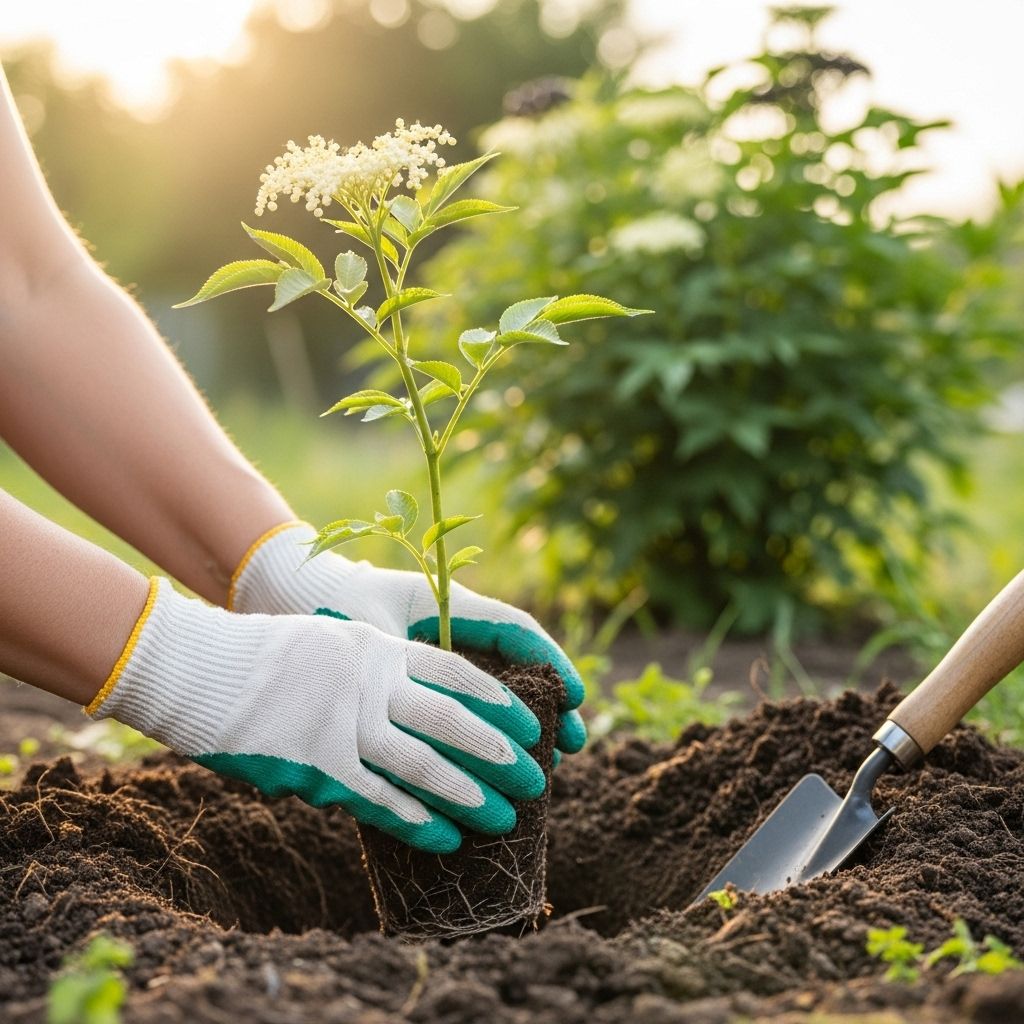
Elderberry plants have long been treasured for their productive nature and versatile uses, offering clusters of deep blue berries perfect for pies, jams, and medicinal preparations. While these native fruits haven’t achieved the commercial success of blueberries or raspberries, they remain highly valued by gardeners and foragers alike. If you’ve discovered that your elderberry shrub is growing in a less-than-ideal location, don’t worry—transplanting elderberries is a straightforward process that can give your plant a fresh start in a more suitable spot.
The good news is that elderberry bushes are remarkably easy-going when it comes to relocation. With proper timing, careful site selection, and the right technique, you can successfully move your elderberry to a new location where it will thrive and produce abundant harvests for years to come. This comprehensive guide will walk you through everything you need to know about transplanting elderberries, from understanding why these plants are worth the effort to mastering the step-by-step transplanting process.
The Value and Versatility of Elderberry Plants
Elderberry plants hold a special place in both historical and contemporary gardening. Native Americans have utilized elderberry plants for thousands of years, incorporating them into their daily lives in numerous ways. Beyond using the berries for culinary purposes, they brewed medicinal teas from the flowers and included various parts of the plant in their herbal remedies—practices that continue to this day.
If you’re fortunate enough to have elderberry shrubs or trees growing on your property, you possess a valuable garden asset. These attractive plants not only enhance your landscape with their ornamental appeal but also provide a generous harvest of luscious berries. The deep blue clusters are ideal for creating delicious pies, preserves, syrups, and wines. However, even the most valuable plants can underperform when poorly sited, making transplanting a worthwhile consideration.
The beauty of working with elderberries lies in their adaptable nature. Unlike some finicky fruit-bearing plants that require extensive preparation and aftercare when moved, elderberries respond well to transplanting when proper procedures are followed. This resilience makes them an excellent choice for gardeners who want to reconfigure their landscape or rescue plants from unsuitable growing conditions.
Understanding Elderberry Species and Growth Habits
Before embarking on an elderberry transplant project, it’s essential to understand what you’re working with. The two most common elderberry species in cultivation are American elderberry (Sambucus canadensis) and European black elderberry (Sambucus nigra). Both species can grow to substantial tree-like proportions, which has important implications for site selection.
These deciduous plants drop their leaves in winter, entering a dormant period that makes them ideal candidates for transplanting. During dormancy, the plant’s energy is concentrated in the root system rather than being directed toward foliage growth and fruit production. This physiological state allows elderberries to tolerate the stress of being moved with minimal impact on their overall health and vitality.
Elderberries develop a relatively shallow root system compared to many other fruiting trees and shrubs. This characteristic actually works in your favor during transplanting, as it means you won’t need to excavate an enormous root ball or dig to extreme depths. However, this shallow root structure also means that transplanted elderberries require careful attention to watering, especially during the establishment period.
Selecting the Perfect New Location
The success of your elderberry transplant depends heavily on choosing an appropriate new location. Taking time to evaluate potential sites before you begin digging will pay dividends in terms of plant health and productivity. Several critical factors should influence your decision about where to relocate your elderberry.
Sunlight requirements top the list of considerations. Elderberries perform best in full sun locations, where they receive at least six to eight hours of direct sunlight daily. While these plants can tolerate some shade, you’ll achieve a healthier, hardier plant with significantly more fruit production when you provide abundant sunshine. Full sun exposure also helps prevent fungal diseases and promotes better air circulation around the plant.
Space considerations are equally important. Remember that both American and European elderberry varieties can grow to substantial sizes, often reaching heights of eight to twelve feet with similar spreads. Your chosen location should provide ample room for the mature plant to develop without crowding neighboring plants or structures. Plan for at least six to eight feet of space in all directions, and consider the plant’s mature dimensions when situating it relative to buildings, fences, or other landscape features.
Soil drainage represents another crucial factor in site selection. Elderberries demand well-draining soil and absolutely fail to thrive in heavy clay soils that retain excessive moisture. Before committing to a location, assess the drainage characteristics by digging a test hole and filling it with water. If water remains standing for more than a few hours, the drainage is inadequate for elderberries. In such cases, you may need to amend the soil extensively or choose an alternative location with better natural drainage.
While elderberries prefer moist soil conditions, they cannot tolerate waterlogged roots. The ideal site offers soil that retains adequate moisture during dry periods but allows excess water to drain away freely. Slightly elevated areas or gentle slopes often provide better drainage than low-lying spots where water tends to accumulate.
Optimal Timing for Elderberry Transplanting
Timing is perhaps the single most critical factor in successful elderberry transplanting. Move your plant at the wrong time, and you risk severe transplant shock, reduced productivity, or even plant death. Choose the optimal timing, and your elderberry will settle into its new home with minimal stress.
The best time to transplant elderberries is in fall, once the foliage has died back. This timing coincides with the very beginning of the plant’s dormant period, when it has finished its seasonal growth cycle and shut down above-ground activity for winter. Fall transplanting offers several distinct advantages over other seasons.
When you transplant in fall, the cooler temperatures and typically higher moisture levels reduce stress on the plant. The elderberry doesn’t need to support active foliage growth or fruit production while simultaneously establishing new roots in unfamiliar soil. Instead, it can focus all its energy on root development, giving it a head start before the next growing season begins.
Fall transplanting also allows the plant to take advantage of winter and early spring moisture. As the roots gradually extend into the surrounding soil during dormancy, they establish a stronger foundation that will support vigorous growth when warm weather returns. By the time spring arrives and the plant breaks dormancy, it will have already begun the crucial process of anchoring itself in its new location.
While fall is ideal, early spring transplanting before bud break can also succeed if fall timing isn’t possible. However, avoid transplanting during the active growing season, when the plant is producing leaves, flowers, or fruit. Summer transplanting in particular places enormous stress on elderberries and significantly reduces survival rates.
Preparing Your Elderberry for Transplant
Proper preparation makes the actual transplanting process much easier and increases the likelihood of success. The specific preparation steps depend largely on the size of your elderberry plant, but some general principles apply to all transplants.
For tall elderberry plants, pruning before transplant is essential. If your elderberry has grown beyond a manageable size, you’ll need to reduce its height to make it easier to work with and to balance the top growth with the reduced root system it will have after transplanting. Cut the plant back to six feet tall or half its current height, whichever measurement is greater. This might seem drastic, but elderberries respond well to hard pruning and will quickly regenerate new growth once established.
Smaller plants that are easy to handle don’t necessarily require pre-transplant pruning. If you can comfortably maneuver the plant and its root ball, you may choose to transplant it at its current size. However, even with smaller plants, some light pruning to remove damaged or crossing branches can be beneficial.
Before you begin digging, gather all necessary materials and tools. You’ll need a sharp shovel or spade for excavation, a piece of burlap or heavy tarp for transporting the root ball, compost for soil amendment, and access to water for the post-transplant watering. Having everything ready before you start digging minimizes the time your elderberry spends out of the ground with exposed roots.
The Transplanting Process: Step-by-Step Instructions
With your preparation complete and your new location selected, you’re ready to begin the actual transplanting process. Following these steps carefully will give your elderberry the best chance of thriving in its new home.
Step 1: Excavating the Root Ball
Begin by digging around the plant’s roots with your sharp shovel or spade. Start your digging circle at least twelve to eighteen inches away from the main trunk to avoid damaging major roots. Elderberry roots are fairly shallow, so you won’t need to dig extremely deep. Work your way around the plant in a complete circle, angling your shovel slightly inward and downward to get beneath the root ball.
As you dig, you may encounter resistance from larger roots. Use your sharp spade to cleanly sever these roots rather than tearing them. Clean cuts heal better than ragged tears and reduce the risk of disease entry. Continue digging until you can work your shovel completely under the root ball and lift it free from the surrounding soil.
Step 2: Transporting the Root Ball
Once the root ball is free, carefully lift it from the hole and set it on a piece of burlap or heavy tarp. The burlap serves two purposes: it makes transportation easier and helps hold the root ball together, preventing soil from falling away and exposing delicate feeder roots. If you’re moving the plant a significant distance, wrap the burlap around the root ball and secure it with twine.
Keep the root ball moist during transport. Even a brief period of drying can damage fine root hairs that are crucial for water and nutrient uptake. If there’s a delay between digging and replanting, keep the root ball in a shaded area and sprinkle it with water periodically.
Step 3: Preparing the New Planting Hole
At the new location, dig a hole that is several times wider than the root ball but only as deep as the root ball’s height. A common mistake is digging the hole too deep, which can lead to the plant settling below grade and creating drainage problems. The goal is to have the top of the root ball level with or slightly above the surrounding soil surface.
Before placing the elderberry in the hole, create a soil amendment mixture by blending one part compost with one part of the excavated soil. Fill the bottom of the hole with several inches of this mixture, creating a nutrient-rich base that will encourage root growth. This amended soil provides both immediate nutrition and improved soil structure, helping the elderberry establish more quickly.
Step 4: Positioning and Backfilling
Carefully position the elderberry in the prepared hole, making sure it sits at the proper depth. Check that the plant is straight and oriented in the direction you prefer. Once you’re satisfied with the positioning, begin backfilling around the root ball with your soil and compost mixture.
Add the backfill soil in layers, tamping it down gently to eliminate air pockets but avoiding excessive compaction that could impede root growth. Air pockets can cause roots to dry out, while overly compacted soil restricts root expansion and water movement. Strike a balance by firming the soil enough to provide stability without creating a dense, impenetrable barrier.
Step 5: Watering and Mulching
After backfilling is complete, water the transplanted elderberry thoroughly and deeply. This initial watering serves multiple purposes: it settles the soil around the roots, eliminates remaining air pockets, and provides the moisture the plant needs to begin recovery from transplant stress. Water slowly and deeply, allowing the water to penetrate throughout the root zone rather than running off the surface.
Apply a layer of organic mulch around the base of the plant, keeping it a few inches away from the trunk to prevent moisture-related problems. Mulch helps retain soil moisture, suppresses weeds, moderates soil temperature, and gradually adds organic matter to the soil as it decomposes. A two to three-inch layer of wood chips, shredded bark, or compost makes an excellent mulch for elderberries.
Post-Transplant Care and Maintenance
The work doesn’t end once your elderberry is in the ground. Proper aftercare during the establishment period is crucial for long-term success. The first growing season after transplanting is particularly critical, as the plant is still developing new roots and adjusting to its new environment.
Watering requirements are especially important during the establishment phase. Because elderberries have shallow root systems, they’re more susceptible to drought stress than deep-rooted plants. Monitor soil moisture regularly and water whenever the top few inches of soil begin to dry out. During hot, dry periods, you may need to water several times per week. Deep, infrequent watering is preferable to frequent shallow watering, as it encourages roots to grow deeper in search of moisture.
Watch for signs of transplant shock, which may include wilting, leaf drop, or slow growth. Some degree of shock is normal and expected, but severe symptoms may indicate that the plant needs additional care. Ensure consistent moisture, provide temporary shade during the hottest part of the day if needed, and avoid fertilizing until the plant shows signs of new growth.
Resist the temptation to fertilize heavily during the first season. While it might seem like extra nutrients would help the plant recover more quickly, excessive fertilization can actually harm a transplanted elderberry. The plant’s reduced root system cannot efficiently absorb heavy nutrient applications, and excess fertilizer can burn tender new roots. Wait until you see vigorous new growth before applying any fertilizer, and then use only moderate amounts.
Special Considerations for Large Elderberry Transplants
Moving particularly large or mature elderberry plants requires additional considerations and more intensive effort. While the basic principles remain the same, the scale of the operation increases significantly with plant size.
For very large elderberries, consider root pruning several months before the actual transplant. This technique involves cutting through the roots in a circle around the plant, encouraging the development of new feeder roots closer to the trunk. When you eventually dig up the plant, these younger, more vigorous roots are more likely to survive the transplanting process and support establishment in the new location.
Large elderberries may also benefit from more aggressive top pruning to compensate for the inevitable loss of root mass during transplanting. The general rule of removing top growth to balance with reduced roots becomes even more critical with mature specimens. Don’t hesitate to prune back to three to six feet even if this means removing substantial portions of the plant—elderberries regenerate remarkably well.
Creating a water retention basin around large transplants can significantly improve establishment success. After planting, use excavated soil to build a circular berm eight to ten feet in diameter and twelve to fourteen inches high around the plant. This basin captures and holds water, ensuring that irrigation penetrates deeply into the root zone rather than running off across the surface. Fill the basin with water immediately after transplanting and maintain regular irrigation throughout the establishment period.
Propagating New Plants from Transplanted Elderberries
Interestingly, the transplanting process often provides an excellent opportunity to propagate new elderberry plants. The pruning required for transplanting large specimens generates numerous cuttings that can be rooted to create additional plants.
Hardwood cuttings taken from dormant elderberry branches root readily under the right conditions. Select healthy stems from the previous season’s growth, cutting them into sections at least ten inches long with at least two nodes per cutting. These cuttings can be placed in pots filled with a mixture of perlite and peat moss, kept consistently moist until roots develop.
However, be aware that elderberry cuttings develop a somewhat fragile root system. High mortality can occur during the transition from rooted cutting to field planting if roots are handled roughly. Take great care when transplanting rooted cuttings, minimizing root disturbance and ensuring the delicate roots remain moist throughout the process.
The advantage of propagating from cuttings is that successful plants often establish and grow faster than seedlings once transplanted. Despite initially lower survival rates compared to seed propagation, cuttings that do survive typically show more rapid biomass production, height growth, flowering, and seed set.
Troubleshooting Common Transplanting Problems
Even with careful attention to timing and technique, transplanting challenges can arise. Understanding common problems and their solutions helps you respond effectively if issues occur.
Wilting and leaf drop are normal responses to transplant stress, especially if some foliage remains on the plant during transplanting. The reduced root system cannot supply adequate water to support all existing leaves, so the plant sheds some foliage to balance water uptake with water loss. As long as the wilting isn’t severe and the plant begins producing new growth within a few weeks, this is not cause for concern.
If your transplanted elderberry fails to produce new growth by the following spring, the problem may be inadequate watering, soil drainage issues, or root damage during transplanting. Scratch the bark gently with your fingernail—if green tissue appears underneath, the plant is still alive and may simply need more time. Continue providing appropriate care and remain patient.
Poor growth in subsequent seasons often indicates that the new location doesn’t meet the plant’s basic needs. Review the site conditions: Is the soil draining properly? Is the plant receiving adequate sunlight? Is competition from nearby plants stealing water and nutrients? Addressing these underlying issues may require relocating the plant again or modifying the surrounding environment.
Frequently Asked Questions (FAQs)
Q: What is the best time of year to transplant elderberry bushes?
A: The best time to transplant elderberries is in fall once the foliage has died back, at the beginning of the plant’s dormant period. This timing minimizes stress and allows the plant to focus on root establishment before the next growing season.
Q: How much should I prune my elderberry before transplanting?
A: For tall elderberries, prune back to six feet tall or half the plant’s current height, whichever is greater. Smaller plants that are easy to handle may not require pre-transplant pruning.
Q: What type of soil do elderberries need?
A: Elderberries require well-draining soil and will not thrive in heavy clay soils. They prefer moist conditions but cannot tolerate waterlogged roots. Amend the planting hole with compost to improve both drainage and fertility.
Q: How deep do I need to dig when transplanting an elderberry?
A: Elderberries have relatively shallow root systems, so you don’t need to dig extremely deep. Focus on digging wide rather than deep, starting your circle twelve to eighteen inches from the trunk and working underneath the root ball.
Q: Can I transplant elderberries in spring instead of fall?
A: While fall is ideal, early spring transplanting before bud break can also succeed. However, avoid transplanting during the active growing season when the plant is producing leaves, flowers, or fruit, as this causes excessive stress.
Q: How much space does an elderberry plant need?
A: Elderberries can grow to substantial sizes, often reaching eight to twelve feet tall with similar spreads. Provide at least six to eight feet of space in all directions to accommodate mature plant dimensions.
Q: Do elderberries need full sun?
A: Yes, elderberries perform best in full sun locations with at least six to eight hours of direct sunlight daily. While they can tolerate some shade, full sun produces healthier plants with significantly more fruit production.
Q: How often should I water a newly transplanted elderberry?
A: Water deeply immediately after transplanting, then monitor soil moisture regularly. During the first growing season, water whenever the top few inches of soil begin to dry out, which may be several times per week during hot, dry periods.
Q: Will my elderberry produce fruit the first year after transplanting?
A: Fruit production may be reduced or absent the first year after transplanting as the plant focuses energy on establishing roots. Normal production typically resumes by the second or third year after transplanting.
Q: Can I propagate new plants from the branches I prune before transplanting?
A: Yes, hardwood cuttings from pruned elderberry branches can be rooted to create new plants. Use sections at least ten inches long with at least two nodes, plant in a perlite and peat mixture, and keep consistently moist until roots develop.
Similar Articles


Read full bio of medha deb