The Ultimate Guide to Perennial Vegetables: Plant Once, Harvest for Years
Discover perennial vegetables you can plant once and enjoy continuous harvests for years with minimal maintenance and maximum yield.
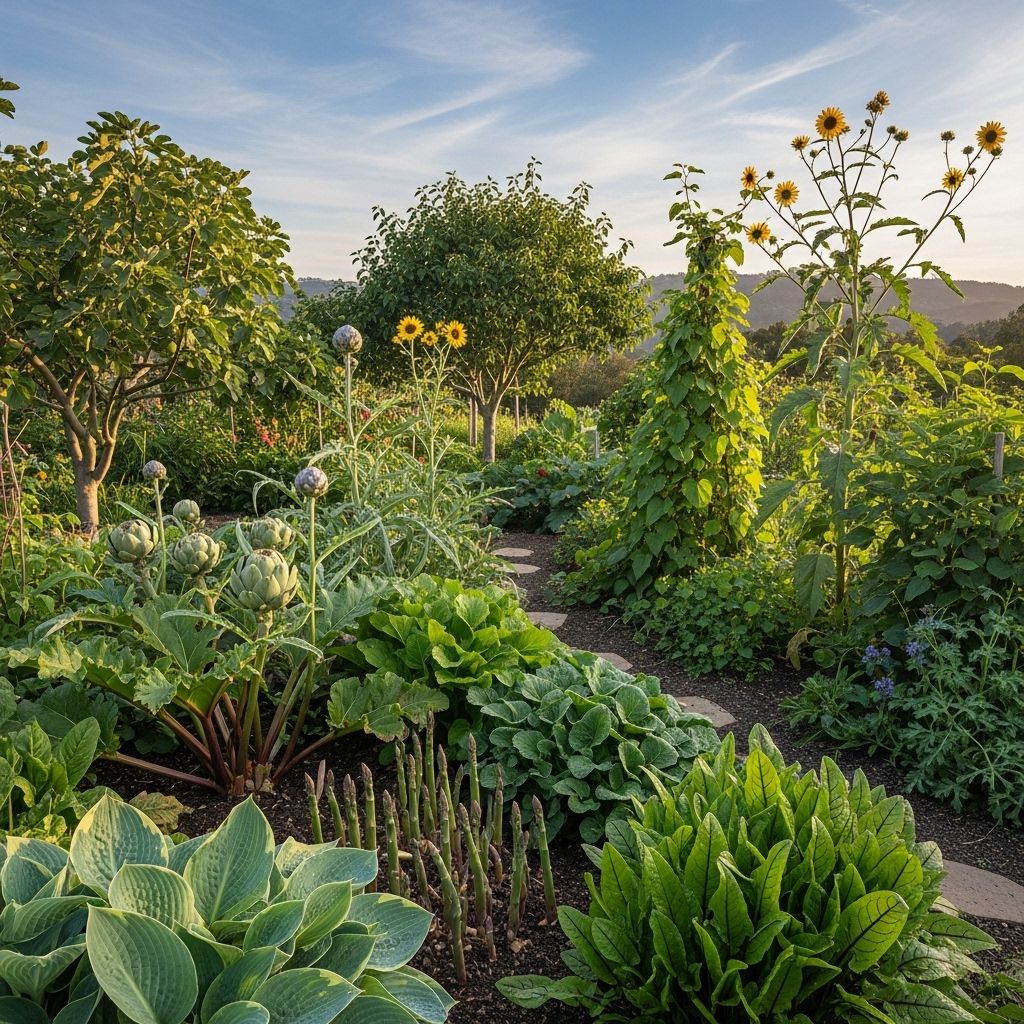
Perennial vegetables are a gardener’s secret to continual harvests with minimal effort. Unlike annual crops, which require replanting each year, these plants come back season after season, offering tasty produce, reduced garden maintenance, and sustainable yields. This comprehensive guide explores the essentials of perennial vegetables, why you should grow them, and which varieties to consider for your garden.
Why Choose Perennial Vegetables?
- Low Maintenance: Plant once, and perennials often return for multiple years, saving time and effort in replanting each season.
- Soil Health: These plants stabilize soil with their long-lived root systems, reduce erosion, and improve soil fertility over time.
- Sustainable Harvest: Perennials provide consistent yields, making them ideal for food forests, permaculture gardens, and anyone seeking food security.
- Ecological Benefits: They offer shelter and food for beneficial insects, support local wildlife, and contribute to a balanced garden ecology.
What Are Perennial Vegetables?
Perennial vegetables are plants you plant once and harvest for multiple seasons. Many gardeners are familiar with perennial fruit trees and berry bushes, but several edible vegetables also fall under this category, offering greens, roots, tubers, and even edible shoots.
Top Perennial Vegetables to Grow
Below is a list of popular and reliable perennial vegetables that thrive in various climates and garden spaces. Each offers unique flavors and harvesting windows, ensuring a diverse and satisfying garden experience.
- Asparagus
- Long-lived perennial; productive for 10–30 years.
- Harvest young spears in spring. Allow ferns to grow after harvest for root health.
- Best planted in full sun; thrives in raised beds and a range of climates.
- Rhubarb
- Another true perennial; live and yield for decades.
- Stalks are harvested in spring; leaves are toxic and should not be eaten.
- Commonly used in pies and preserves.
- Artichoke (Globe Artichoke)
- Produces edible flower buds for several years with proper care.
- Dies back in summer; regrows when temperatures cool.
- Requires well-drained soil and plenty of sun.
- Strawberries
- Fruit for 3–4 years before needing new plants.
- Plant in partly shaded spots for best longevity and yield.
- Excellent for edible groundcover.
- Turmeric
- Frost-sensitive perennial root crop; thrives where ground doesn’t freeze.
- Harvest by digging up some roots, leaving the rest to regrow.
- Adds nutrition, color, and flavor to culinary dishes.
- Ginger
- Similar to turmeric; harvest roots as needed.
- Requires frost-free conditions and moist soil.
- Can be grown in containers for colder regions.
- Blackberries
- Vigorous, heat-loving vines; produce sweet berries for years.
- Best planted in spring or fall for strong establishment.
- Grapes
- Fruitful vines that provide harvest over many seasons.
- Require trellising and pruning for best fruit production.
- Eggplant
- Tender perennial in frost-free climates; productive for 2–3 years.
- Plant in warm seasons; protect from cold snaps for longevity.
- Garden Huckleberry (Chichiquelite)
- Bearing edible dark berries; yields for 2–3 years.
- Great for pies and jams.
- Potato
- If unharvested, can regrow from left-behind tubers every season.
- Ideal for raised bed cultivation; rotate location periodically.
- Longevity Spinach
- Hardy leafy green; thrives with neglect and partial shade.
- Almost year-round yields in suitable climates.
- Malabar Spinach
- Vigorous vining spinach alternative; grows up to 30 ft.
- Loves heat; protect during frost for perennial performance.
- Caper
- Long-lived plant harvested for edible buds.
- Thrives in hot climates, best grown directly in the ground.
- Mexican Elderberry
- Produces edible berries and can be shaped into a bush.
- Useful for hedging and wildlife support.
- Sugar Cane
- Tall perennial grass producing edible sweet stalks year after year.
- Harvest mature stems and allow roots to send up new shoots.
- Garlic Chives
- Extremely hardy; can thrive for over a decade.
- Easily divided to create new plants every few years.
- Multiplying Onions (e.g., Egyptian Walking Onion, Etoy Onion)
- Form clusters of bulbs that regrow each year.
- Perfect for hot, dry climates and continual harvest.
- Pigeon Pea
- Perennial legume shrub; fruits for up to 5 years.
- Use for edible seed pods and soil improvement.
- Moringa
- Fast-growing tree; edible leaves, pods, and flowers.
- Keep trimmed for compact growth or allow to mature into tree form.
- Passionfruit Vine
- Lush vines produce delicious fruit for 3–4 years.
- Ideal for trellises; prunes easily to maintain size.
- Jerusalem Artichoke (Sunchoke)
- Tuber-forming sunflower relative; regrows from missed tubers.
- Essentially indestructible and yields for many years.
- Cucamelon
- Tender perennial, lives for several seasons when frost-protected.
- Underground tubers send up vines each spring.
Table: Quick Overview of Popular Perennial Vegetables
| Vegetable | Longevity | Best Climate | Main Yield |
|---|---|---|---|
| Asparagus | 10-30 years | All temperate zones | Spears |
| Artichoke | Several years | Mild winter regions | Flower buds |
| Rhubarb | Decades | Cool climates | Leaf stalks |
| Turmeric | Many years | Frost-free | Roots |
| Malabar Spinach | Multi-year if frost-free | Hot, humid | Leaves |
| Garlic Chives | 10+ years | Many climates | Leaves |
| Jerusalem Artichoke | Indefinite | Diverse | Tubers |
Tips for Growing Perennial Vegetables
- Start with Well-Prepared Soil: Amend with compost and ensure good drainage for robust root development.
- Choose the Right Location: Evaluate sunlight, wind exposure, and space for mature plants.
- Mulch Generously: Perennial beds benefit from mulch to conserve moisture, suppress weeds, and regulate temperature.
- Be Patient: Many perennials, like asparagus, take a few years to mature before producing full yields.
- Protect from Frost: For tender perennials (ginger, turmeric), mulch heavily or grow in containers that can be moved indoors.
- Prune and Divide: Divide clumping plants, like garlic chives and multiplying onions, every few years to maintain vigor and increase stocks.
Ideal Gardens for Perennial Vegetables
- Food Forests: Layer perennials among fruit trees and berry bushes to mimic natural ecosystems.
- Edible Landscapes: Use attractive perennials such as rhubarb and artichoke as edible ornamentals.
- Small Urban Gardens: Select compact varieties like garlic chives and strawberries for pots, patios, or raised beds.
Common Challenges and Solutions
- Pest Pressure: Establish biodiversity in the garden by interplanting with aromatic herbs and flowers to repel pests.
- Managing Spread: Some perennials, like Jerusalem artichoke and potatoes, can become invasive. Contain them with raised beds or barriers.
- Climate Limitations: Research varieties suited to your local conditions, or adapt by growing in containers and overwintering indoors.
Frequently Asked Questions (FAQs)
Q: What’s the difference between perennial and annual vegetables?
A: Perennial vegetables regrow and produce year after year, while annual vegetables complete their life cycle in one growing season and must be replanted each year.
Q: Can perennial vegetables be grown in all climates?
A: Many perennial vegetables are highly adaptable, but some, such as turmeric and ginger, require frost-free conditions. Always check the plant’s hardiness zone and adapt your planting strategy accordingly.
Q: How do I maintain perennial vegetable beds?
A: Maintenance includes regular mulching, dividing clumping plants, pruning, and monitoring for pests and diseases. Most perennials require less frequent attention than annuals.
Q: Are perennial vegetables as productive as annuals?
A: While some perennials may take longer to reach full productivity (for example, asparagus takes two to three years), their cumulative yield over time often matches or surpasses that of annual crops.
Q: What are some perennial vegetables suited for shady gardens?
A: Longevity spinach and strawberries are both good choices for partial shade, with consistent yields and easy growing habits.
Getting Started: Planning Your Perennial Vegetable Garden
To maximize the benefits of perennial vegetables, create a garden layout that ensures each plant’s requirements are met. Group similar plants together, stagger harvest times, and consider companion planting with pollinator-friendly flowers and aromatic herbs. Document your plantings, observe your garden over the seasons, and expand your perennial beds with each successful year.
Highlights for Beginners
- Start with proven staples like asparagus, rhubarb, and multiplying onions.
- Add leafy greens such as Malabar or longevity spinach for consistent harvests.
- Plant tubers in contained beds to control spread.
- Experiment with less common options, such as capers and pigeon pea, for unique flavors and textures.
Conclusion
Integrating perennial vegetables into your gardening practice is a step towards sustainability, resilience, and reduced maintenance. With plant choices that suit every climate and garden size, you can enjoy fresh produce throughout the years with minimal effort. Whether you’re planting a small garden bed or designing a full-scale food forest, perennial edibles bring lasting benefits and culinary delight to any landscape.
Similar Articles


Read full bio of Sneha Tete