Water-Saving Strategies for Thriving Southwestern Gardens
Essential water-conservation methods for Southwest gardens—from smart plant choices to landscape design tweaks—for sustainable and vibrant outdoor spaces.
Water-Saving Strategies for Sustainable Southwestern Gardens
Growing a lush and beautiful garden in the arid and semi-arid climates of the Southwest demands resourcefulness, adaptability, and a commitment to water conservation. In this region, rainfall is precious and often unpredictable, making water management crucial for both the health of your plants and the sustainability of your outdoor space. In this guide, you’ll discover proven strategies― from plant selection and smart groupings to effective irrigation and landscape design―to help your Southwestern garden thrive while minimizing water waste.
Understanding the Southwestern Climate: Challenges and Opportunities
The Southwest encompasses a mosaic of arid, semi-arid, and seasonally dry zones. These conditions mean gardeners must regularly adjust their practices according to seasonal rainfall, temperature, and moisture levels. An especially wet or dry season can render typical schedules obsolete, so flexibility and vigilance are key to plant health.
Despite these challenges, there are numerous creative techniques to maximize natural precipitation and reduce reliance on supplemental watering. Even incremental changes in your routine can yield meaningful water savings while nurturing resilient, beautiful landscapes.
Choose Plants Wisely: Selecting Drought-Tolerant Varieties
The foundation of any water-wise garden is selecting plants adapted to low water requirements. By choosing the right plants, you can enjoy a vibrant, diverse garden that stays healthy even in extended dry spells.
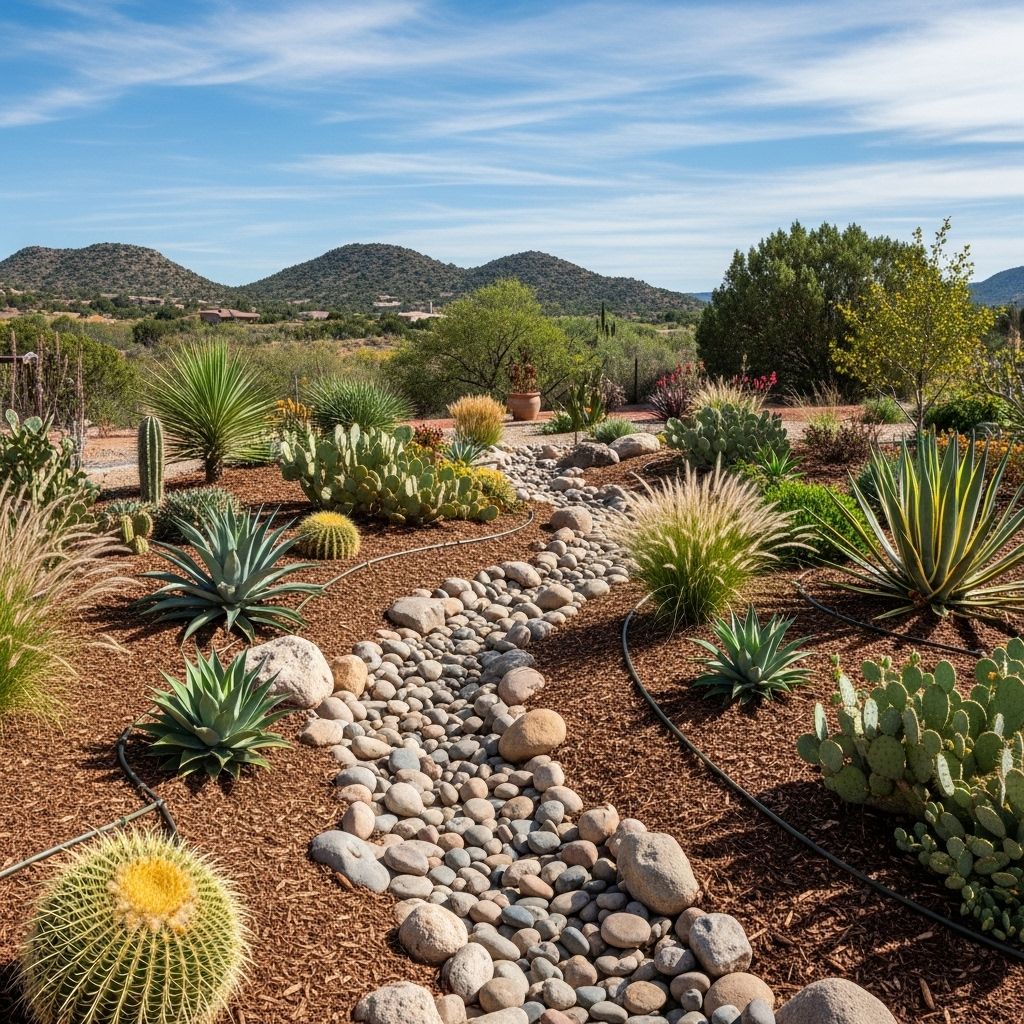
- Succulents: Agaves, yuccas, cacti, and other succulents are classic choices, retaining water in their leaves and thriving without frequent irrigation.
- Native Plants: Species naturally occurring in your region are inherently suited to local rainfall patterns and soil conditions.
- Mediterranean and Arid Zone Adaptables: Plants from similar dry climates, such as rosemary, lavender, and Russian sage, offer beauty and toughness.
If you’re unsure which plants will work best for your area, visit local botanical gardens for inspiration and guidance on proven drought-tolerant species.
Create Smart Plant Groupings and Placements
Grouping plants with similar water needs together—also known as hydrozoning—enables you to deliver just the right amount of water where it’s needed most, avoiding waste and improving plant health.
For best results:
- Establish separate zones for high-water, moderate-water, and low-water plants.
- Keep thirsty species, such as annual flowers or vegetables, closer to the house where they can benefit from roof runoff and easier care.
- Plant drought-tolerant selections farther out in the garden, where irrigation is less regular.
This strategic placement maximizes efficiency, ensures every plant gets adequate care, and minimizes over- or under-watering risks.
Maximize Existing Contours: Harnessing Natural Landforms
Rainwater is a rare treat in the Southwest, and watching it rush away from your garden can be frustrating. Small adjustments to land contours allow you to capture and direct rainfall for optimal use.
Consider these steps:
- Minor Landform Creation: Shape shallow basins, swales, or berms throughout your landscape to collect and slow rainwater. These features help water soak into the soil, replenishing root zones.
- Mounds and Basins: Create undulating terrain that channels water to your garden beds, while also adding visual interest.
- Collection Areas: Even small, artfully-designed depressions can hold several inches of rain, preventing precious moisture from running down the street or driveway.
By working with—rather than against—your garden’s natural contours, you can turn every rainfall into an opportunity for healthy growth.
Use Hardscape to Your Advantage
Strategic use of hardscape elements not only enhances garden design but also aids in water management and infiltration.
- Permeable Paths: Build garden paths and dry streambeds with a deep base of coarse gravel. These features absorb rainfall and allow it to penetrate into adjacent soil and root zones.
- Porous Patios: Dry-laid stone patios with spaced gaps encourage rainwater to filter through, nourishing nearby plants.
- Outdoor Showers: (with environmentally safe soaps) can direct rinse water towards adjacent plantings, making use of graywater for irrigation.
- Rocks and Boulders: Place large rocks amid planting beds. Rainwater travels along their sides, soaking deeply. The reduced exposed soil also helps retain moisture.
Thoughtful integration of hardscape materials transforms your garden into a water-harvesting landscape and boosts resilience in dry periods.
Create Curb Cuts: Innovative Urban Water Harvesting
A curb cut refers to removing part of the street curb so stormwater can flow into a designated basin rather than draining away. This urban technique is gaining traction in cities like Tucson, Arizona, where the goal is to green streetscapes, improve tree health, and replenish groundwater.
Key benefits include:
- Reduced Street Runoff: Diverts rainfall from roads directly to tree and garden roots.
- Water Table Recharge: Helps restore underground reserves and reduces the demand for municipal irrigation.
- Neighborhood Cooling: Greener streets with healthy trees lower ambient temperatures and create inviting public spaces.
Check local policies to see if curb cuts are supported or encouraged where you live. If not, you can advocate for their implementation through community channels and city government.
Smart Water Harvesting Systems: From Simple to Sophisticated
Whether you’re interested in basic conservation or advanced water management, there’s a range of methods for collecting and reusing rainwater:
- Rain Barrels and Storage Tanks: Captures rainfall from roofs and downspouts for future use.
- Graywater Systems: Safely reuses water from showers, sinks, or laundry, reducing freshwater needs.
- Irrigation Zones: Custom-installations can deliver precise water levels to separate garden areas. Complexity varies based on skill, budget, and need.
Start where you can—a simple rain barrel can make a significant difference in water savings, especially during dry spells.
Improve Soil Health for Better Water Retention
Healthy soils absorb and retain moisture longer, reducing the frequency and volume of irrigation required. Practical steps for better soil include:
- Add Organic Matter: Enrich beds with compost, decomposed leaves, or aged manure to improve structure and water-holding capacity.
- Mulch Generously: A thick layer (ideally 3 inches) of organic mulch, such as bark chips or shredded leaves, shades soil, suppresses weeds, and reduces evaporation.
- Monitor Moisture: Check soil depth regularly between waterings using a stiff metal rod. If resistance increases, it signals drier soil layers.
Renew mulches annually for ongoing benefits, and observe your plants for signs of moisture stress, like drooping or pale foliage.
Efficient Irrigation Methods
Watering practices directly impact conservation. Employ these tactics to maximize efficiency:
- Drip Irrigation and Soaker Hoses: Place water directly at the base of plants, minimizing evaporation and runoff.
- Smart Controllers: Technological upgrades (from basic timers to weather-sensing systems) tailor watering to actual conditions, not just schedules.
- Irrigate at Night or Early Morning: Lower evaporation rates in cool, calm air mean more water reaches roots.
- Avoid Overspray and Runoff: Regularly inspect your watering devices for leaks and proper targeting.
When watering, aim for deep, infrequent sessions that saturate root zones and encourage roots to grow downward—where moisture remains more available.
Replace Lawns with Water-Efficient Alternatives
Traditional turfgrass is a water-intensive choice, but there are beautiful alternatives that drastically cut usage:
- Drought-Tolerant Groundcovers: Woolly thyme, Dymondia margaretae, and low grasses form attractive, lush carpets with minimal irrigation.
- Perennial Tapestries: Mix low-growing perennials and native flora for a dynamic, ever-changing landscape.
- Artificial Grass: In very dry climates, quality synthetic turf requires no watering or mowing and offers visual green appeal.
Transforming high-water lawns into water-efficient designs yields cost savings, easier maintenance, and environmental benefits.
Mulch: The Unsung Hero of Water Conservation
Mulching is one of the simplest yet most powerful water-saving actions. Proper application methods include:
- Organic Mulch: Bark, compost, or shredded leaves retain moisture and break down over time, enriching the soil and supporting beneficial microbes.
- Rock Mulch: In some gardens, gravel or stones reduce evaporation and add design interest. However, organic mulch generally cools and improves the soil more effectively.
- Landscape Fabrics: Use beneath mulch to further minimize evaporation and weed growth.
Mulch helps define plant groupings visually, enhances negative space, and improves overall design cohesion while saving water.
Landscape Design Tactics for Water Efficiency
Thoughtful design choices play a major role in conserving water. Beyond plant selection and contouring, consider incorporating:
- Permeable Paving: Walkways made with flagstone set in sand or inter-planted with drought-tolerant groundcovers allow rainfall to percolate into the soil below.
- Negative Space: Artistic use of open mulched areas makes plantings stand out and reduces total planting (and watering) area.
- Integrated Harvesting Features: Dry streambeds and basins channel and capture excess rainfall, replenishing your garden’s hydration.
Combining function and aesthetics, these design elements maximize water sustainability and elevate your garden’s visual impact.
Maintenance Practices for Long-Term Conservation
Consistent observation and care are vital for ongoing water savings. Be proactive by:
- Regularly Checking for Leaks: Tighten faucets, hoses, and irrigation lines to avoid unnoticed water waste.
- Controlling Weeds: Hoe or pull weeds when young, as they compete fiercely for soil moisture. Mulches and landscaping fabrics help suppress growth.
- Seasonal Soil Testing: Adjust your watering schedule based on actual soil moisture—never just the calendar.
Frequently Asked Questions (FAQs)
Q: Can I grow a lush garden in the Southwest without high water bills?
A: Yes. By selecting drought-tolerant plants, using mulch, grouping plants wisely, upgrading to efficient irrigation systems, and harvesting rainwater, even arid region gardens can thrive with minimal supplemental water.
Q: What are the most effective irrigation methods for water conservation?
A: Drip irrigation and soaker hoses are highly effective, delivering water directly to plant roots with very little evaporation or runoff. Smart controllers further optimize watering based on weather and soil conditions.
Q: How do I know if my garden needs watering?
A: Check the soil moisture to a depth of several inches (using a metal probe or your finger); water only when the soil is dry at root level. Observing plant cues—such as droopy or off-colored foliage—also helps signal water stress.
Q: Is it difficult to retrofit my current garden for better water conservation?
A: Not necessarily. Start with basic steps like mulching, grouping plants with similar water needs, and replacing thirsty lawn sections. Over time, add irrigation upgrades and contour modifications as desired and budget allows.
Q: What if native plants aren’t available at my local nursery?
A: Many Mediterranean or other arid-adapted species work well in Southwestern gardens. Seek guidance from local botanical gardens, extension services, or specialty nurseries for plant recommendations suitable for your region’s conditions.
Conclusion: Embrace Conserving Practices for a Thriving Garden
Southwestern gardeners face unique challenges, but by integrating water-smart strategies—from plant choices and hydrozoning to landscape design and efficient irrigation—you can create beautiful, resilient gardens even in drought years. Every effort helps preserve the region’s most precious resource and supports the health and longevity of your outdoor sanctuary.
Similar Articles



Read full bio of Sneha Tete