Mastering Watering: Essential Tips for Healthy, Thriving Plants
Your comprehensive guide to smart watering techniques for vibrant, resilient plants in containers and garden beds.
Watering Plants: The Key to Healthy Growth
n
Proper watering is the cornerstone of a thriving garden or flourishing indoor plant collection. Whether you are a novice gardener starting with houseplants, an urban grower maintaining pots on a balcony, or an enthusiastic horticulturist tending expansive garden beds, understanding the art and science of watering plants will determine your long-term success. This guide offers detailed, actionable advice on techniques, timing, common mistakes, and troubleshooting—all tailored to help your plants reach their full potential.
nn
Why Watering Matters
n
Water is not just a basic need; it plays several critical roles in plant health and development. It transports nutrients from the soil to the roots and leaves, supports cellular structure, and regulates temperature. However, too much or too little water can quickly derail your gardening efforts. Learning how to gauge and manage moisture is crucial for both indoor and outdoor growing environments.
nn
Understanding Your Plants’ Water Needs
n
- n
- Plant Type: Succulents and cacti require less frequent watering, while vegetables and most annuals need more moisture.
- Growth Stage: Seedlings and young transplants need consistent moisture, whereas mature, established plants often adapt to longer intervals.
- Environment: Light, humidity, temperature, and airflow all influence water needs.
- Soil Condition: Sandy soils dry quickly; clay soils retain moisture but can compact. Raised beds and containers typically need more attention than in-ground beds.
n
n
n
n
nn
Core Watering Techniques
n
Direct Soil Watering
n
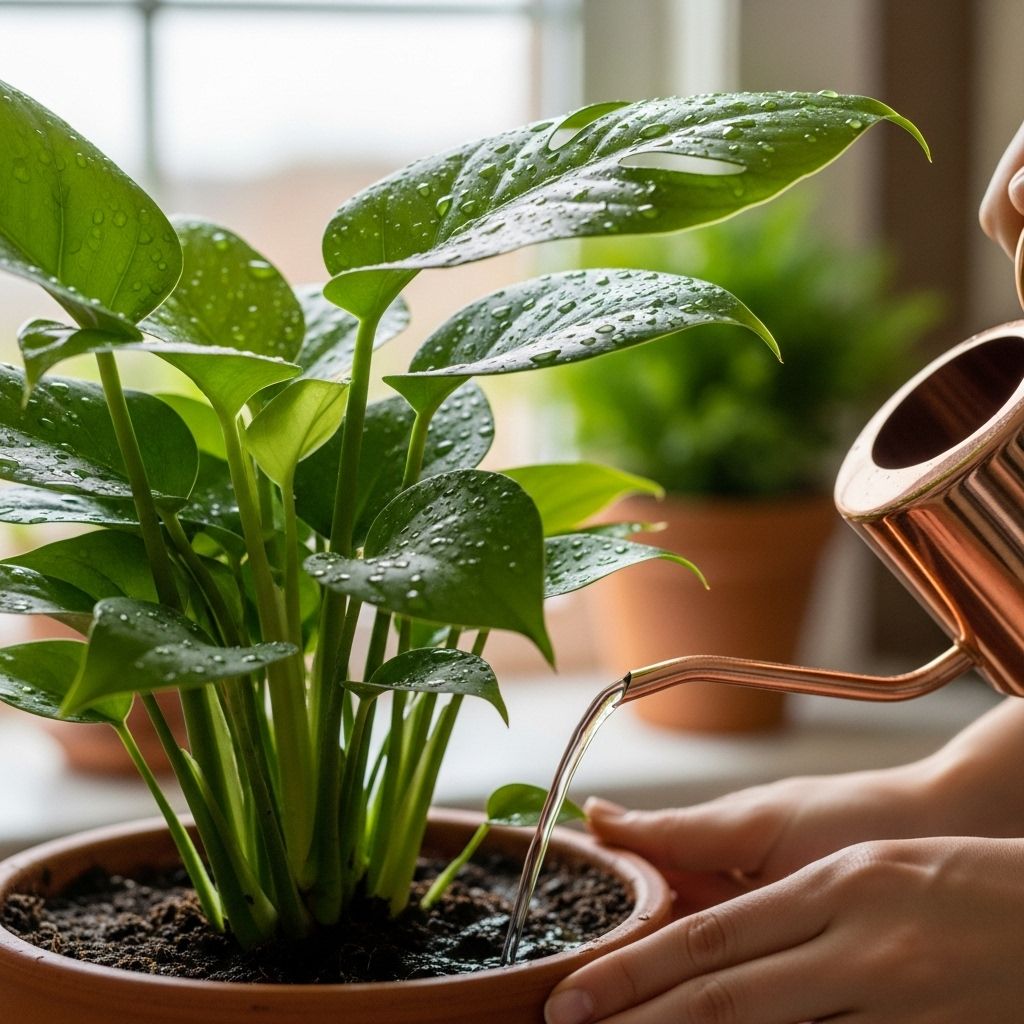
Always aim to water the soil directly at the root zone. Avoid spraying over leaves, which wastes water through evaporation and may encourage disease. Use watering cans, hoses with wands, or drip systems for precision. For container plants, pour until a bit of water runs out the drainage holes, indicating full saturation.
nn
Deep Watering
n
Deep watering is far superior to frequent, shallow watering. By allowing water to penetrate deeply into the soil, you promote deeper root growth, increased drought resistance, and healthier plants overall. To achieve deep watering:
n
- n
- Continue watering each spot until water fully penetrates the root zone.
- Ensure water reaches at least 6-8 inches depth for most vegetables and flowering plants.
- Mulch around plant bases to preserve soil moisture and reduce evaporation.
n
n
n
nn
Frequency and Adjustment
n
- n
- Check soil moisture regularly, using your finger, a moisture meter, or by observing soil color and texture.
- Adjust watering schedules for seasonal changes and plant growth stages—typically, plants need more water during hot summers and active growth periods.
- Group plants with similar watering needs together for easier care and efficiency.
n
n
n
nn
Optimal Timing: When to Water Your Plants
n
- n
- Early Morning: The best time to water most plants. Morning watering provides ample time for water to infiltrate the soil and roots before the day’s heat increases evaporation. Plants also absorb water more efficiently in cool conditions.
- Late Afternoon: Acceptable during hot weather, but ensure leaves dry before sunset to reduce disease risk.
- Nighttime: Should be avoided, as prolonged moisture on leaves and cooler soil conditions can foster fungal growth and disease.
n
n
n
nn
| Watering Time | Pros | Cons |
|---|---|---|
| Morning | Maximizes absorption, minimizes evaporation, reduces disease risk | Requires early routine |
| Afternoon | Useful if mornings missed; quick drying of leaves | Water can evaporate quickly during heat |
| Night | Convenient for some schedules | High disease risk, poor absorption |
nn
Common Watering Mistakes (and How to Avoid Them)
n
- n
- Blanket Watering: Watering all plants the same way or at the same frequency. Each species has specific needs—group similar plants for efficient watering.
- Overwatering: Causes root rot, soggy soil, and poor oxygen uptake. Signs include wilting, soft stems, and yellow leaves.
- Underwatering: Leads to wilted, crispy, or yellowing leaves, and stunted growth. Soil may pull away from container edges or crack in beds.
- Poor Drainage: Ensure containers have adequate holes and in-ground beds have loose, amended soil.
- Watering Leaves, Not Soil: Direct water to roots, not foliage, to maximize absorption and reduce diseases.
- Ignoring Environmental Changes: Adjust for heat waves, rain, drought, and plant maturity.
n
n
n
n
n
n
nn
Troubleshooting Watering Problems
n
Symptoms of Underwatering
n
- n
- Wilted, curling, or crispy leaves
- Yellowing foliage, leaf drop
- Dry, cracked, or shrinking soil in pots
- Slow growth or reduced flowering
The solution: Water deeply and check the plant daily for a week. Rehydrate slowly, using shallow trays for container plants if needed. Amend soil with compost to improve moisture retention.
n
n
n
n
nn
Symptoms of Overwatering
n
- n
- Leaves wilted but soft and limp
- Yellow or brown spots on leaves
- Soggy soil; bad odors from root zone
- Mold or fungi on soil surface
The solution: Allow soil to dry, improve drainage, and reduce watering frequency. Use mulch and well-aerated soil mixes for containers.
n
n
n
n
nn
Watering Different Types of Plants
n
Annuals and Vegetables
n
- n
- Require regular, consistent moisture, especially during flowering and fruit development.
- Best grouped together for efficient irrigation. Amend soil with organic matter to enhance water retention.
n
n
n
Herbs
n
- n
- Mediterranean herbs (oregano, rosemary, sage, thyme) thrive in well-drained, gravelly soils and need infrequent watering.
- Leafy herbs (basil, cilantro, parsley) need more regular moisture—avoid drying out between waterings.
n
n
n
Succulents and Cacti
n
- n
- Require minimal water; allow soil to dry completely before rewatering.
- Use pots with excellent drainage; avoid peat-based soils that retain excess moisture.
n
n
n
Houseplants
n
- n
- Observe individual plant needs—some (e.g., pothos, ferns) prefer consistently moist soil, while others (e.g., snake plant) thrive on less frequent watering.
- Monitor humidity and adjust for air conditioning or central heating.
n
n
nn
Preparing for Vacations & Absences
n
- n
- Deeply water all plants right before you leave to maximize moisture retention.
- Apply a layer of mulch to slow evaporation.
- Install slow-release watering devices (such as ollas, drip irrigation timers, or water spikes) for hands-free hydration.
- If practical, arrange for a neighbor or plant-sitter to check on your garden or container plants every few days.
n
n
n
n
n
Grouping Plants for Efficient Watering
n
To optimize your watering schedule and get the most from your irrigation routine:
n
- n
- Cluster thirsty vegetables—tomatoes, cucumbers, peppers—together for regular deep watering.
- Design Mediterranean beds with drought-tolerant herbs and perennials clustered in infrequently watered areas.
- Place high-needs, sun-loving flowers or tropical plants near convenient watering areas or install drip irrigation if possible.
n
n
n
nn
Tools & Equipment for Smart Watering
n
- n
- Watering Cans: For precise measurements in small-scale container gardens/removing buildup on foliage.
- Hoses: Use hoses with wands or adjustable nozzles for flexibility and control over flow rate.
- Drip Irrigation Systems: Efficient for garden beds, delivering water directly to root zones with minimal waste.
- Mulch & Soil Amendments: Organic mulch helps maintain moisture; compost and coconut coir are excellent for improving retention in containers and beds.
- Moisture Meters: Essential for tracking soil wetness, especially in containers or tricky garden spots.
n
n
n
n
n
nn
Frequently Asked Questions (FAQs)
n
Q: How do I know if my plant needs water?
n
A: Check by inserting your finger into the soil up to the first knuckle. If the soil feels dry and does not stick to your finger, it’s time to water. For container plants, soil pulling away from the pot edges is a sign of dryness.
nn
Q: What is the best time of day to water my garden?
n
A: Early morning is best. Watering at this time reduces evaporation and fungal disease risk. Avoid nighttime watering.
nn
Q: Is it bad to get water on the plant’s leaves?
n
A: Yes, if left wet, leaves can invite disease. Focus on watering soil at the root zone for safety and efficiency.
nn
Q: How do I water plants during a vacation?
n
A: Deeply water before departure, mulch heavily, and use timers or water spikes. For longer absences, ask a neighbor for help.
nn
Q: Why do some plants wilt after watering?
n
A: Wilting after watering may indicate overwatering/root rot, not thirst. Check the soil and roots for softness or sour smell, and adjust watering practices accordingly.
nn
Conclusion: Practice Smart Watering for Healthy Gardens
n
Safeguarding plant health through proper watering is about balance, observation, and adjustment. Learn and adapt to your garden’s ever-changing needs—and find joy in every droplet that helps your plants flourish.
n
Similar Articles


Read full bio of medha deb