When to Plant Fall Mums: Timing, Care, and Seasonal Success
Unlock the secrets to thriving fall mums with expert tips on planting times, care routines, and seasonal success for beautiful autumn blooms.
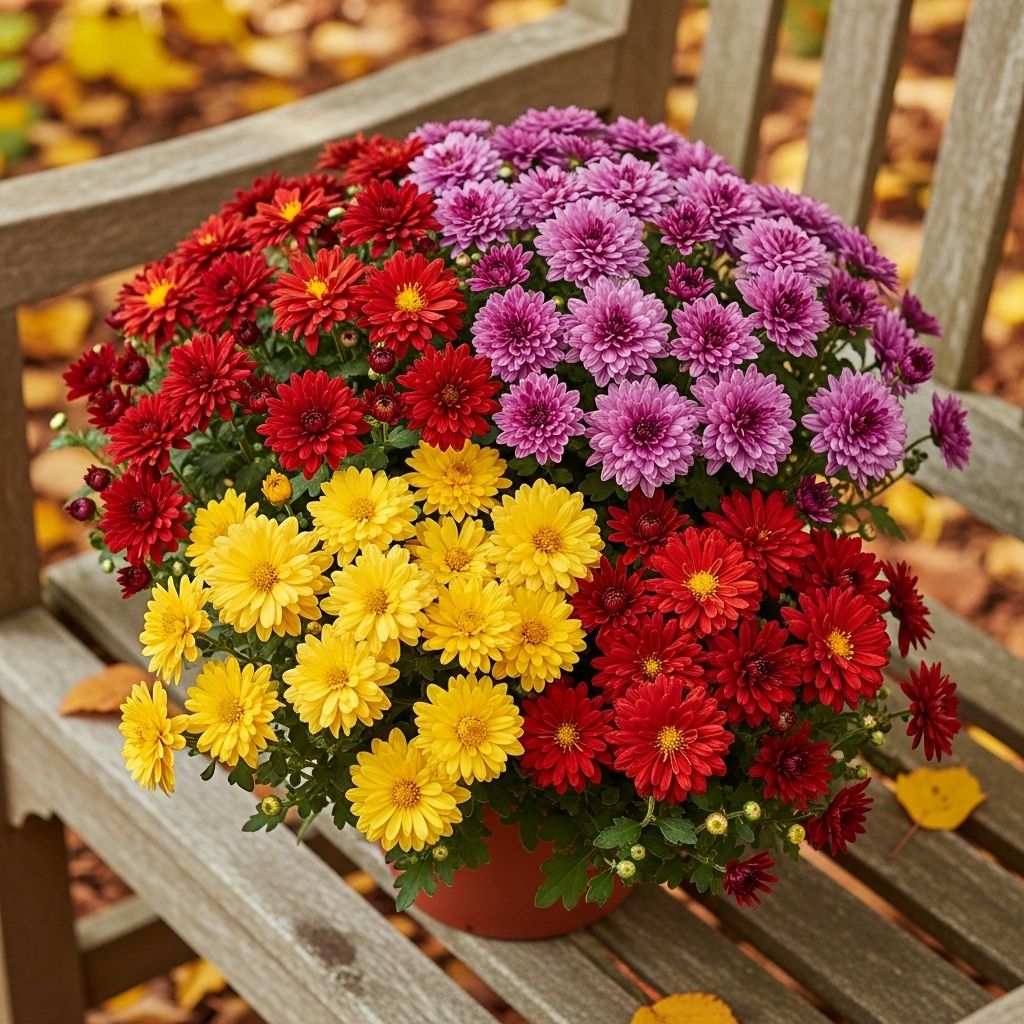
Chrysanthemums, often affectionately known as fall mums, are the quintessential blooms of autumn, bringing vibrant color to gardens, porches, and landscapes. Whether you’re an experienced horticulturalist or a weekend garden enthusiast, understanding when and how to plant fall mums is essential for achieving lush, season-long displays. This comprehensive guide covers everything you need to know, including the optimal planting window, types of mums, site selection, propagation methods, care routines, troubleshooting, and frequently asked questions.
Understanding Fall Mums
Mums are one of the most beloved autumn perennials thanks to their versatile colors, varied forms, and adaptability to different garden designs. Known botanically as Chrysanthemum morifolium, they come in a wide spectrum of hues, including yellow, orange, burgundy, pink, purple, and white. Their blooms last well into fall, often outlasting other flowering annuals caught by the season’s first frost.
Why Grow Fall Mums?
- Seasonal Color: Breathe new life into tired summer gardens with fresh, vibrant blooms when most annuals are fading.
- Diversity: With dozens of petal forms and growth habits, mums add texture and interest to borders, containers, and cut flower arrangements.
- Durability: Hardy mum varieties can return year after year with minimal intervention when properly planted and cared for.
Best Time to Plant Fall Mums
Timing is critical to maximize flower production and ensure winter hardiness. Mums are often available at nurseries in late summer and fall, already blooming, but planting at the right time makes a significant difference in long-term success.
Planting Windows by Season
| Planting Window | Advantages | Drawbacks |
|---|---|---|
| Early Spring |
|
|
| Late Summer |
|
|
| Fall |
|
|
For perennial success, plant mums in early spring or as early as possible in the growing season. This allows roots plenty of time to establish. Mums planted during late summer or fall should be treated as annuals in cold regions, unless you provide extra mulch and protection through the winter.
Regional Considerations
- Colder zones (USDA 3-5): Aim for a spring planting to guarantee winter hardiness.
- Warmer zones (USDA 6 and up): You have more flexibility; late summer plantings may overwinter with extra care.
Varieties of Chrysanthemums
Mum lovers enjoy an astonishing variety of shapes, colors, and growth habits to suit every garden style. According to the National Chrysanthemum Society, there are thirteen distinctive types based on petal arrangement and bloom size.
- Decorative: Dome-shaped with densely packed petals. Most common.
- Spider: Long, spiked petals for dramatic flair.
- Reflex: Downturned petals with a flat center.
- Anemone: Raised, pincushion-like center.
- Single & Semi-double: Resembling daisies.
- Pompom: Small, globe-shaped blooms.
- Cushion: Compact and low-growing, ideal for ground cover.
- Quill: Upright, tubular petals. Tall, great for cutting.
Site Selection and Soil Preparation
Choosing the Right Location
- Full sun: At least 6 hours of direct sunlight for abundant blooms.
- Well-drained soil: Mums dislike soggy roots. Amend clay or heavy soils with compost.
Preparing the Planting Bed
- Loosen soil to a depth of 12–18 inches.
- Mix in organic matter such as compost or well-rotted manure for nutrition and drainage.
- Test pH and adjust to neutral (6.5–7.0) if needed using garden lime or sulfur.
How to Plant Fall Mums
Step-by-Step Planting Guide
- Dig the hole: Make it twice as wide as the root ball and just as deep.
- Gently remove plant from pot: Avoid disturbing the roots.
- Set the plant at the same depth as it grew in the nursery container.
- Backfill: Fill in around the root ball with amended soil, gently firming down as you go.
- Water in well: Ensure roots are thoroughly moistened.
- Mulch: Add a 2-3 inch layer of bark or straw to conserve moisture and insulate roots.
Propagation Methods for Mums
There are three main ways to propagate mums in the home garden:
- Seeds: Sown indoors late winter. Transplant outdoors after danger of frost has passed. Seeds require patience and may lead to variable results.
- Division: The easiest and most reliable method. In early spring, dig up an established clump, gently separate stems with intact roots, and replant immediately.
- Cuttings: Take 4–6 inch stem cuttings from healthy plants in spring. Remove lower leaves, dip cut end in rooting hormone, and root in moist potting mix under humidity. Transplant once rooted.
Caring for Fall Mums
Watering
- Consistent moisture: Keep soil evenly moist; avoid drought and waterlogging.
- Morning watering: Reduces risk of foliar disease.
Fertilizing
- Balanced slow-release fertilizer: Apply in early spring and again midsummer. Avoid high-nitrogen feeds, which encourage foliage instead of flowers.
- Pot-grown mums: Benefit from biweekly dilute liquid fertilizer during active growth.
Pinching and Pruning
- Pinch shoots every 2–4 weeks until mid-July to encourage bushier growth and more blooms.
- Remove dead blooms regularly to extend flowering.
- Fall clean-up: After the first hard frost, cut stems back to 1–3 inches above the soil to prepare for winter (leave tall stubs in cold zones for better root protection).
Mulching and Winter Protection
- Apply thick mulch—3–4 inches of straw or shredded leaves—after ground has frozen for overwintering.
- Avoid mulching too soon or it may trap moisture and promote rot.
Growing Mums in Containers
Mums thrive in pots and window boxes as long as you provide good drainage and attentive care.
- Container size: Use pots at least 8–12 inches wide per plant. Overcrowded mums will not perform well.
- Potting mix: Use high-quality, well-draining potting mix.
- Watering: Pots dry out faster; check moisture daily and water as needed.
- Fertilizer: Feed every 2–3 weeks with liquid fertilizer during growth and bloom.
Special Planting Tips
- Do not plant deeper than the plug or nursery container depth.
- Cluster arrangements: Mix different colored mum plugs for a vibrant display.
- Rotate pots: Turn containers regularly to keep plants growing evenly.
Common Mum Problems and Solutions
- Pests: Aphids, spider mites, slugs, and snails are common. Encourage beneficial insects like ladybugs. Use insecticidal soap as needed.
- Diseases: Leaf spots, powdery mildew, root rot, and rust can be issues. Practice crop rotation, ensure good air circulation, and water at the soil line to avoid wet foliage.
- Yellowing leaves: Usually a sign of overwatering, poor drainage, or nutrient deficiency.
- Poor blooms: Usually due to too little sunlight or lack of pinching/pruning in summer.
Frequently Asked Questions (FAQs)
Q: Can I plant mums in the fall and expect them to return next year?
A: Planting in early fall may give mums a chance to develop roots before winter in mild climates, but spring planting is best for perennial longevity. Late-season plantings are best treated as annuals in cold climates.
Q: How often should I water mums during the blooming season?
A: Mums need even moisture throughout the growing season—typically about an inch of water per week, more in hot or very sunny locations. Avoid letting them wilt, but don’t keep the soil soggy.
Q: Do mums need to be divided?
A: Yes, mature chrysanthemums benefit from division every 2–3 years to stimulate new growth, reduce overcrowding, and encourage abundant flowering.
Q: Why do my potted mums stop blooming early?
A: Mums in pots often bloom quickly and fade if they are rootbound, dried out, or exposed to extreme heat. Deadhead spent blooms, provide adequate water, and fertilize regularly for extended show.
Q: Can I leave mums outside for winter in containers?
A: Container mums are more vulnerable to winter cold. Move pots into an unheated garage or mulch heavily around them, or consider repotting into the ground for better protection.
Companion Planting for Mums
Mums pair well with other autumn perennials and annuals that appreciate similar conditions. Try these companions for maximum fall impact:
- Ornamental grasses
- Pansies and violas
- Asters
- Rudbeckia (black-eyed Susans)
- Dusty miller for silvery foliage contrast
Summary Table: Quick Tips for Planting Fall Mums
| Action | Best Timing | Expert Tip |
|---|---|---|
| Choose Perennial Mums | Early spring | Look for hardy labeled cultivars |
| Site Selection | Pre-planting | Pick full sun with well-drained soil |
| Water Regularly | Whole season | Even moisture, never soggy |
| Pinch Back Stems | Every 2–4 weeks until July | For more blooms and bushier growth |
| Mulch for Winter | After ground freezes | Insulate roots; avoid early mulching |
Conclusion
Planting fall mums at the right time and following proven care strategies ensures striking garden displays long after summer annuals have faded. Whether you aim for dazzling fall décor on your porch or long-lived perennial borders, attention to timing, placement, and care is the key to chrysanthemum success. Follow these guidelines for bright, abundant blooms and reliable performance season after season.
Similar Articles





Read full bio of Sneha Tete