When to Plant Hollyhock Seeds: Timing, Tips, and Growing Success
Unlock the charm of cottage gardens by learning the best time and method to plant hollyhock seeds, whether indoors or outdoors.
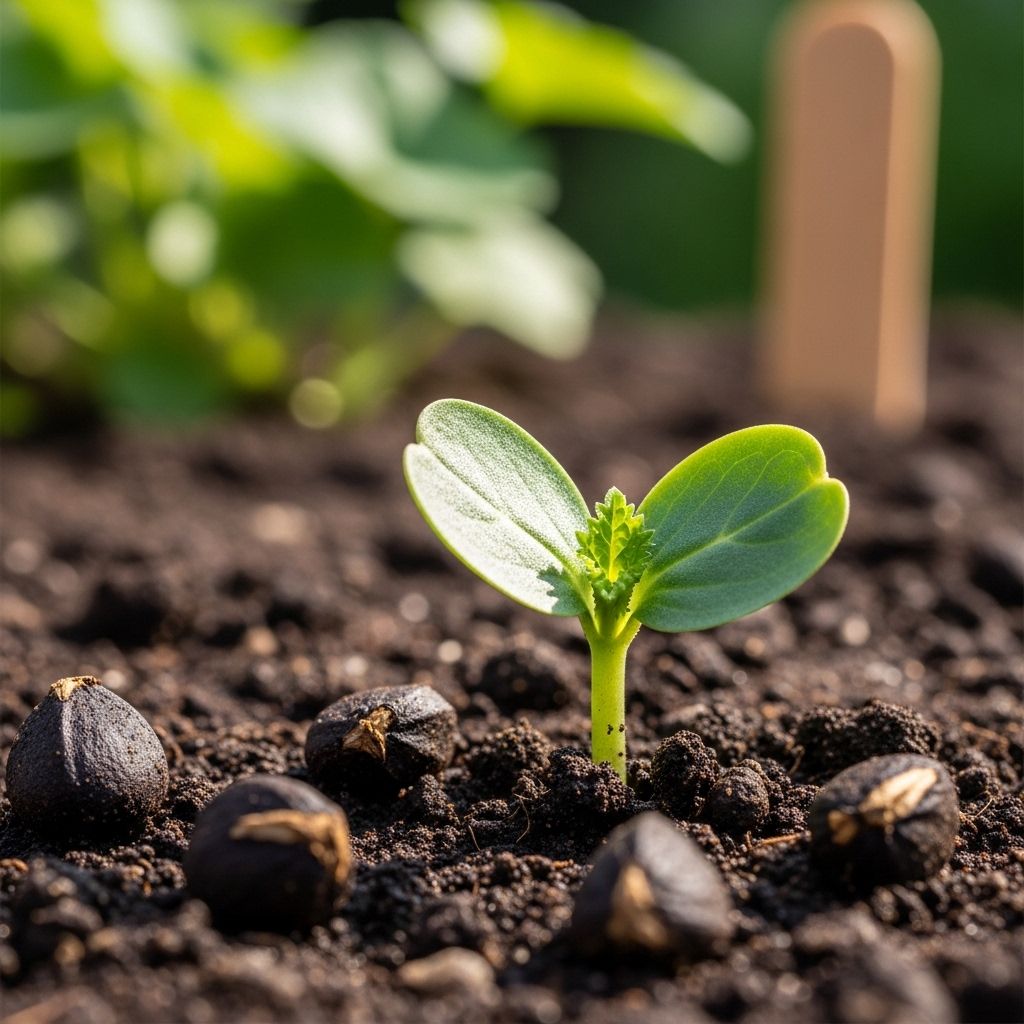
When to Plant Hollyhock Seeds: Your Complete Guide
Hollyhocks (Alcea rosea) are quintessential to classic cottage gardens, celebrated for their statuesque flowers and old-world charm. Their towering stalks, dramatic blooms, and ability to self-sow make them a favorite among gardeners. But the key to vibrant, healthy hollyhocks lies in knowing exactly when and how to plant their seeds. This article offers evidence-based advice on best planting times, step-by-step instructions for both indoor and outdoor sowing, essential aftercare, and expert answers to frequently asked hollyhock questions.
Understanding the Hollyhock Lifecycle
Hollyhocks are typically biennials, meaning they focus on foliage and root growth their first year, followed by striking floral displays in their second year. However, some varieties act as short-lived perennials and may flower in the first year if started early indoors. Regardless of their cycle, timing your planting is essential for reliable blooms and robust plants.
- Biennial: First-year growth is mainly leaves and roots; second-year is for flower stalks and seed formation.
- Short-lived perennial: Can bloom in year one if started early enough or grown in mild climates.
- Self-seeding: Hollyhocks drop seeds after flowering, often resulting in volunteers the following seasons.
Best Time to Plant Hollyhock Seeds
The window for sowing hollyhock seeds depends on whether you plan to direct sow outdoors or start seeds indoors for transplanting. Choosing the right timing is crucial for healthy establishment and flowering:
- Direct sow outdoors: About 1 week before your average last spring frost, or autumn in mild regions.
- Start indoors: Roughly 9 weeks before your final anticipated frost, then transplant outdoors 2–3 weeks after the last frost when seedlings are sturdy and the threat of cold has passed.
- Fall sowing: Where winters are mild, sow seeds directly outdoors a couple of months before the first fall frost for earlier blooms the next season.
Check your region’s frost dates for the most accurate guidance. Outdoor sowing is ideal for growers in milder climates, while indoor starts offer a head start in colder zones.
Where to Plant Hollyhock Seeds
Site selection is vital to the health and beauty of mature hollyhocks:
- Light: Full sun is best (at least 6 hours daily), though partial shade is tolerated.
- Soil: Moist, rich, and well-drained soil supports strong roots and tall growth. Avoid dry or compacted locations.
- Air flow: Good spacing improves circulation and reduces disease risk, especially for the lower leaves prone to rust.
Because hollyhocks grow tall (3–8 feet), position them at the back of flower borders, along fences, or beside walls to provide both a dramatic backdrop and wind protection.
How to Plant Hollyhock Seeds: Step-by-Step
You can successfully start hollyhocks from seed with a few fundamental techniques. Below, you’ll find detailed steps for both outdoor direct sowing and starting seeds indoors for later transplant.
Direct Sowing Hollyhock Seeds Outdoors
- Time the planting: Wait until about one week before your last expected frost; soil should be workable but not soggy.
- Prepare the soil: Loosen the soil in the planting area. Amend with compost for nutrients and drainage if needed.
- Spacing: Sow seeds roughly 18–24 inches apart (around two feet).
- Planting depth: Place seeds directly on the surface and press gently; do not cover them, as hollyhock seeds require light to germinate.
- Water: Mist the area gently, keeping soil moist but not waterlogged until seeds sprout.
Starting Hollyhock Seeds Indoors
- Sow indoors: Start seeds in individual tall pots or cell trays filled with moistened seed-starting mix about 9 weeks before your last expected frost.
- Press seeds lightly on the surface; do not bury them. Cover with a humidity dome or plastic wrap until they sprout.
- Light: Provide bright light; a south-facing window or grow lights are ideal.
- Water: Mist or gently water to keep the soil consistently moist.
- Transplant: Once seedlings have at least two sets of true leaves and after all risk of frost has passed, begin the hardening-off process (gradually acclimate to outdoor conditions over 1–2 weeks) before planting out.
- Spacing: Transplant seedlings 18–24″ apart; match the potting soil level to the garden soil level to avoid stem rot.
Table: Indoor vs Outdoor Sowing Comparison
| Method | When to Start | Plant Depth | Key Advantages |
|---|---|---|---|
| Indoors | 9 weeks before last frost | On surface, lightly pressed | Earlier blooms, protects from late frosts, controlled conditions |
| Outdoors (Direct sow) | 1 week before last frost | On surface, lightly pressed | Less transplant stress, larger taproots, lower setup effort |
Caring for Hollyhock Seedlings and Mature Plants
After seeds germinate and seedlings are transplanted or sprouted outdoors, follow these key care steps for lush, vigorous hollyhocks:
- Watering: Keep the soil moist but never soggy, especially for young plants. Established hollyhocks are somewhat drought tolerant but perform best with regular watering.
- Mulch: Apply organic mulch around the base to maintain soil moisture and discourage weeds.
- Support: Due to their height, hollyhocks often require staking, or you can plant them against fences, trellises, or walls for natural support.
- Deadheading: Remove faded blooms to encourage more flowering and extend plant life.
- Pruning: Cut back entire stalks after flowering if you wish to prevent reseeding; otherwise, allow a few stalks to set seed for natural renewal.
- Rust prevention: Hollyhocks are susceptible to rust (a fungal disease), particularly in humid regions. Help prevent this by watering at the soil level, encouraging air circulation, and promptly removing affected leaves.
- Winter care: In non-tropical zones, cut all stems and foliage to the ground after die-back to minimize overwintering disease. Mulch lightly to protect roots.
Common Problems and How to Avoid Them
Hollyhocks are relatively easy-going when grown in the right conditions, but certain issues can arise:
- Rust disease: Characterized by orange pustules on lower leaves; prevent by spacing for airflow and watering at the soil.
- Drought or soggy soil: Can stunt growth or cause root rot. Always plant in well-drained soil and monitor moisture carefully.
- Wind damage: Tall stalks are prone to snapping in storms. Stake or shelter plants as needed, especially in exposed gardens.
- Poor flowering: May result from too much shade, depleted soil, or improper planting depth.
Encouraging Self-Sowing and Perennial Growth
Hollyhocks may self-sow freely, especially if left unattended after flowering. Here’s how to manage this process for desired results:
- Allowing self-sowing: Leave faded blooms on the plant until seeds mature and drop for a natural renewal each season.
- Controlling spread: Remove unwanted stalks after flowering to avoid excessive reseeding in unwanted areas.
- Extending lifespan: Hollyhocks often behave as short-lived perennials; deadhead regularly and mulch in winter to help individual plants survive 2–3 years or more.
Best Picks: Hollyhock Varieties for Every Garden
While many hollyhocks share general care requirements, you can choose between classic biennials, annuals, or perennial selections. Popular types include:
- Alcea rosea ‘Indian Spring’: Renowned for pink, red, and white single blooms; often flowers in first year if sown early.
- Alcea ficifolia (fig-leaved): More perennial in character and somewhat more resistant to rust.
- Dwarf hollyhocks: Compact varieties suitable for smaller beds or containers.
Frequently Asked Questions About Planting Hollyhock Seeds
Q: Can I start hollyhocks from seed in containers?
A: Yes, hollyhocks can be started and even grown to maturity in large, deep containers. Use rich, well-draining soil and make sure to provide support as the stalks grow tall. Avoid crowding: one to two plants per container is best.
Q: Do hollyhock seeds need light to germinate?
A: Yes, do not cover hollyhock seeds with soil. Press them lightly into the surface so they receive the light required for germination.
Q: How long do hollyhock seeds take to germinate?
A: Germination typically takes 10–21 days, depending on temperature and moisture. Keep seed trays or the garden bed consistently moist.
Q: Do I have to soak hollyhock seeds before planting?
A: Soaking is optional and not required, but a 12-hour soak in warm water can help soften the seed coat for quicker sprouting.
Q: How can I prevent hollyhock rust?
A: The best preventive strategies are:
- Water at the base, not overhead
- Provide plenty of space for airflow
- Remove and destroy affected leaves as soon as possible
Q: Can hollyhocks bloom in their first year from seed?
A: Occasionally, especially with early indoor sowing and fast-growing varieties, hollyhocks will bloom in their first year, but most commonly, blooms appear the following year.
Q: How do I transplant hollyhock seedlings?
A: When seedlings have developed at least two sets of true leaves and have been hardened off for 1–2 weeks, plant outdoors at the same soil level as they were in their pots and space 18–24 inches apart. Water thoroughly after transplanting.
Q: Do hollyhocks come back every year?
A: Most hollyhocks are biennials or short-lived perennials, but with self-seeding, they often reappear every year in favorable locations.
Key Takeaways for Stunning Hollyhocks
- Best planting: Sow seeds 1 week before last frost outdoors or 9 weeks before indoors, uncovered for light.
- Site selection: Choose full sun and rich, well-draining soil, spacing each plant 2 feet apart.
- Aftercare: Water at the base, deadhead spent blooms, stake tall stalks, and cut back in winter to prevent disease.
- Lifespan: Hollyhocks live 2–3 years, but will live on in your garden through self-seeding and good maintenance.
- Common challenges: Prevent rust and manage spread for long-lasting, healthy displays.
With proper timing and thoughtful care, hollyhocks will bring vertical interest, classic elegance, and pollinator-friendly blooms to your garden for years to come.
Similar Articles



Read full bio of medha deb