Where to Plant Hibiscus for Thriving Blooms and Lush Growth
A comprehensive guide to choosing the best location and conditions for vibrant hibiscus plants, indoors and out.
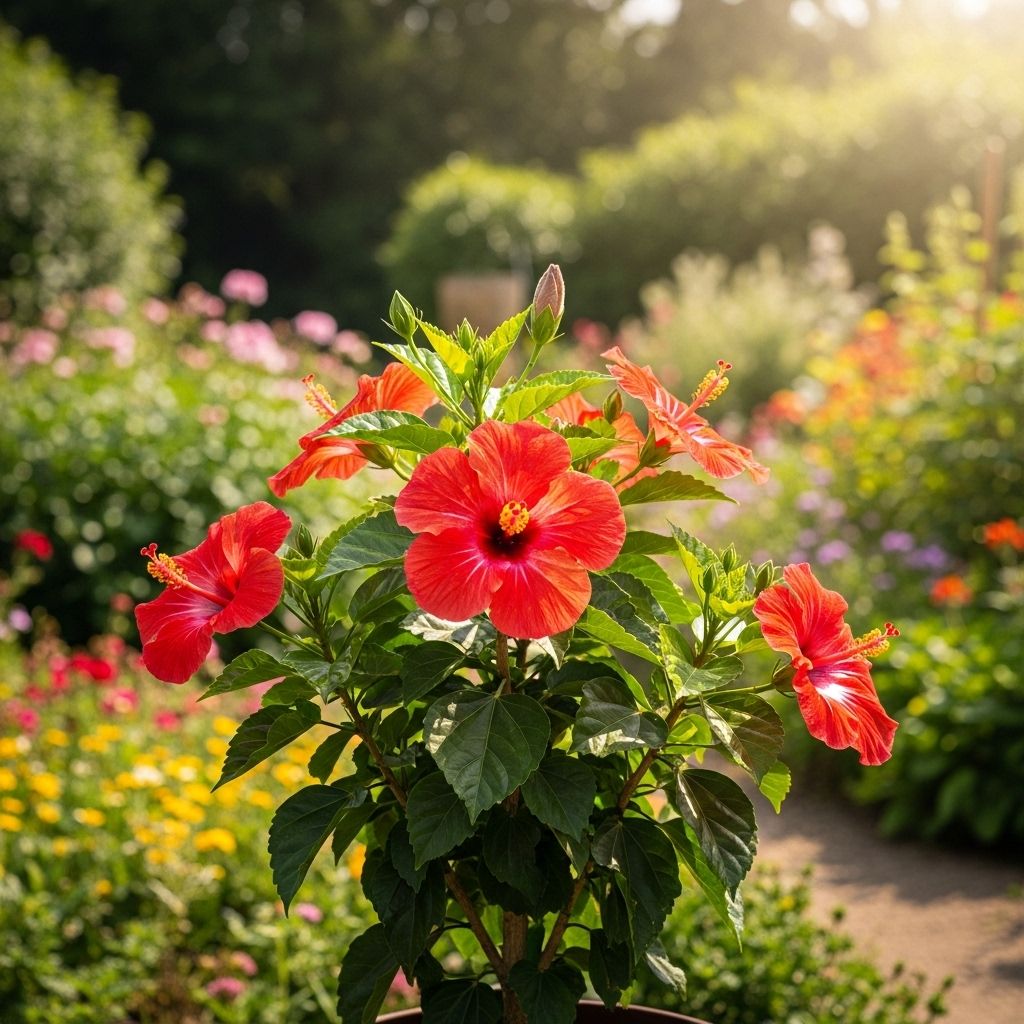
Hibiscus plants, renowned for their spectacular, tropical-flair blooms and lush foliage, offer a dazzling presence in any garden or home. To unleash their full flowering potential, selecting the right planting location and providing proper care are essential. This guide explores the ideal spots and environmental factors for planting hibiscus, whether in outdoor beds, containers, or indoor settings.
Understanding Hibiscus Varieties
Broadly, hibiscus plants fall into two major categories:
- Tropical Hibiscus (Hibiscus rosa-sinensis): Known for their vibrant, large, and often multicolored flowers. They require consistently warm temperatures and are sensitive to frost.
- Hardy Hibiscus (Hibiscus moscheutos and related species): Adapted to cooler climates, these feature enormous blooms and can survive frost and even snow once established.
Choosing the right type for your climate ensures healthy growth and repeated flowering.
Best Locations for Planting Hibiscus
The spot you select can make or break your hibiscus success. Consider the following key aspects:
1. Outdoor Garden Beds
Planting hibiscus directly in the garden bed allows energetic root growth and exposure to sunlight. Ideal garden bed placement:
- Full Sun: Hibiscus flourish with 6–8 hours of direct sun per day. Morning sunlight is preferable, as the afternoon sun in hot climates may scorch leaves. In temperate zones, more sun encourages prolific blooms.
- Sheltered Spots: Protect hibiscus from intense winds, which can damage delicate blooms and cause dehydration. Plant near fences, hedges, or established shrubs.
- Accessible Drainage: Select locations with well-draining soil to prevent root rot. Avoid low-lying spots where water pools after rainfall.
2. Containers and Pots
Container planting offers flexibility and control, making it a great option for:
- Poor native soils: Use containers to provide ideal soil mixes.
- Cold-winter climates: Easily move containers indoors when frost threatens.
- Decorative versatility: Pots permit creative placement on patios, decks, and entryways.
Key Container Planting Tips:
- Choose containers with drainage holes to prevent waterlogging.
- Use a soil blend of compost, perlite, and rich garden loam for optimal nutrients and aeration.
- Ensure pots are large enough for mature roots (minimum 12 inches diameter for young plants).
3. Indoors and Greenhouses
Indoor planting is ideal where winters are severe. Hibiscus adapt well to bright indoor conditions if managed carefully:
- Light: Place near south- or west-facing windows to maximize light, supplementing with grow lights if necessary.
- Humidity: Use trays of water or humidifiers to maintain adequate moisture.
- Temperature: Keep indoor temperatures above 50°F (10°C), especially for tropical types.
Key Growing Conditions for Hibiscus
Regardless of location, hibiscus require a few foundational elements for strong growth:
Light Requirements
- Tropical Hibiscus: Need consistently bright light, ideally full sun. They can tolerate partial shade but produce fewer blooms.
- Hardy Hibiscus: Thrive in full sun but will survive in part-shade conditions—with gradual reductions in flowering.
Tip: In excessively hot climates, partial afternoon shade helps prevent leaf scorch and flower loss.
Soil Quality and Drainage
- Well-draining soil: Hibiscus hate ‘wet feet.’ Clay-heavy soils should be amended with compost and coarse sand.
- pH Range: Target a slightly acidic to neutral range (6.0–7.0). If your local soil is alkaline, boost acidity with organic amendments.
- Nutrient-rich: Mix compost, aged manure, or slow-release fertilizers into the planting area.
| Condition | Ideal Range for Hibiscus |
|---|---|
| Sunlight | 6–8 hours daily |
| Soil pH | 6.0–7.0 |
| Watering (outdoor) | 1–2 inches per week (adjust in drought or rainy periods) |
| Temperature (tropical) | Above 50°F (10°C) |
| Spacing between plants | 3–5 feet |
Spacing and Air Circulation
Avoid crowding hibiscus plants. Adequate spacing ensures:
- Enhanced air circulation, reducing fungal diseases.
- Room for bushy, wide growth—leading to more blooms.
Position plants 3–5 feet apart in beds, and keep containers separated to minimize leaf overlap.
Climate and Microclimate Considerations
Because hibiscus hail from warm regions, they thrive in:
- USDA zones 9–11 for tropical varieties. Hardy types survive in zones 4 and above, but may die back before regrowing each spring.
Microclimate manipulation is key. Place hibiscus in sheltered nooks with protection from harsh winds and reflected heat (e.g., beside masonry walls or in courtyard corners). Gardeners in cooler zones should favor container or indoor placement, especially for tropical hibiscus.
Common Hibiscus Planting Scenarios
Front Yards and Decorative Entryways
- Use hibiscus as bold specimens near doors, walkways, or patios for eye-catching color.
- Pair with contrasting foliage plants (such as hosta, hydrangea, or coleus) for diverse textures.
Choose dwarf or compact varieties for smaller spaces. Containerized hibiscus can anchor entryways and be moved seasonally as needed.
Mixed Flower Beds
- Interplant with perennials like coneflowers, daylilies, or wildflowers for succession blooming.
- Hibiscus placement among foundational shrubs (elderberry, butterfly magnolia) adds color layers in multi-season beds.
- Use contrasting foliage for visual impact: dark-leaved hibiscus varieties highlight lighter surroundings.
Near Water Features
- Hardy hibiscus thrive near ponds, streams, or moist edges due to their tolerance for occasional wet roots.
- Monitor drainage—avoid deep waterlogging.
Hot, Rocky, or Sandy Spots
Some hibiscus varieties adapt to sandy, rocky soils, especially with proper mulching and watering. However, amending such soils with organic matter is recommended for best results.
Transplanting and Seasonal Care
Timing and preparation matter when moving hibiscus:
- Transplant in spring: After all risk of frost, to encourage root establishment before summer heat.
- Provide a head start: Start seeds or cuttings 6–8 weeks before final frost to ensure robust young plants at transplant time.
- Water thoroughly: Keep soil evenly moist (not soggy) after transplanting.
- Mulch: Use 2–3 inches of organic mulch in beds to maintain moisture and insulate roots.
Caring for Hibiscus in Challenging Conditions
Even with ideal placement, hibiscus may face stress:
- Heat Stress: Shade plants in the hottest part of the day if leaves wilt.
- Pests: Watch for aphids, spider mites, and whiteflies, especially in tight plantings. Spray with water or use organic insecticidal soap as needed.
- Frost: Bring container plants inside or wrap outdoor specimens with frost cloth in cold snaps.
Expert Tips for Maximizing Hibiscus Blooms
- Prune regularly: Remove spent blooms and leggy stems to encourage new growth.
- Fertilize monthly: Use balanced, slow-release fertilizer with extra potassium for increased flowering.
- Monitor water needs: Do not let containers or beds dry out completely, but avoid waterlogged soil.
- Pinch tips: Lightly pinch young stems to stimulate bushier growth.
Common Mistakes to Avoid
- Planting in deep shade: Restricts bloom and leads to leggy plants.
- Overwatering: A leading cause of root rot and leaf yellowing.
- Skipping mulch: Increases weeds, dries out roots, and exposes plants to temperature swings.
- Crowded beds: Risk fungal issues and stunt growth due to poor airflow.
- Not adjusting for climate: Tropical varieties perish in frost if not protected; hardy types need winter mulch in coldest zones.
Frequently Asked Questions (FAQs)
Q: Can hibiscus grow in shade?
A: While hibiscus can tolerate partial shade, full sun (6–8 hours daily) is essential for abundant flowering. Shade-grown plants may grow leggy and produce fewer blooms.
Q: Is hibiscus suitable for container growing?
A: Yes, many hibiscus varieties thrive in well-drained containers. Container growth allows flexibility in moving plants indoors for winter or controlling soil quality.
Q: How often should hibiscus be watered?
A: Water when the top inch of soil is dry, aiming for consistent moisture without waterlogging. Adjust frequency based on weather, soil, and container size.
Q: Can I grow hibiscus inside my house?
A: With bright, direct light (ideally near south/west windows or under grow lights), hibiscus can grow indoors. Maintain humidity and keep temperatures above 50°F (10°C).
Q: What companions grow well with hibiscus?
A: Hibiscus pairs well with annuals, perennials, and shrubs such as butterfly magnolia, hydrangea, coleus, and hosta. Use companions with similar light and water needs for best results.
Summary Table: Hibiscus Planting Cheat-Sheet
| Location | Ideal Conditions | Variety Recommendations |
|---|---|---|
| Outdoor Beds | Full sun, well-draining soil, wind protection | Tropical and Hardy |
| Containers | Drainage holes, bright light, moveable | Tropical (for overwinter indoors) & Dwarf |
| Indoors | Bright, direct light, humidity, warm temps | Tropical, compact varieties |
Final Thoughts
Planting hibiscus is as much about location as it is about care. Choose spots with plenty of sun, shelter from extreme weather, and well-prepared soil. Whether in garden beds, containers, or indoors, with thoughtful placement and attention to climate and space, hibiscus will reward you with grand, enduring beauty season after season.
Similar Articles


Read full bio of Sneha Tete