Understanding and Treating White Spots on Jade Plants
Decode the mystery of white spots on jade plant leaves, their causes, prevention, and solutions for a thriving jade succulent.
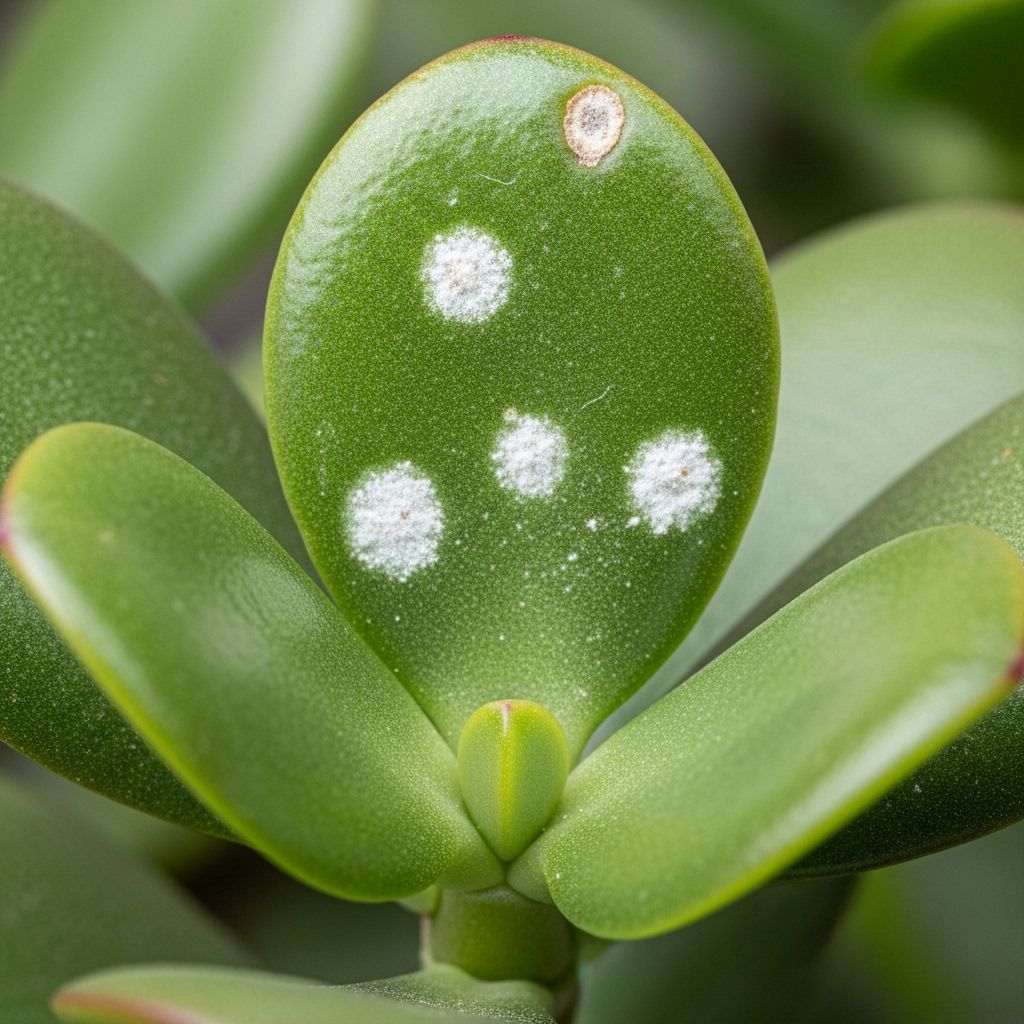
White Spots On Jade Plant: What They Mean For Your Succulent
The jade plant (Crassula ovata) is a beloved succulent known for its thick, glossy leaves and easy care, often thriving for years with minimal attention. However, many growers notice mysterious white spots or patches appearing on their jade plant leaves. While sometimes benign, in other cases, these spots signal larger issues requiring attention. This article explores the various causes—both harmless and problematic—of white spots on jade plants, provides guidance on diagnosis, and offers practical solutions for restoring your plant to robust health.
Common Causes of White Spots on Jade Plants
White spots on jade plant leaves can arise from several factors. The key to successful treatment is accurately identifying the underlying cause. The most frequent culprits include:
- Mineral deposits or salt buildup from water or soil
- Pest infestations such as mealybugs or spider mites
- Fungal diseases like powdery mildew
- Environmental factors such as humidity and watering habits
1. Mineral Deposits and Salt Buildup
One benign cause, often mistaken for disease, is mineral residue left behind by hard water or fertilizer. As jade plant leaves “exhale” water, they may also secrete excess minerals or salts. As these evaporate, white speckles or crusty patches form on the upper surfaces or edges of the leaves. This phenomenon is particularly common if you use tap water with a high mineral content or over-fertilize your plant.
- Appearance: Flat, generally white spots or crust, most often on leaf tops or edges.
- Cause: Watering with hard water, over-watering, or excessive fertilizer.
- Harm: Primarily cosmetic; does not threaten plant health.
To minimize these marks, use distilled, filtered, or rainwater for irrigation and avoid over-fertilizing. Regularly wiping leaves with a damp cloth can keep the plant looking vibrant.
2. Pests: Mealybugs, Scale, and Spider Mites
Mealybugs are the most common pest behind small, fuzzy white spots on jade leaves. These insects appear as tiny, cottony tufts clustered at leaf bases, stem joints, or undersides. Mealybugs suck sap from the leaves, weakening the plant and potentially spreading to other houseplants. Scale insects and spider mites can also cause white or pale specks on leaves, though their signs are less cottony and more like pinprick spots or tiny webs.
- Appearance: Fuzzy, moving dots (mealybugs); pin-sized pale dots or webbing (spider mites); shell-like bumps (scale).
- Harm: Can sap vigor, cause yellowing, leaf drop, or even spread to other plants if untreated.
Inspect suspect areas with a magnifying glass. Pests are often seen moving or can be scraped off with a fingernail or cotton swab. Catching an infestation early makes it much easier to manage.
3. Fungal Diseases: Powdery Mildew
Powdery mildew is a fungal disease that produces dusty, white patches on jade plant leaves, typically in humid, poorly ventilated, or cool environments. It starts as tiny white circles and can expand into fluffy, web-like growth over time. Overwatering, overcrowding, and lack of airflow make fungal problems more likely, particularly during the cooler winter months.
- Appearance: Dusty or powdery white growth that can be wiped off; appears first on lower surfaces and spreads upward.
- Damage: Can cause browning, leaf drop, and soft stems if severe.
Prompt action can prevent serious damage and stop spread to other succulents.
4. Environmental Factors
Excess humidity, poor ventilation, or overwatering can indirectly lead to white spots by encouraging fungal or pest problems, or by increasing guttation and mineral deposits. Jade plants prefer a well-aerated environment, bright sunlight, and well-draining soil to avoid these issues.
Diagnosing White Spots: Appearance and Symptoms
The first step in resolving white spotting is careful observation. Assess these aspects:
- Location of spots: Top, edge, or underside of leaves? Only on new or old leaves?
- Texture: Is the spot powdery, crusty, fluffy, sticky, or can it move?
- Plant health: Are leaves wilting, dropping, or soft? Any foul smells or soft stems?
Use the following table for a quick differential diagnosis of white spots:
| Spot Appearance | Likely Cause | Test/Identification | Threat Level |
|---|---|---|---|
| Flat, crusty, dry spots on leaf tops/edges | Mineral/Salt buildup | Wipe off; improve water quality | Low |
| Fuzzy, cotton-like tufts (often move) | Mealybugs/pests | Magnify; physical removal | Moderate/High |
| Dusty, powdery covering (wipes off) | Powdery mildew (fungus) | Wipe/test; need anti-fungal | Moderate |
| Small pale dots, webbing on underside | Spider mites/scale | Check with hand lens | Moderate |
| Wet sap or sticky residue | Guttation/excess watering | Reduce watering; increase sunlight | Low/Moderate |
How to Get Rid of White Spots on Jade Plants
The treatment for white spots depends entirely on the cause. Below are the most effective solutions for each type of white spot, organized by source:
Removing Mineral Deposits
- Wipe leaves: Use a soft, damp cloth or cotton swab to gently remove residue.
- Water quality: Switch to filtered, distilled, or rainwater for irrigation.
- Reduce fertilizer: Feed less frequently or switch to slow-release types; avoid over-fertilizing.
- Flush soil: Water heavily once to wash away excess salts (ensure excellent drainage).
Treating Pests (Mealybugs, Scale, Spider Mites)
- manual removal: Dip a cotton swab in rubbing alcohol and wipe pests off all affected surfaces.
- Sprays: Use insecticidal soap or neem oil spray, coating all leaf and stem surfaces.
- Isolate plant: Keep the affected jade away from other houseplants to prevent spread.
- Repeat as needed: Reapply treatments weekly until no signs remain.
- Prevention: Inspect regularly and address issues promptly.
Managing Fungal Diseases (Powdery Mildew)
- Remove affected leaves: Prune away and safely discard leaves with heavy mildew.
- Improve air flow: Relocate the plant to a breezy, well-lit area.
- Reduce humidity: Avoid misting or excessive watering; water only when topsoil is dry.
- Anti-fungal treatment: Use a homemade spray (1 tablespoon baking soda, 1/2 teaspoon liquid soap, 1 gallon water) or a commercial fungicide.
Root Rot, Guttation, and Overwatering Issues
- Check the roots: If white spots are accompanied by soft stems or leaf drop, unpot and inspect roots for rot or odor.
- Repot in fresh soil: Trim any rotten roots and repot in a clean, well-draining succulent mix.
- Adjust watering: Water only when the soil feels dry at least 1 inch below the surface.
- Use breathable pots: Terra cotta or unglazed ceramic pots allow excess moisture to evaporate.
Prevention: Keeping Jade Plants Spot-Free
Prevention is easier than cure. Keep your jade plant healthy and less prone to white spots by following these best practices:
- Sunlight: Provide at least 6 hours of bright, indirect sunlight daily.
- Watering: Only water when the top inch of soil is dry; err on the side of underwatering for succulents.
- Soil: Use a well-draining succulent or cactus mix to prevent soggy roots.
- Air Circulation: Place the plant in a location with good ventilation to deter fungal growth.
- Cleanliness: Wipe leaves occasionally to remove dust, debris, and potential pests.
- Monitor regularly: Examine your jade plant frequently for early signs of trouble.
- Use pure water: Opt for rainwater, filtered, or distilled water to avoid mineral and salt problems.
- Fertilize with care: Feed sparingly and never during dormancy (generally winter).
Jade Plant Care Tips for Healthy Foliage
Proper jade plant care can prevent most instances of white spots and keep your plant flourishing year after year:
- Keep plant in a warm spot (65°F to 75°F is ideal).
- Avoid letting the plant sit in water; always empty saucers after watering.
- Repot every 2–3 years in fresh soil to reduce salt buildup and check for root health.
- Dust leaves gently every few months to boost photosynthesis and discourage pests.
- Rotate the plant so all sides receive sunlight and prevent legginess.
FAQs About White Spots on Jade Plant Leaves
Are white spots always a sign of disease or pests?
No, many white spots are simply harmless mineral deposits (salt residue) from tap water or over-fertilizing. These can be wiped away and are more of a cosmetic issue.
How do I tell if the white spots are caused by mealybugs?
Mealybug infestations appear as fuzzy, cotton-like tufts on leaf joints or undersides. The spots will move if disturbed and may feel sticky from their secretions. Manual removal and treatment with rubbing alcohol is recommended.
Is powdery mildew dangerous for my jade plant?
Powdery mildew generally doesn’t kill plants quickly but can stress them and lead to leaf drop or rot if left untreated. Prompt removal and treatment are necessary to nip the problem in the bud.
What’s the best way to prevent white spots altogether?
Use distilled water, avoid overwatering and over-fertilizing, provide bright sunlight, and keep the foliage clean and the area well-ventilated.
Should I panic if I see white crystals on the leaves?
No. Most white crystalline deposits are not harmful. Simply wipe them off, try watering with purer water, and watch for any other symptoms. If new spots appear regularly, check your plant’s watering and feeding habits.
References
- White spot causes and treatments: Gardening Know How, Bloomscape, The Next Gardener
- Mineral and salt residue info: Houseplant House, Epic Gardening, Extension services
- Pest management: University Extension and Gardening Know How
- Fungal troubles: Bloomscape, The Next Gardener
Final Thoughts
White spots on jade plant leaves are common and usually easy to fix. Whether the issue is harmless mineral residue, an opportunistic pest, or a more chronic fungal disease, attentive growers armed with proper knowledge can restore and maintain the lush, green beauty of their jade plants for years to come.
Similar Articles




Read full bio of medha deb