Why Are My Asparagus Spears Thin? Causes, Solutions & Growing Tips
An in-depth look at thin asparagus spears, their causes, prevention, and optimal growing strategies for robust harvests.
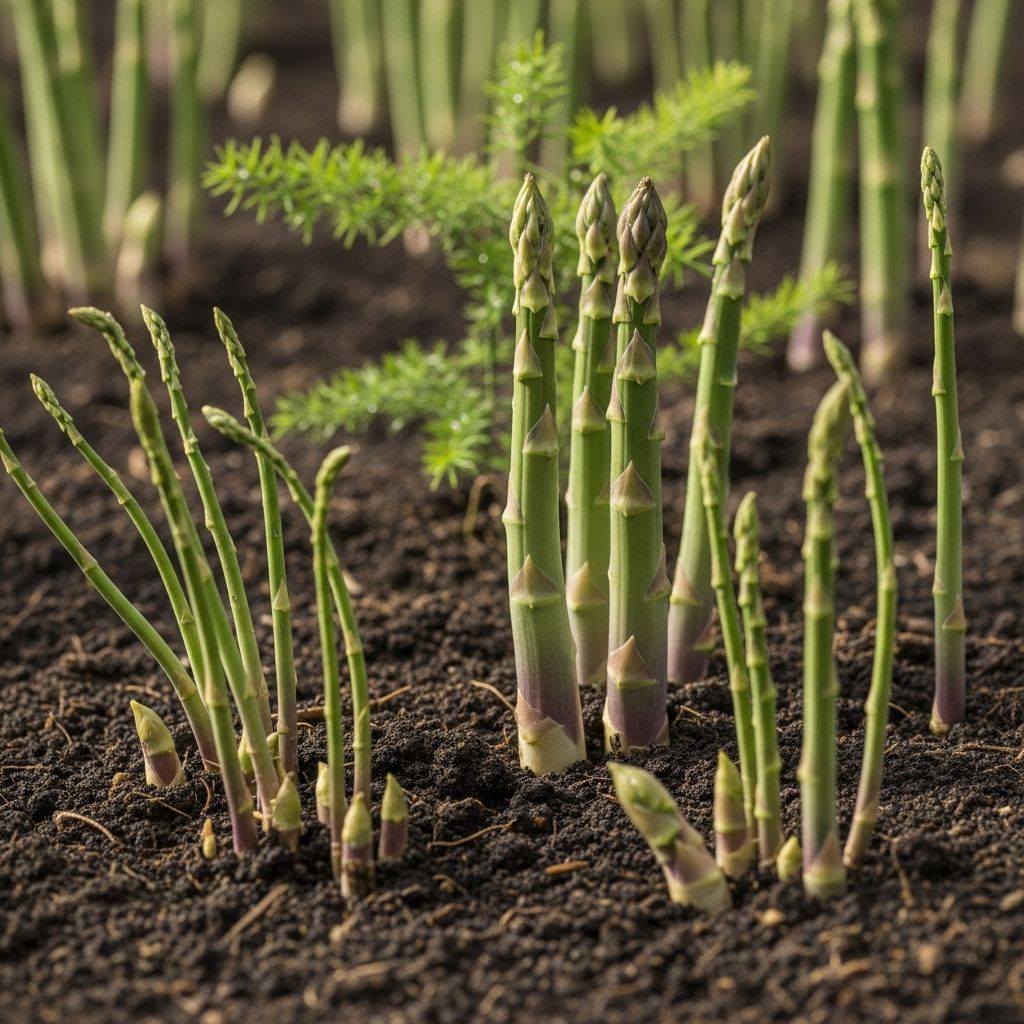
Why Are My Asparagus Spears So Thin?
Asparagus is a perennial vegetable beloved for its tender, flavorful shoots – commonly called spears. However, many gardeners find themselves frustrated when their asparagus patch produces thin, wiry spears rather than the thick, juicy stalks seen at the market. Understanding the reasons for thin asparagus spears is key to improving your harvest and ensuring years of productive growth.
Common Causes of Thin Asparagus Spears
To diagnose and address thin asparagus, it’s essential to consider the underlying factors. Several variables frequently contribute to this problem, with most relating to plant maturity, soil conditions, and cultural practices:
- Age of the asparagus bed: Young plants produce thinner spears until fully established.
- Overharvesting: Removing too many spears too soon can weaken plants and reduce spear thickness.
- Poor soil nutrition: Asparagus is a heavy feeder and requires nutrient-rich soil.
- Poor watering practices: Inconsistent moisture stresses plants, which reduces spear girth.
- Overcrowding: Crowded crowns compete for space and nutrients, leading to thinner spears.
- Pest and disease pressure: Insect or disease problems can sap plant vigor.
- Improper planting and bed preparation: Shallow planting or insufficient trenching impedes robust growth.
1. Age: The Key to Asparagus Maturity
Patience is vital when growing asparagus. While young crowns may send up edible spears during their first or second year, these are typically spindly. Mature, thick spears usually don’t appear until the plants are 3 to 4 years old. Early and heavy harvesting before this point deprives roots of the energy needed for future seasons, further limiting spear size.
Tip: For optimal spear thickness and plant health, wait until the third year after planting to harvest, and even then, limit picking to a few weeks.
2. The Dangers of Overharvesting
Overharvesting is a frequent mistake among eager gardeners. Asparagus spears store energy for the plant, fueling growth of roots and future spears. If too many spears are harvested for too long – especially in the plant’s early years – crowns become depleted and produce only fine, small spears.
- First two years: Do not harvest at all, or only pick a small handful for taste.
- Third year: Harvest for no more than two to three weeks.
- Fourth year and beyond: Full harvest (typically 6–8 weeks) is safe.
3. Soil Fertility and Nutrient Management
Asparagus is notable for being a heavy feeder. Depleted or poor-quality soil simply cannot provide the resources necessary for thick, vigorous spears. Soil that lacks organic matter, nitrogen, phosphorus, and potassium often results in thin, weak growth.
- Topdress beds annually with well-rotted compost or manure.
- Apply a balanced fertilizer (such as 10-10-10) in early spring and after harvest.
- Soil pH should be slightly acidic to neutral (6.5–7.0) for best results.
4. Poor or Inconsistent Watering
Asparagus requires consistent, deep watering, especially during the establishment and harvest periods. Drought stress or erratic moisture causes stress, inhibiting spear thickening and reducing root reserves. Irrigate regularly and mulch beds to retain soil moisture while keeping roots cool and healthy.
5. Overcrowding and Bed Maintenance
Planting crowns too closely together leads to increased competition for water and nutrients, producing thin spears. Maintain proper planting distances in the asparagus bed:
- Space crowns at least 12–18 inches apart.
- Thin out any naturalized seedlings that may crowd the row as years pass.
6. Pests, Disease, and Soil Problems
A variety of pests (like asparagus beetles) and diseases (such as fusarium or rust) can weaken crowns, hampering spear production and size. Healthy soil, sanitation, and crop rotation are essential for disease resistance and vigorous growth.
- Remove and destroy diseased ferns after they yellow in autumn.
- Apply mulch to reduce weed pressure and soil-borne problems.
- Regularly monitor for pests, removing by hand or treating organically as needed.
7. Planting Depth and Bed Formation
Proper planting is vital for strong, thick asparagus spears. Plant crowns too shallow, and they may produce thin or malformed spears. Bed formation is equally important, as poorly prepared soil restricts root growth and spear development.
- Dig trenches 6–8 inches deep and form a small mound for the crowns to rest upon, spreading roots out evenly.
- Backfill gradually as plants grow to encourage strong, deep roots.
- Add mulch after ferns die back to protect crowns during winter.
Solutions and Prevention for Thin Asparagus Spears
Now that the common causes for thin asparagus are clear, gardeners should take these actions to ensure a future harvest of thick, succulent spears:
- Be patient: Allow young beds time to mature before heavy harvesting begins.
- Fertilize regularly: Replenish organic matter and nutrients each year.
- Water deeply: Keep soil consistently moist, especially during active growth and harvest.
- Plant with space: Ensure good spacing between crowns to reduce competition.
- Practice good sanitation: Remove ferns in late autumn only after fully yellowing, and mulch for winter protection.
- Rotate crops and monitor for pests: Healthy, resilient plants are less likely to produce weak spears.
| Problem | Solution |
|---|---|
| Young beds | Delay major harvesting until year 3 |
| Overharvested plants | Limit cutting to appropriate periods |
| Poor soil | Add compost/manure; fertilize annually |
| Drought/inconsistent watering | Water deeply and regularly; mulch |
| Crowded plantings | Space crowns 12–18 inches apart |
| Pests/disease | Monitor, remove debris, practice rotation |
| Shallow planting | Plant crowns 6–8 inches deep in trenches |
Techniques for Harvesting and Preparing Asparagus
Even with thin spears, asparagus remains delicious and versatile. Here are tips to harvest and prepare all types of asparagus spears, ensuring the best quality and flavor:
- Harvest spears when they reach 6–8 inches tall and the tips are tight.
- Use a sharp knife or asparagus knife to cut spears just below the soil surface.
- Trim off woody ends before cooking; thin spears often have minimal woody material to discard.
- For thin spears, use quick-cooking methods like blanching, sautéing, or roasting to preserve texture and nutrients.
Simple Recipe Idea: Flash-Blanched Thin Asparagus
Thin asparagus cooks very rapidly. An efficient method is flash-blanching:
- Place trimmed spears in a heatproof bowl.
- Pour boiling water over the asparagus to cover.
- Wait 2–3 minutes, then transfer immediately to an ice bath to stop the cooking.
- Drain and serve drizzled with olive oil, lemon juice, salt, and pepper.
This technique yields tender-crisp, vibrantly green spears ready for salads, appetizers, or light sides.
The Lifecycle of Asparagus: Annual Care Calendar
Understanding asparagus’ perennial growth is essential for annual care and spear quality. Here’s a typical seasonal timetable:
- Early spring: Remove winter mulch. Begin harvesting mature spears as they emerge.
- Late spring: Stop harvesting; allow ferns to grow and photosynthesize.
- Summer: Water and fertilize as needed. Weed beds promptly.
- Late summer to autumn: Allow foliage to turn yellow and wither naturally.
- Late autumn: Cut down dead ferns. Apply mulch for winter protection.
How Planting and Maintenance Decisions Affect Spears
From the outset, your initial decisions have a profound impact on future asparagus spear size:
- Plant robust, disease-free one-year-old crowns from reputable sources.
- Prepare deep, rich beds before planting; trench planting is ideal for anchoring roots.
- Mulch regularly and water deeply to support a robust root system.
Frequently Asked Questions (FAQs) About Thin Asparagus Spears
Q: Should I worry if my newly planted asparagus crowns only produce thin spears the first year?
A: No, this is completely normal. Young crowns initially generate thin shoots as the plant focuses on building a deep, sustainable root system. Reserve heavy harvesting until the third year for best results.
Q: Can soil type influence the thickness of asparagus spears?
A: Yes. Asparagus grows best in fertile, well-drained soils enriched with organic matter. Heavy clay or poor, sandy soils often lead to weak growth unless amended appropriately.
Q: Is it possible to thicken up thin asparagus spears in an older bed?
A: Sometimes. Improving soil fertility, spacing, and reducing weed competition can help. If overcrowding is severe, dig and replant crowns more widely in early spring or late fall.
Q: When is the best time to mulch an asparagus bed?
A: Mulch in late fall after cutting down dead ferns. This protects crowns over winter and helps prevent weed growth next spring.
Q: Can I eat thin asparagus spears?
A: Absolutely. Thin spears are highly tender and can be used in salads, stir fries, or blanched for quick sides. Some chefs even prefer them for their texture and visual appeal.
Key Takeaways for Robust Asparagus Beds
- Patience pays off – wait for beds to mature before harvesting heavily.
- Feed and water generously – asparagus is a demanding crop.
- Prevent overcrowding and maintain healthy plant spacing.
- Invest in routine, end-of-season maintenance for crown health.
- Thin spears are edible and delicious, but with proper care, thicker spears are attainable in future years.
By following these expert guidelines, home gardeners can transform their patch from a source of frustration to a bed of thriving, flavorful, and healthy asparagus spears – thick or thin!
Similar Articles





Read full bio of Sneha Tete