How to Care for Zebra Plant (Aphelandra): A Complete Guide
Unlock the secrets to growing vibrant Zebra Plants with easy, step-by-step care tips for thriving indoor Aphelandra.
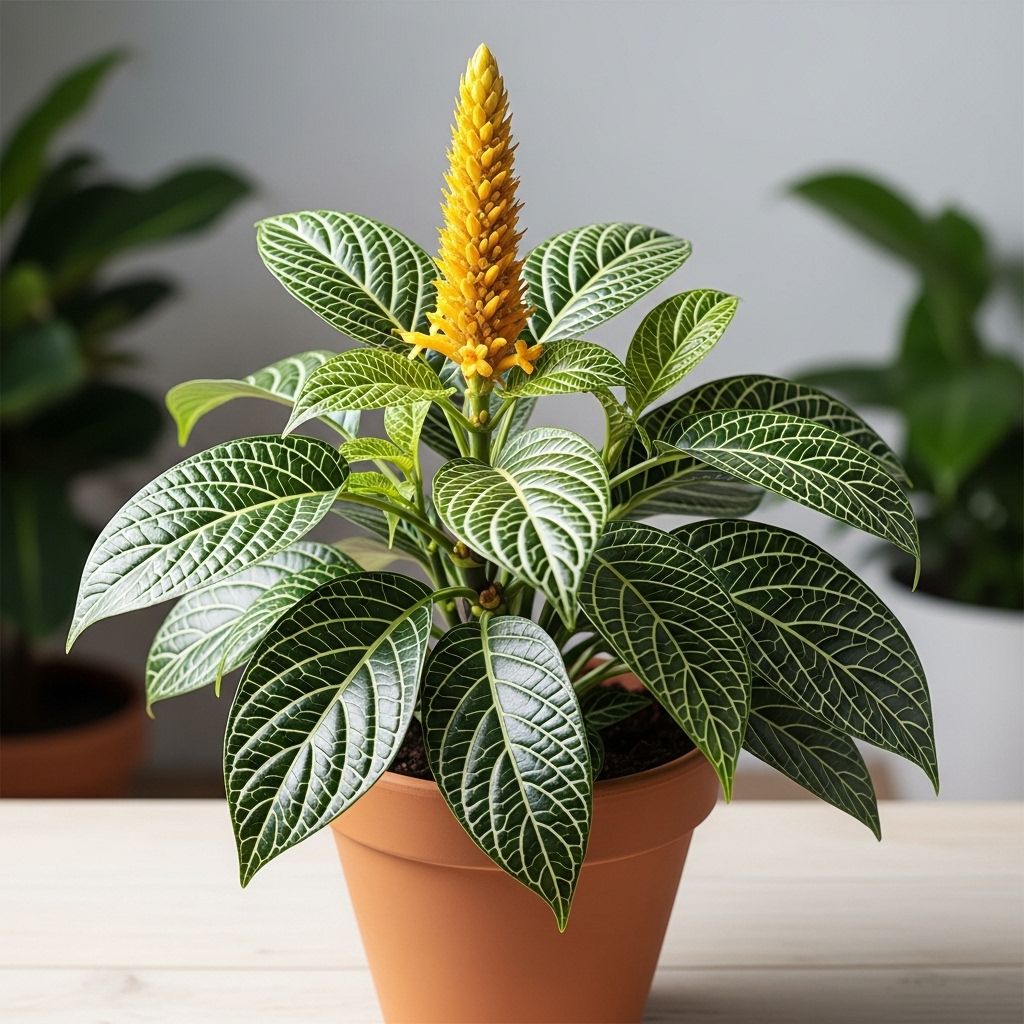
Zebra Plant (Aphelandra): Care, Growing, and Maintenance Guide
The Zebra Plant (Aphelandra squarrosa) stands out in any indoor garden with its glossy dark green leaves marked by striking white veining, reminiscent of zebra stripes. Native to the tropical forests of Brazil, this popular houseplant is favored for both its decorative foliage and its showy, golden-yellow bracts that appear when conditions are right. While Aphelandra can sometimes be considered temperamental, mastering its care will reward you with lush growth and possibly even dramatic blooms.
Table of Contents
- About the Zebra Plant
- Light Requirements
- Watering Needs
- Soil and Potting
- Humidity and Temperature
- Fertilizing Zebra Plant
- Pruning and Repotting
- Common Problems and Solutions
- Propagation
- Frequently Asked Questions (FAQs)
About the Zebra Plant
Aphelandra squarrosa, commonly known as the Zebra Plant, is part of the Acanthaceae family. It is prized for:
- Distinctive foliage: Dark green, ovate leaves with eye-catching, white to silver veining.
- Showy bracts: In ideal indoor conditions, mature plants may produce tall, upright golden-yellow bracts (actually modified leaves) that can last for several weeks.
- Exotic origin: Native to Brazil’s humid, shaded forest understory, it is adapted to warm, diffused light and high moisture.
Light Requirements
Zebra Plants thrive in bright, indirect light. Too much direct sun can scorch the leaves, while too little will prevent blooms and stunt growth.
- Ideal placement: Near an east- or north-facing window, or behind sheer curtains on a south- or west-facing window.
- Avoid: Harsh midday sun and extremely low-light corners, as both can harm plant health.
- Leaf response: Leggy, leaning growth and dull leaves suggest not enough light; crisping or browning leaf edges suggest too much direct sun.
Tip: Rotate the plant every week to ensure all sides receive equal light, which encourages even, compact growth.
Watering Needs
Achieving the right moisture balance is critical:
- Keep soil consistently moist, but never soggy. Let the top 2-3 cm (about 1 inch) of soil dry before rewatering.
- Use your finger or a moisture meter to check the soil’s upper layer.
- Thorough watering: Water until excess drains from the bottom of the pot, then empty saucers to prevent root rot.
- Reduce watering frequency in winter when growth slows and light is lower.
- Water temperature: Use lukewarm water to mimic tropical rain and avoid cold shock to roots.
Warning: Overwatering causes leaf yellowing, wilting, and root rot, while underwatering leads to leaf curling and browning tips. Adjust habits if you observe these symptoms.
Soil and Potting
The right growing medium is essential for healthy roots:
- Well-draining mix: Use a high-quality, peat-based potting mix amended with perlite, coarse sand, or orchid bark. This prevents compaction and excess moisture retention.
- pH range: Slightly acidic to neutral (pH 6-7) is ideal.
- Pots: Choose containers with ample drainage holes to avoid water logging at the root zone.
Repotting is recommended every 1-2 years in spring to refresh the potting mix and inspect roots.
Humidity and Temperature
Zebra Plants are adapted to tropical climates and demand:
- High humidity: 60-70% relative humidity. Average indoor air is often too dry, especially in winter or near heating vents.
- Use a room humidifier, group plants together, or set pots atop pebble trays filled with water (without letting roots sit in water).
- Regular misting is debated. Some sources warn that misting the leaves promotes fungal diseases, so maintain humidity via safer methods.
- Ideal temperature: 65-75°F (18-24°C).
- Avoid cold drafts, temperature drops below 60°F (15°C), and keep away from direct air conditioning or heating sources.
Fertilizing Zebra Plant
Proper feeding can make the difference between lush growth and poor performance:
- Growing season: (spring and summer) — feed every 2-4 weeks with a balanced, water-soluble houseplant fertilizer (such as 20-20-20 or a bloom booster for encouraging flowers).
- Reduce feeding in autumn and avoid during winter dormancy.
- Do not overfertilize, as this can burn roots and cause leaf margin browning.
Pruning and Repotting
- Remove spent flower bracts and yellowing leaves with clean, sharp scissors to keep the plant tidy and disease-free.
- Light pruning can help maintain a compact, bushy shape after flowering.
- Annually or every two years, repot in spring, sizing up only 1-2 inches in diameter to avoid water retention issues.
- During repotting, gently loosen the root ball and refresh the soil for renewed vigor.
- When handling, wear gloves if you have sensitive skin, as sap may irritate some individuals.
Common Problems and Solutions
The most frequent challenges and how to address them:
| Problem | Cause | Solution |
|---|---|---|
| Yellowing Leaves | Overwatering, poor drainage | Allow top soil to dry, improve drainage, check roots for rot |
| Browning Tips | Low humidity or excess fertilizer | Increase humidity, flush soil if excess salts, reduce fertilizer |
| Leaf Drop | Sudden temperature change, drafts, under/overwatering | Keep temperature steady, adjust watering |
| No Flowers | Insufficient light or nutrients | Increase light (indirect), feed during growing season |
| Pest Infestation | Spider mites, aphids, mealybugs | Wipe with insecticidal soap or neem oil, isolate plant |
| Wilting | Root rot or underwatering | Check moisture and drainage, adjust as needed |
Propagation
You can propagate Zebra Plants by stem cuttings. Follow these steps for best success:
- Take 4- to 6-inch stem cuttings just below a leaf node during spring.
- Remove lower leaves and dip the cut end in rooting hormone.
- Place cuttings in a well-draining, moist propagation mix such as peat and perlite.
- Cover with a plastic dome or bag to retain humidity, but ventilate daily to prevent mold.
- Keep in bright, indirect light and warm temperatures (around 70°F/21°C). Roots should form in 4–6 weeks.
- Transplant new plants to individual pots once a healthy root system is established.
Frequently Asked Questions (FAQs)
Q: Why are my Zebra Plant’s leaves turning yellow?
A: Yellowing leaves usually indicate overwatering or waterlogged soil. Check drainage right away, allow the top inch of soil to dry, and reduce watering frequency.
Q: How often should I water my Aphelandra?
A: Water when the top inch of soil feels dry, usually once or twice a week depending on humidity and temperature. Always reduce watering in winter.
Q: Will Zebra Plant bloom indoors?
A: With bright, indirect light, humidity above 60%, and regular feeding, mature Zebra Plants may bloom indoors with tall golden-yellow bracts in late summer or early autumn. Low light or dry air can delay or prevent flowering.
Q: Can I mist my Zebra Plant to raise humidity?
A: While many sources suggest misting, others warn it can cause fungal leaf issues. Use a room humidifier or pebble tray for safer, stable humidity.
Q: What pests should I look out for?
A: Watch for aphids, spider mites, mealybugs, and whiteflies. Remove pests promptly with insecticidal soap or neem oil. Isolate infested plants to prevent spread.
Q: Do Zebra Plants need to be repotted often?
A: These are slow growers and only need repotting every year or two. Repot in spring with fresh potting mix, sizing up the container slightly if roots are crowded.
Quick Tips for Thriving Zebra Plants
- Provide bright, indirect light, avoiding harsh direct sun.
- Keep soil consistently moist but never soggy.
- Maintain high humidity with a humidifier, pebble tray, or plant groupings.
- Feed with a balanced fertilizer every 2–4 weeks in spring and summer.
- Prune spent flowers and yellowing leaves for neat growth.
- Monitor for pests and treat quickly if found.
- Repot every 1–2 years with a well-draining potting mix.
- Propagate new plants easily by stem cuttings in spring.
Summary Table: Zebra Plant Care Essentials
| Factor | Recommendation |
|---|---|
| Light | Bright, indirect |
| Soil | Peat-based, well-draining; perlite or sand added |
| Watering | Keep moist, allow top inch to dry |
| Humidity | 60–70% |
| Temperature | 65–75°F (18–24°C) |
| Fertilizer | Every 2–4 weeks in spring/summer |
| Pests | Aphids, spider mites, mealybugs |
| Repotting | Every 1–2 years, spring |
| Propagation | Stem cuttings in spring |
With attention to humidity, light, and consistent watering, the Zebra Plant makes a dramatic yet manageable addition to any home. These expert care strategies will keep your Aphelandra thriving and beautiful all year long.
Similar Articles




Read full bio of Sneha Tete