Bladder Cancer: Diagnosis and Treatment
Understanding Bladder Cancer: From Diagnosis to Advanced Treatment Options
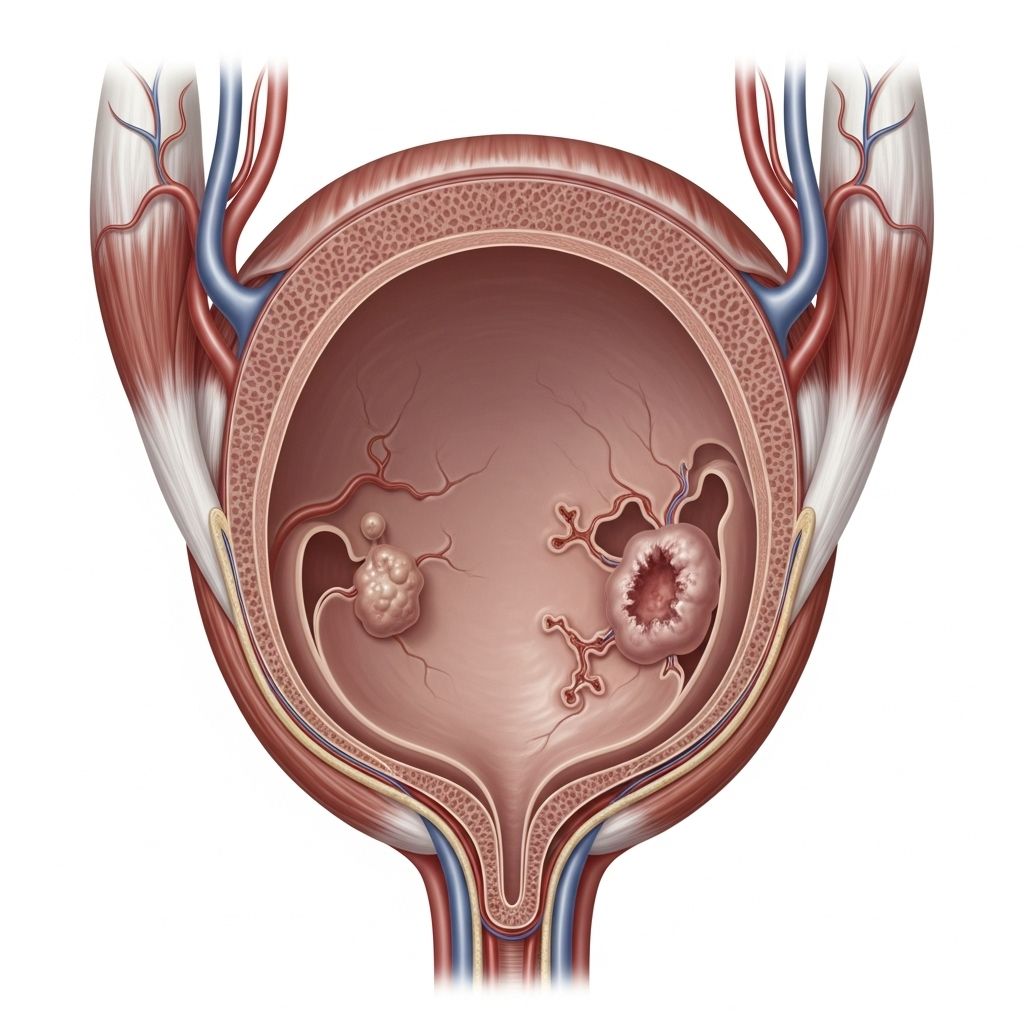
Introduction to Bladder Cancer
Bladder cancer is a common type of cancer that affects the bladder, which is the organ responsible for storing urine before it is expelled from the body. It typically begins in the lining of the bladder and can be invasive or non-invasive, depending on whether it has spread into the bladder wall or beyond.
Diagnosis of Bladder Cancer
Diagnosing bladder cancer involves a series of tests and procedures aimed at confirming the presence of cancer cells in the bladder. These tests include:
- Cystoscopy: A procedure where a doctor uses a tiny camera to visually examine the inside of the bladder for abnormalities.
- Urine Cytology: A test that involves examining urine under a microscope to check for cancer cells.
- Imaging Tests: Such as CT urogram or retrograde pyelogram, which use a dye to highlight cancer cells in the bladder.
- Biopsy: If suspicious cells are found, a biopsy might be performed to confirm the presence of cancer.
Treatment Options for Bladder Cancer
Treatment for bladder cancer depends on several factors, including the type of cancer, its grade, and stage, as well as the patient’s overall health and preferences. Common treatment options include:
- Surgery: The removal of cancerous tissue from the bladder. Advanced techniques like robotic surgery and neobladder reconstruction are used in some cases.
- Chemotherapy: This can be administered directly into the bladder (intravesical chemotherapy) or systemically to target cancer throughout the body.
- Radiation Therapy: High-energy beams are used to destroy cancer cells.
- Immunotherapy: Treatments that help the body’s immune system fight cancer cells.
- Targeted Therapy: Drugs that target specific weaknesses in cancer cells.
Treatment Based on Cancer Stage
The stage of bladder cancer significantly influences the treatment approach:
- Non-Muscle-Invasive Bladder Cancer: Often treated with intravesical therapy or surgery to remove the tumor.
- Muscle-Invasive Bladder Cancer: May require more aggressive treatments like chemotherapy followed by surgery to remove the bladder.
- Advanced Bladder Cancer: May involve radiation therapy or systemic chemotherapy.
Frequently Asked Questions (FAQs)
Q: What are the symptoms of bladder cancer?
Symptoms include blood in the urine, frequent or painful urination, and back pain.
Q: How is bladder cancer diagnosed?
Diagnosis involves cystoscopy, urine cytology, imaging tests, and possibly a biopsy.
Q: What are the treatment options for bladder cancer?
Treatment options include surgery, chemotherapy, radiation therapy, immunotherapy, and targeted therapy.
Future Trends in Bladder Cancer Treatment
Advancements in bladder cancer treatment include innovative surgical techniques, such as robotic surgery, and ongoing research into new chemotherapy regimens and immunotherapies. These developments aim to improve patient outcomes and provide more personalized care.
Summary
In summary, bladder cancer requires a comprehensive approach to diagnosis and treatment. Understanding the different stages and treatment options available is crucial for making informed decisions about care.
Similar Articles




Read full bio of medha deb