Gallbladder Removal Diet: What to Eat and Avoid After Cholecystectomy
Expert dietary advice for optimal recovery and comfort after gallbladder removal surgery.
Gallbladder Removal (Cholecystectomy): Why Diet Matters
After gallbladder removal surgery, your digestive system must adapt to function without this organ, which normally stores and releases bile to help digest fats. Most people recover well, but dietary adjustments can significantly improve comfort and reduce symptoms like diarrhea, bloating, and gas during recovery.
Immediately After Surgery: The Clear Liquid Phase
For the first day or two after surgery, stick to clear liquids to rest your digestive system:
- Clear broths (chicken, beef, vegetable)
- Plain gelatin (avoid sugary and artificial types)
- Water
Note: Avoid coffee, soda, juice, and alcohol, which can irritate your digestive tract during initial healing.
Transitioning Back to Solid Foods
After tolerating clear liquids, gradually reintroduce solid foods:
- Start with bland, low-fiber, and easily digestible foods such as plain toast, applesauce, oatmeal, and bananas.
- Eat smaller, more frequent meals (4–6 per day) to avoid overloading your digestive system.
- If you are sensitive to lactose, choose lactose-free or low-fat dairy options.
Foods to Eat After Gallbladder Removal
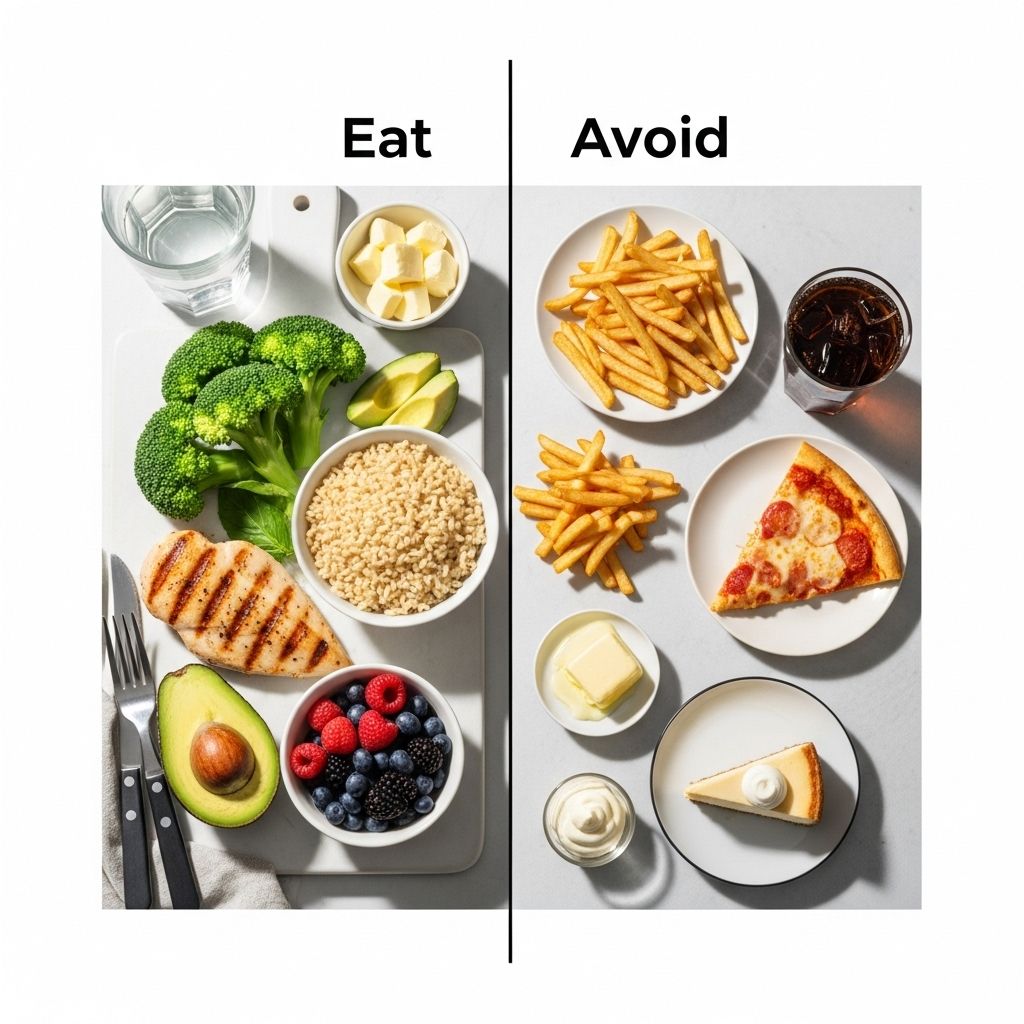
The focus should be on low-fat, easily digested foods that do not stress your digestive system:
- Lean meats: Skinless poultry, fish, and lean cuts of beef or pork
- Low-fat dairy: Skim or 1% milk, fat-free cheeses, yogurt
- Egg whites or egg substitutes
- Fiber-rich foods: Fruits, vegetables (if tolerated), whole grains, and legumes—but reintroduce fiber slowly to prevent digestive upset
- Complex carbohydrates: Brown rice, whole grain bread, oatmeal
Foods to Avoid After Gallbladder Removal
Certain foods can cause discomfort, diarrhea, and gas, especially in the weeks following surgery:
- High-fat foods: Butter, lard, bacon, fatty meats, fried foods, full-fat dairy products, cream sauces, gravy, oils, processed baked goods
- Spicy foods: Peppers, hot sauces that can irritate your stomach
- Foods that cause gas: Beans, broccoli, cabbage, onions
- Caffeine, alcohol, and sugar-rich foods that may worsen diarrhea
Even healthy fats like olive and coconut oil should be used sparingly immediately after surgery.
How to Eat for Long-Term Digestive Comfort
- Fat Intake: Keep dietary fat below 30% of your total calories—ideally, 60 grams per day for a 1,800-calorie diet.
- Meal Size and Frequency: Eat smaller meals more often to avoid overwhelming your digestive system.
- Hydration: Drink plenty of water to stay hydrated, especially if you experience diarrhea, which can dehydrate you.
- Fiber Intake: Gradually increase fiber to aid digestion, starting with soluble fibers like oats and barley.
- Supplementation: Consider a low-dose fiber supplement if you struggle to reach the recommended daily intake (25–35 grams).
When Can You Return to a Normal Diet?
Most people can gradually return to a more typical diet within a month after surgery, but some may need to avoid certain foods longer if symptoms persist. Always listen to your body and consult your healthcare provider if you experience ongoing digestive issues.
Common Complications and How Diet Can Help
Some people experience chronic diarrhea or digestive discomfort after gallbladder removal. Dietary adjustments are often sufficient, but persistent symptoms may require consultation with a gastroenterologist.
Sample One-Day Meal Plan
| Breakfast | Lunch | Dinner | Snacks |
|---|---|---|---|
| Oatmeal with banana slices Skim milk | Grilled chicken breast Steamed carrots Brown rice | Baked white fish Steamed green beans Quinoa | Low-fat yogurt Apple slices |
Frequently Asked Questions (FAQs)
Q: How soon after gallbladder surgery can I eat normally?
A: Most people can start reintroducing solid foods within a few days, but a return to a regular, more liberal diet usually takes a few weeks. If you experience symptoms like diarrhea, gas, or bloating, slow down and consult your healthcare provider.
Q: Will I always have to limit fat after gallbladder removal?
A: Many people can eventually tolerate more fat, but some do better with a long-term lower-fat diet. It varies by individual; monitor your symptoms and adjust accordingly.
Q: What should I do if I have chronic diarrhea after surgery?
A: Adjust your diet, stay hydrated, and see your doctor if symptoms persist. Limit foods that worsen diarrhea, such as fatty foods, caffeine, and dairy.
Q: Is it safe to drink alcohol after gallbladder surgery?
A: Avoid alcohol for at least the first 2–3 days after surgery, especially if still on pain medications or anesthesia. After that, moderation is usually acceptable for most people, but be mindful of your individual tolerance.
Q: Can I take my regular medications after gallbladder surgery?
A: Most medications are safe to resume, but always consult your healthcare provider, as some prescriptions may need temporary adjustment.
Conclusion
Adjusting your diet after gallbladder removal is important for comfort and healing. Focus on low-fat, easily digestible foods, eat smaller meals more often, and reintroduce higher-fiber and fatty foods gradually. Most people recover fully within weeks, but ongoing symptoms should be discussed with your healthcare provider. Always consult a registered dietitian or physician for personalized advice tailored to your recovery and health status.
Similar Articles



Read full bio of Sneha Tete