Glucose Tolerance Test: Purpose, Process, and Interpretations
A comprehensive overview of the glucose tolerance test, its role in diagnosing diabetes and gestational diabetes, preparation steps, test procedures, results interpretation, and common questions addressed for patients and caregivers.
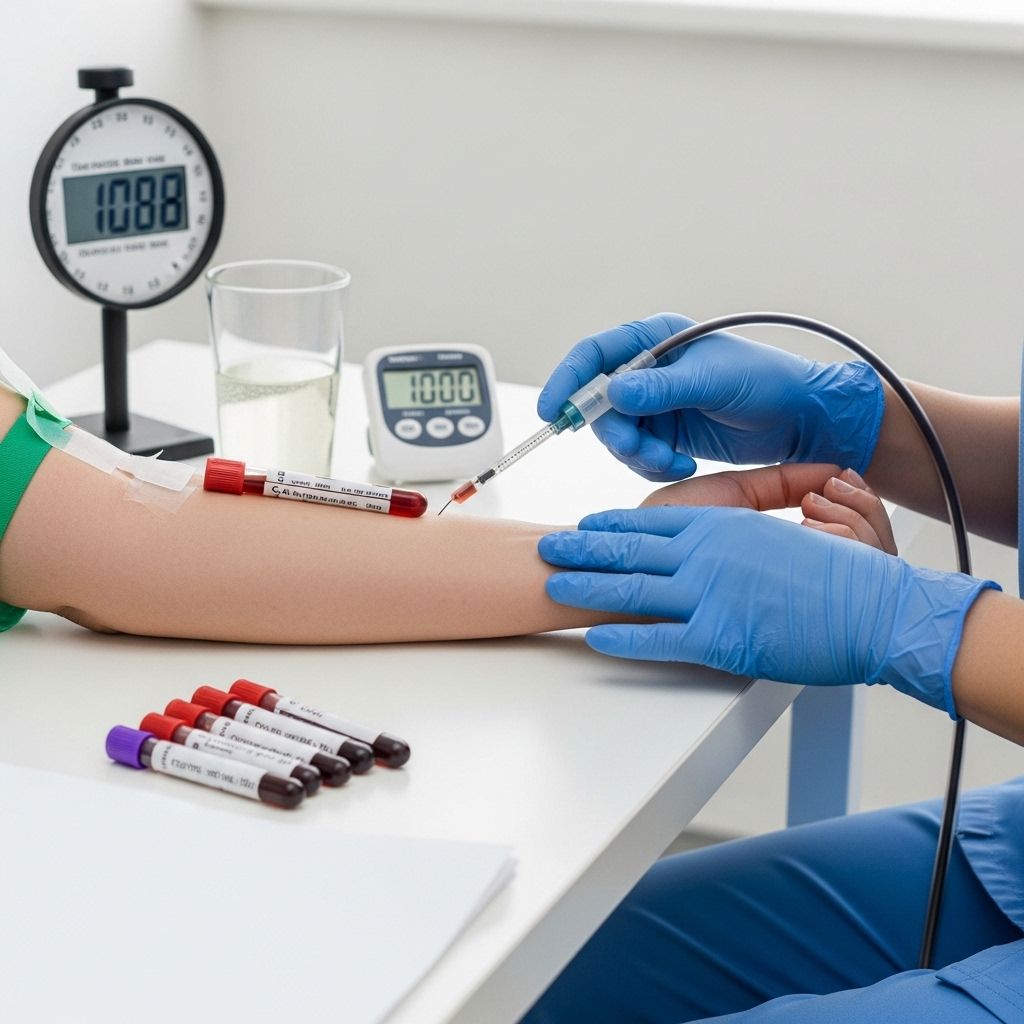
The glucose tolerance test is a vital diagnostic tool for determining how your body processes glucose, the key form of sugar in the blood. This test is particularly important in diagnosing diabetes and gestational diabetes, as well as identifying prediabetes and other carbohydrate metabolism disorders. Understanding the methodology, indications, and meanings of this test is essential for anyone undergoing screening for diabetes or experiencing symptoms of abnormal blood sugar levels.
Overview
The glucose tolerance test measures your body’s efficiency in metabolizing glucose. It is administered to:
- Diagnose types of diabetes mellitus (type 1, type 2, gestational diabetes)
- Monitor disorders of carbohydrate metabolism
- Screen at-risk individuals, especially during pregnancy
The test typically involves fasting overnight, then ingesting a specified amount of glucose—after which blood sugar levels are measured at designated intervals to observe how effectively the body can process the input sugar load.
Why It’s Done
A glucose tolerance test is prescribed by healthcare providers for several key reasons:
- Diagnosing diabetes: To determine if someone has diabetes, especially if fasting blood sugar results are borderline or if there are symptoms of diabetes.
- Diagnosing gestational diabetes: Often administered during pregnancy to identify diabetes that develops during pregnancy (gestational diabetes).
- Assessing prediabetes status: To identify impaired glucose tolerance, a major risk factor for developing overt diabetes.
- Evaluating unexplained symptoms: Such as excessive thirst, frequent urination, fatigue, or blurred vision.
Who Should Get a Glucose Tolerance Test?
The test may be recommended if you:
- Have risk factors for diabetes—obesity, family history, sedentary lifestyle
- Are pregnant (usually between 24–28 weeks gestation for gestational diabetes screening)
- Previously gave birth to a baby weighing over 9 pounds (4.1 kg)
- Belong to certain ethnic groups (such as Black, Hispanic, American Indian, or Asian American), which carry a higher risk
- Have conditions such as polycystic ovary syndrome or metabolic syndrome
- Experience symptoms suggestive of hyperglycemia
Risks of Untreated Diabetes or Gestational Diabetes
- For the mother: Preeclampsia, C-section delivery, increased future risk of type 2 diabetes
- For the baby: Excessive birth weight, birth injuries, neonatal hypoglycemia, and increased long-term diabetes risk
Types of Glucose Tolerance Tests
- Oral Glucose Tolerance Test (OGTT): The most common method, involving a glucose drink followed by timed blood tests.
- One-Hour Glucose Challenge Test: Used in gestational diabetes screening, typically not requiring fasting.
- Other variations: Intravenous glucose tolerance tests or tests for specific populations (such as children or neonates) are less common.
How to Prepare for the Test
- Standard OGTT: Requires fasting for at least 8 hours prior to the test. You are generally allowed to drink plain water but should avoid all other foods, drinks, and oral medications unless cleared by your provider.
- One-Hour Glucose Challenge Test (Gestational): No special preparation usually needed. You can eat and drink as usual beforehand.
Inform your healthcare provider about any medications, supplements, or illnesses, as these could impact your results. Sometimes, you may be instructed to alter your medication or meal schedule prior to the test.
On the Day of the Test:
- Bring your appointment details and any required paperwork.
- Dress comfortably for sitting and blood draws.
- Plan for the length of the test—some versions may last from one to three hours or longer.
What to Expect During the Test
The procedure varies slightly with the type of test but usually follows these steps:
- Initial blood sample: Your blood is drawn to measure baseline (fasting) sugar level.
- Glucose ingestion: You drink a sweet liquid containing a measured amount of glucose (commonly 50, 75, or 100 grams, depending on the protocol).
- Timed blood draws: Blood samples are taken at specific intervals (e.g., after 1 hour, 2 hours, and sometimes 3 hours) to evaluate how your body processes the sugar.
- Completion: After the final blood draw, you can typically return home and resume normal activities unless otherwise directed.
During the test, you should remain seated or rest quietly. You are generally not allowed to eat or drink anything besides water until the test is finished.
Typical Timeline for Glucose Tolerance Tests
| Test Type | Preparation | Procedure | Duration |
|---|---|---|---|
| Standard OGTT (75g or 100g) | 8-hour fast | Fasting blood draw, drink glucose, blood draws at intervals | 2–3 hours |
| 1-Hour Glucose Challenge (Gestational) | None | Drink glucose (50g), blood draw at 1 hour | 1 hour |
After the Test
- You can usually resume regular activities immediately after the procedure.
- Your provider will contact you with results and any recommendations.
- Side effects are uncommon, though some people may feel slight nausea from the sweet drink or experience minor bruising at the draw site.
Understanding Results
Glucose tolerance test results are measured by the concentration of glucose in the blood (mg/dL or mmol/L) at the specified time points. Interpretation depends on the specific test, population, and guideline in use, but general cut-offs apply as shown below:
| Test/Time | Normal | Impaired/Prediabetes | Diabetes |
|---|---|---|---|
| OGTT (2-hour) | < 140 mg/dL (7.8 mmol/L) | 140–199 mg/dL (7.8–11.0 mmol/L) | ≥ 200 mg/dL (11.1 mmol/L) |
| 1-hour gestational | < 140 mg/dL | 140–189 mg/dL | ≥ 190 mg/dL |
Note: Some clinics use a lower threshold (such as 130 mg/dL) for diagnosing gestational diabetes. Results may need confirmation with a repeat or longer test.
What Do Abnormal Results Mean?
- Normal: Indicates good glucose processing; no diabetes or prediabetes.
- Impaired/Prediabetes: Means reduced glucose tolerance; increased risk for developing type 2 diabetes; warrants lifestyle modification and regular monitoring.
- Diabetes: Suggests the body cannot efficiently process glucose; diagnosis usually confirmed with repeat testing.
Gestational Diabetes Interpretation
- 1-hour value below 140 mg/dL is considered reassuring.
- 1-hour value 140 mg/dL or higher often leads to a longer, three-hour OGTT to confirm diagnosis.
- Values of 190 mg/dL or above are usually considered diagnostic for gestational diabetes, prompting immediate intervention.
Long-Term Follow-Up
- Women diagnosed with gestational diabetes are advised to have a follow-up glucose tolerance test (usually a 2-hour OGTT) 4–12 weeks postpartum to check for persistent abnormal glucose metabolism or type 2 diabetes.
Risks and Safety Considerations
- Blood draw risks: Slight discomfort, bruising, rare risk of infection
- Faintness or nausea: From the sweet drink or fasting; generally resolves quickly
- Critical or dangerously low results: Immediate medical attention may be required for extremely high or low glucose values, especially in infants
Glucose test specimens should be processed quickly, as blood cells can metabolize glucose and cause falsely low results if not centrifuged within an hour of drawing.
Frequently Asked Questions (FAQs)
What is the difference between fasting blood glucose and an oral glucose tolerance test?
The fasting blood glucose measures your blood sugar after an overnight fast, while the oral glucose tolerance test evaluates how your body processes glucose after a specific sugar load, offering more detailed information on glucose metabolism.
Can I eat or drink before a glucose tolerance test?
For most OGTTs, you should fast (no food or drink except water) for at least 8 hours before the test. However, the gestational 1-hour glucose challenge test usually does not require fasting—follow your healthcare provider’s instructions.
Are there medications or illnesses that can affect the test?
Yes. Certain medications, acute illness, or medical conditions can alter blood sugar readings. Always inform your provider about all medications and health problems before taking the test.
What does it mean if my test is abnormal?
An abnormal result may indicate impaired glucose tolerance, diabetes, or gestational diabetes. Further testing or treatment plans may be advised depending on the specific result and your risk profile.
How is gestational diabetes managed after diagnosis?
Gestational diabetes is usually managed with dietary modifications, regular blood sugar monitoring, and sometimes medication. The goal is to keep blood sugar levels within target ranges to minimize risks to both mother and child.
Is the glucose tolerance test safe for children?
Yes, the test can be performed in children, especially if at risk for type 2 diabetes (due to obesity, family history, or ethnicity). The diagnostic thresholds are similar to those for adults.
Summary Table: Glucose Tolerance Test at a Glance
| Aspect | Description |
|---|---|
| Purpose | Diagnose or monitor diabetes and gestational diabetes |
| Preparation | Fasting for 8 hours (except 1-hour gestational test) |
| Procedure | Drink glucose solution; timed blood draws |
| Risks | Minor—bruising, nausea, rare infection |
| Normal results | <140 mg/dL (2-hour OGTT or 1-hour challenge) |
| Diabetes threshold | ≥ 200 mg/dL (2-hour OGTT); ≥ 190 mg/dL (1-hour gestational) |
Additional Resources
- Consult your healthcare provider for individualized advice.
- Refer to diabetes and gestational diabetes associations for supportive education and community resources.
- Regular blood sugar testing is crucial for people diagnosed with impaired glucose tolerance or any type of diabetes.
Similar Articles






Read full bio of Sneha Tete