Heart Arrhythmia: Symptoms, Causes, and Risk Factors Explained
Get insight into the types, symptoms, causes, and risk factors of heart arrhythmias and how they impact heart health.
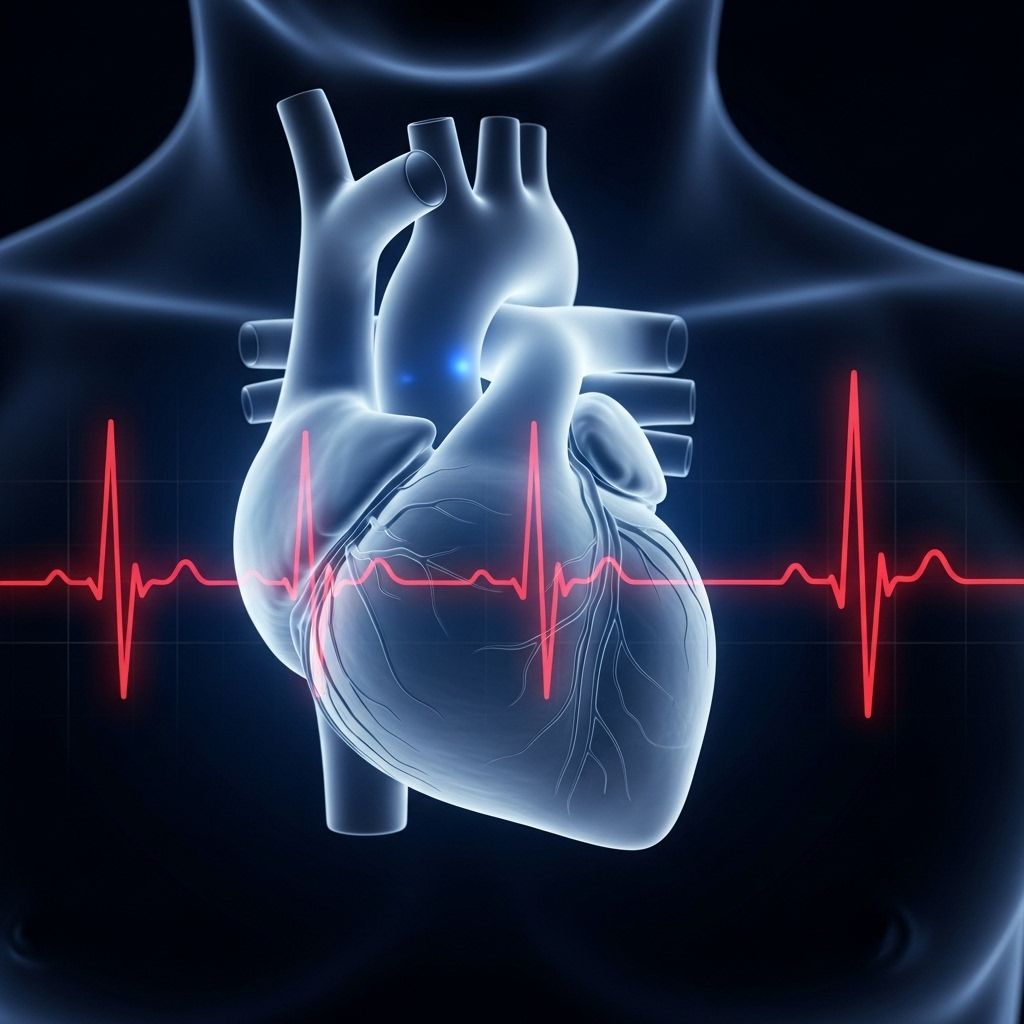
Heart arrhythmia is a disorder of the heart’s rhythm that causes it to beat too fast, too slow, or irregularly. While some arrhythmias are harmless, others may require medical intervention due to potential health risks. Understanding the symptoms, underlying causes, risk factors, and related conditions is essential for both prevention and management.
What Is Heart Arrhythmia?
Heart arrhythmia refers to an abnormal heart rhythm resulting from irregular electrical impulses that coordinate heartbeats. Normally, the heart beats at a steady pace, powered by precise electrical signals. When these signals are disrupted, the heartbeat can become too slow (bradycardia), too fast (tachycardia), or erratic. Arrhythmias can be brief or chronic, and severity ranges from benign to potentially life-threatening.
Types of Heart Arrhythmias
- Tachycardia: Fast heart rhythm (more than 100 beats per minute).
- Bradycardia: Slow heart rhythm (less than 60 beats per minute).
- Premature contractions: Extra, early, or skipped heartbeats.
- Atrial fibrillation: Chaotic rhythm in the heart’s upper chambers.
- Ventricular fibrillation: Disorganized rhythm in the heart’s lower chambers, a life-threatening emergency.
Symptoms
Arrhythmia symptoms can vary widely. While some people experience noticeable symptoms, others may not notice any irregularities at all. Common symptoms of heart arrhythmia include:
- Fluttering in the chest
- Palpitations: Sensation of a racing, pounding, or skipping heartbeat
- Slow heartbeat (bradycardia)
- Fast heartbeat (tachycardia)
- Chest pain or discomfort
- Shortness of breath
- Fatigue or weakness
- Dizziness or light-headedness
- Fainting (syncope) or near-fainting
Many arrhythmias are mild and may go unnoticed. However, others can cause significant symptoms or increase the risk of complications such as stroke or heart failure, particularly when episodes are frequent or prolonged.
When to Seek Medical Attention
It is crucial to seek immediate medical help if you experience:
- Sudden or severe chest pain
- Fainting or loss of consciousness
- Difficulty breathing or severe shortness of breath
- Rapid, irregular heartbeats accompanied by weakness, dizziness, or confusion
These symptoms may indicate a serious arrhythmia or other emergency cardiac condition.
Causes
Heart arrhythmias are commonly caused by a variety of factors that affect the heart’s electrical system. These may include:
- Coronary artery disease: Obstructed or narrowed arteries impair blood flow and electrical signaling.
- Heart attack: Damaged heart tissue can create electrical instability.
- Heart failure or cardiomyopathy: Weaken or alter heart muscle function.
- Heart valve disease: Impacts blood flow dynamics and electrical pathways.
- Congenital heart defects: Structural abnormalities from birth affect rhythm.
- Thyroid disorders: Overactive (hyperthyroidism) or underactive (hypothyroidism) thyroid can disrupt electrical signals.
- High blood pressure (hypertension): Leads to cardiac muscle thickening, altering signaling pathways.
- Obstructive sleep apnea: Recurrent breathing interruptions influence the heart rhythm, especially during sleep.
- Electrolyte imbalances: High or low levels of potassium, sodium, calcium, or magnesium can directly interfere with the heart’s electrical system.
- Lung diseases: Conditions affecting lung function like pneumonia can also contribute.
- Infections: Viral infections can cause inflammation affecting the heart.
- Stimulant use: Caffeine, nicotine, certain prescription medications (such as decongestants), and illegal drugs (such as amphetamines, cocaine).
- Excessive alcohol intake: High levels of alcohol can alter electrical activity in the heart.
- Severe stress or anxiety
- Use or withdrawal of certain medications
How Healthy Heart Rhythm Works
The sinus node in the upper right chamber (atrium) acts as the heart’s natural pacemaker. It generates regular electrical impulses that travel through the atria, reach the atrioventricular (AV) node, and then spread to the ventricles, prompting coordinated heartbeats. In people with arrhythmias, these electrical signals become erratic, delayed, or blocked, leading to abnormal rhythms.
Risk Factors
Several factors raise the likelihood of developing heart arrhythmia:
- Age: Risk increases with advancing age due to natural changes in heart tissue.
- Coronary artery disease or previous heart surgery
- Heart failure or cardiomyopathy
- Congenital heart disease: Structural problems present at birth
- High blood pressure (hypertension)
- Thyroid disorders
- Obstructive sleep apnea
- Electrolyte imbalances
- Alcohol, caffeine, nicotine, or illicit drug use
- Certain prescription medications, including antiarrhythmic drugs and certain cough/cold treatments
- Diabetes: Especially when blood sugar is not well-controlled.
- Genetics or family history of arrhythmia or other heart conditions
Complications
Arrhythmias can be harmless, but some increase the risk of significant complications, including:
- Stroke: Especially common with atrial fibrillation, which may lead to blood clots that travel to the brain.
- Heart failure: Chronic arrhythmias can cause the heart to become less effective at pumping blood.
- Sudden cardiac arrest: Life-threatening arrhythmias, such as ventricular fibrillation, can stop the heart abruptly.
Prevention and Risk Reduction
While not all arrhythmias can be prevented, you can reduce your risk by managing underlying health conditions and making healthy lifestyle choices:
- Control blood pressure and cholesterol
- Manage diabetes and thyroid disorders
- Maintain a healthy weight
- Get regular physical activity suited to your condition
- Do not smoke and limit alcohol intake
- Use caffeine and stimulants in moderation
- Manage sleep apnea with proper treatment if diagnosed
- Take medications only as prescribed
- Monitor and correct electrolyte imbalances if present
Related Conditions
Many heart-related disorders are closely linked with arrhythmias. Understanding these can help in managing both the rhythm disorder and underlying heart health.
- Coronary artery disease: Increases risk of heart tissue damage.
- Heart attack: Triggers arrhythmias during or after the event.
- Cardiomyopathy: Weakens heart muscles, predisposing to abnormal rhythms.
- Heart valve disorders: Change the flow of blood and electrical signaling through the heart.
Table: Common Symptoms and Risk Factors of Arrhythmia
| Symptom | Common Triggers or Risk Factors |
|---|---|
| Palpitations/fluttering | Caffeine, anxiety, stimulant use, thyroid disorders |
| Chest pain | Coronary artery disease, heart attack, stress |
| Shortness of breath | Heart failure, sleep apnea, advanced hypertension |
| Dizziness/fainting | Bradycardia, heart block, arrhythmic events |
| Fatigue | Chronic arrhythmia, heart failure, anemia |
Frequently Asked Questions (FAQs)
Q: What does it feel like to have heart arrhythmia?
Arrhythmia can feel like a fluttering, racing, or pounding sensation in the chest. Some people may notice pauses or skipped beats, while others feel dizzy, short of breath, or extremely fatigued.
Q: Are all arrhythmias dangerous?
No, not all arrhythmias are dangerous. Many are benign and do not require treatment. However, certain arrhythmias, particularly those originating in the ventricles, can cause serious complications and require immediate medical attention.
Q: Can lifestyle changes help prevent arrhythmias?
Yes. Healthy habits—such as regular exercise, a nutritious diet, quitting smoking, controlling blood pressure and blood sugar, managing stress, and avoiding excessive stimulants—can greatly reduce the risk.
Q: Does caffeine always cause heart rhythm problems?
While excessive caffeine can trigger palpitations in some people, moderate caffeine intake is generally considered safe for most healthy adults. Those with existing arrhythmias may need to limit or avoid it.
Q: When should I see a doctor about irregular heartbeats?
It is best to consult a healthcare provider if you experience persistent palpitations, dizziness, chest pain, fainting, or shortness of breath. Seek emergency care if symptoms are sudden or severe.
Summary
Heart arrhythmia is a common cardiac condition with varied presentations and causes. While many cases are benign, others pose significant health risks, especially if left untreated. Early recognition of symptoms, prompt diagnosis, and ongoing management of risk factors and underlying conditions are key to maintaining a healthy heart rhythm and preventing complications.
Similar Articles




Read full bio of Sneha Tete