High Blood Pressure (Hypertension): Symptoms, Causes, and Risks
Comprehensive overview of the symptoms, underlying causes, risk factors, and potential complications of high blood pressure (hypertension).
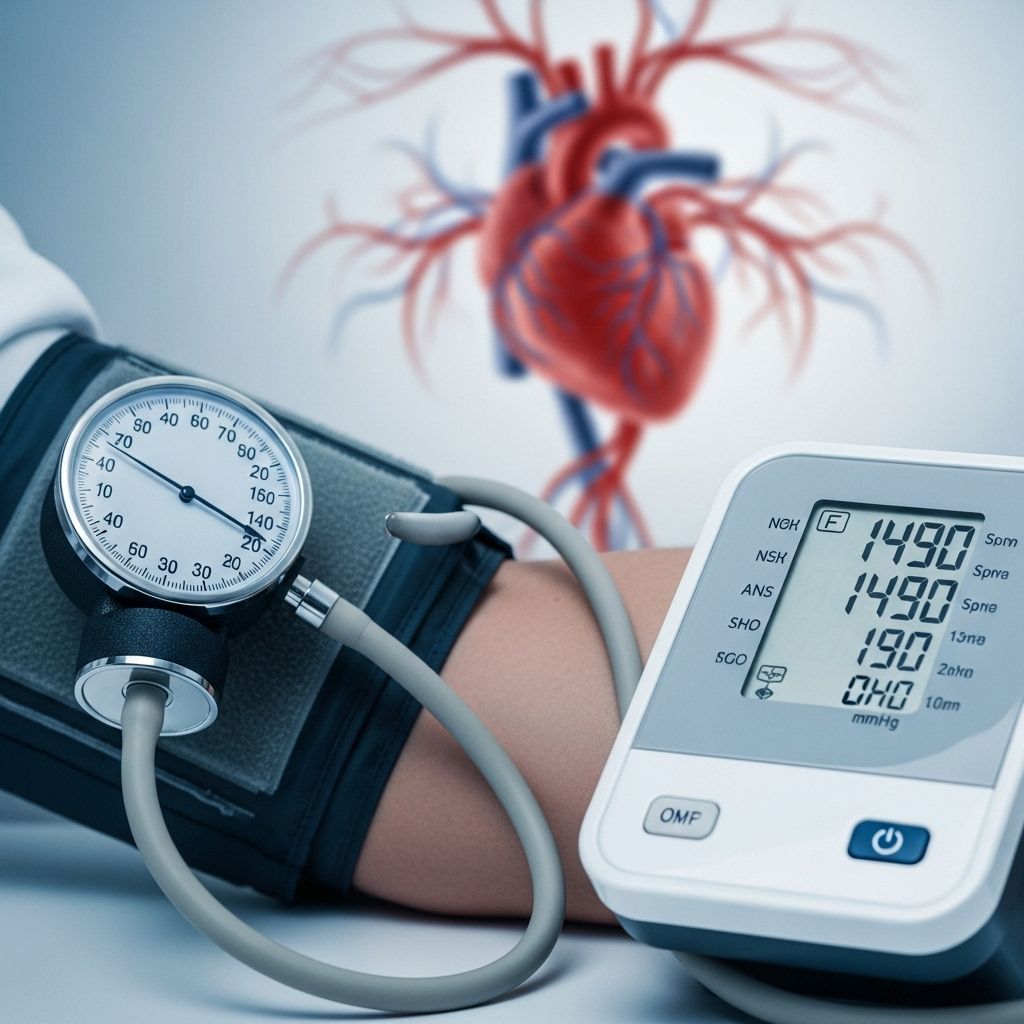
High blood pressure, medically known as hypertension, is a common condition characterized by persistently elevated force of blood against artery walls. Over time, hypertension can seriously harm health, leading to life-threatening complications such as heart attack, stroke, and kidney failure. Understanding the symptoms, underlying causes, risks, and possible complications is essential for prevention and management.
What Is High Blood Pressure?
High blood pressure occurs when the pressure exerted by blood against the arterial walls remains consistently too high. This force can damage blood vessels and various organs. Hypertension is often called the “silent killer” because it rarely causes noticeable symptoms until it has advanced or complications occur.
Symptoms of Hypertension
Most people with hypertension experience no symptoms for years. However, very high blood pressure or a rapid spike can cause noticeable signs. Symptoms may include:
- Severe headache
- Fatigue or confusion
- Vision problems
- Chest pain
- Difficulty breathing
- Irregular heartbeat
- Blood in the urine
- Pounding in the chest, neck, or ears
Most commonly, symptoms are absent until blood pressure reaches very high levels or complications arise.
Hypertensive Crisis
A hypertensive crisis refers to a sudden, severe increase in blood pressure (typically over 180/120 mm Hg). This situation is a medical emergency and can cause:
- Severe headache
- Blurred vision
- Chest pain
- Nausea and vomiting
- Confusion
- Seizures
- Shortness of breath
- Symptoms of stroke, such as numbness or speaking difficulties
If these symptoms occur in the presence of a very high blood pressure reading, emergency medical attention is required.
Causes of High Blood Pressure
Hypertension is traditionally classified as either primary (essential) or secondary.
- Primary (essential) hypertension: Develops gradually over many years and has no identifiable cause.
- Secondary hypertension: Results from an underlying condition and can appear suddenly, causing higher blood pressure.
Common Causes of Secondary Hypertension
- Kidney diseases (e.g., diabetic nephropathy, polycystic kidney disease)
- Hormonal disorders (e.g., Cushing syndrome, aldosteronism, pheochromocytoma, thyroid problems, hyperparathyroidism)
- Sleep apnea
- Coarctation of the aorta (congenital narrowing of the main artery)
- Pregnancy (can worsen existing high blood pressure or cause pregnancy-induced hypertension)
- Obesity
- Medications (e.g., pain relievers, birth control pills, antidepressants, decongestants, herbal supplements, and illegal drugs)
Kidney disease, diabetes, and sleep apnea are among the notable conditions that frequently contribute to secondary hypertension.
Other Influencing Factors
- Genetics: Family history increases risk.
- Lifestyle habits: High salt intake, excessive alcohol, sedentary behavior, smoking.
- Age: The risk of hypertension increases as you grow older.
- Race and ethnicity: Some populations, such as African Americans, have a higher prevalence of hypertension.
Risk Factors for Hypertension
There are several risk factors that increase the likelihood of developing high blood pressure:
- Family history of hypertension
- Advancing age
- Being overweight or obese
- Physical inactivity
- Tobacco use
- Excessive alcohol consumption
- High-sodium diet
- Lack of potassium in the diet
- Chronic stress
- Sleep apnea and other sleep disorders
Certain chronic illnesses, such as diabetes, kidney disease, and some autoimmune conditions, are also associated with a higher risk of hypertension.
Complications of High Blood Pressure
Long-standing hypertension can cause irreversible damage to the body’s organs, often without detectable symptoms until serious complications develop.
- Heart disease: Increased risk for coronary artery disease, myocardial infarction (heart attack), heart failure, and arrhythmias.
- Stroke: Damage to blood vessels in the brain raises stroke risk.
- Kidney damage: May lead to chronic kidney disease and kidney failure.
- Vision loss: Hypertension damages blood vessels in the eyes, causing retinopathy or even blindness.
- Aneurysm: Persistent high pressure can cause blood vessels to weaken and bulge, potentially leading to rupture.
- Metabolic syndrome: A cluster of conditions (high blood sugar, abnormal cholesterol, excess abdominal fat) increasing cardiovascular disease and diabetes risks.
| Target Organ | Potential Damage | Complications |
|---|---|---|
| Heart | Thickening of heart muscle, reduced pumping efficiency | Heart attack, heart failure, arrhythmias |
| Brain | Vessel damage, reduced blood flow | Stroke, cognitive impairment |
| Kidneys | Blood vessel damage, filtering issues | Kidney disease, kidney failure |
| Eyes | Vessel damage (retinopathy) | Vision loss, blindness |
Prehypertension and Elevated Blood Pressure
Prehypertension or elevated blood pressure refers to blood pressure readings that are higher than normal but not yet in the hypertensive range. Without intervention, this condition often progresses to hypertension.
Common causes include:
- Adrenal gland disorders
- Kidney disease
- Congenital heart defects
- Obstructive sleep apnea
- Thyroid disease
- Certain medications
- Use of illegal drugs (such as cocaine and amphetamines)
Discussing all medications with a health care provider is essential for reducing risk factors.
Effects on Children and Adolescents
Children can develop hypertension for similar reasons as adults. Main contributors include:
- Excess weight
- Poor nutrition
- Lack of physical activity
- Congenital or chronic medical conditions
Early detection and management are crucial for preventing long-term complications.
When to See a Doctor?
Many individuals are unaware they have high blood pressure due to its lack of symptoms. Regular screenings are vital, especially for those with risk factors.
- Seek emergency care if blood pressure is above 180/120 mm Hg and accompanied by chest pain, shortness of breath, or stroke symptoms.
- Contact a health professional if you consistently measure elevated readings, even if asymptomatic.
Frequently Asked Questions (FAQs)
What is normal blood pressure?
Normal adult blood pressure is typically below 120/80 mm Hg.
How is high blood pressure diagnosed?
Diagnosis is made when blood pressure readings are consistently elevated over multiple measurements, generally above 130/80 mm Hg.
Can hypertension be cured?
Hypertension is often chronic but can be managed or, in some cases, reversed with lifestyle changes, medications, and control of underlying causes.
Is high blood pressure hereditary?
Genetics play a significant role. A family history increases your likelihood of developing the condition.
Why is hypertension called the ‘silent killer’?
Its lack of noticeable symptoms until organs are damaged or complications arise contributes to this designation.
Can children have high blood pressure?
Yes, particularly those who are overweight, inactive, or have other health conditions.
What should I do if my blood pressure is very high?
If you measure a blood pressure of 180/120 mm Hg or greater, pause, retest, and seek immediate medical help if symptoms are present.
Summary and Key Points
- High blood pressure is a common, often symptom-free condition that can lead to severe health complications.
- Risk factors include obesity, genetics, unhealthy diet, sedentary lifestyle, stress, and other health conditions.
- Secondary hypertension has identifiable causes, while primary hypertension develops gradually.
- Complications affect major organs: heart, brain, kidneys, and eyes.
- Early detection and management are essential for reducing long-term risks.
Similar Articles



Read full bio of medha deb