Hormone Therapy for Prostate Cancer: A Comprehensive Guide
Uncover how hormone therapy is used in prostate cancer management, its methods, benefits, and side effects for improved patient outcomes.
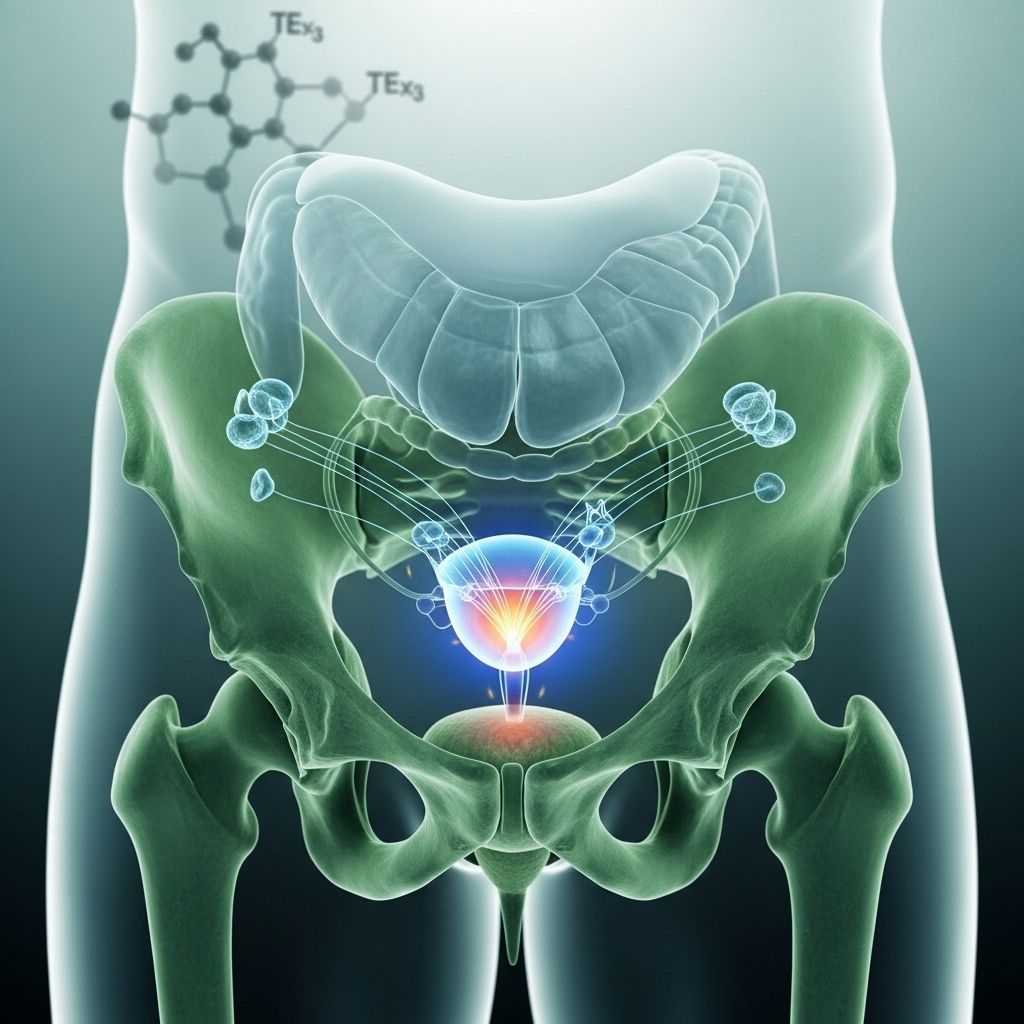
Hormone Therapy for Prostate Cancer
Hormone therapy, also known as androgen deprivation therapy (ADT), is a pivotal treatment option for men diagnosed with prostate cancer. The therapy works by lowering or blocking the body’s production of testosterone, a hormone that encourages the growth of prostate cancer cells. Although it can effectively shrink tumors and slow progression, hormone therapy is generally not a standalone cure for prostate cancer but is instead part of a broader treatment regimen in many cases.
Why Is Hormone Therapy Used in Prostate Cancer?
The main goal of hormone therapy in prostate cancer management is to deprive cancer cells of testosterone, which acts as a fuel for their growth. Lowering testosterone levels can cause cancer cells to die or to grow more slowly. Hormone therapy may be tailored to the clinical situation and can be used for:
- Metastatic prostate cancer: For cancer that has spread beyond the prostate (including to distant organs), hormone therapy can shrink tumors, slow cancer growth, and alleviate symptoms.
- Locally advanced prostate cancer: When cancer has only spread to nearby tissues, hormone therapy can be employed to enhance the effectiveness of radiation therapy and reduce recurrence risk.
- After primary treatment: If prostate-specific antigen (PSA) levels remain high or begin to rise following surgery or radiation, hormone therapy may be introduced to maintain control over cancer progression.
- High-risk cases: For individuals with a high risk of cancer returning or spreading, hormone therapy may help lower the risk of recurrence.
On its own, hormone therapy is rarely curative but plays a crucial supportive role in various stages of treatment.
Methods of Hormone Therapy for Prostate Cancer
Hormone therapy can be delivered through medications or surgical intervention. Depending on the stage and severity of the disease, doctors may combine different approaches. The primary methods include:
- Medicines that stop testosterone production
- Medicines that block testosterone activity on cancer cells
- Newer hormone therapy agents
- Surgery (orchiectomy)
Medications That Suppress Testosterone Production
These drugs inhibit the body’s ability to synthesize testosterone by targeting the signals responsible for hormone creation. The main classes include:
- Luteinizing hormone-releasing hormone (LHRH) agonists and antagonists: These substances reduce or block the body’s signals to make testosterone. Examples include leuprolide, goserelin, and degarelix.
- Other medications: In some cases, drugs like abiraterone may be employed to block hormone sources outside of the testicles.
Medications That Block Testosterone’s Action
Known as antiandrogens, these medications prevent testosterone from binding to receptors on prostate cancer cells. They are often used in conjunction with LHRH agonists because the latter can cause a temporary surge in testosterone (‘flare’). Examples include bicalutamide, nilutamide, and flutamide.
Newer Hormone Therapy Agents
Recent developments have introduced drugs that more precisely block the action of testosterone:
- Androgen receptor pathway inhibitors: These advanced antiandrogens, such as enzalutamide, apalutamide, and darolutamide, interrupt the signals that allow testosterone to stimulate prostate cancer cells.
Surgical Approach: Orchiectomy
Orchiectomy is the surgical removal of both testicles, leading to a rapid and significant decrease in testosterone levels. The procedure is simple, quick, and, unlike medications, does not require ongoing treatment. However, it is a permanent solution and may have significant psychological and physical effects.
Combining Hormone Therapy with Other Treatments
In clinical practice, hormone therapy is often combined with other modalities to maximize its effectiveness. Such combinations include:
- Radiation therapy: Hormone therapy can help increase the efficacy of radiation, particularly in locally advanced disease.
- Cryotherapy: Freezing cancer cells with extremely cold liquid, sometimes paired with hormone treatment for better outcomes.
- Targeted therapies: Drugs such as PARP inhibitors may be used alongside hormone therapy for some patients.
Decisions about combination therapy depend on cancer stage, risk factors, and the patient’s overall health.
Risks and Side Effects of Hormone Therapy
Hormone therapy significantly alters the body’s hormonal balance, leading to a range of side effects. Common issues and risks include:
- Hot flashes
- Loss of body hair
- Decreased muscle mass
- Increased body fat
- Loss of sex drive (libido)
- Difficulty achieving erections (erectile dysfunction)
- Sleep problems
- Thinning of bones (osteoporosis)
- Increased risk of diabetes and heart disease
Some side effects may be temporary, while others (like bone thinning or metabolic changes) may persist or worsen over time. The risks must be weighed against the potential benefits of slowing or controlling cancer progression.
Care Approach at Mayo Clinic
Mayo Clinic’s cancer treatment care is nationally recognized for excellence. Their approach comprises:
- Multidisciplinary expertise: Teams of oncologists, urologists, radiation oncologists, pathologists, and radiologists collaborate to provide personalized care.
- Advanced treatment options: Access to clinical trials and cutting-edge therapies, including those used when standard hormone therapy is no longer effective.
- Vast experience: Mayo Clinic treats thousands of prostate cancer patients annually, ensuring deep expertise across all aspects of care.
- Comprehensive cancer center status: Mayo holds National Cancer Institute’s Comprehensive Cancer Center designation at three U.S. locations (Arizona, Florida, Minnesota).
Mayo Clinic Locations Specializing in Prostate Cancer Therapy
- Mayo Clinic in Arizona
- Mayo Clinic in Florida
- Mayo Clinic in Minnesota
- Mayo Clinic Healthcare, London
Each location is staffed by experts in cancer care, and supported by robust research programs and clinical trials.
Departments and Specialties Linked to Prostate Cancer Treatment
- Cancer Care
- Men’s Health
- Medical Oncology
- Urology
Research and management of hormone therapy for prostate cancer are active fields at Mayo Clinic, with ongoing studies to improve outcomes and mitigate side effects.
Frequently Asked Questions (FAQs)
Q: Does hormone therapy cure prostate cancer?
A: Hormone therapy is highly effective at shrinking and slowing prostate cancer growth but is rarely curative on its own. It is part of a multi-modality treatment approach for most patients.
Q: What are the main side effects of hormone therapy?
A: Common side effects include hot flashes, loss of libido, erectile dysfunction, increased body fat, loss of muscle mass, and sleep problems. There is also an increased risk of diabetes and heart disease.
Q: When is hormone therapy recommended for prostate cancer?
A: Hormone therapy is generally recommended for advanced or high-risk prostate cancer, and when the cancer has spread beyond the prostate. It may also be used after primary treatment if PSA levels remain elevated.
Q: What treatment options are available if hormone therapy stops working?
A: When cancer becomes resistant to hormone therapy, additional treatments such as chemotherapy, newer hormone therapies, targeted therapies, immunotherapy, or radiopharmaceuticals may be considered.
Q: How does Mayo Clinic approach prostate cancer treatment?
A: Mayo Clinic utilizes multidisciplinary teams, advanced therapies, and ongoing clinical trials. Care is distinguished by collaboration and deep expertise across cancer care specialties.
Summary Table: Methods of Hormone Therapy
| Method | Description | Common Agents |
|---|---|---|
| LHRH Agonists/Antagonists | Suppress testosterone production signals | Leuprolide, Goserelin, Degarelix |
| Antiandrogens | Block testosterone receptors on cancer cells | Bicalutamide, Nilutamide, Flutamide |
| Advanced Antiandrogens | Inhibit androgen receptor pathway | Enzalutamide, Apalutamide, Darolutamide |
| Other Hormone Blockers | Block additional hormone sources | Abiraterone |
| Orchiectomy | Surgical removal of testicles | — |
Key Points to Remember
- Hormone therapy is central in managing advanced and high-risk prostate cancer. It works by disrupting testosterone production and activity.
- Multiple pharmaceutical and surgical strategies exist to achieve hormonal control.
- Side effects are common and should be anticipated; heart health and metabolic risks require monitoring.
- Mayo Clinic provides comprehensive, expert care for hormone therapy, ensuring patients benefit from multidisciplinary knowledge and the latest innovations.
Similar Articles





Read full bio of Sneha Tete