Irritable Bowel Syndrome: Diagnosis and Treatment Approaches
A comprehensive guide to understanding, diagnosing, and managing irritable bowel syndrome symptoms and treatment options.
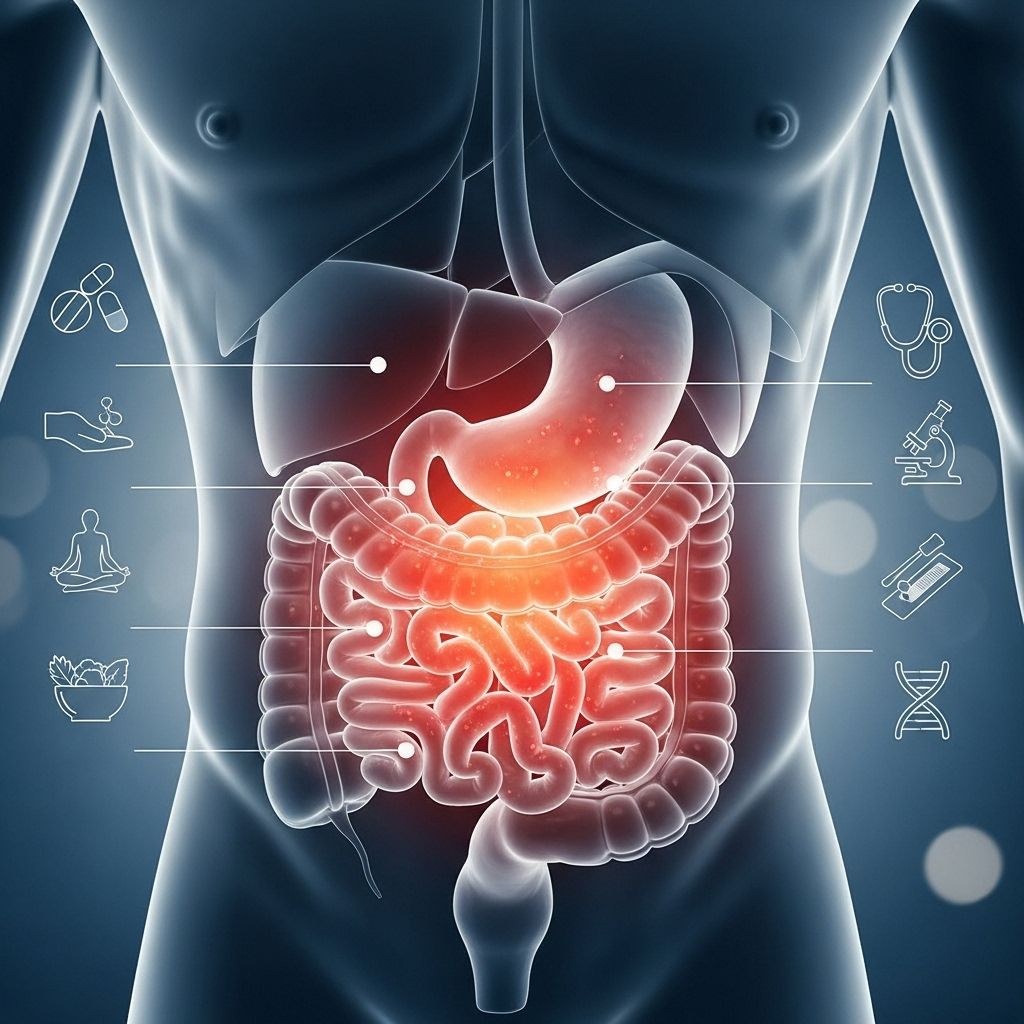
Irritable bowel syndrome (IBS) is a prevalent digestive disorder that affects millions around the world. Characterized by symptoms such as abdominal pain, changes in bowel habits, bloating, and discomfort, IBS does not cause structural changes in the digestive tract, but its symptoms can notably impact quality of life. This article outlines how IBS is diagnosed, various treatment modalities, lifestyle and alternative therapies, and addresses frequently asked questions regarding this complex syndrome.
Table of Contents
- Diagnosis of IBS
- Treatment Options
- Lifestyle and Home Remedies
- Alternative Medicine
- Coping and Support
- Preparing for an Appointment
- Frequently Asked Questions
Diagnosis of IBS
There is no single test that can definitively diagnose IBS. A thorough medical history, a physical examination, and targeted tests are essential to rule out other conditions such as celiac disease or inflammatory bowel disease. Diagnosis often relies on established medical criteria and may include investigative procedures to exclude other causes.
Diagnostic Criteria
- Rome Criteria: Diagnosis is based on experiencing abdominal pain or discomfort on average at least one day per week in the last three months, associated with two or more of the following:
- Pain related to defecation
- Change in frequency of stool
- Change in stool consistency
- IBS Subtypes: IBS is classified into four subtypes, depending on predominant symptoms:
- Constipation-predominant (IBS-C)
- Diarrhea-predominant (IBS-D)
- Mixed (IBS-M)
- Unclassified (IBS-U)
Warning Signs for Other Conditions
Your doctor will also look for red flag symptoms that might suggest another, potentially more serious, condition:
- Onset of symptoms after age 50
- Unintended weight loss
- Rectal bleeding
- Fever
- Persistent nausea or vomiting
- Nighttime or persistent abdominal pain
- Diarrhea that awakens you from sleep
- Iron-deficiency anemia
Additional Diagnostic Tests
If warning signs are present, or if initial treatment fails, further tests may be utilized:
- Colonoscopy: Visual examination of the entire colon using a flexible tube with a camera.
- CT Scan: Imaging tests of the abdomen and pelvis to detect other causes of symptoms.
- Upper Endoscopy: Inspection of the upper digestive tract, sometimes with biopsies, especially if celiac disease or bacterial overgrowth is suspected.
Laboratory Tests
- Lactose Intolerance Tests: Includes breath testing or removal of dairy products from the diet to assess for intolerance.
- Breath Test for Small Intestine Bacterial Overgrowth (SIBO): To detect excess bacteria, particularly in individuals with risk factors like prior bowel surgery.
- Stool Studies: To identify infections (bacteria, parasites), bile acid malabsorption, or malabsorption syndromes that may mimic IBS.
Treatment Options
Treatment for IBS is individualized and targets dominant symptoms. While IBS is a chronic condition, many people are able to manage their symptoms using a combination of the following therapies:
Medications
- Fiber Supplements: Adding soluble fiber—such as psyllium husk—with ample fluids may relieve constipation.
- Laxatives: Used for constipation that does not respond to increased fiber. Examples include osmotic laxatives such as polyethylene glycol.
- Antidiarrheal Medications: Over-the-counter options like loperamide can reduce diarrhea.
- Bile Acid Binders: Prescribed if diarrhea is due to bile acid malabsorption (e.g., cholestyramine).
- Antispasmodics: Medications such as hyoscyamine or dicyclomine help reduce bowel spasms and relieve pain.
- Antidepressants: Low doses of tricyclic antidepressants or selective serotonin reuptake inhibitors can ease pain and improve motility through gut-brain interaction modulation.
- Medications for IBS with Specific Types:
- IBS-C (Constipation-predominant): Lubiprostone, linaclotide, plecanatide, or tegaserod (for women under certain conditions).
- IBS-D (Diarrhea-predominant): Rifaximin (antibiotic), eluxadoline, alosetron for specific cases (usually females with severe diarrhea who have not responded to other treatments).
Psychological Therapies
- Cognitive Behavioral Therapy (CBT): Shown to help IBS symptoms, particularly when stress exacerbates gut symptoms.
- Other Psychological Interventions: Relaxation training, mindfulness, and gut-directed hypnotherapy can calm the gut-brain axis and decrease symptom severity.
Lifestyle and Home Remedies
Many individuals with IBS experience relief through targeted changes in their diet, habits, and stress-management strategies.
- Regular Meal Times: Eat at consistent times each day and don’t skip meals.
- Fiber Intake: Gradually increase soluble fiber in your diet (oats, peas, beans, apples, citrus fruits).
- Avoid Trigger Foods: Track symptoms with a food diary to identify problematic foods, such as caffeinated or carbonated drinks, alcohol, and some high FODMAP foods (certain sugars and fibers).
- Hydrate: Drink plenty of water to prevent constipation and support gut motility.
- Physical Activity: Incorporate regular exercise, which helps relieve stress and stimulate normal bowel function.
- Stress Management: Mindfulness, yoga, and relaxation techniques can ease symptoms triggered by anxiety or emotional stress.
Dietary Approaches
- Low FODMAP Diet: Many IBS sufferers benefit from reducing foods high in fermentable oligosaccharides, disaccharides, monosaccharides, and polyols (FODMAPs), as these can exacerbate bloating, gas, and laxative symptoms.
- Identify Food Intolerances: Lactose or gluten may aggravate symptoms in some individuals without causing true allergies.
- Monitor Portion Sizes: Large meals may worsen symptoms; opt for small, frequent meals when possible.
Alternative Medicine
Some patients explore complementary or alternative therapies to manage symptoms that are not fully controlled with standard treatments. These include:
- Probiotics: Certain strains of beneficial bacteria may help regulate bowel habits and reduce abdominal discomfort.
- Herbal Medicines: Peppermint oil, in enteric-coated capsules, has been shown to relax digestive tract muscles and relieve IBS symptoms for some people.
- Acupuncture: Some individuals report benefit, though evidence remains mixed.
As with all non-prescription therapies, it’s important to consult your doctor before starting alternative treatments to ensure compatibility with your current regimen and conditions.
Coping and Support
IBS is a chronic condition that can require ongoing adjustments. Emotional support and education are vital tools in managing IBS day-to-day. Consider the following:
- Support Groups: Connecting with others through IBS support organizations or online forums can provide community and shared strategies.
- Counseling: Talking to a mental health provider can ease the psychological burden of chronic digestive symptoms.
- Education: Learning as much as possible about IBS empowers patients to advocate for themselves and make informed decisions.
Preparing for an Appointment
If you suspect you have IBS, effective preparation can help maximize the value of your healthcare visit:
- Record your symptoms and frequency, noting any triggers or relieving factors.
- List all medications, supplements, and relevant medical history.
- Bring a list of questions, including available treatment options, dietary recommendations, and what follow-up or additional testing may be required.
- Understand family history of digestive diseases, as this may inform risk and diagnostic recommendations.
Being proactive supports a collaborative approach with your healthcare provider and leads to better outcomes.
Frequently Asked Questions (FAQs)
Q: What are the most common symptoms of irritable bowel syndrome?
A: IBS typically includes abdominal pain, bloating, gas, and a change in bowel habits. These changes can present as constipation, diarrhea, or alternating between both. Some people will notice symptom improvement after a bowel movement.
Q: Is IBS a lifelong condition?
A: IBS is a chronic, long-term condition. Many people manage to control their symptoms with lifestyle adjustments, stress management, dietary changes, and medications when needed.
Q: Does IBS lead to more serious health problems?
A: IBS does not cause permanent changes to intestinal tissue or increase the risk for colorectal cancer.
Q: Can psychological factors make IBS worse?
A: Yes. Stress, anxiety, and mental health issues can heighten symptoms due to the sensitive gut-brain connection unique to IBS.
Q: Are there effective cures for IBS?
A: There is currently no cure for IBS, but many therapeutic options are available that can help manage and minimize symptoms.
Key Takeaways
- IBS is diagnosed primarily through clinical evaluation and by ruling out other conditions.
- Treatment strategies are individualized and may include lifestyle, dietary approaches, medication, and supportive therapies.
- Managing stress, tracking symptoms, and seeking support enhance outcomes and quality of life.
Similar Articles



Read full bio of Sneha Tete