Nuclear Stress Test: Purpose, Procedure, and What to Expect
A detailed guide to nuclear stress tests: from preparation and procedure to understanding results, safety, and applications.
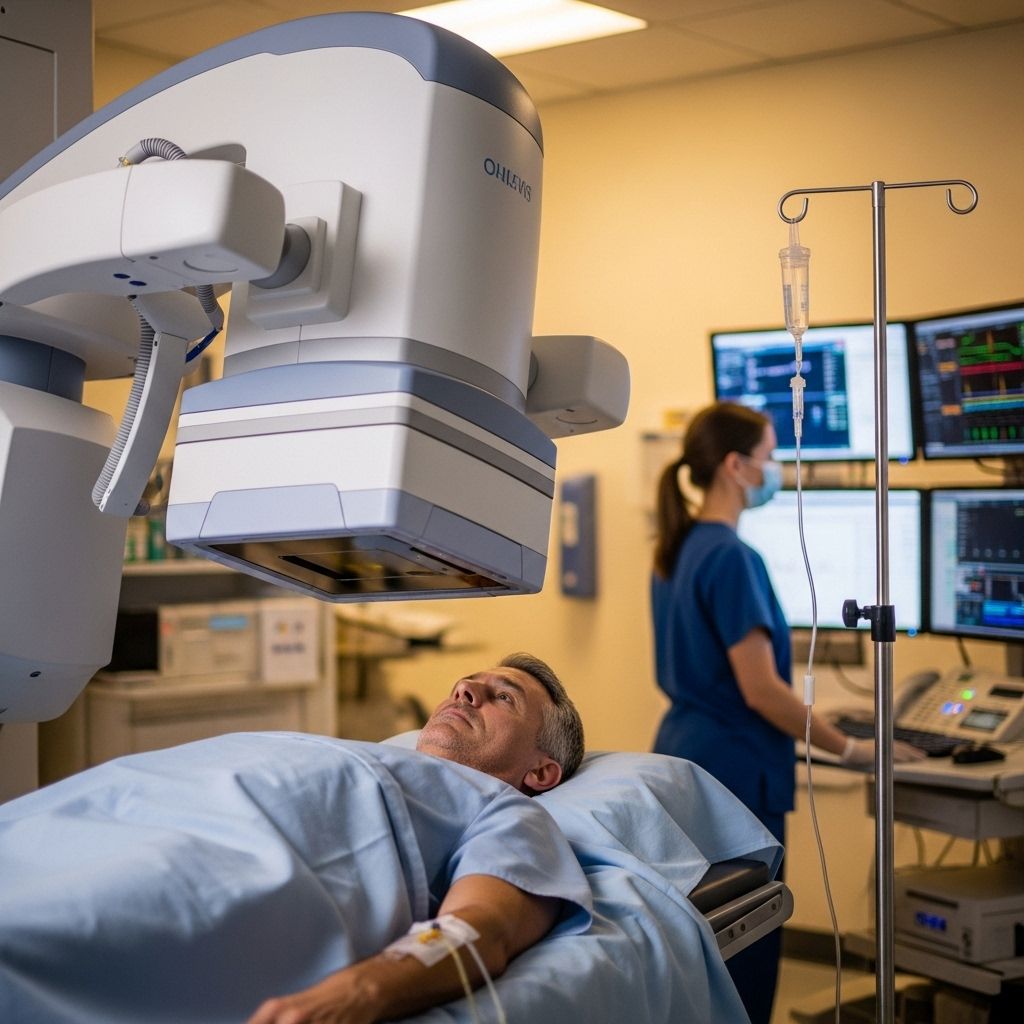
A nuclear stress test is an advanced cardiac imaging procedure that helps doctors evaluate blood flow to the heart muscle both at rest and under stress conditions. Using a small amount of radioactive material (tracer), the test generates detailed pictures that reveal areas of the heart with reduced blood supply, which can be crucial for diagnosing various heart conditions or assessing the severity of existing heart disease.
Overview
The nuclear stress test—also known as myocardial perfusion imaging (MPI), cardiac PET (positron emission tomography) study, or cardiac SPECT (single-photon emission computed tomography) study—is one of the most informative tools available for assessing coronary artery disease and other heart disorders. It is often used when a standard exercise stress test does not provide enough information, or as the initial assessment in certain high-risk patients.
- Involves injecting a radioactive tracer into the bloodstream.
- SPECT or PET imaging detects the tracer as it travels through blood vessels in the heart.
- Images are captured while the patient is at rest and again during stress (exercising or with medication).
- Comparing these images shows which areas of the heart receive adequate blood flow and which do not.
This test is a cornerstone in diagnosing coronary artery disease, evaluating unexplained chest pain, and guiding treatment for known heart conditions.
Why It’s Done
Doctors may recommend a nuclear stress test for several reasons:
- Diagnose coronary artery disease when symptoms such as chest pain or shortness of breath suggest reduced heart perfusion.
- Assess the severity and location of blockages in heart arteries.
- Determine the effectiveness of treatments for heart disease, such as medication, angioplasty, or bypass surgery.
- Guide management strategies for patients at risk of heart attacks or other cardiac events.
- Plan rehabilitation programs following cardiac incidents.
Sometimes, a nuclear stress test is performed when a traditional exercise stress test yields inconclusive results, or if a patient is unable to exercise adequately due to medical reasons. In these cases, medications are used to simulate the effects of exercise on the heart.
Risks
Nuclear stress tests are considered safe, and complications are rare. However, as with all medical procedures, there are potential risks to be aware of:
- Arrhythmias (abnormal heart rhythms): May occur during the test but typically resolve quickly once the test concludes or the medication wears off.
- Heart attack: Extremely rare, but possible during the procedure.
- Low blood pressure: Can occur during or shortly after the test, sometimes causing dizziness or fainting, but usually resolves soon after stopping exercise.
- Symptoms of discomfort: Some people may experience mild symptoms such as chest pain, nausea, flushing, shakiness, headache, shortness of breath, or anxiety. These are generally brief and mild.
- Radiation exposure: The amount of radioactivity is low and generally considered safe; the risk of adverse effects is very small.
Inform your doctor if you have any concerns about allergies, kidney conditions, pregnancy, or other health issues before the test.
How You Prepare
Preparation helps ensure accurate results and a smooth testing process. Your healthcare provider will give you specific instructions, but typically you should:
- Review current medications: You may need to stop taking certain drugs—like beta-blockers, calcium channel blockers, or medications containing caffeine—before the test. Only stop medications if instructed by your doctor.
- Fasting: Avoid eating, drinking (including water), or smoking for several hours before the test, usually 4–6 hours.
- Avoid caffeinated products: Coffee, tea, cola, chocolate, and certain pain relievers should be avoided 24 hours prior, as they can affect test results.
- Wear comfortable clothing: Dress in loose, comfortable clothes and bring walking shoes suitable for exercise (if you will exercise during the test).
- Bring a list of medications: Provide your care team with a list including all over-the-counter and prescription drugs, and any supplements.
- Notify your provider: Let your doctor know if you may be pregnant or are breastfeeding, as special precautions may apply.
What You Can Expect
Before the Procedure
- Your healthcare provider will review your medical history and ask about your exercise habits to determine safe exercise thresholds.
- A nurse or technician will insert an intravenous (IV) line into your arm or hand for administering the radioactive tracer and, if needed, stress-inducing medications.
- You’ll also have electrodes placed on your chest, arms, and legs to monitor your heart’s electrical signals (via ECG/EKG) and a cuff on the arm to measure blood pressure.
During the Nuclear Stress Test
The nuclear stress test is conducted in several distinct stages:
- Imaging at Rest:
- The radioactive tracer is injected through the IV line. You may feel a cool sensation initially.
- You will rest quietly while your heart cells absorb the tracer (usually 15–45 minutes).
- A scanner (SPECT or PET) takes images of your heart at rest, highlighting blood flow patterns.
- Stress Phase:
- If able, you will walk on a treadmill or pedal a stationary bike. The intensity increases gradually to raise your heart rate and simulate exertion.
- Certain medical conditions may prevent you from exercising. In these cases, medication is administered to mimic the effects of exercise by increasing blood flow to the heart.
- During the stress phase, your vital signs, ECG, and symptoms will be closely monitored.
- Imaging After Stress:
- At peak exertion or after medication, a second dose of the radioactive tracer may be administered.
- Further images are captured, showing how well blood reaches various parts of your heart during stress.
Throughout the test, you should inform staff immediately if you experience:
- Moderate to severe chest pain
- Severe shortness of breath
- Dizziness or fainting sensations
- Irregular heartbeats or palpitations
- Marked increases or drops in blood pressure
- Other new or worsening symptoms
Testing is halted if symptoms become concerning, or upon reaching target heart rate or blood pressure thresholds.
After the Procedure
- Most people resume normal activities immediately.
- If you received medications for the test, mild side effects may persist briefly but usually subside quickly.
- Drink plenty of fluids after the test to help flush the tracer out of your system.
Your doctor will later review the results, which are typically available within a day or two.
Results
Your healthcare provider will interpret the nuclear stress test by carefully comparing images taken at rest with those during stress. The findings may reveal:
- Normal blood flow during rest and stress typically indicates a low risk of significant coronary artery disease.
- Reduced blood flow during stress but not at rest often points to a significant blockage in one or more heart arteries.
- Reduced blood flow both at rest and during stress suggests heart muscle damage, possibly from a prior heart attack or a more chronic condition.
Depending on the results, your doctor may recommend further diagnostic testing (such as coronary angiography) or discuss treatment options like medication adjustments, angioplasty with stenting, or coronary artery bypass surgery.
Types of Imaging and Technology Used
Nuclear stress tests employ sophisticated imaging technology. Key modalities include:
- SPECT (Single-Photon Emission Computed Tomography): This common technique uses gamma cameras to detect the tracer and construct 3D images of heart blood flow.
- PET (Positron Emission Tomography): Offers higher resolution images using a different tracer; especially useful for certain complex cases.
- Hybrid Cameras: Sometimes, SPECT or PET scanners are combined with low-dose CT (computed tomography) technology to better localize blood flow abnormalities, providing more precise anatomical detail.
| Imaging Type | Tracer Used | Typical Clinical Use |
|---|---|---|
| SPECT | Technetium-99m, Thallium-201 | Most standard nuclear stress tests |
| PET | Rubidium-82, N-13 ammonia | Complex coronary disease, higher accuracy |
| SPECT/CT or PET/CT | Combined tracers | Hybrid functional and anatomical assessment |
Frequently Asked Questions (FAQs)
Q: How long does a nuclear stress test take?
A: Most nuclear stress tests take between 2 and 4 hours, depending on the specific protocol and imaging techniques used. The actual time may vary based on waiting periods between imaging phases.
Q: Is the radioactive tracer safe?
A: Yes. The amount of radiation is small—comparable to or less than many standard imaging procedures. Side effects are rare and typically mild.
Q: Can I eat before the test?
A: You will likely be asked to avoid food, drinks (including water), and sometimes certain medications or caffeine for 4–6 hours prior. Specific instructions are provided by your care team.
Q: What if I can’t exercise?
A: If you are unable to exercise adequately, medications can be used to safely increase blood flow in your heart and simulate the effects of exercise.
Q: Will the test be painful?
A: The test is not painful, though you may feel some discomfort from the IV injection or sticky electrodes. Some people experience mild, temporary symptoms such as flushing or shortness of breath.
Q: Can I return to normal activities after the test?
A: In most cases, you can resume normal activities immediately. Drink plenty of fluids to help eliminate the tracer from your body, unless otherwise instructed by your care team.
When to Contact Your Doctor
If you experience any of the following after your nuclear stress test, contact your healthcare provider promptly:
- Severe or persistent chest pain
- Shortness of breath that does not improve
- Sustained irregular heartbeat or palpitations
- Severe dizziness or fainting upon standing
Summary Table: Key Points About Nuclear Stress Testing
| Aspect | Details |
|---|---|
| Test Purpose | Assess blood flow to heart at rest and during stress |
| Who Needs It | People with suspected or known heart disease, unexplained chest pain, prior abnormal stress tests, or as follow-up to cardiac events |
| Preparation | Fasting, avoidance of caffeine, possible medication adjustments |
| Risks | Generally rare and mild: arrhythmia, low blood pressure, mild reactions, very low radiation risk |
| Aftercare | Return to regular activities; hydrate well |
Conclusion
The nuclear stress test is a safe, reliable, and highly informative procedure for evaluating heart health, diagnosing coronary artery disease, and guiding treatment. If you have questions or concerns at any step, speak with your care team to ensure you understand the purpose, benefits, and safety of this important test.
Similar Articles



Read full bio of medha deb