Red Yeast Rice: Benefits, Risks, and Best Practices
Explore how red yeast rice may support cholesterol management, its safety, potential side effects, and what to know before use.
Red Yeast Rice: Overview and Key Facts
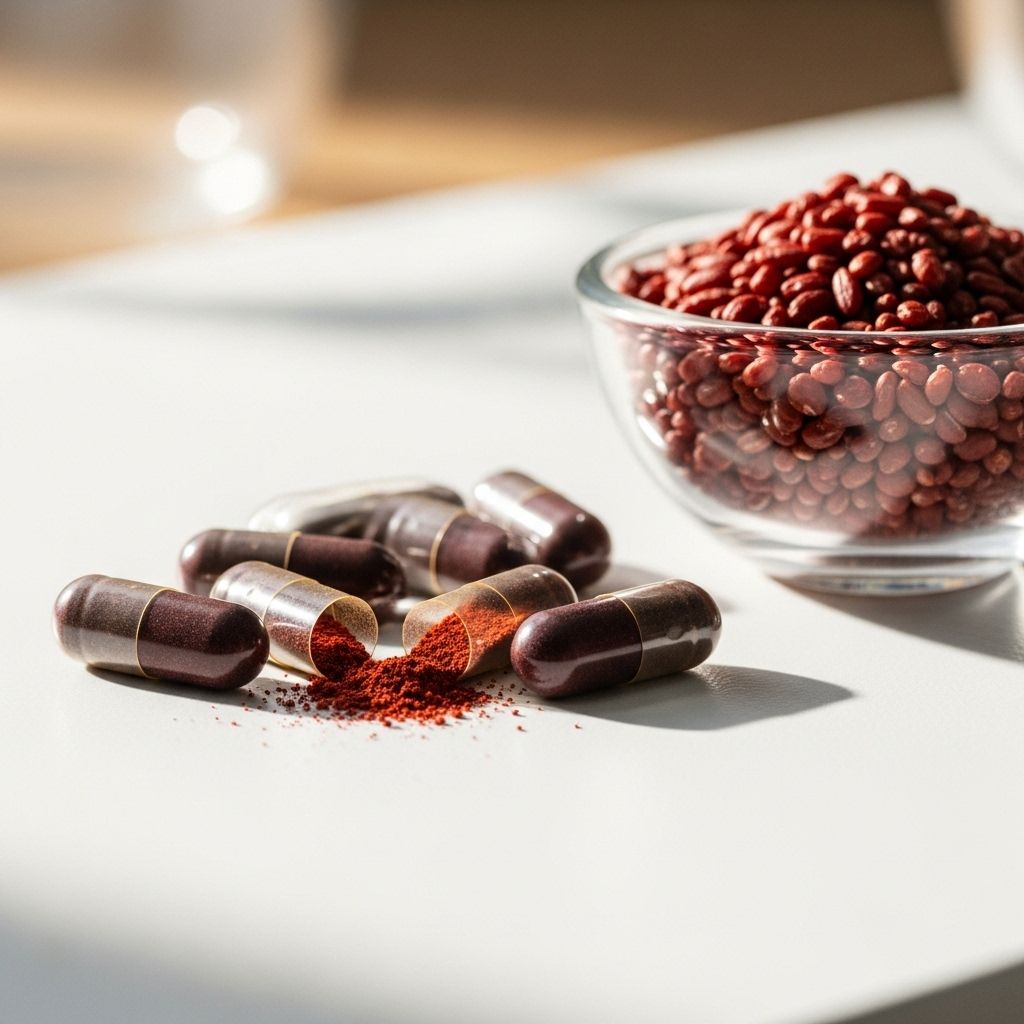
Red yeast rice is the product of fermenting white rice with the fungus Monascus purpureus. This vivid red fermentation product has been used for centuries in East Asian cuisine and as a staple in traditional Chinese medicine. Today, it’s widely available as an oral supplement, primarily for lowering cholesterol and supporting heart health.
This article explores what red yeast rice is, how it works, research behind its health effects, safety considerations, possible interactions with medications, and key points to consider before using it. The goal is to help you make informed, safe decisions regarding its supplement use.
What Is Red Yeast Rice?
Red yeast rice (RYR) develops when rice is inoculated and fermented by the Monascus purpureus mold. The process produces compounds called monacolins, most notably monacolin K. This substance is chemically identical to lovastatin, an FDA-approved statin medication prescribed for lowering cholesterol .
In addition to use as a coloring agent and flavor enhancer in East Asian dishes, red yeast rice has a long history in traditional Chinese medicine for improving blood circulation and digestive health. More recently, it’s marketed globally as a “natural” alternative to pharmaceutical statins for cholesterol management .
- Traditional use: Food preservative, colorant, and tonic in East Asia
- Main active ingredient: Monacolin K (chemically identical to lovastatin)
- Forms: Powdered, capsule, and tablet supplements
How Does Red Yeast Rice Work?
The cholesterol-lowering effects of red yeast rice are attributed primarily to its content of monacolin K. This compound works by blocking an enzyme necessary for making cholesterol in the liver, resulting in lower total and LDL (“bad”) cholesterol levels .
- Monacolin K: Inhibits HMG-CoA reductase, the rate-limiting enzyme in cholesterol biosynthesis (the same mechanism as statin drugs)
- Other compounds: Contains sterols, isoflavones, and monounsaturated fatty acids—these may contribute to lipid-lowering effects, but are less potent than monacolin K
What the Research Says
Red yeast rice supplements containing significant amounts of monacolin K have been shown in clinical studies to:
- Lower total cholesterol and LDL cholesterol (the “bad” cholesterol associated with heart disease risk)
- Potentially lower triglycerides, although effects are less consistent
- Potentially raise HDL (“good”) cholesterol, though evidence is limited
Some key points on research findings:
- Most benefits are due to monacolin K, the same compound in prescription lovastatin.
- Some supplements have very little or no monacolin K due to manufacturing differences or regulatory pressures.
- Ideally, only supplements rigorously tested for content—and free from harmful contaminants—should be considered.
Uncertainties in Supplement Potency
Unlike prescription statins, red yeast rice supplements are not required to have standard concentrations of monacolin K. Studies have found that the actual content of this compound in supplements varies greatly—even products from the same batch can differ .
This lack of consistency means:
- You may not get a predictable cholesterol-lowering effect from the product you choose.
- There is limited assurance of safety and effectiveness across brands and batches .
The U.S. Food and Drug Administration (FDA) has acted to withdraw some red yeast rice products containing high levels of monacolin K from the market, arguing that these are unapproved drugs rather than dietary supplements . However, products of varying potency remain available in the market, sometimes imported or purchased online.
Red Yeast Rice vs. Prescription Statins
| Red Yeast Rice | Prescription Statins (e.g., Lovastatin) |
|---|---|
| Natural product Potency variable Available OTC Active compound: monacolin K | Synthetic drug Standardized dose and efficacy Prescription only Active compound: lovastatin (identical to monacolin K) |
| Lack of quality control Potential contamination (citrinin, etc.) | Strict quality and safety standards enforced Reliable active ingredient content |
| Risk of statin-like side effects | Well-defined side effect profile |
Safety and Side Effects
Red yeast rice is generally considered safe when used appropriately, but it carries many of the same risks as prescription statins because of its monacolin K content .
Common Side Effects
- Stomach pain
- Heartburn
- Gas
- Headache
- Dizziness
- Upset stomach
Serious Side Effects
- Liver damage: Elevated liver enzymes or hepatitis, especially with higher doses or existing liver disease
- Muscle problems: Myopathy (muscle pain/weakness), and rarely rhabdomyolysis (dangerous muscle breakdown)
- Kidney issues: Mainly as a consequence of severe muscle breakdown
If you experience unexplained muscle pain, weakness, or dark urine while taking red yeast rice, seek medical attention promptly.
Citrinin Contamination
Some red yeast rice products have been found to contain citrinin, a toxin formed by certain molds during fermentation that can cause kidney damage. A large analysis found that most red yeast rice supplements on the market did not have unsafe citrinin levels, but quality is not guaranteed .
- If using a supplement, choose one that tests for and is labeled free of citrinin contamination.
Who Should Avoid Red Yeast Rice?
- Pregnant or breastfeeding individuals: May pose risk to the fetus or infant .
- Individuals with liver or kidney disease
- Anyone with a history of statin intolerance or allergy
Interactions With Other Substances
Several medications, supplements, and foods may interact with red yeast rice, increasing the risk of harm. Always consult your healthcare provider before adding red yeast rice to your regimen, especially if you use other medicines that affect the liver, muscles, or cholesterol metabolism .
- Alcohol: Increases risk of liver damage when combined with red yeast rice.
- Cyclosporine (Neoral, Sandimmune): Raises the risk of muscle disorders (myopathy).
- Cytochrome P450 3A4 inhibitors (e.g., erythromycin): May increase blood levels of monacolin K, raising the risk of side effects.
- Grapefruit and grapefruit juice: Can raise blood concentrations of monacolin K, increasing side effect risk.
- Gemfibrozil (Lopid): This cholesterol-lowering drug increases risk of muscle problems when taken with red yeast rice.
- Hepatotoxic (liver-damaging) medicines, herbs, or supplements: Increase risk of liver damage when combined.
- Niacin (high doses): May raise the risk of muscle injury when used with red yeast rice.
- St. John’s wort: May decrease efficacy of red yeast rice.
- Other statin drugs: Combine effects and side effect risks; avoid dual use.
How to Choose and Use Red Yeast Rice Supplements
Because of regulatory and quality control issues, it’s critical to select red yeast rice supplements carefully:
- Look for products that state their content of monacolin K (some avoid or minimize it; others have unknown levels).
- Choose brands that test for citrinin and other contaminants.
- Consult with a healthcare provider before starting, especially if you take other medications or have medical conditions.
Frequently Asked Questions (FAQs)
Q: What is red yeast rice most commonly used for?
A: Red yeast rice is primarily used as a dietary supplement to lower cholesterol levels and support heart health due to its content of monacolin K, which acts like statin medications.
Q: Is red yeast rice safer than statins?
A: Not necessarily. Because the main active ingredient, monacolin K, is chemically identical to lovastatin, red yeast rice can have the same side effects and risks as prescription statins, including liver and muscle damage.
Q: What are the main risks of taking red yeast rice supplements?
A: Side effects can include digestive issues, liver damage, muscle pain or weakness, and potential exposure to toxins like citrinin if the product is not tested. Individuals with liver, kidney, or muscle disorders should avoid it.
Q: Do all red yeast rice products lower cholesterol?
A: No. The cholesterol-lowering effect depends on the amount of monacolin K present in the product, which can vary widely. Some supplements may contain negligible amounts and offer no benefit.
Q: Who should avoid red yeast rice?
A: Pregnant or breastfeeding individuals, people with liver or kidney problems, and anyone taking statin drugs or drugs that interact adversely with monacolin K should avoid red yeast rice.
Summary and Takeaway Points
- Red yeast rice supplements can lower cholesterol but may carry the same risks as statins.
- The content of the active ingredient, monacolin K, is unpredictable across products.
- Serious side effects (muscle/liver/kidney issues) are possible and more likely with other medications or health problems.
- Supplements can be contaminated by citrinin, which is harmful to kidneys.
- Always consult your healthcare provider before using red yeast rice, especially if you are on other medicines or have chronic health conditions.
Similar Articles


Read full bio of Sneha Tete