Thyroidectomy: Understanding the Surgery, Preparation, and Recovery
Comprehensive guide to thyroidectomy: surgical options, preparation, risks, recovery expectations, and post-surgical care.
Thyroidectomy
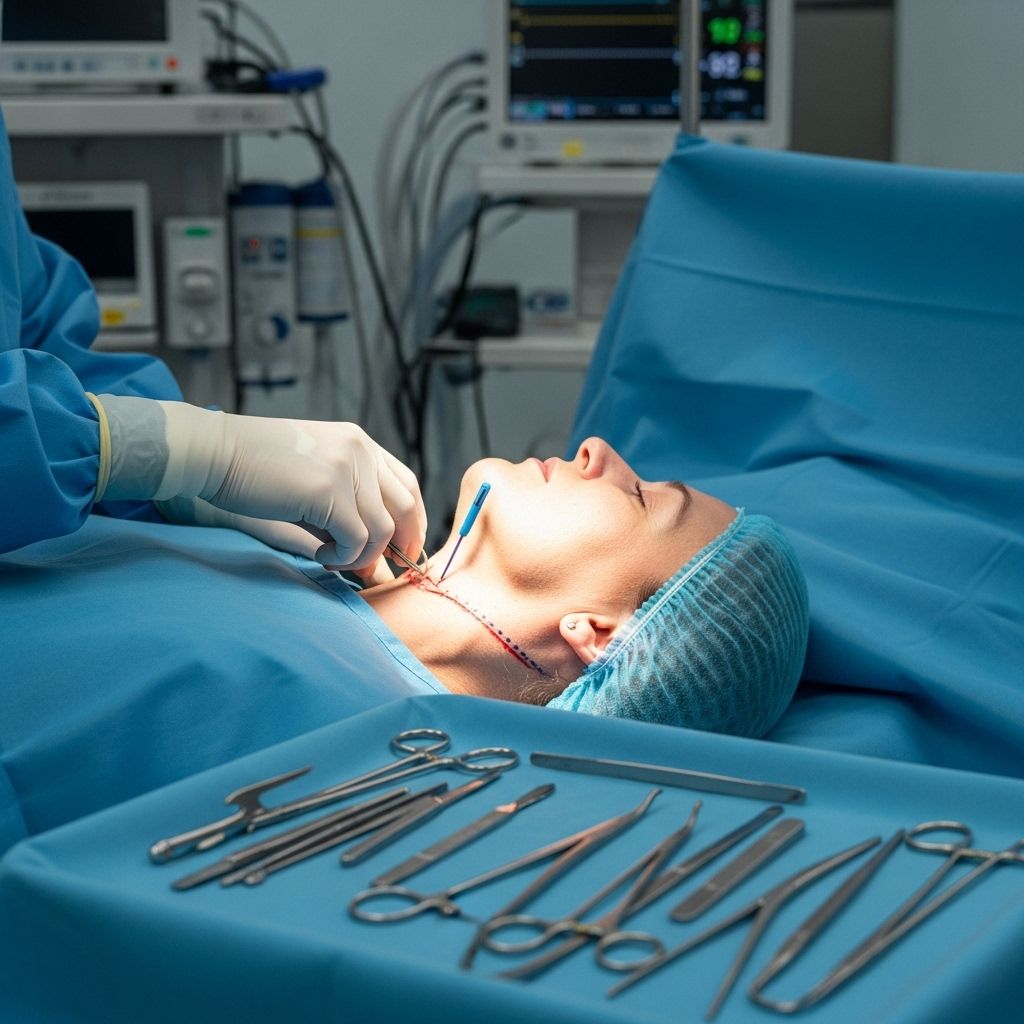
Thyroidectomy is the surgical removal of all or part of the thyroid gland, a butterfly-shaped organ located at the front of the neck. The thyroid plays a vital role in regulating metabolism, influencing everything from heart rate to calorie consumption. This procedure is performed to address various thyroid disorders, including cancer, goiter (enlarged thyroid), and hyperthyroidism (overactive thyroid). The extent of surgery—removal of part or all of the thyroid—depends on the underlying condition. Understanding the process, indications, preparation, risks, and recovery helps patients make informed decisions about their care.
Overview of the Thyroid Gland and Thyroidectomy
The thyroid gland is situated at the base of the neck and is responsible for producing hormones that govern metabolism, energy levels, heart function, and temperature regulation. Thyroidectomy is undertaken when thyroid function, structure, or associated tissues become compromised due to disease or abnormal growths.
- Partial Thyroidectomy: Only a section of the thyroid is removed. The remaining gland may continue to function normally.
- Total Thyroidectomy: The entire thyroid gland is removed, requiring lifelong thyroid hormone replacement therapy.
Why Thyroidectomy Is Done
There are several medical indications for performing a thyroidectomy:
- Thyroid Cancer: The most common reason for thyroidectomy. Removal of most or all of the thyroid is often necessary to treat cancer.
- Noncancerous Thyroid Enlargement (Goiter): A large goiter can cause discomfort, breathing or swallowing difficulties, or lead to an overactive thyroid. Surgery may be recommended if these issues occur.
- Hyperthyroidism: In cases where anti-thyroid medications or radioactive iodine therapy are ineffective or unsuitable, surgical removal of all or part of the gland may be considered.
- Suspicious or Indeterminate Thyroid Nodules: If needle biopsy results are inconclusive and malignancy risk is elevated, thyroidectomy may be advised.
Types of Thyroidectomy
The approach to thyroidectomy depends on the diagnosis, extent of disease, and patient-specific factors. Common techniques include:
- Conventional (Open) Thyroidectomy: The most widely used method, involving a horizontal incision low in the neck, strategically placed in a crease to minimize visible scarring. The surgeon gains direct access to the thyroid gland through this incision for removal and, if indicated, examination and excision of lymph nodes.
- Endoscopic Thyroidectomy: Involves several small incisions in the neck through which a thin camera (endoscope) and surgical instruments are inserted. The endoscope provides visual guidance, and this approach aims to reduce incision size, minimize tissue trauma, and hasten recovery.
- Transoral Thyroidectomy: A minimally invasive approach where the thyroid is accessed through an incision inside the mouth, leaving no visible neck scar. This specialized technique may not be suitable for all patients but offers cosmetic advantages.
Each approach has distinct advantages, risks, and suitability, and selection should be individualized based on medical advice.
What to Expect: Before, During, and After Thyroidectomy
Before the Procedure
Preparation for thyroidectomy is crucial to ensure patient safety and surgical success:
- General Anesthesia: The procedure is typically performed under general anesthesia; you will be asleep and pain-free during the operation. An anesthesiologist administers medication via inhalation or intravenous injection.
- Preoperative Assessments: Vital sign monitoring devices are attached before the procedure, including a blood pressure cuff and heart-monitoring leads. A breathing tube is placed in the trachea to maintain respiration while anesthetized.
- Pre-Surgical Instructions: Patients may be asked to fast for a certain period before surgery. Inform your healthcare provider about all medications, allergies, and existing medical conditions to minimize surgical risks.
During the Procedure
The surgical team aims to ensure the safest and most effective removal of thyroid tissue, with the following core steps:
- An incision is made—usually in a neck crease for cosmetic reasons.
- The surgeon removes all or part of the thyroid gland, depending on the reason for surgery.
- If cancer is the indication, surrounding lymph nodes may also be examined and removed.
- Special nerve monitors may be used to help avoid injury to the vocal cord nerves.
The entire procedure typically takes one to two hours, though this can vary with surgical complexity.
After the Procedure
Recovery after thyroidectomy involves several phases and considerations:
- Most patients experience mild discomfort, sore throat, or voice hoarseness immediately after surgery.
- Observation in the recovery room is standard until anesthesia wears off and vital signs stabilize.
- Monitoring focuses on signs of bleeding, infection, or changes in calcium levels, particularly if the parathyroid glands were affected.
- Pain is managed with oral or intravenous medications as needed.
- Most patients are discharged the same day or after an overnight stay, depending on surgery extent and individual factors.
- Instructions regarding activity restrictions and wound care are provided on discharge.
Risks and Complications of Thyroidectomy
Like any surgical procedure, thyroidectomy carries risks. Understanding potential complications supports informed consent and post-operative vigilance.
- Bleeding and Infection: Standard surgical risks that are minimized through sterile technique and perioperative care.
- Parathyroid Injury: Accidental removal or damage to the parathyroid glands—tiny glands that control blood calcium levels—can lead to hypocalcemia (low blood calcium). Signs include tingling or muscle cramps, and calcium supplementation may be needed.
- Vocal Cord Nerve Injury: The nerves controlling vocal cords pass near the thyroid. Injury may cause hoarseness, voice changes, or, in rare cases, breathing difficulties. Most nerve injuries are temporary, but some may be permanent.
- Scar Formation: Most incisions heal with minimal visible scarring, but hypertrophic or keloid scars are possible.
- Airway Compromise: Extremely rare but possible if there is post-operative bleeding or swelling.
Recovery and Postoperative Care
Recovering from thyroidectomy is generally swift for most patients, though individual experience varies.
- Hospital Stay: Many patients return home the same day, though some require overnight monitoring if there are complicating factors.
- Physical Recovery: Most recover within 10 to 14 days, with gradual improvements in energy and swallowing. Patients are typically advised to avoid strenuous activities for several weeks.
- Thyroid Hormone Replacement: If all or most of the thyroid is removed, lifelong daily thyroid hormone therapy is necessary to substitute the natural hormone production.
- Follow-Up: Postoperative appointments ensure proper healing and adjustment of hormone dosage as needed. Blood tests may be used to monitor hormone levels and detect disease recurrence (for cancer cases).
- Tests may include measurements of thyroglobulin (reflecting normal or cancerous thyroid tissue), calcitonin, or carcinoembryonic antigen, especially in patients with a cancer diagnosis.
- Voice and Calcium Monitoring: Hoarseness or calcium disturbances are usually transient, but persistent issues should be promptly addressed with your medical team.
Alternatives and Additional Treatments
Thyroidectomy is not always the first or only treatment for thyroid conditions:
- Medications: Anti-thyroid drugs are often recommended for hyperthyroidism, and thyroid hormone suppression therapy is sometimes used for goiters and nodules.
- Radioactive Iodine Therapy: Used primarily for hyperthyroidism and some forms of thyroid cancer, though not suitable for everyone.
- Active Surveillance: For certain small, low-risk thyroid nodules, careful observation may be an option instead of immediate surgery.
The choice among these approaches depends on the specific diagnosis, patient health, and treatment preferences.
Potential Results and Long-Term Outlook
The health outcomes of thyroidectomy depend on the underlying disease and the extent of surgery. Many patients resume normal activities shortly after recovery, especially when hormone levels are well managed. For cancer patients, ongoing surveillance is essential to detect any recurrence. Most benign conditions have excellent long-term outcomes after surgery, with symptom relief and minimal disruption to quality of life.
Frequently Asked Questions (FAQs)
Q: What are the symptoms that might suggest I need a thyroidectomy?
A: Symptoms prompting evaluation may include a lump in the neck, difficulty swallowing or breathing, persistent hoarseness, rapid or irregular heartbeat, unexplained weight changes, or a diagnosed thyroid nodule or mass.
Q: How long is the recovery period after thyroidectomy?
A: Most individuals recover within 10 to 14 days, resuming many activities. Some may need to avoid heavy lifting or strenuous exercise for a few additional weeks depending on surgical recommendations.
Q: Will I need medication after my thyroid is removed?
A: Yes, patients who have their entire thyroid or a significant portion removed will require daily thyroid hormone replacement therapy to maintain normal metabolism and prevent symptoms of hypothyroidism.
Q: Are there visible scars after a thyroidectomy?
A: Incisions are typically placed in low neck creases to reduce visibility. Over time, scars tend to fade, but keloid or noticeable scars can develop in some individuals. Discuss scar management options with your surgeon.
Q: What are the signs of complications I should watch for after surgery?
A: Persistent hoarseness, severe calcium disturbance symptoms (numbness, tingling), swelling or redness at the incision, abnormal bleeding, or difficulty breathing should be reported to your medical team without delay.
Summary Table: Types of Thyroidectomy Approaches
| Approach | Incision Location | Key Features |
|---|---|---|
| Conventional | Low neck crease | Direct access, most common, candidates for most patients |
| Endoscopic | Small neck incisions | Minimally invasive, uses camera, smaller scars |
| Transoral | Inside the mouth | Hidden scars, cosmetic advantage, not suitable for all |
Key Points to Remember
- Thyroidectomy is a safe and commonly performed surgery for various thyroid disorders, including cancer, goiter, and hyperthyroidism.
- The approach and extent of surgery are tailored to your specific diagnosis and medical condition.
- Risks are generally low, but awareness of possible complications fosters proactive care and optimal recovery.
- Lifelong follow-up and medication may be necessary after complete removal of the thyroid gland.
Consult your healthcare provider for personalized information and guidance regarding thyroidectomy, including the risks, benefits, and alternative options for your individual circumstances.
Similar Articles




Read full bio of medha deb