Abdominal Aortic Aneurysm: Causes, Symptoms, Diagnosis, and Treatment
Learn about abdominal aortic aneurysm, including causes, risk factors, symptoms, screening, diagnosis, treatment, and prevention strategies.
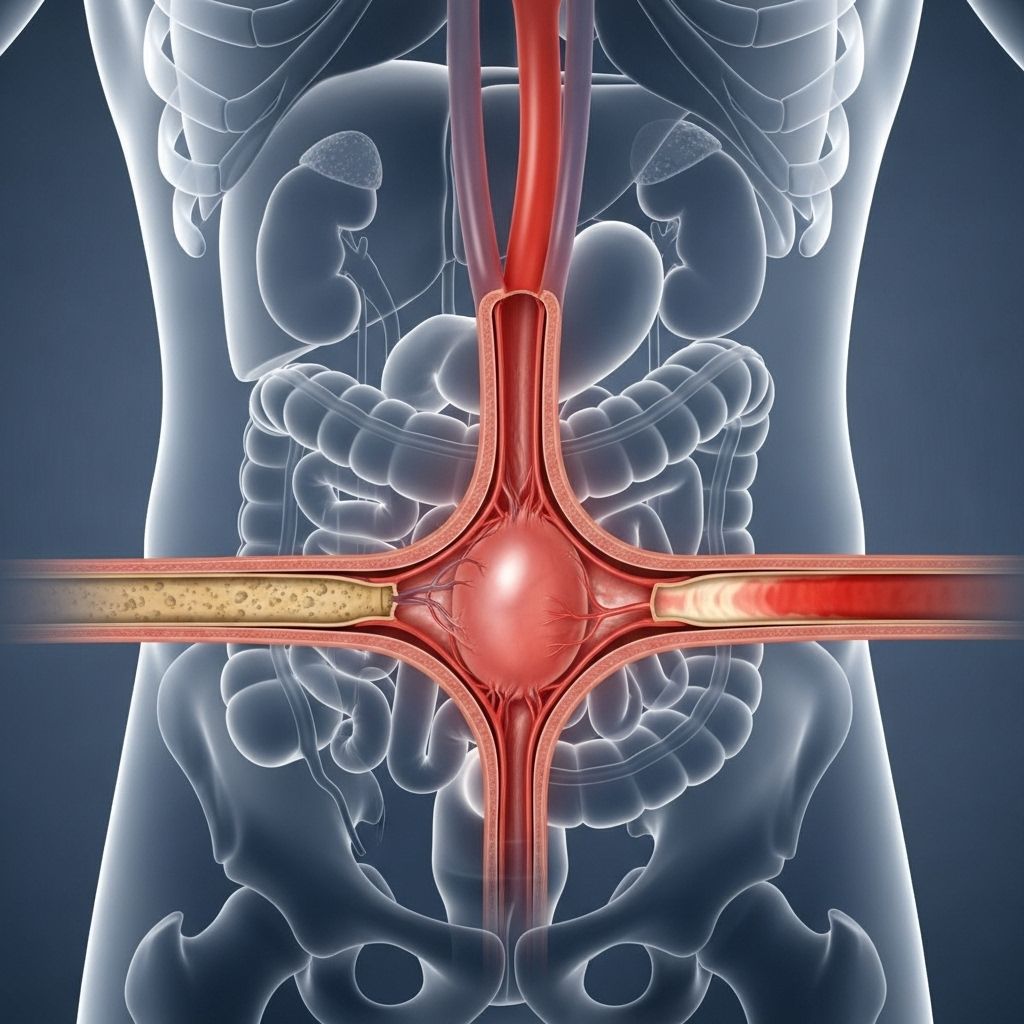
Abdominal Aortic Aneurysm (AAA)
An abdominal aortic aneurysm (AAA) occurs when a segment of the aorta, the main artery that supplies blood to the body, in the abdomen becomes abnormally large or balloons outward. This condition can be life-threatening if the aneurysm grows large enough to rupture, leading to potentially fatal internal bleeding. Understanding AAA is crucial for early detection, timely treatment, and better outcomes.
Definition
The abdominal aorta is the largest blood vessel in the abdomen, transporting oxygen-rich blood from the heart to the organs and tissues of the lower body. An abdominal aortic aneurysm is a bulging, weakened area in the wall of this artery. Over time, the constant pressure from blood flow can cause this area to enlarge, which increases the risk of rupture.
Alternative Names
- Aneurysm – abdominal aorta
- AAA
- Abdominal aneurysm
Causes
AAA develops because of a weakness in the wall of the abdominal aorta. Over time, this weakened area may stretch and expand. The exact cause is often not clear, but several contributing factors are recognized:
- Atherosclerosis – buildup of fatty deposits on the arterial wall leading to weakening and loss of elasticity.
- High blood pressure, increasing the force exerted against artery walls.
- Chronic inflammation within the aortic wall.
- Genetic conditions, such as Marfan syndrome and Ehlers-Danlos syndrome, that affect connective tissue strength.
- Injury or infection, though these are less common causes.
Most AAAs develop slowly over years and rarely present with symptoms until they are large or rupture.
Risk Factors
Certain factors increase the risk of developing an abdominal aortic aneurysm. These include:
- Age: Most common in individuals over age 65.
- Male gender: AAAs are more common in men than women.
- Smoking: Strongly associated with AAA development; the risk increases with the amount and duration of smoking.
- Family history: A parent or sibling with AAA significantly increases risk.
- High blood pressure (hypertension)
- High cholesterol or atherosclerosis
- History of other vascular aneurysms
Symptoms
AAA is often called a ‘silent killer’ because it usually does not produce symptoms until it becomes very large or ruptures. However, some individuals may notice:
- Pulsating sensation in the abdomen, usually near the navel
- Pain in the abdomen, side, or lower back – which may be constant or come and go
- Sudden severe pain in the back or abdomen, potentially indicating rupture
- Symptoms of shock (low blood pressure, rapid heartbeat, fainting) in the event of rupture
In many cases, AAAs are discovered incidentally during imaging tests for other reasons, as they frequently go unnoticed until they pose imminent danger.
Exams and Tests
Diagnosing an abdominal aortic aneurysm typically begins with a physical exam, during which a physician may feel a pulsating mass in the abdomen. However, imaging studies are crucial for confirmation, measurement, and monitoring. Common diagnostic tools include:
- Abdominal ultrasound: The primary and most commonly used non-invasive test to detect and measure AAA.
- Computed tomography (CT) scan: Provides detailed images of the aorta, valuable for planning treatment or surgery.
- Magnetic resonance imaging (MRI): Sometimes used to assess the aorta.
- Chest X-ray or abdominal X-rays: Occasionally reveal calcium buildup in the aortic wall, but are not diagnostic.
Routine screening using ultrasound is recommended for men over age 65 who have ever smoked, as they are at higher risk.
Treatment
Treatment for AAA depends on its size, growth rate, symptoms, and overall patient health. The primary goals are to prevent rupture and related complications. Interventions typically fall into the categories below:
Observation (Watchful Waiting)
- Small aneurysms (<4 cm) or those not growing quickly are often monitored regularly with ultrasound or CT scans to track changes in size.
- Lifestyle changes and managing risk factors (controlling blood pressure, cholesterol, smoking cessation) are emphasized.
- Scheduled imaging every 6 to 12 months is standard protocol to assess growth.
Surgery
Surgical intervention is considered when the AAA:
- Is larger than 5.5 cm in diameter
- Is rapidly growing (increase of more than 0.5 cm over six months)
- Is causing symptoms (tenderness, pain, or signs of impending rupture)
Two main surgical options are available:
- Open abdominal surgery: The surgeon replaces the affected part of the aorta with a synthetic graft through a large incision in the abdomen. This is a well-established procedure with a long track record, but it requires longer recovery.
- Endovascular aneurysm repair (EVAR): A less invasive technique in which a synthetic graft is inserted through small incisions in the groin and threaded to the aneurysm site using catheters. It is then expanded in place to reinforce the vessel wall.
Choice of procedure depends on aneurysm size and location, as well as the patient’s age, health, and anatomy. Not all patients are candidates for EVAR, and both treatments carry risks and benefits.
| Treatment Option | Advantages | Disadvantages |
|---|---|---|
| Open Abdominal Surgery | Proven durability, suitable for most types No need for long-term imaging follow-up (if successful) | Longer recovery Higher risk in frail/older patients |
| EVAR | Minimally invasive Shorter hospital stay and recovery | Ongoing imaging required Risk of complications such as endoleak |
Emergency Surgery
- If an AAA ruptures, immediate surgical intervention is required. The prognosis after rupture improves with prompt treatment, but mortality remains high.
- Emergency repairs may be performed by open surgery or EVAR, depending on the patient’s condition and the hospital’s resources.
Prognosis
The outlook for patients with AAA depends on several factors:
- Size and growth: Small, stable aneurysms have a lower rupture risk; large or rapidly growing aneurysms are dangerous.
- Successful surgery: Offers long-term survival for many; open and endovascular procedures both carry potential complications.
- Ruptured AAA: Fatal in most untreated cases; rapid treatment is essential. Even with urgent surgery, the survival rate is limited.
Possible Complications
- Rupture: Most serious and potentially fatal complication, leading to life-threatening internal bleeding.
- Blood clots: Can form in or around the aneurysm and may travel to other parts of the body, possibly causing blockages.
- Post-surgical risks: Infection, bleeding, kidney failure, heart attack, stroke, or problems related to the graft (especially endoleaks in EVAR patients).
When to Contact a Medical Professional
- If you have been diagnosed with AAA and develop new or worsening abdominal, back, or side pain.
- If you experience sudden, severe pain, dizziness, fainting, or any sign of shock—call emergency services immediately.
- For routine follow-up and monitoring if AAA is known but not scheduled for repair.
Prevention
- Do not smoke. Smoking cessation significantly reduces risk and slows aneurysm growth.
- Control high blood pressure with medication, diet, and exercise.
- Lower cholesterol through healthy eating and physical activity.
- Screening for AAA, especially in men age 65 and older who have ever smoked.
- Regular check-ups for heart health, and managing other vascular risk factors.
Frequently Asked Questions (FAQs)
Q: What causes an abdominal aortic aneurysm?
A: The primary cause is long-term weakening of the arterial wall due to atherosclerosis, aging, and associated risk factors like hypertension and smoking. Genetics and other conditions can also contribute.
Q: How is an AAA detected before it ruptures?
A: Most AAAs are detected through screenings or imaging tests done for other medical issues. Ultrasound is the preferred initial test for detecting AAA.
Q: Who is recommended to get AAA screening?
A: Current recommendations suggest one-time ultrasound screening for men aged 65 to 75 years who have ever smoked. Screening may also be considered for individuals with a family history of AAA or other risk factors.
Q: Can AAA be prevented?
A: While not all AAAs can be prevented, risk can be greatly reduced by not smoking, controlling blood pressure, maintaining healthy cholesterol, and leading an active lifestyle.
Q: What is an endoleak in EVAR and why is monitoring important?
A: An endoleak is when blood continues to flow into the aneurysm sac after EVAR, potentially increasing rupture risk. Lifelong imaging follow-up is recommended to detect and manage this complication.
Key Points to Remember
- Most AAAs do not cause symptoms and are detected incidentally or through screening.
- Early detection and monitoring are critical for effective management and prevention of rupture.
- Treatment options include watchful waiting, open surgery, and endovascular repair. The approach depends on aneurysm characteristics and patient health.
- Major complications, especially rupture, can be fatal without prompt treatment.
- Lifestyle modifications and routine screening for at-risk individuals are essential for prevention.
References and Further Reading
- Consult your healthcare provider for detailed and personalized information about AAA.
- American Heart Association and leading vascular surgery organizations provide resources on AAA diagnosis and management.
- Regular follow-up visits and imaging are necessary for anyone diagnosed with AAA, especially those who have undergone repair surgeries.
Similar Articles






Read full bio of medha deb