After Your Colonoscopy: Care, Recovery, and Next Steps
Comprehensive guidance for recovering after a colonoscopy, including key tips for safety, comfort, and knowing when to seek medical help.
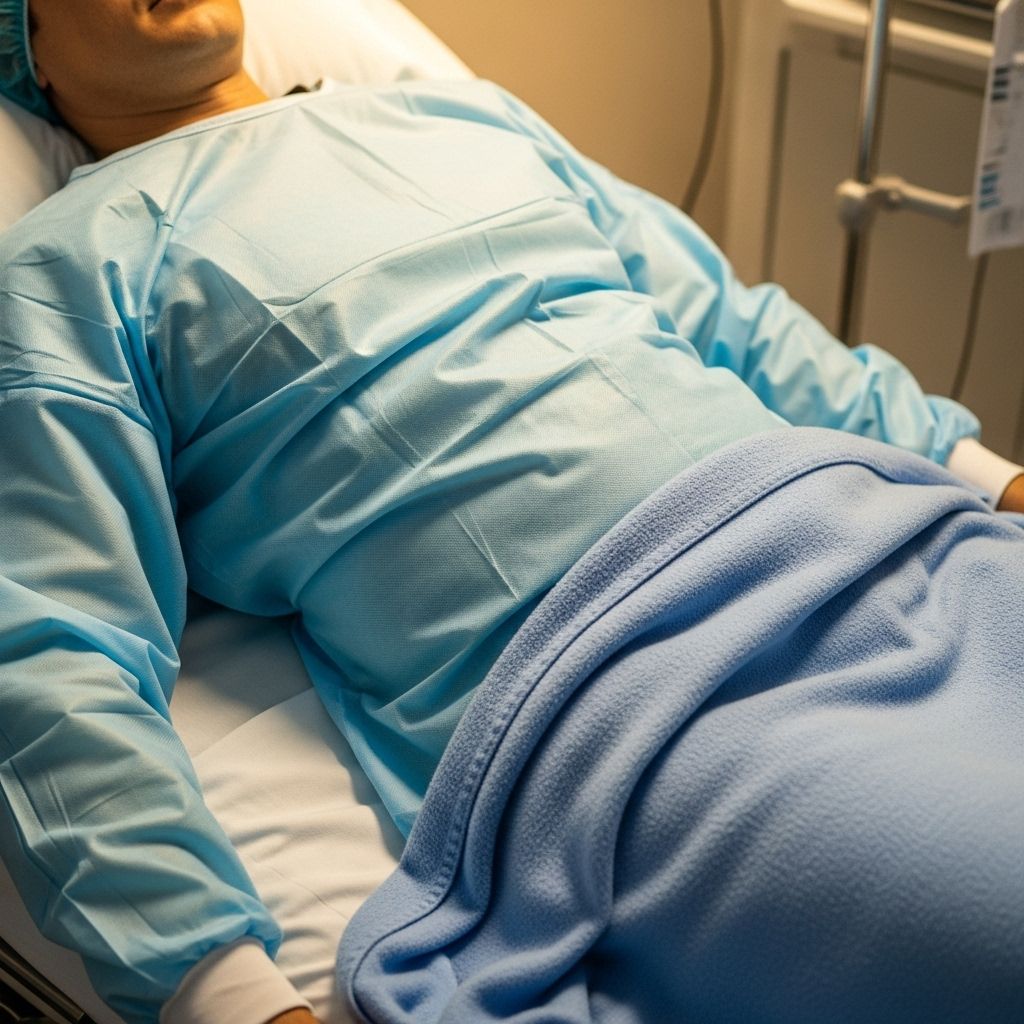
A colonoscopy is an essential procedure for examining the inner lining of the large intestine (colon) and rectum, commonly used for screening, diagnosis, and treatment of certain digestive conditions. While most people recover quickly, following the correct post-procedure steps is vital for your comfort, safety, and the best health outcomes. This guide outlines what to expect after your colonoscopy, how to care for yourself at home, and when you should consult your doctor.
What to Expect After a Colonoscopy
Understanding what is normal and what requires attention after your colonoscopy will help you recover safely and with confidence. Most patients experience some fleeting and minor discomforts, but serious complications are rare. Be prepared for the following common experiences:
- Feeling groggy or drowsy: Sedation is typically used during the procedure, so you will likely be tired or less alert for several hours after the exam.
- Gas, bloating, or mild cramping: Air is introduced into the colon during the procedure, causing temporary bloating or minor abdominal discomfort.
- Passing gas: This is normal and is encouraged; it helps relieve abdominal pressure and discomfort.
- Small amount of rectal bleeding: Especially common if a biopsy was performed or a polyp was removed; spotting or a small amount of blood is usually not serious. However, significant or persistent bleeding should be reported to your doctor.
- No memory of the procedure: Because of the sedatives used, you may not remember the colonoscopy itself.
Side effects typically resolve within several hours. Most people are able to return to their normal activities by the following day.
Recovery Timeline: What to Do After the Procedure
After your colonoscopy, your recovery begins in the procedure area and continues at home. The following steps provide a structured plan for safe and comfortable recuperation:
Immediately After the Colonoscopy
- Rest in the recovery area: You will be monitored for 30 minutes to an hour until the effects of the sedative begin to wear off.
- Eat and drink only as instructed: Some people may be given a light snack or drink. Follow the advice of the medical team.
- Get assistance: You are not allowed to drive, operate machinery, or make important decisions for at least 24 hours after sedation. Arrange for a responsible adult to take you home and stay with you for the rest of the day.
At Home: The First 24 Hours
- Rest: Plan to take it easy for the remainder of the day. Most people feel tired or mildly unsteady due to the lingering effects of sedatives.
- Resume a normal diet as tolerated: You can usually start eating and drinking as soon as you feel able. Begin with light meals and gradually return to your regular diet unless your doctor advises otherwise.
- Drink plenty of fluids: Replenishing fluids is important, especially if you avoided food or beverages during bowel prep.
- Avoid alcohol or recreational drugs: Do not consume alcohol, drive, operate machinery, or sign legal documents for at least 24 hours due to sedative effects.
- Watch for side effects: Mild cramps, bloating, or a sensation of fullness are normal and should dissipate quickly as you pass gas.
If a polyp was removed or a biopsy taken, your healthcare provider may give you additional specific instructions, such as avoiding strenuous activities or heavy lifting for a short period.
Diet and Eating After Colonoscopy
Most patients can resume eating soon after a colonoscopy. Your digestive tract may feel sensitive, so consider these dietary tips for a quick and comfortable recovery:
- Start with clear liquids or light foods: Water, juice, herbal tea, clear broths, and gelatin are excellent first choices. Progress to crackers, toast, rice, bananas, or yogurt.
- Advance your diet slowly: If you feel well and have no digestive upset, you can return to your usual meals within 12–24 hours.
- Avoid heavy, fatty, or spicy foods: These may irritate your stomach initially.
- Continue hydration: Drink ample fluids until your urine is light colored.
If your healthcare provider gave you particular dietary instructions because of a polyp removal, biopsy, or other reason, follow those recommendations.
When to Resume Normal Activities
When you can return to your ordinary routine depends on your procedure and personal recovery:
- Driving: Do not drive for at least 24 hours after sedation. Arrange transportation in advance.
- Work: Most people can return to work the following day unless their job is physically demanding or their doctor gives other advice.
- Exercise: Light activity such as walking is fine, but avoid strenuous exercise, heavy lifting, or contact sports for at least 24 hours, or longer if instructed.
- Showering or bathing: You may bathe or shower the same day unless advised otherwise.
If at any time you feel unusually tired, dizzy, or otherwise unwell, continue resting and contact your provider if symptoms persist.
Managing Possible Side Effects
Most people experience few or no side effects after a colonoscopy. When they do occur, they are usually minor and short-lived. The following table provides common symptoms and suggested management strategies:
| Symptom | What to Do |
|---|---|
| Gas, bloating, discomfort | Walk, change positions, and pass gas freely. Most discomfort resolves within hours. |
| Mild cramping | Rest, use a warm compress on your abdomen if desired; symptoms should subside quickly. |
| Small amount of bleeding | Monitor the amount. A small amount of blood or spotting may occur, especially after polyp removal. Contact your doctor if bleeding is heavy or persistent. |
| Nausea or lightheadedness | Rest and hydrate. Avoid sudden movements. If severe or prolonged, contact your healthcare team. |
When to Call Your Doctor
While complications are rare, you should be aware of warning signs that require prompt medical attention. Contact your healthcare provider or seek emergency care if you experience:
- Severe or worsening abdominal pain: Mild cramping is normal, but severe, persistent or worsening pain should be evaluated.
- Heavy rectal bleeding: More than a few drops of blood, or persistent bleeding, especially if accompanied by clots.
- Fever or chills: Body temperature over 100.4°F (38°C) may signal infection.
- Vomiting: Especially with an inability to keep fluids down.
- Dizziness or fainting: If you feel unusually weak or dizzy and symptoms don’t improve with rest and fluids.
- Shortness of breath or chest pain: These symptoms require immediate attention.
Promptly reporting these symptoms can help prevent serious complications, such as infection or perforation, which are very rare but require immediate treatment.
Understanding Your Colonoscopy Results
Before you leave, ask your doctor when and how you will receive the results of your colonoscopy, including any biopsies or tests done during the procedure. Here’s what you might expect:
- Initial findings: Your provider may briefly discuss what was observed before you leave, but you might be too sleepy to remember details accurately.
- Pathology results: If polyps or suspicious areas were biopsied, laboratory results may take several days to process. Your doctor’s office will typically call you or schedule a follow-up visit to discuss these findings.
- Clear instructions: Be sure you leave with written instructions about what to do (or not do) at home, as well as information about when and how to expect your results.
If you have not heard from your provider within the expected time frame, contact the office for your results.
Tips for a Smooth Recovery
- Keep a responsible adult with you for the remainder of the day after the procedure.
- Rest, and resume activities at your own pace.
- Follow all specific instructions from your care team, especially if you had a polyp removed or biopsy done.
- Write down any questions about your results or recovery to discuss with your provider during a follow-up call or appointment.
- Avoid alcohol, sedatives, and driving for at least 24 hours after your procedure.
- Do not hesitate to reach out to your healthcare provider with any unusual symptoms.
Frequently Asked Questions (FAQs)
Q: How long will it take to feel normal after a colonoscopy?
A: Most people feel back to normal by the following day. Mild gas, bloating, or cramping may persist for a few hours after the procedure.
Q: Is bleeding normal after a colonoscopy?
A: Passing a small amount of blood, especially after a biopsy or polyp removal, is common. Contact your provider if bleeding is heavy, persistent, or accompanied by clots.
Q: When can I eat after my colonoscopy?
A: You may resume eating as soon as you feel able, often within a few hours of the procedure. Start with light foods and gradually return to your normal diet.
Q: Can I go back to work the day after my colonoscopy?
A: Most people can resume work and light activities the next day. Heavy lifting or strenuous exercise may need to be delayed if directed by your provider.
Q: What signs should alert me to call my doctor?
A: Contact your provider immediately for severe pain, heavy bleeding, high fever, vomiting, shortness of breath, or dizziness that does not go away with rest.
Key Takeaways
- Arrange for a responsible adult to take you home and stay with you after your colonoscopy.
- Plan to rest for the remainder of the day and avoid important decisions or driving.
- Resume your normal diet and activities gradually, as tolerated.
- Be aware of warning signs that require medical attention, such as repeated vomiting, heavy bleeding, or worsening abdominal pain.
- Contact your provider with any concerns about your recovery or questions about your results.
Following these instructions carefully will help ensure a smooth, uncomplicated recovery after your colonoscopy and help you return to your regular activities quickly and safely.
Similar Articles





Read full bio of Sneha Tete