Angina: Causes, Symptoms, Diagnosis, and Management
Comprehensive guide to recognizing, preventing, and managing angina and its risks.
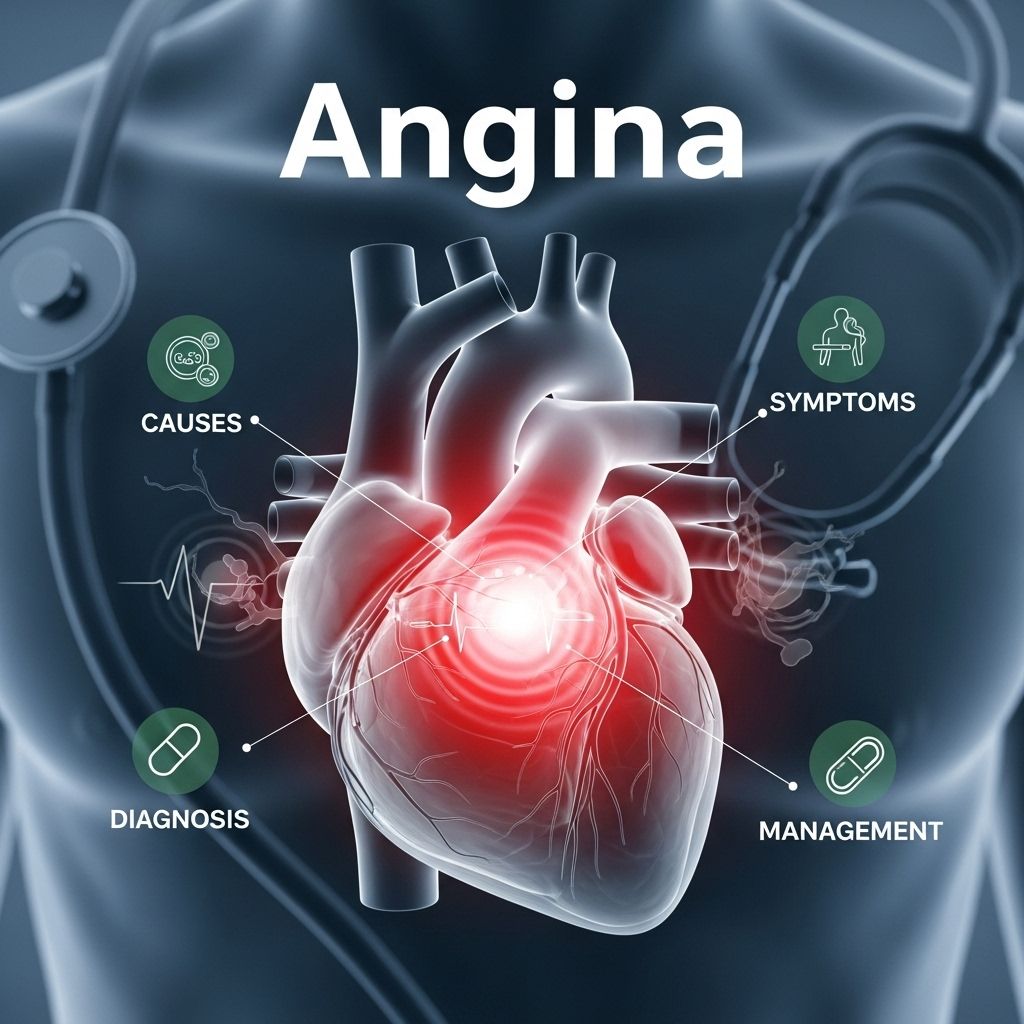
Angina is a common heart-related condition characterized by chest pain or discomfort due to reduced blood flow to the heart muscle. It is often a warning sign of underlying heart disease and requires careful attention, diagnosis, and management. This article provides an in-depth overview of angina, including its types, causes, associated risk factors, symptoms, treatment options, and preventive measures.
What Is Angina?
Angina, also known as angina pectoris, is the medical term for chest pain or discomfort that usually occurs when the heart muscle does not receive enough oxygen-rich blood. It is a symptom, not a disease itself, most often caused by coronary artery disease (CAD) which narrows or blocks the arteries supplying the heart.
The discomfort can also radiate to the arms, shoulders, neck, back, or jaw and may feel like pressure, squeezing, fullness, or pain. Some people may describe it as a burning sensation or indigestion-like feeling.
Types of Angina
There are several different types of angina, each with distinct features and implications for treatment and prognosis:
- Stable Angina: The most common form. Occurs with predictable physical exertion or emotional stress and typically subsides with rest or medication.
- Unstable Angina: More serious and unpredictable. May occur at rest, with minimal exertion, or with increasing frequency and severity. It is a medical emergency since it can precede a heart attack.
- Variant (Prinzmetal or Vasospastic) Angina: Caused by a temporary spasm in the coronary arteries. Can occur at rest, mostly at night or early morning, and may not be associated with underlying CAD.
Causes of Angina
The primary cause of angina is coronary artery disease, a condition in which fatty deposits (plaques) build up on the walls of the coronary arteries, narrowing them and reducing blood flow to the heart. However, there are other less common causes:
- Coronary artery spasm (as in variant angina).
- Microvascular dysfunction (problems in small coronary arteries).
- Clot formation or sudden blockages.
Risk Factors for Angina and Coronary Artery Disease
- Age (greater risk as you get older, especially above 60).
- Family history of heart disease.
- High blood pressure (hypertension).
- High LDL cholesterol or low HDL cholesterol.
- Smoking and tobacco use.
- Diabetes.
- Obesity and being overweight.
- Physical inactivity.
- High stress or emotional distress.
- Certain medications and illicit drug use (e.g., cocaine).
- Other conditions (chronic kidney disease, peripheral artery disease, prior stroke).
Symptoms of Angina
Angina commonly presents with:
- Chest pain or discomfort: pressure, heaviness, squeezing, or burning sensation, usually behind the breastbone.
- Pain spreading to the arms (often the left), shoulders, neck, jaw, or back.
- Shortness of breath.
- Nausea or feeling sick to the stomach.
- Sweating, clammy skin.
- Fatigue and weakness.
- Dizziness or lightheadedness.
Symptoms can vary. Some people may experience a sensation similar to indigestion, while others may feel breathless or weak even without classic angina pain (these are known as “anginal equivalents”).
How Is Angina Diagnosed?
A healthcare provider will usually follow a stepwise approach to diagnose angina and determine its severity:
- Medical history and symptom review: Discussion of symptoms, triggers, risk factors, family history.
- Physical examination.
- Diagnostic tests as indicated, including:
- Electrocardiogram (ECG or EKG): Detects heart rhythm and prior damage.
- Blood tests: Rule out heart muscle damage or evaluate cholesterol and enzyme levels.
- Chest X-ray: Checks for other causes of symptoms.
- Exercise stress test: Monitors heart response to exercise.
- Echocardiogram: Ultrasound imaging to visualize the heart in motion.
- Coronary angiography (angiogram): Gold standard for identifying blockages.
Treatment and Management of Angina
Managing angina is crucial to improve quality of life and reduce the risk of heart attack or sudden cardiac death. Treatment typically involves a combination of immediate symptom relief, long-term management, and risk reduction.
Immediate Steps During an Angina Attack
If you experience angina symptoms:
- Stop any physical activity and rest immediately.
- Take prescribed angina medication (usually a nitroglycerin spray or tablet under the tongue).
- If symptoms persist after 5 minutes, take a second dose and alert someone nearby.
- If there is no improvement after a third dose (10 minutes total), or symptoms worsen, seek emergency medical help.
Long-Term Angina Management
- Medications:
- Nitrates (short- and long-acting): Relax and widen blood vessels, improving blood flow.
- Beta blockers: Lower heart rate and workload.
- Calcium channel blockers: Relax blood vessels, reduce heart workload.
- Antiplatelet agents (e.g., aspirin): Prevent blood clots.
- Statins: Lower cholesterol and stabilize artery plaques.
- Ranolazine and other antianginal drugs: Used if other medications don’t control symptoms.
- Lifestyle changes:
- Quit smoking and avoid tobacco products.
- Adopt a heart-healthy diet (low in saturated fat, high in fiber and vegetables).
- Increase physical activity as recommended by your doctor.
- Manage weight and aim for a healthy BMI.
- Monitor blood pressure and cholesterol regularly.
- Reduce stress through relaxation techniques, counseling, or support groups.
- Medical procedures:
- Coronary angioplasty and stenting: Opens narrowed arteries using a balloon and places a stent to keep them open.
- Coronary artery bypass surgery (CABG): Creates alternate routes for blood to reach areas beyond blockages.
- Cardiac rehabilitation: Structured programs including exercise, education, and counseling to support recovery and cardiovascular health.
Preventing Angina and Reducing Complications
Many cases of angina and its complications can be reduced or prevented by targeting modifiable risk factors:
- Avoid tobacco and secondhand smoke.
- Eat a balanced diet rich in fruits, vegetables, whole grains, and lean protein.
- Exercise regularly (after discussing safe levels with healthcare provider).
- Control chronic conditions like diabetes, hypertension, and high cholesterol.
- Maintain a healthy body weight.
- Manage stress and seek support for mental health as needed.
Regular checkups and adherence to prescribed medications are key for long-term control. People with angina should have a personalized action plan in collaboration with their healthcare provider.
Treating Special Types of Angina
| Type | Main Features | Treatment/Considerations |
| Stable Angina | Predictable, triggered by exertion, relieved by rest or nitroglycerin. | Lifestyle modification, medication, monitor for changes or worsening. |
| Unstable Angina | Unpredictable, can occur at rest, longer duration, new/worsening symptoms. | Immediate medical attention, may need hospitalization, intensive therapy. |
| Variant (Prinzmetal) Angina | Spasms of coronary arteries, usually at rest, can occur in young individuals with few risk factors. | Medication to relieve artery spasms (e.g., calcium channel blockers), avoid triggers, manage underlying conditions. |
| Microvascular Angina | Due to dysfunction of small coronary arteries, can cause chest pain without major artery blockages. | Lifestyle changes, medications, assess for co-existing conditions. |
Living with Angina: Practical Tips
- Keep your prescribed medication with you at all times.
- Wear a medical alert bracelet if advised.
- Recognize triggers (exertion, cold weather, stress) and plan accordingly.
- Communicate with your healthcare provider about symptom changes or side effects.
- Stay involved in regular follow-up care and recommended testing.
- Discuss travel, sexual activity, or returning to work as needed.
Support groups, cardiac rehabilitation programs, and counseling can help cope emotionally and physically with a diagnosis of angina and heart disease.
Frequently Asked Questions (FAQs)
Q: What should I do if I suspect I’m having angina for the first time?
A: Stop what you are doing and rest. If the discomfort persists, seek emergency medical care immediately. Never ignore new, unexplained chest pain.
Q: How is angina different from a heart attack?
A: Angina is temporary chest pain caused by reduced blood flow; it usually resolves with rest or medication. A heart attack results from prolonged lack of blood flow causing heart muscle damage. Unstable angina may precede a heart attack and is a medical emergency.
Q: Is all chest pain related to angina?
A: No, chest pain may have other causes (musculoskeletal, digestive, anxiety, or lung-related). However, new, severe, or persistent chest pain should always be evaluated by a healthcare professional immediately.
Q: Can angina be cured?
A: While underlying coronary artery disease cannot always be reversed, angina symptoms and risks can be significantly managed with a combination of medication, lifestyle changes, and—when needed—medical procedures.
Q: What lifestyle changes are most important for someone with angina?
A: Stop smoking, maintain a healthy diet, exercise as guided by your healthcare provider, keep blood pressure and cholesterol under control, and manage stress.
Resources and Further Reading
- American Heart Association: Angina and Chest Pain
- MedlinePlus: Angina
- National Heart, Lung, and Blood Institute: Coronary Heart Disease
This guide is for educational purposes only. Please consult your healthcare provider for personal advice and treatment options specific to your condition.
Similar Articles




Read full bio of Sneha Tete