Asbestosis: Causes, Symptoms, Diagnosis and Treatment
A complete guide to understanding asbestosis—its symptoms, causes, diagnosis, treatment, and support for living with the condition.
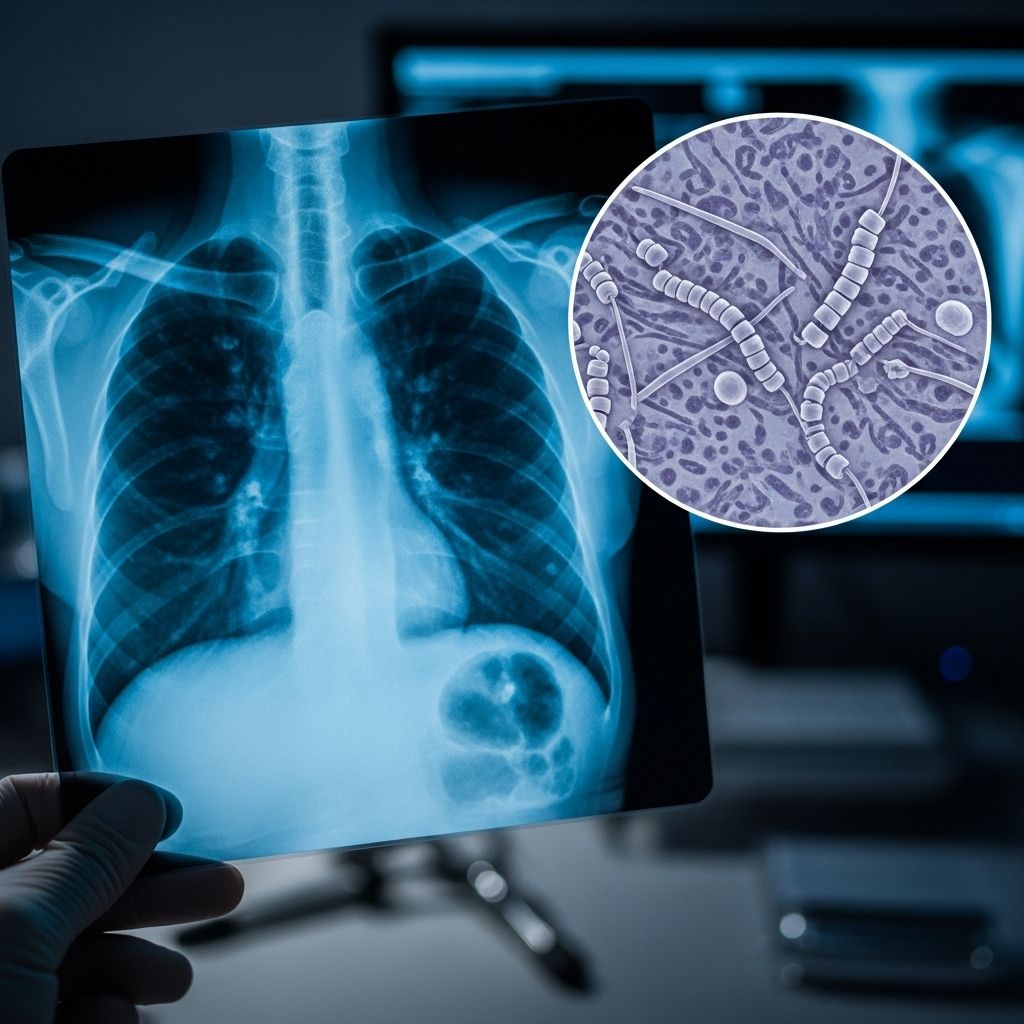
Asbestosis Overview
Asbestosis is a rare but serious lung condition resulting from inhaling asbestos fibers, commonly affecting people who worked with asbestos-containing materials from the 1950s to the 1990s. This chronic disease leads to progressive scarring (fibrosis) of the lung tissue, compromising lung function and quality of life. There is no cure, but treatments can help relieve symptoms and slow progression.
What is Asbestos?
Asbestos is a naturally occurring mineral that was widely used due to its heat resistance and durability, especially in building materials, insulation, cement, roofing, and tiles from the mid-20th century. When asbestos-containing materials are disturbed, tiny fibers can become airborne and inhaled. Prolonged or repeated exposure is hazardous and can lead to serious health issues including asbestosis, lung cancer, and mesothelioma.
Symptoms of Asbestosis
Symptoms often do not appear for 20–30 years after initial exposure, and they can range from mild to severe. In some cases, there may be no noticeable symptoms for a long period.
- Shortness of breath
- Persistent, dry cough
- Wheezing
- Extreme tiredness (fatigue)
- Chest or shoulder pain
- Clubbed (swollen) fingertips in advanced stages
- Crackling sounds during inhalation
Severity can increase over time as the scarring in the lungs progresses. Occasionally, diffuse pleural thickening, or scarring on the outer lung tissue (pleura), may also occur, causing further breathing difficulties.
Symptoms Table
| Early Symptoms | Advanced Symptoms |
|---|---|
| Shortness of breath (especially during exertion) Dry cough Chest tightness | Clubbing of fingertips Extreme fatigue Persistent cough Pulmonary hypertension |
Causes and Risk Factors
Asbestosis is caused exclusively by exposure to asbestos fibers. People at greatest risk are those who worked in industries using or disturbing asbestos materials:
- Construction workers
- Demolition workers
- Heating and ventilation engineers
- Plumbers
- Electricians
- Shipyard workers
- Anyone working in building renovation or maintenance involving older structures
Even today, some tradespeople may be exposed if working in buildings constructed before the strict regulations introduced in the late twentieth century. Undisturbed asbestos does not typically pose a risk, but damage or disturbance can release hazardous fibers.
How Asbestosis Develops
When asbestos fibers are inhaled, they penetrate deep into the lungs and lodge in the tissue. The body’s attempt to eliminate these fibers causes chronic inflammation, eventually resulting in scarring (fibrosis). This stiffening of the lung tissue makes it harder to breathe and reduces the amount of oxygen delivered to the bloodstream. The severity of asbestosis depends on:
- Intensity of exposure
- Duration of exposure
- Fiber type
Diagnosis of Asbestosis
If you have symptoms and believe you have been exposed to asbestos, consult your GP. Diagnosis typically involves:
- Detailed medical and occupational history (to confirm exposure)
- Physical examination (with attention to lung sounds and clubbing of fingers)
- Chest X-rays – may reveal scarring or diffuse pleural thickening
- CT scans – provide more detailed imaging of lung tissue
- Lung function tests – assess how well your lungs are working
- Blood oxygen level tests
Diagnosis may be complicated because asbestosis symptoms are similar to other lung diseases. The history of asbestos exposure is therefore crucial for accurate assessment.
Treatment and Symptom Management
There is no cure for asbestosis, but several treatments can help manage symptoms and improve quality of life. Treatment plans are personalized and may include:
- Pulmonary rehabilitation: structured exercise and education to improve breathing and overall fitness
- Oxygen therapy: supplemental oxygen to manage low blood oxygen levels
- Medications: inhalers or steroids to reduce lung inflammation; medications to thin lung secretions
- Physical therapy: techniques to loosen mucus and improve oxygen uptake
- Smoking cessation: quitting smoking is essential, as tobacco exacerbates lung damage and increases cancer risk
- Lung transplantation: considered in rare severe cases, double lung transplant may be recommended
Support from a multidisciplinary team—including pulmonologists, nutritionists, and physiotherapists—is often important for optimal management.
Living with Asbestosis
- Following a healthy diet can improve energy and overall well-being.
- Engage in regular, gentle physical activity as advised.
- Avoid further exposure to asbestos.
- Stay up-to-date with vaccinations, like flu and pneumonia, to reduce complications.
- Connect with support groups and patient charities for emotional and practical support.
Complications and Related Conditions
Over time, asbestosis can cause several complications:
- Chronic respiratory distress
- Pulmonary hypertension – increased blood pressure in lung arteries due to scarring
- Right-sided heart failure (cor pulmonale)
- Increased risk of lung cancer and mesothelioma – particularly among smokers
- Diffuse pleural thickening or pleural plaques
Prevention
- Occupational safety: strict adherence to regulations and guidelines for handling asbestos-containing materials
- Use of personal protective equipment (PPE) in high-risk jobs
- Professional asbestos abatement: Only certified professionals should handle, remove, or dispose of asbestos
- Routine health monitoring: for at-risk workers
Employers must meet legal requirements for employee safety and training regarding asbestos exposure.
Claiming Compensation
People diagnosed with asbestosis may be eligible for compensation. This can include government schemes, industrial injury benefits, or legal settlements:
- Consult your doctor or occupational health service for advice.
- Seek support from patient advocacy organizations for navigating claims.
- Provide evidence of work-related asbestos exposure and diagnosis.
Frequently Asked Questions (FAQs)
Q1: How long does it take for asbestosis symptoms to develop?
A: Symptoms usually appear 20–30 years after initial exposure to asbestos fibers.
Q2: Can asbestosis be cured?
A: There is currently no cure, but treatments can relieve symptoms and slow disease progression.
Q3: Who is at risk for asbestosis?
A: Workers in construction, demolition, plumbing, heating/ventilation, shipyards, and renovation of old buildings are most at risk, especially before safety regulations were implemented.
Q4: What should I do if I think I’ve been exposed to asbestos?
A: If you have symptoms like shortness of breath or persistent cough and think you’ve been exposed, consult your GP. Early diagnosis and treatment are essential.
Q5: Will asbestosis lead to cancer?
A: Asbestosis increases the risk of lung cancer and mesothelioma, but not everyone with asbestosis will develop cancer. Risk is higher for smokers.
Q6: Is it safe to live or work in a building that contains asbestos?
A: Asbestos is only hazardous when disturbed. Professional assessment and containment are critical in old buildings.
Further Support
- Contact lung charities for advice and patient support.
- Occupational health services can assist with workplace assessment and compensation claims.
- National health services or government agencies provide guidance for those affected.
Summary Table: Key Facts About Asbestosis
| Aspect | Details |
|---|---|
| Cause | Inhalation of asbestos fibers, especially in building, construction, and manufacturing industries before 1990s |
| Incubation | Symptoms appear 20–30 years after exposure |
| Symptoms | Shortness of breath, persistent dry cough, chest pain, clubbed fingers, fatigue |
| Treatment | No cure; symptom management through medications, pulmonary rehabilitation, oxygen therapy |
| Complications | Pulmonary hypertension, heart failure, increased cancer risk |
| Prevention | Avoid asbestos exposure; use PPE; strict workplace controls |
When to Seek Medical Advice
- If you are experiencing shortness of breath, chest pain, or cough and have a history of working with asbestos, see a GP as soon as possible.
- Early intervention can slow progression and improve outcomes.
References and Links
- National Health Service (NHS)
- Asthma + Lung UK
- Centers for Disease Control and Prevention (CDC)
- Mayo Clinic
- Cleveland Clinic
- Government advice and compensation schemes
Similar Articles







Read full bio of medha deb