Baby Constipation Symptoms: Causes, Treatment, and When to Worry
Expert guidance on recognizing, treating, and addressing constipation in babies for worried parents.
What Is Infant Constipation?
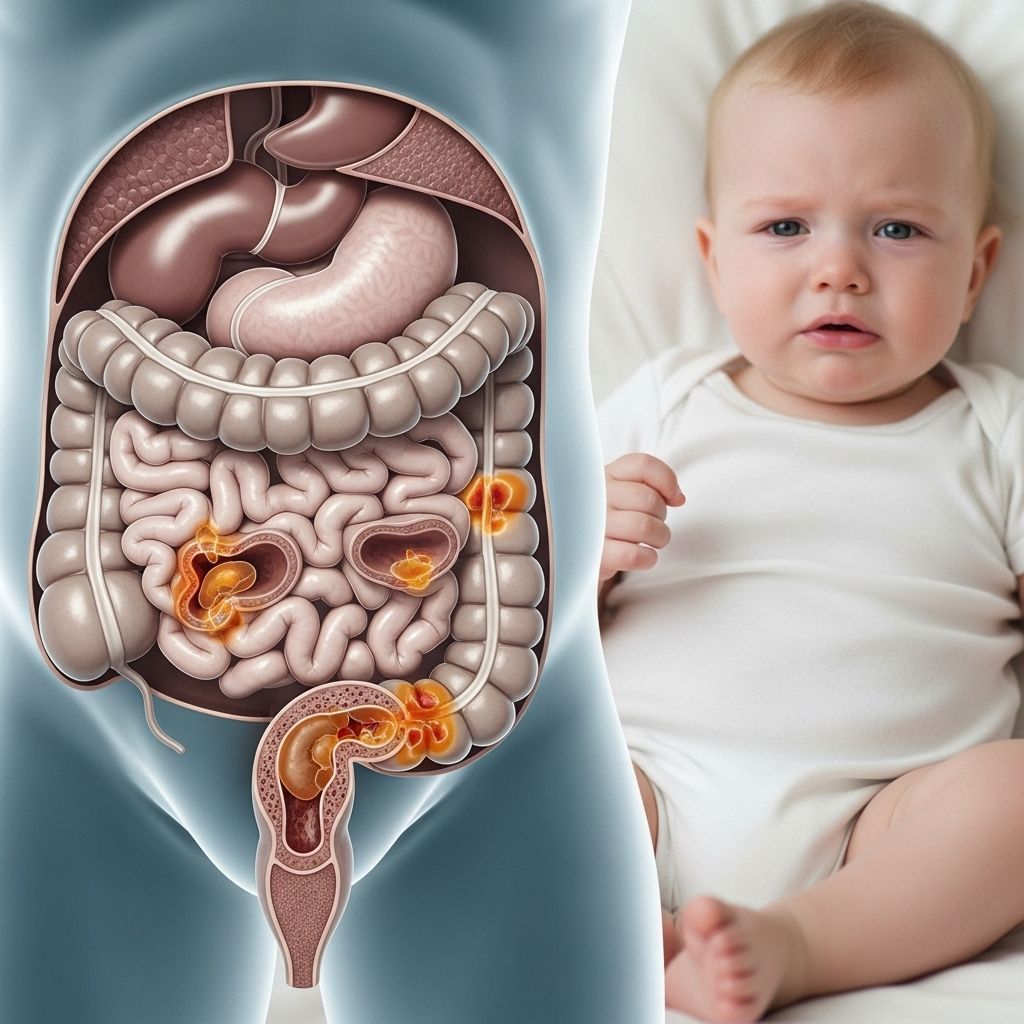
Constipation in babies involves difficult, infrequent, or hard stools and can be a source of significant concern for parents. While occasional changes in bowel habits are normal, persistent constipation may require intervention and, in rare cases, medical evaluation. Knowing how to recognize the signs, understand the causes, and respond appropriately can help ensure your baby’s comfort and well-being.
Understanding Baby Bowel Movements: What’s Normal?
Babies have different bowel movement patterns depending on their age and whether they are breastfed or formula-fed:
- Breastfed babies often have frequent, soft stools, sometimes after every feeding for the first few weeks.
- Formula-fed babies typically have fewer stools, and these may be firmer in texture.
- As babies start eating solid foods, their stool consistency and frequency can change again.
It’s important to remember that “normal” varies from baby to baby. What matters most is a consistent pattern specific to your child and any sudden changes that deviate from it.
Symptoms of Constipation in Babies
Constipation is not just about the frequency of bowel movements, but also about the consistency and ease of passing stools. Signs of constipation in babies include:
- Fewer bowel movements than usual
- Hard, dry, or pellet-like stools
- Straining, discomfort, or crying during bowel movements
- Swollen belly or bloating
- Reluctance to eat
- Blood in stools from tiny anal fissures caused by passing hard stools
If your baby seems uncomfortable but is otherwise content and passing soft stools, they’re likely not constipated.
Causes of Constipation in Infants
Several factors can contribute to constipation in babies:
- Dietary changes: Starting formula, switching formulas, or introducing solid foods can disrupt a baby’s digestion and lead to constipation.
- Dehydration: Not getting enough fluids—due to illness, teething, or hot weather—can make stools harder.
- Lack of fiber: Once babies start eating solids, insufficient fiber from fruits, vegetables, and whole grains can contribute to constipation.
- Medications: Some medicines, including certain antibiotics and iron supplements, can cause constipation.
- Medical conditions: Rarely, conditions like Hirschsprung’s disease, cystic fibrosis, or thyroid problems can cause chronic constipation; these usually present with additional symptoms such as failure to thrive, vomiting, or persistent abdominal distension.
Diagnosing Constipation in Babies
If your baby shows signs of constipation, your pediatrician may:
- Review your baby’s feeding history and stool patterns
- Perform a physical exam to check for abdominal swelling, tenderness, or anal fissures
- In rare cases, order imaging or blood tests to rule out underlying medical conditions
Home Remedies for Managing Mild Constipation
Most cases of infant constipation can be managed at home with simple interventions:
- Gentle belly massage: Rub your baby’s abdomen in a clockwise motion to stimulate the bowels.
- Bicycle legs: Lay your baby on their back and gently move their legs in a bicycling motion to help move stool through the intestines.
- Warm baths: A warm bath can relax your baby’s abdominal muscles and help ease discomfort.
- Diet changes: Offer more fluids if your baby is formula-fed. For older babies, try pureed prunes, pears, or peaches, or small amounts of 100% fruit juice (apple, pear, or prune).
- Avoid rice cereal: Since rice cereal can be constipating, consider oatmeal, wheat, or barley cereal instead.
Medical Treatments for Baby Constipation
If home remedies are not effective, your doctor may recommend:
- Glycerin suppositories: These can be used occasionally to help stimulate a bowel movement.
- Laxatives or stool softeners: In persistent cases, pediatricians may prescribe or recommend specific over-the-counter options. Never give your baby a laxative without consulting your healthcare provider first.
- Enemas or other interventions: These are rarely needed for infants and only under medical supervision.
When to Worry: When Should You See a Doctor?
Contact your pediatrician if your baby has:
- Not had a bowel movement for several days and is irritable, uncomfortable, or refusing to eat
- Constant, severe pain or bloating
- Bloody stools or persistent rectal bleeding
- Fever, vomiting, or failure to gain weight
- No improvement with home remedies
Seek immediate medical attention if your baby has a swollen abdomen, persistent vomiting, or appears in distress, as these could signal a serious underlying problem.
Preventing Constipation in Babies: Practical Tips
You can help prevent constipation by:
- Ensuring adequate fluid intake, especially during hot weather or illness.
- Gradually introducing high-fiber foods once your baby starts solids (e.g., pureed fruits, vegetables, whole grains).
- Maintaining a regular feeding and bowel movement routine.
- Avoiding excessive amounts of constipating foods like rice cereal and bananas, and too much dairy once your baby is older.
- Encouraging movement and activity appropriate to your baby’s age.
Nutrition Remedies for Baby Constipation
Certain foods and beverages can help relieve constipation in babies:
| Food/Beverage | Age to Introduce | Notes |
|---|---|---|
| Pureed prunes, pears, peaches | When starting solids (6+ months) | High in fiber, helps soften stool. |
| 100% apple, pear, or prune juice | Older than 1 month (consult your doctor) | Small amounts can stimulate the bowel. |
| Oatmeal, wheat, or barley cereal | When introducing cereal (4–6 months) | Less constipating than rice cereal. |
Understanding Underlying Conditions
While rare, certain medical conditions can cause constipation in babies:
- Hirschsprung’s disease: A rare congenital disorder affecting the colon’s nerves, leading to severe constipation and abdominal swelling; usually identified in the newborn period.
- Hypothyroidism: Low thyroid levels can slow metabolism and bowel function.
- Cystic fibrosis: Can cause thick, sticky mucus to form, including in the intestines.
- Metabolic disorders: Such as hypercalcemia or hypothyroidism, can rarely cause persistent constipation.
These conditions typically present with additional symptoms such as poor weight gain, developmental delays, or recurrent infections, and require specialized medical evaluation.
Frequently Asked Questions (FAQs)
Q: How do I know if my baby is constipated?
A: Signs include fewer bowel movements than usual, hard or dry stools, straining, discomfort, bloating, and reluctance to eat. Crying or pain during bowel movements is also a red flag.
Q: How can I help my constipated baby at home?
A: Try gentle belly massages, bicycle leg movements, warm baths, and if your baby is on solids, offer pureed prunes, pears, or peaches, or small amounts of 100% fruit juice (apple, pear, prune). Increase fluids and, if they’re on formula, consider extra water between some feeds.
Q: When should I take my baby to the doctor for constipation?
A: If home remedies don’t work, your baby hasn’t passed stool for several days, is in pain, vomiting, refuses to eat, has blood in their stool, or has a swollen abdomen, contact your pediatrician immediately.
Q: Can giving my baby fruit juice help with constipation?
A: Small amounts of 100% apple, pear, or prune juice may help if your baby is older than 1 month, but always consult your doctor first, especially for young infants.
Q: Are there certain foods I should avoid giving my constipated baby?
A: Rice cereal, bananas, and excessive dairy can be constipating for some babies. Instead, opt for high-fiber foods like pureed fruits, vegetables, and whole grains.
Q: How can I prevent my baby from getting constipated?
A: Keep your baby well-hydrated, ensure a balanced diet with adequate fiber (once solids are introduced), maintain a regular feeding and bowel movement routine, and encourage movement appropriate to their age.
Conclusion
Baby constipation is a common but usually manageable issue. Most cases respond well to simple home remedies and dietary changes. However, persistent, severe, or unusual symptoms warrant a visit to your pediatrician to rule out underlying medical conditions. By understanding what’s normal, recognizing warning signs, and knowing when to seek help, you can keep your baby comfortable and healthy as they grow.
Similar Articles






Read full bio of Sneha Tete